
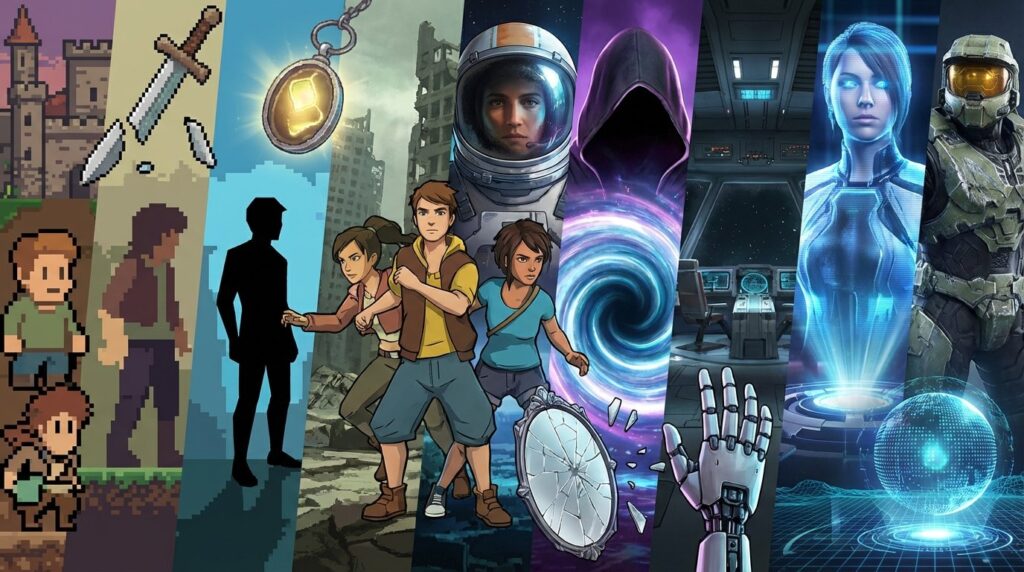
Sometimes, a video game twist hits so hard it leaves your jaw on the floor and your mind racing long after the credits roll. Whether it’s a shocking betrayal, a secret identity, or a revelation that flips the entire story on its head, these moments stick with us, reshaping not just our understanding of the game, but the way we see storytelling in the medium itself. From pixelated classics that left early gamers stunned, to the cinematic blockbusters of today and tomorrow, video games have delivered some of the most jaw-dropping plot twists in entertainment history.
As we step into 2026, the art of the twist is more alive than ever. Developers are continually pushing narrative boundaries, crafting stories that not only challenge our expectations, but also redefine what it means to be immersed in a virtual world. The following list takes you on a journey through time, revisiting the most mind-blowing narrative curveballs—from retro legends that set the bar, to the modern masterpieces and future icons that are turning heads right now.
Buckle up as we dive deep into 14 of the most unforgettable, gasp-inducing plot twists in video game history. Whether you’re a diehard retro enthusiast or a fan of the latest AAA sensations, prepare for some serious déjà vu, a few spoilers, and perhaps a renewed appreciation for the games that truly dared to mess with our minds.
BioShock
Story
Set in the underwater dystopia of Rapture, BioShock initially presents itself as a straightforward first-person shooter with strong narrative ambitions. You play as Jack, a plane crash survivor who finds himself navigating the ruins of a once-utopian city, guided by a mysterious voice over the radio named Atlas. As Jack explores deeper, he becomes entangled in the city’s political and social decay, all while being hunted by the terrifying Big Daddies and the deranged Splicers.
The story takes a seismic turn when Jack finally confronts Andrew Ryan, Rapture’s enigmatic founder. In a legendary twist, it’s revealed that Jack has been manipulated all along through the phrase “Would you kindly?”—a subtle trigger for mind control, revealing Jack’s lack of agency and flipping the narrative on its head. This moment redefines everything you thought you knew about your role and choices in the game.
Gameplay
BioShock’s gameplay masterfully blends atmospheric exploration, tight shooting mechanics, and a rich upgrade system. Players use a mix of firearms and plasmid powers to overcome enemies, all while scavenging for resources and unraveling environmental storytelling. The game’s design encourages experimentation, making each encounter feel unique and tense.
After the twist, gameplay takes on a new weight. The sense of agency you thought you had is called into question, making your previous actions feel manipulated. This meta-narrative layer makes replays especially eerie, as you notice every time Atlas has subtly directed your path.
Why it’s on this list
BioShock’s “Would you kindly?” twist is legendary, not just for its shock value but for how it interrogates the very concept of player agency in video games. It forces players to reckon with the illusion of choice, making it one of the most cerebral and memorable moments in gaming history.
Graphics and Sound
BioShock’s art deco visuals and haunting soundtrack create an atmosphere unlike any other. The oppressive underwater environment is beautifully realized, with lighting and sound design amplifying the game’s tension and sense of isolation. The audio cues and voice acting, especially during the twist, are pitch-perfect.
Legacy and Reception
Upon release, BioShock was lauded as a narrative masterpiece, frequently cited in discussions about video games as art. Its twist became a pop culture touchstone, inspiring countless think-pieces and academic discussions. The game’s influence is still felt in modern narrative design and continues to be a benchmark for storytelling innovation.
Final Fantasy VII
Story
Final Fantasy VII follows Cloud Strife and his eclectic group of allies as they battle the sinister Shinra corporation and the world-threatening Sephiroth. What begins as a tale about eco-terrorism and corporate greed quickly escalates into a globe-spanning epic with heavy emotional stakes.
Perhaps the most famous twist comes midway through the game when Aerith, a beloved party member, is shockingly killed by Sephiroth. Her unexpected death sent shockwaves through the gaming world, shattering the illusion of safety for main characters and elevating the stakes to a whole new level.
Gameplay
The game’s turn-based combat, materia system, and sprawling world exploration set the standard for JRPGs. Players are encouraged to invest deeply in their characters, customizing their abilities and forming emotional bonds through side quests and story moments.
Aerith’s death is not just a narrative twist; it permanently removes her from your party, forcing you to adapt your strategies and composition. This integration of story and gameplay made the twist all the more impactful.
Why it’s on this list
Aerith’s death is one of the most iconic moments in gaming, forever changing the way players viewed character safety in RPGs. Its emotional impact and narrative boldness have made it a reference point for storytelling risk in games.
Graphics and Sound
For its time, Final Fantasy VII’s polygonal graphics and pre-rendered backgrounds were stunning. The score, especially “Aerith’s Theme,” is etched into the memories of fans everywhere. The cinematic cutscene of Aerith’s demise is still referenced as a watershed moment in video game storytelling.
Legacy and Reception
Final Fantasy VII is a titan in the gaming world, spawning remakes, films, and a devoted fanbase. Aerith’s death continues to be discussed and analyzed decades later, proving the enduring power of a well-executed twist in shaping a game’s legacy.
Star Wars: Knights of the Old Republic
Platform | PC, Xbox |
|---|---|
Publisher | LucasArts |
Genre | RPG |
Release Date | 07/16/2003 |
Story
Set thousands of years before the original Star Wars trilogy, Knights of the Old Republic places players in a galaxy at war. As a customizable protagonist, you embark on a quest to stop the Sith Lord Darth Malak, gathering allies and making critical choices along the way.
The game’s jaw-dropping twist reveals that your character is actually Darth Revan, a feared Sith Lord whose memory was wiped by the Jedi. This revelation recasts your entire journey, casting doubt on your motivations and past actions, and letting players choose whether to embrace their dark legacy or forge a new path.
Gameplay
KOTOR’s blend of real-time and turn-based combat, deep dialogue trees, and moral choices set a new standard for RPGs. The way your decisions influence the Force, your companions, and the story’s outcome gives every playthrough a distinct flavor.
The twist transforms the stakes of every choice, making your quest for redemption or domination feel personal. It’s a masterclass in letting narrative and mechanics inform one another, with your identity crisis directly affecting how you interact with the world.
Why it’s on this list
Few twists have rivaled the impact of learning you are Darth Revan. It blindsides players, adding immense depth and replayability to the experience. This moment is regularly cited as one of the greatest plot reveals in all of gaming.
Graphics and Sound
While the visuals are dated by modern standards, the game’s environments and character designs remain iconic. The sweeping score and evocative sound effects capture the spirit of Star Wars, while the voice acting brings every character to life.
Legacy and Reception
KOTOR was a critical and commercial triumph, influencing countless RPGs and Star Wars media. Its twist has become a cultural touchstone, referenced in discussions of both gaming and the broader Star Wars mythos. The game’s enduring popularity has kept it relevant into 2026.
Silent Hill 2
Platform | PlayStation 2 |
|---|---|
Publisher | Konami |
Genre | Survival Horror |
Release Date | 09/24/2001 |
Story
Silent Hill 2 introduces players to James Sunderland, who arrives in the fog-shrouded town of Silent Hill after receiving a letter from his deceased wife, Mary. The narrative slowly unravels, drawing players into a psychological horror tale that blurs the lines between reality, guilt, and punishment.
The devastating twist comes when James discovers that he, not some external force, was responsible for Mary’s death. The entire journey is a manifestation of his guilt and trauma, with Silent Hill serving as a purgatory that forces him to confront his actions and their consequences.
Gameplay
Silent Hill 2’s gameplay is built around exploration, puzzle-solving, and survival horror. The oppressive atmosphere and disorienting camera angles keep players constantly on edge, never sure what’s lurking in the mist.
The game’s mechanics reinforce the psychological narrative, with enemy designs and environmental details reflecting James’s mental state. The twist recontextualizes every haunting encounter, making the horror intensely personal.
Why it’s on this list
Silent Hill 2’s revelation about James and Mary is a masterstroke of psychological storytelling. It’s a twist that doesn’t just shock—it deepens the narrative, drawing players into a profound exploration of guilt and atonement.
Graphics and Sound
The game’s grainy visuals, eerie lighting, and iconic sound design are legendary. Akira Yamaoka’s soundtrack adds to the oppressive, melancholic mood, enhancing every unsettling moment. The voice acting, though understated, delivers raw emotional power.
Legacy and Reception
Silent Hill 2 is frequently hailed as one of the greatest horror games of all time. Its twist has inspired countless fans, critics, and developers, cementing its place in the pantheon of gaming’s most unforgettable moments.
Metal Gear Solid 2: Sons of Liberty
Story
Metal Gear Solid 2 begins with Solid Snake infiltrating a tanker, only for the narrative to abruptly shift—players soon find themselves controlling the inexperienced Raiden instead. The story spirals into a labyrinthine conspiracy about information control, shadowy organizations, and the nature of reality itself.
The ultimate twist reveals that Raiden’s mission has been an elaborate simulation designed to recreate events from the first game, questioning the player’s understanding of free will, identity, and the very nature of video game narratives.
Gameplay
Core stealth mechanics return, but with enhanced movement, first-person aiming, and more interactive environments. The switch from Snake to Raiden is not just a narrative shock; it forces players to adapt to a new character with different motivations and outlooks.
The meta-narrative twist is reflected in the gameplay, as the game continually breaks the fourth wall and manipulates the player’s expectations. Codec calls, mission objectives, and even the game’s interface are used to mess with your mind, creating a truly unique experience.
Why it’s on this list
Few games have dared to deconstruct their own mechanics and the player’s role as thoroughly as MGS2. Its twist is not just about story—it’s about the very act of playing a video game, making it one of the most ambitious and thought-provoking twists ever.
Graphics and Sound
For its time, MGS2’s graphics were cutting-edge, with detailed character models and atmospheric effects. The score by Harry Gregson-Williams is cinematic, and the voice acting is top-notch, lending gravitas to the game’s wild narrative turns.
Legacy and Reception
Initially divisive, MGS2’s twist has since been celebrated for its audacity and depth. It’s now recognized as a landmark in meta-narrative storytelling, influencing countless games that followed and solidifying Hideo Kojima’s reputation as a visionary.
Red Dead Redemption
Story
Red Dead Redemption follows John Marston, a former outlaw forced to hunt down his old gang members to secure his family’s freedom. The story is a sweeping tale of the dying days of the Wild West, filled with betrayal, redemption, and moral ambiguity.
The game’s shocking twist comes near the end, when—after finally completing his mission—John is double-crossed by the government and brutally gunned down at his homestead. The player is then given control of John’s son, Jack, to seek vengeance, turning the tale into a generational saga.
Gameplay
Rockstar’s signature open-world design is on full display, offering players a vast, living world to explore on horseback, with dynamic events, shootouts, and side missions. The game’s morality system allows you to shape John’s legacy, from noble gunslinger to ruthless outlaw.
The twist of John’s death is felt deeply in gameplay, as the sudden shift to Jack changes the dynamic and tone. Missions take on new meaning, and the sense of closure is both satisfying and haunting, underscoring the game’s themes of fate and inevitability.
Why it’s on this list
Red Dead Redemption’s ending is a gut punch that few saw coming. It subverts the typical video game power fantasy, reminding players that even heroes aren’t safe from the consequences of their actions. It’s a moment that sticks with you long after the credits roll.
Graphics and Sound
The game’s sweeping vistas, detailed character models, and dynamic weather systems create a world that feels both beautiful and dangerous. The soundtrack captures the melancholy of the fading West, and the voice acting brings every character to life.
Legacy and Reception
Red Dead Redemption is widely regarded as one of the greatest games of its generation. Its twist ending elevated its narrative, inspiring a legion of imitators and cementing Rockstar’s reputation for mature storytelling.
Spec Ops: The Line
Platform | PC, PlayStation 3, Xbox 360 |
|---|---|
Publisher | 2K Games |
Genre | Third-Person Shooter |
Release Date | 06/26/2012 |
Story
Spec Ops: The Line initially presents itself as a standard military shooter, with Captain Martin Walker leading his squad through a war-torn Dubai. What begins as a rescue mission quickly devolves into a descent into madness and moral ambiguity.
The game’s devastating twist reveals that many of the horrors Walker has witnessed—or committed—are products of his own unraveling sanity, and that the player has been complicit in atrocities under the illusion of righteous action. The game’s infamous white phosphorus scene and the final confrontation with Colonel Konrad drive home the cost of blind obedience.
Gameplay
Spec Ops employs familiar third-person shooter mechanics, with cover-based combat and squad commands. However, as the story progresses, the gameplay becomes increasingly disorienting and oppressive, mirroring Walker’s psychological collapse.
The game deliberately subverts shooter tropes, making players question the morality of their actions. The twist forces you to confront the consequences of violence, creating a deeply uncomfortable but unforgettable experience.
Why it’s on this list
Spec Ops: The Line’s twist is a gut-wrenching critique of both war and the medium of video games. It challenges players to think about their role in virtual violence, making it one of the most provocative and important twists in gaming.
Graphics and Sound
The shifting sands and ruined skyscrapers of Dubai create a striking visual backdrop. The sound design is intense, with gunfire, screams, and a haunting score amplifying the sense of chaos and despair.
Legacy and Reception
Though not a commercial blockbuster, Spec Ops: The Line has achieved cult status for its narrative ambition. Its twist is frequently cited in discussions about the artistic potential of games and remains a touchstone for those seeking deeper meaning in the medium.
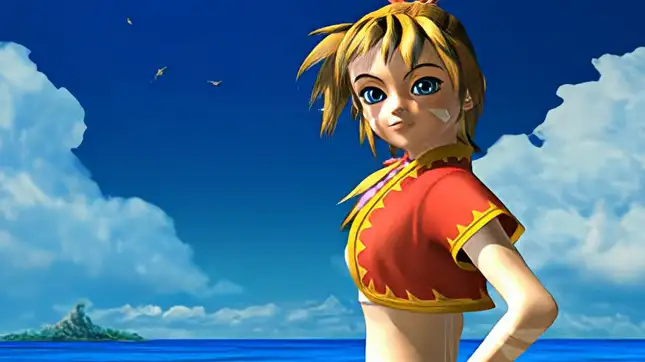
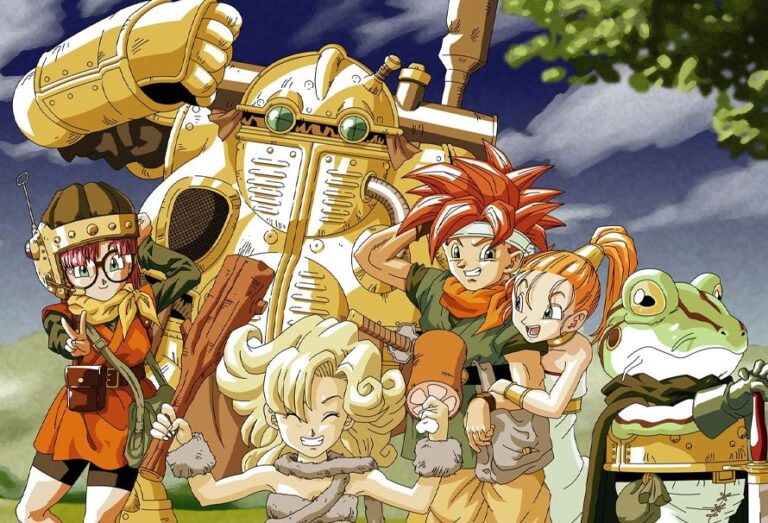
Chrono Trigger
Platform | Super Nintendo Entertainment System |
|---|---|
Publisher | Square |
Genre | |
Release Date | 03/11/1995 |
Story
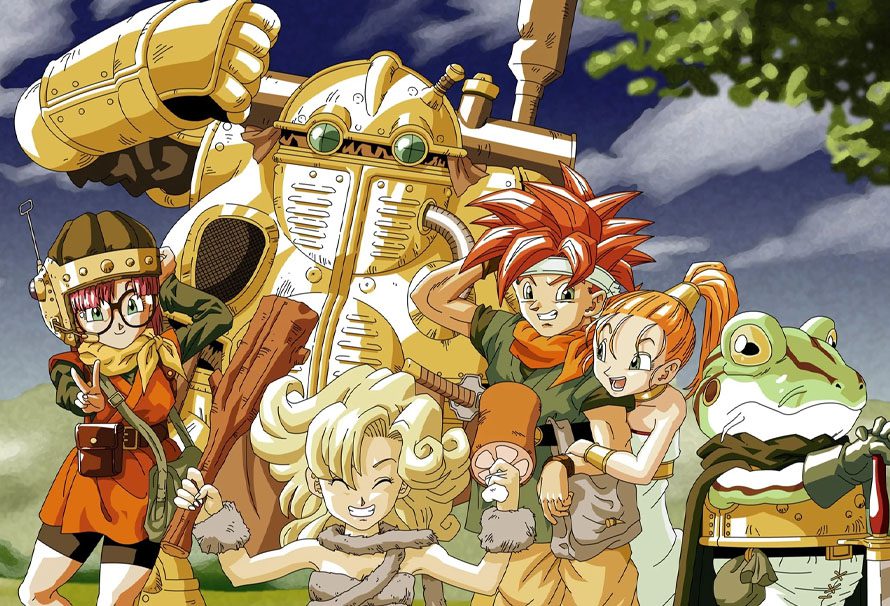
Chrono Trigger takes players on a time-traveling adventure through various eras, following Crono and his companions as they attempt to prevent a global apocalypse caused by the alien entity Lavos. The game is full of memorable moments, but its most shocking twist comes when Crono—the main character—is killed by Lavos, leaving the party leaderless.
This bold narrative choice forces players to continue the quest without the protagonist, upending the typical RPG formula and adding real stakes to the fight against fate. The possibility of reviving Crono adds further emotional weight and complexity to the story.
Gameplay
Chrono Trigger’s turn-based combat, unique dual and triple tech attacks, and innovative time-travel mechanics make for a deeply engaging RPG experience. The ability to visit different eras and see the impact of your actions adds a layer of strategy and immersion.
The twist of losing Crono changes both party dynamics and available strategies, pushing players to adapt and make difficult choices. The search for a way to resurrect Crono becomes a quest in itself, adding urgency and depth to the gameplay.
Why it’s on this list
Chrono Trigger’s decision to kill off its main character mid-game was unheard of at the time, shocking players and paving the way for more ambitious storytelling in RPGs. It’s a twist that still resonates with fans decades later.
Graphics and Sound
The game’s vibrant sprite art and imaginative world design are timeless. Yasunori Mitsuda’s soundtrack is legendary, with tracks like “To Far Away Times” evoking deep nostalgia and emotion.
Legacy and Reception
Chrono Trigger is widely regarded as one of the best RPGs ever made. Its narrative risks and emotional twists have inspired countless developers, and its influence can still be felt in modern games.
The Last of Us
Platform | PlayStation 3 |
|---|---|
Publisher | Sony Computer Entertainment |
Genre | Action-Adventure |
Release Date | 06/14/2013 |
Story
The Last of Us tells the harrowing tale of Joel and Ellie as they journey across a post-apocalyptic America ravaged by a deadly fungal infection. The relationship between the two slowly evolves from strangers to a surrogate father-daughter bond, all set against a backdrop of constant danger and moral ambiguity.
The game’s most controversial twist comes at the end, when Joel discovers that saving humanity would require sacrificing Ellie. Unable to let her die, he massacres the Fireflies and lies to Ellie about what happened, shattering the player’s expectations of heroism and forcing them to confront the gray areas of love and survival.
Gameplay
Combining stealth, resource management, and brutal combat, The Last of Us keeps tension high at all times. Exploration and scavenging are essential, and the game’s AI-driven enemies and companions add unpredictability to every encounter.
The ethical ambiguity of Joel’s final decision is echoed in gameplay, as players have no choice but to carry out his actions. This lack of agency makes the twist all the more powerful, forcing players to grapple with uncomfortable truths about their own complicity.
Why it’s on this list
The Last of Us’s ending is still hotly debated, with its twist challenging players to reconsider the meaning of sacrifice and the boundaries of love. It’s a bold narrative choice that elevates the game to the level of modern tragedy.
Graphics and Sound
The game’s visuals are meticulously detailed, bringing its devastated world to life. Gustavo Santaolalla’s haunting score and the emotionally charged voice performances of Troy Baker and Ashley Johnson set a new standard for video game storytelling.
Legacy and Reception
The Last of Us received universal acclaim, sweeping awards and inspiring a successful TV adaptation. Its twist ending is consistently ranked among the most memorable in gaming, cementing its status as a modern classic.
The Legend of Zelda: Ocarina of Time
Platform | Nintendo 64 |
|---|---|
Publisher | Nintendo |
Genre | Action-Adventure |
Release Date | 11/21/1998 |
Story
Ocarina of Time follows the hero Link as he journeys to thwart Ganondorf’s plans to conquer Hyrule. The game’s story is full of memorable characters and magical moments, but its most stunning twist comes when Link pulls the Master Sword and is sealed away for seven years, awakening as an adult in a world transformed by evil.
This jump forward in time completely changes the game’s tone and stakes, turning a coming-of-age adventure into an epic struggle for the fate of Hyrule. The revelation that Sheik is actually Princess Zelda in disguise adds another layer of surprise and depth to the narrative.
Gameplay
Ocarina of Time’s innovative 3D action-adventure gameplay set the blueprint for the genre. The use of time travel allows players to experience the world as both child and adult Link, with different abilities, items, and challenges.
The time skip is a masterstroke, completely altering the structure and feel of the game. Dungeons, side quests, and character interactions all change, keeping the experience fresh and unpredictable.
Why it’s on this list
Few games have so thoroughly upended player expectations as Ocarina of Time’s Master Sword twist. It’s a moment that redefined what a video game could do, establishing new standards for narrative ambition.
Graphics and Sound
For its era, Ocarina of Time’s graphics were groundbreaking, with lush environments and expressive character models. Koji Kondo’s soundtrack is iconic, with themes that have become synonymous with the franchise.
Legacy and Reception
Ocarina of Time is widely regarded as one of the greatest games of all time. Its twists and innovations have influenced countless titles, and its legacy endures in every new Zelda release.
Persona 5
Platform | PlayStation 3, PlayStation 4, PC, Nintendo Switch, Xbox One |
|---|---|
Publisher | Atlus |
Genre | Turn-Based RPG |
Release Date | 04/04/2017 |
Story
Persona 5 follows a group of high school students who form the Phantom Thieves, using supernatural powers to change the hearts of corrupt adults. The story is a stylish blend of coming-of-age drama, social commentary, and supernatural intrigue.
The game’s jaw-dropping twist comes when it’s revealed that the group’s confidant and apparent ally, Goro Akechi, is actually a traitor working against them. The Phantom Thieves’ elaborate plan to outwit him—and the revelation that even the player has been tricked—turns the narrative upside down.
Gameplay
Persona 5’s blend of turn-based combat, dungeon crawling, and life simulation creates a uniquely addictive experience. Building relationships, managing time, and planning heists are all crucial to success.
The twist surrounding Akechi and the group’s fake-out heist is brilliantly integrated into gameplay, forcing players to rethink their strategies and alliances. The sense of betrayal is palpable, making the subsequent confrontations all the more satisfying.
Why it’s on this list
Persona 5’s traitor twist is one of the most expertly executed in recent memory. It keeps players guessing and elevates the story from great to unforgettable, proving that even the most trusted allies can’t always be believed.
Graphics and Sound
The game’s bold, anime-inspired art style and slick menus are instantly recognizable. Shoji Meguro’s jazzy, energetic soundtrack perfectly complements the game’s stylish vibe, while the voice acting brings every character to life.
Legacy and Reception
Persona 5 was a critical and commercial hit, winning numerous awards and spawning spinoffs and adaptations. Its narrative twists and memorable cast have secured its place as a modern JRPG classic.
The Legend of Zelda: Breath of the Wild
Story
Breath of the Wild places players in a devastated Hyrule, with Link awakening from a century-long slumber to defeat Calamity Ganon. The game’s narrative is fragmented, revealed through memories and environmental storytelling.
The twist comes as players uncover that Link failed to protect Hyrule a hundred years ago, and that the world is in ruins because of his defeat. The sense of loss and redemption permeates every corner of the game, making the journey to reclaim hope all the more poignant.
Gameplay
Breath of the Wild revolutionized open-world design, giving players unprecedented freedom to explore, experiment, and tackle challenges in any order. The physics-based systems and dynamic weather make every playthrough unique.
The revelation of Link’s past failure adds a layer of emotional depth, turning every victory into an act of redemption. The fragmented narrative encourages exploration, making story discovery a reward in itself.
Why it’s on this list
Breath of the Wild’s twist isn’t about a single scene, but the gradual realization of the scale of Link’s failure and the opportunity for atonement. It gives the game a powerful emotional core, elevating it above standard hero narratives.
Graphics and Sound
The game’s painterly visuals and sweeping vistas create a sense of wonder and melancholy. The minimalist soundtrack and ambient sounds enhance the feeling of solitude and discovery.
Legacy and Reception
Breath of the Wild is hailed as a masterpiece, setting new standards for open-world games. Its emotional twist and innovative design have left an indelible mark on the industry.
Doki Doki Literature Club!
Story
Doki Doki Literature Club! begins as a seemingly innocent visual novel, placing players in a high school poetry club with a cast of charming girls. The lighthearted tone quickly unravels as disturbing elements creep in, revealing a psychological horror story masquerading as a dating sim.
The game’s shocking twist comes when it breaks the fourth wall—characters become self-aware, the game manipulates its own files, and the club president Monika reveals she has been controlling everything, even addressing the player directly.
Gameplay
Initially, gameplay revolves around choosing dialogue options and writing poems to woo different characters. As the horror elements emerge, the game starts to glitch, delete files, and subvert expected mechanics, turning the player’s computer into part of the experience.
The twist fundamentally changes how you interact with the game, forcing you to confront the artificiality of your choices. The self-aware narrative and meta gameplay create a uniquely unsettling experience.
Why it’s on this list
Doki Doki Literature Club!’s meta twist took the internet by storm, redefining what a visual novel could be. Its willingness to break the fourth wall and mess with players’ expectations is unforgettable.
Graphics and Sound
The deceptively cute anime art style lulls players into a false sense of security, making the horror all the more effective. The soundtrack shifts from cheerful to deeply unsettling, and the distorted sound effects amplify the game’s descent into madness.
Legacy and Reception
Doki Doki Literature Club! became a viral sensation, inspiring theories, fan art, and countless playthroughs on streaming platforms. Its twist is now the gold standard for psychological horror in indie games.
The Witcher 3: Wild Hunt
Platform | PlayStation 4, Xbox One, PC, Nintendo Switch |
|---|---|
Publisher | CD Projekt Red |
Genre | Action RPG |
Release Date | 05/19/2015 |
Story
The Witcher 3 follows Geralt of Rivia as he searches for his adopted daughter, Ciri, across a war-torn continent. The story is a sprawling tapestry of political intrigue, personal drama, and monster-slaying.
The game’s most powerful twist is that your choices throughout the game—big and small—determine Ciri’s fate, but the criteria are hidden and often counterintuitive. The realization that your seemingly minor actions have massive, irreversible consequences is both thrilling and terrifying.
Gameplay
The Witcher 3’s open-world design is packed with quests, monsters, and dynamic characters. The branching narrative and moral ambiguity force players to weigh every decision carefully, never sure how it will play out.
The twist of hidden choice consequences adds immense replay value and tension, making every interaction feel loaded with possibility. The sense of agency and responsibility is unmatched.
Why it’s on this list
The Witcher 3’s twist isn’t a single reveal, but the dawning realization that your actions have shaped the story in ways you never expected. It’s a testament to the power of interactive storytelling.
Graphics and Sound
The game’s richly detailed world, from lush forests to war-torn villages, is a visual feast. The orchestral score and top-tier voice acting bring the world and its inhabitants to life.
Legacy and Reception
The Witcher 3 is regarded as one of the best RPGs ever made, winning numerous Game of the Year awards. Its narrative complexity and impactful twists have set a new standard for the genre.
Alan Wake 2
Story
Alan Wake 2 continues the psychological horror saga of the titular writer, plunging players into a reality-bending nightmare. As Alan struggles to escape the Dark Place and uncover the mystery behind his wife’s disappearance, the lines between fiction and reality blur.
The game’s twist reveals that much of what’s happening is a story being written by Alan himself—trapped in a metafictional loop where his words become reality and his reality is shaped by his writing. The player is forced to question what is real, what is imagined, and who is truly in control.
Gameplay
Alan Wake 2 expands on the flashlight-and-gun combat of the original, adding deeper exploration, environmental puzzles, and psychological set pieces. The shifting realities and narrative tricks keep players constantly off-balance.
The twist is felt in gameplay mechanics, as the world shifts based on Alan’s writings and choices. This interplay between story and action creates a uniquely immersive and unsettling experience, where nothing can be taken at face value.
Why it’s on this list
Alan Wake 2’s meta-narrative twist is a masterclass in psychological horror. It expertly plays with player expectations and blurs the line between author, character, and audience, making it one of the most mind-bending experiences in recent years.
Graphics and Sound
The game’s visuals are stunning, with dynamic lighting, haunting environments, and surreal effects that reflect the shifting realities. The soundtrack and ambient sounds heighten the sense of dread, while voice acting and narration ground the story’s emotional core.
Legacy and Reception
Alan Wake 2 has been praised for its ambitious storytelling, atmospheric design, and willingness to push narrative boundaries. Its twist has quickly earned it a place among the best psychological thrillers in gaming.
From pixelated heartbreaks and mind-bending meta-narratives to next-gen psychological labyrinths, these 14 video game twists have left indelible marks on players and the industry alike. They’ve redefined what stories games can tell and how they can make us feel—proving that, sometimes, the most powerful weapon a developer holds is the element of surprise.
As we move further into 2026 and beyond, one thing is clear: video games are only getting bolder, more ambitious, and more willing to take risks that leave us reeling. Whether you experienced these twists firsthand or have them on your must-play list, they serve as reminders of why we love gaming—where the next jaw-dropping revelation could be just around the corner.