
If the original Hades was a revelation for roguelike fans—an audacious blend of razor-sharp combat, mythic storytelling, and painterly visuals—its sequel arrives in 2026 amidst towering expectations. Hades II, Supergiant Games’ first direct sequel, plunges us once more into the underworld, but this time with a fresh protagonist and a bold new sense of scale. From the moment the game’s haunting opening chorus swells, it’s clear: this is no mere retread, but a triumphant deepening of everything that made its predecessor legendary.
Where Hades was Zagreus’ relentless ascent toward freedom, Hades II pivots to a descent—a journey not of escape, but of confrontation and reclamation. Players step into the sandals of Melinoë, Princess of the Underworld and sibling to Zagreus, as she faces a world upended by the return of Chronos, the Titan of Time. The stakes run deeper, the mythology richer, and the gameplay more ambitious, all while maintaining the cyclical, rewarding loop that fans have come to cherish.
In a year crowded with roguelike competitors and myth-inspired action games, Hades II not only justifies its existence but stands as a beacon of what iterative design and narrative evolution can achieve. It’s a game that respects your time and skill, yet constantly entices you to dive in for “just one more run”—a testament to Supergiant’s mastery of the genre. Let’s descend into the madness and see what awaits in this mythic sequel.
Gameplay: Refining the Roguelike Formula
Hades II builds upon the foundation laid by its predecessor, offering a gameplay loop that’s as addictive as it is rewarding. Each run through the underworld is an opportunity to experiment with new weapons, boons, and strategies, all while learning enemy patterns and environmental hazards. The controls remain tight and responsive, with Melinoë’s movement feeling both familiar and subtly distinct compared to Zagreus’—her agility and magical prowess invite a more fluid, spell-infused approach to combat.
Combat in Hades II is even more dynamic, thanks to an expanded arsenal of arcane powers and melee attacks. The game’s signature blend of fast-paced action and tactical decision-making returns, but new enemy types and shifting environments keep the challenge fresh. Whether you favor precise dodges and parries or unleash chaos with area-of-effect spells, the game rewards both mastery and experimentation.
What truly sets Hades II apart in 2026 is how it respects the player’s time while still encouraging risk and discovery. Death is never a setback, but a doorway to new storylines, upgrades, and character interactions. The roguelike loop feels more inviting than ever, balancing punishment and reward in a way few games manage, even as the genre grows increasingly crowded.
Core Mechanics
At its heart, Hades II retains the core mechanics that made the original so beloved: procedurally generated room layouts, randomized power-ups from the gods, and a persistent sense of progression. Each run is punctuated by choices—selecting boons from Olympian deities, investing in permanent upgrades, or choosing which resource to prioritize for future runs. The tension between short-term survival and long-term growth is as taut as ever.
Melinoë’s arsenal is a major mechanical shift, allowing players to switch between sorcery and traditional weapons on the fly. This duality adds a new layer of strategy to every encounter. The “Hex” meter, a unique resource tied to Melinoë’s spells, introduces risk-reward tradeoffs: do you spend it for a devastating attack, or save it for a critical moment? This system keeps combat feeling fresh and rewards tactical thinking.
The meta-progression system has also been refined. As you unlock new abilities and trinkets, each run feels like a meaningful step forward, even when you don’t reach your goal. The game’s pacing is masterful, doling out upgrades and narrative beats at just the right intervals to keep players engaged without overwhelming them with options.
New Additions and Features
Hades II isn’t content to rest on its laurels. Among its most significant new features is the expanded magic system, allowing Melinoë to channel spells from the Arcana Deck—a set of mystical cards representing various aspects of Greek myth. These cards not only offer passive buffs but can also be activated mid-run, providing game-changing effects that demand clever timing and synergy with your chosen boons.
The game also introduces a day-night cycle within the House of Hades, affecting which characters are present and what upgrades or quests are available. This lends an organic rhythm to progression and encourages players to return at different times to see how the world—and its denizens—change.
Another standout addition is the “Chronos Trials,” special challenge rooms that bend the rules of time. These provide unique modifiers and high-risk, high-reward scenarios, pushing even veteran players to their limits. Combined with a more robust crafting and potion system, Hades II feels both deeper and more replayable than almost any roguelike on the market today.
Single-Player Campaign
The single-player campaign is where Hades II truly flexes its narrative muscles. Rather than a linear story, the game unfolds through repeated runs, each revealing new snippets of dialogue, lore, and character development. Supergiant’s renowned writing shines, blending humor, tragedy, and mythic grandeur in equal measure.
Melinoë’s quest to confront Chronos is both personal and epic. As the underworld’s balance teeters on the edge of collapse, you’ll forge alliances with both familiar faces and new mythological figures. The branching dialogue system returns, more intricate than ever, allowing for meaningful choices that shape relationships and influence the unfolding drama.
Unlike many roguelikes, Hades II never makes the campaign feel like a grind. Each failed run is narratively justified, with characters reacting to your progress and setbacks. This seamless fusion of gameplay and story is nothing short of remarkable, and it keeps the single-player experience compelling from start to finish.
Story and Setting
Hades II’s narrative is a deft expansion of Greek mythology, blending canonical tales with Supergiant’s inventive twists. Melinoë, a lesser-known figure in classical myth, is realized here as a fully dimensional protagonist—driven, haunted, and fiercely determined to save her family’s realm. Her interactions with the gods, titans, and underworld denizens are layered with nuance, blending pathos with the palpable sense of ancient history.
The introduction of Chronos as the central antagonist injects a new cosmic menace into the mythos. His manipulation of time creates existential stakes that ripple through every corner of the game’s world, affecting not only the underworld but the fate of Olympus itself. The writing explores themes of legacy, fate, and the costs of power, all while maintaining the series’ trademark wit and warmth.
The setting itself is more diverse and imaginative than ever. From shattered realms frozen in time to lush, forbidden groves deep beneath the earth, each biome feels distinct and steeped in mythic atmosphere. Environmental storytelling is at its peak, with every detail—statues, murals, ambient dialogue—adding to the sense of a living, breathing underworld on the brink of transformation.
Level Design
Level design in Hades II is a masterclass in procedural generation with purpose. While the layouts change with each run, signature landmarks and set pieces anchor the experience, providing a sense of place and continuity. The variety of environments—from the labyrinthine corridors of the Titan’s Bastion to the tempestuous rivers of Lethe—keeps exploration rewarding and unpredictable.
Each biome introduces new mechanics and hazards, forcing players to adapt their strategies. Poisonous mists, shifting platforms, and time-warping anomalies ensure that no two runs feel quite the same. Secret passages and hidden chambers reward attentive players, while challenge rooms and elite encounters keep the adrenaline pumping.
Importantly, the difficulty curve is finely tuned. New players are eased into the complexities of each zone, while veterans will find escalating challenges that test their mastery. The game never feels unfair; rather, it encourages learning and adaptation, turning each defeat into a lesson for the next attempt.
Multiplayer and Online Experience
While Hades II remains fundamentally a single-player experience, Supergiant has dipped its toes into the waters of online integration. Asynchronous multiplayer features allow players to share run statistics, compete on global leaderboards, and send “Echoes”—ghostly manifestations of their runs—into friends’ games, offering hints or challenges based on their own playstyles.
Co-op play is absent by design, a decision that preserves the intimate, narrative-driven focus of the series. However, the new daily and weekly challenges, complete with unique modifiers and communal objectives, help foster a sense of shared adventure among the player base. These events refresh regularly, keeping the community engaged and encouraging friendly rivalry.
Online stability and performance have been exemplary since launch, with leaderboards updating in real-time and no reported issues with cross-platform sharing. While not a multiplayer game in the traditional sense, Hades II’s online features are a smart, unobtrusive addition that enhances replayability without diluting the core experience.
Graphics and Visuals
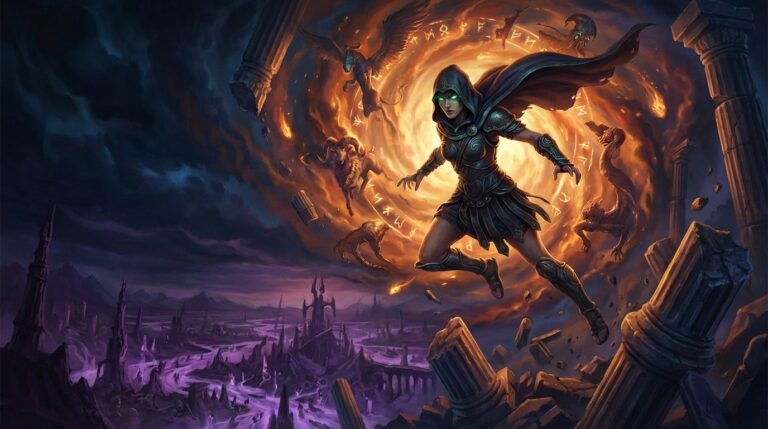
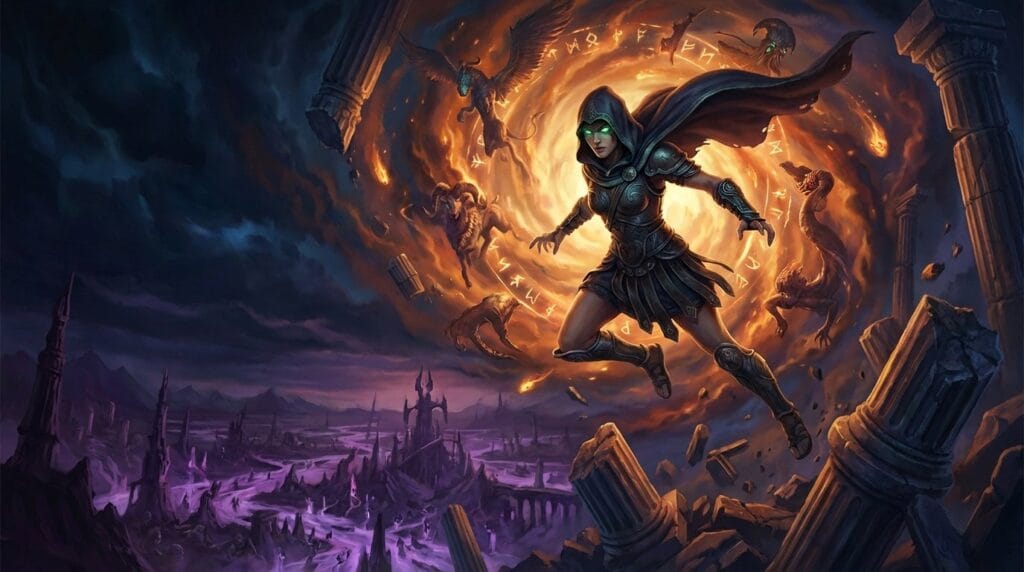
Hades II is a visual feast, pushing Supergiant’s acclaimed art direction to new heights. The hand-painted environments are more detailed and vibrant than ever, with dynamic lighting and particle effects that lend each scene a painterly, dreamlike quality. Character designs are equally striking, blending classical iconography with imaginative flourishes that make each god, monster, and hero instantly memorable.
The animation work is fluid and expressive, bringing both combat and cutscenes to life with a kinetic energy. Melinoë’s spellcasting is particularly impressive, with swirling magical effects that fill the screen without ever obscuring the action. Environmental details—shifting shadows, flickering torches, spectral apparitions—contribute to the game’s immersive atmosphere.
Performance is rock-solid across platforms, from high-end PCs to current-gen consoles. Load times are minimal, and the game maintains a buttery-smooth frame rate even during the most chaotic battles. Accessibility options have also been expanded, including customizable color palettes and visual clarity modes, making Hades II one of the most inclusive titles of the year.
Soundtrack and Audio Design
Darren Korb returns with another unforgettable soundtrack, blending traditional Mediterranean instrumentation with pulsing electronic beats. Each biome boasts its own musical identity, from melancholic lyres echoing through the halls of the underworld to thunderous battle themes that escalate as the action intensifies. The result is a score that not only enhances the mood but becomes an integral part of the gameplay rhythm.
Voice acting remains a standout feature. Every character, major and minor, is brought to life with warmth and nuance. Melinoë’s journey is made all the more compelling by a stellar central performance, while returning favorites like Hades, Nyx, and Hypnos deliver their lines with the gravitas and wit fans have come to expect.
Sound effects are crisp and satisfying, from the crackle of spellfire to the clashing of steel. Environmental audio—distant wails, echoing footsteps, the drip of water in forgotten tunnels—deepens the sense of place and draws players further into the underworld’s embrace. The sound design is layered, evocative, and a true highlight of the 2026 gaming landscape.
Conclusion: Should You Play It?
Hades II is nothing short of a triumph—a sequel that not only honors its predecessor but confidently carves its own mythic path. Every facet of the experience, from the sublime combat to the rich storytelling, has been expanded and refined. It’s a game that understands what made the original special and delivers even more, without ever feeling bloated or derivative.
In a year brimming with high-profile releases and would-be roguelike contenders, Hades II stands at the summit. Whether you’re a returning fan eager for more underworld intrigue or a newcomer lured by the buzz, this is one descent into madness you won’t want to miss. Supergiant Games has once again set the bar for action, narrative, and artistic ambition—and the gaming world is all the richer for it.