
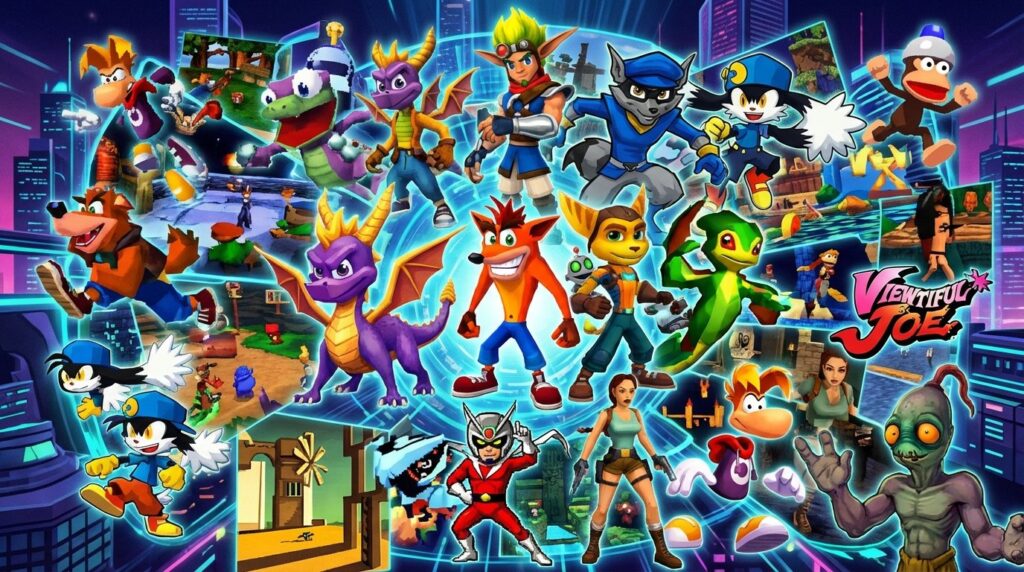
Rewind the clock to the golden era of platformers, where the PlayStation 1 and PlayStation 2 reigned supreme and developers pushed the boundaries of creativity. In the late ’90s and early 2000s, these beloved consoles produced some of the most inventive, influential, and downright fun platforming experiences ever made. Fast forward to 2026, and their impact still echoes throughout modern game design, inspiring everything from indie darlings to blockbuster hits.
What made these classics so enduring? It wasn’t just tight controls or colorful worlds—though they had those in spades. It was their willingness to experiment, to blend genres, to tell compelling stories, and to create universes you wanted to get lost in. Some franchises born in this era are still thriving, while others left their mark and have been lovingly referenced, remastered, or even resurrected for new generations.
Whether you’re chasing nostalgia or seeking the roots of modern platforming genius, these 16 PS1 and PS2 platformers continue to shape the industry. Let’s jump in, spin, and double-jump through the icons that set the bar for what platformers can be!
Crash Bandicoot
Story
In 1996, Crash Bandicoot burst onto the PlayStation scene as Sony’s answer to Mario and Sonic. The story follows Crash, a genetically enhanced bandicoot, on a quest to rescue his girlfriend Tawna from the nefarious Dr. Neo Cortex. Set on the mysterious Wumpa Islands, the narrative is simple but charming, with cartoonish villains, slapstick humor, and a tropical flair that made Crash an instant mascot.
Gameplay
Crash Bandicoot’s gameplay is deceptively straightforward: run, jump, spin, and dodge obstacles through a series of linear levels. But the game’s precise controls and tricky platforming challenges demanded quick reflexes and memorization. It introduced the now-iconic “into-the-screen” perspective, where players had to navigate Crash down narrow paths toward or away from the camera, adding a unique twist to the genre.
Why it’s on this list
Crash Bandicoot’s influence is felt in countless platformers today, especially with its blend of 2D and 3D gameplay and its focus on challenging but fair level design. Many indie and AAA games continue to borrow its structure and pacing. The remastered N. Sane Trilogy and Crash 4 have kept the gameplay loop alive, but it’s the original’s DNA that’s still being replicated across the industry.
Graphics and Sound
For its time, Crash Bandicoot was a technical marvel, squeezing every drop of performance from the PS1 hardware. The vibrant environments, expressive character animations, and catchy, percussive soundtrack created an atmosphere that was as memorable as the gameplay. Sound effects like the iconic “woah!” and crate-smashing thuds are etched into every gamer’s memory.
Legacy and Reception
Crash Bandicoot became a household name and helped establish Naughty Dog as a top-tier developer. Its critical acclaim and commercial success spawned sequels, spin-offs, and a dedicated fanbase. The series’ recent resurgence proves its formula is timeless, and its influence can be seen in everything from indie platformers to modern 3D mascot games.
Spyro the Dragon
Story
Spyro the Dragon arrived on the PS1 in 1998, introducing gamers to the feisty, purple dragon on a mission to free his fellow dragons and defeat the villainous Gnasty Gnorc. The story is whimsical, with plenty of humor and charm, perfectly capturing the imagination of players young and old.
Gameplay
Spyro’s gameplay set it apart from the competition by emphasizing open exploration rather than linear progression. Players navigated sprawling, colorful worlds, collecting gems, freeing dragons, and performing acrobatic feats with Spyro’s gliding and charging abilities. The sense of freedom and discovery was unmatched at the time and encouraged thorough exploration.
Why it’s on this list
Spyro the Dragon’s open-level design inspired generations of collectathon platformers. Modern games often echo Spyro’s approach to non-linear exploration and rewarding curiosity, with its DNA visible in everything from Yooka-Laylee to Super Mario Odyssey. The Reignited Trilogy’s success proves how Spyro’s design still resonates in 2026.
Graphics and Sound
Spyro wowed players with its lush, vibrant visuals and impressive draw distance, a technical feat on the PS1. The whimsical soundtrack by Stewart Copeland became instantly iconic, and the sound design, from spark-collecting chimes to Spyro’s fiery breath, added to the game’s magical atmosphere.
Legacy and Reception
Spyro the Dragon was met with critical acclaim and commercial success, spawning sequels and a long-running franchise. Its lasting appeal led to remasters and a new wave of fans, cementing Spyro as a platforming legend whose design continues to inspire.
Jak and Daxter: The Precursor Legacy
Platform | PlayStation 2 |
|---|---|
Publisher | Sony Computer Entertainment |
Genre | Platformer |
Release Date | 12/03/2001 |
Story
Naughty Dog’s leap to the PS2 was marked by the innovative Jak and Daxter: The Precursor Legacy. The story follows Jak and his wisecracking sidekick Daxter as they journey through mysterious lands to reverse Daxter’s transformation into an ottsel (otter-weasel hybrid) and unravel the secrets of the Precursors. The narrative balances comedy, intrigue, and adventure, setting the stage for a new era of platforming.
Gameplay
Jak and Daxter pushed the boundaries with seamless, interconnected worlds—no loading screens, just pure exploration. The game integrated platforming, combat, and puzzle-solving in a fluid manner. Collecting Precursor orbs, Power Cells, and exploring for secrets encouraged replayability and experimentation, while the responsive controls made movement a joy.
Why it’s on this list
Jak and Daxter’s seamless world design and blend of genres have become a blueprint for modern platformers and adventure games. Its open-ended structure inspired countless titles, with the series’ DNA still visible in today’s biggest franchises. The fusion of humor, storytelling, and innovative mechanics keeps Jak and Daxter relevant in discussions of game design.
Graphics and Sound
For its time, Jak and Daxter set a new standard with its bright, detailed visuals and smooth animations. The dynamic soundtrack and high-quality voice acting brought the world and its quirky characters to life, immersing players in every moment.
Legacy and Reception
Jak and Daxter: The Precursor Legacy received critical praise for its technical achievements and gameplay innovations. Its success spawned sequels and cemented Naughty Dog’s reputation for quality. The game’s influence persists, with many developers citing it as a touchstone for open-world and platforming design.
Ratchet & Clank
Story
Insomniac Games introduced gamers to the dynamic duo Ratchet, a Lombax mechanic, and his robot companion Clank in 2002. Set across a galaxy filled with quirky characters and villainous masterminds, the first game follows their quest to stop Chairman Drek from destroying planets for his own gain. The witty banter and imaginative universe made for an unforgettable adventure.
Gameplay
Ratchet & Clank blended platforming with third-person shooting, innovative gadgets, and wild weaponry. Players traversed colorful planets, solved puzzles, and collected bolts to upgrade their arsenal. The game’s tight controls and inventive level design kept the experience fresh, while its balance of action and exploration set it apart from its peers.
Why it’s on this list
Ratchet & Clank’s hybrid gameplay still influences modern titles, especially those that seek to mix genres seamlessly. Its clever weapon design and upgrade systems have become industry standards, while its humor and narrative flair continue to inspire developers crafting character-driven platformers.
Graphics and Sound
For a PS2 title, Ratchet & Clank dazzled with its vibrant visuals, diverse environments, and expressive character models. The soundtrack captured the spirit of each planet, and the sound effects for weapons and gadgets were both satisfying and memorable.
Legacy and Reception
The original Ratchet & Clank was a hit with critics and gamers alike, spawning a long-running series with numerous sequels and spin-offs. Its influence can be seen in everything from indie action-platformers to big-budget adventure titles, proving its design is truly timeless.
Sly Cooper and the Thievius Raccoonus
Story
Sucker Punch’s Sly Cooper and the Thievius Raccoonus introduced players to the suave master thief Sly Cooper and his loyal crew. The story revolves around recovering the stolen pages of the Thievius Raccoonus, a family heirloom containing master thieving techniques. The tale is packed with heist intrigue, witty dialogue, and a Saturday-morning-cartoon vibe.
Gameplay
Sly Cooper set itself apart by blending stealth mechanics with traditional platforming. Players snuck past guards, picked pockets, and used Sly’s agility to traverse rooftops and infiltrate heavily guarded locations. The varied level design, clever gadgets, and unique boss encounters kept players engaged from start to finish.
Why it’s on this list
Sly Cooper’s fusion of stealth and platforming mechanics has had a lasting impact, influencing modern games that blend genres and focus on player choice. Its emphasis on style and narrative-driven gameplay continues to resonate with developers and gamers alike.
Graphics and Sound
The game’s cel-shaded art style gave it a unique, timeless look that stands out even today. The jazzy soundtrack and expressive voice acting enhanced the game’s atmosphere, making every heist feel like a cinematic event.
Legacy and Reception
Sly Cooper and the Thievius Raccoonus was praised for its originality, charm, and polished gameplay. It spawned a beloved franchise and remains a touchstone for games that seek to combine stealth with platforming in a stylish package.
Klonoa: Door to Phantomile
Platform | PlayStation |
|---|---|
Publisher | Namco |
Genre | Platformer |
Release Date | 03/24/1998 |
Story
Released in 1997, Klonoa: Door to Phantomile introduced players to a whimsical dream world under threat. The titular Klonoa, accompanied by his friend Huepow, embarks on a journey to save Phantomile from destruction. The story mixes lighthearted moments with surprising emotional depth, making it a standout narrative for the time.
Gameplay
Klonoa’s gameplay is a masterclass in 2.5D platforming. Players navigate side-scrolling levels with a twist: Klonoa can grab enemies and use them to perform double-jumps or solve environmental puzzles. The game’s inventive mechanics and tight controls offer a fresh take on traditional platforming.
Why it’s on this list
Klonoa’s unique mechanics and heartfelt storytelling have inspired countless indie and mainstream developers. Its blend of puzzle-solving and platforming, along with emotional resonance, continues to influence modern platformers looking to offer something more than just action.
Graphics and Sound
Door to Phantomile wowed players with its colorful, dreamlike visuals and smooth animations, enhanced by the PS1’s hardware. The melodic soundtrack and whimsical sound effects perfectly complemented the game’s atmosphere, making Phantomile a joy to explore.
Legacy and Reception
While not a massive commercial hit, Klonoa earned critical acclaim and a cult following. Its influence can be seen in modern 2.5D platformers, and its emotional storytelling has set a standard for narrative-driven games in the genre.
Ape Escape
Story
Ape Escape burst onto the scene in 1999 as the first PS1 game to require the DualShock controller. The lighthearted story follows Spike, a young boy tasked with recapturing time-traveling monkeys led by the mischievous Specter. The plot is filled with humor, quirky characters, and an infectious sense of fun.
Gameplay
What set Ape Escape apart was its innovative use of both analog sticks: one for movement, the other for controlling gadgets. Players used nets, hula hoops, and slingshots to catch monkeys across increasingly zany levels. The game was a playground of experimentation, challenging players to master new tools and techniques.
Why it’s on this list
Ape Escape’s forward-thinking control scheme and gadget-focused gameplay have influenced countless platformers and action-adventure titles. Its willingness to innovate with hardware set a precedent for immersive, tactile game experiences that still inspire developers today.
Graphics and Sound
Ape Escape’s bright, cartoonish visuals and expressive animations gave it a distinct identity. The energetic soundtrack and playful sound effects added to the game’s charm, making every monkey chase memorable.
Legacy and Reception
Ape Escape was critically acclaimed for its creativity and technical achievements. Its enduring fanbase and influence on control design make it a pillar of platforming history, with modern games still drawing inspiration from its inventive mechanics.
Tomba!
Platform | PlayStation |
|---|---|
Publisher | Whoopee Camp |
Genre | Platformer |
Release Date | 07/16/1998 |
Story
Tomba! (known as Tombi! in Europe) is a PS1 cult classic released in 1998. The story follows the wild pink-haired Tomba as he battles the Evil Pigs to restore his homeland. The narrative is filled with quirky characters, whimsical quests, and a world bursting with personality.
Gameplay
Tomba! combines 2.5D platforming with RPG elements, featuring open-ended exploration, puzzle-solving, and a unique quest system. Players collect items, complete side quests, and use a variety of abilities to progress. The game’s non-linear structure encouraged players to experiment and revisit areas for new secrets.
Why it’s on this list
Tomba!’s blend of platforming and RPG mechanics was ahead of its time, influencing modern games that blur genre lines. Its quirky quest system and open-world sensibilities continue to inspire developers seeking to create more dynamic and interactive platformers.
Graphics and Sound
The game’s vibrant, hand-drawn visuals and whimsical animations gave it a storybook feel. The soundtrack and sound effects added to the game’s playful atmosphere, making every moment a delight.
Legacy and Reception
Though not a commercial blockbuster, Tomba! earned critical praise and a devoted fanbase. Its influence is felt in modern metroidvanias and action-RPG platformers, proving its design was truly ahead of its time.
Rayman 2: The Great Escape
Story
Rayman 2: The Great Escape took the limbless hero into 3D with a sweeping adventure to save his world from the robo-pirates. The story is filled with quirky humor, fantastical locations, and memorable characters, making it a standout in platforming narratives.
Gameplay
Rayman 2’s gameplay blends precision platforming with exploration, puzzle-solving, and combat. Players use Rayman’s helicopter hair, projectile attacks, and agility to navigate diverse, interconnected levels. The game’s linear yet expansive design ensures a steady flow of new challenges and surprises.
Why it’s on this list
Rayman 2 set a standard for 3D platformers with its polished controls, inventive level design, and blend of action and exploration. Its influence is clear in modern platformers that balance tight mechanics with imaginative worlds and storytelling.
Graphics and Sound
The game’s lush, colorful environments and smooth animations created a magical atmosphere. The dynamic soundtrack and whimsical sound effects enhanced the sense of adventure, drawing players deeper into Rayman’s world.
Legacy and Reception
Rayman 2 received universal acclaim and is often cited as one of the best 3D platformers ever made. Its design principles continue to inform modern games, and its influence is still felt in the platforming genre in 2026.
MediEvil
Story
MediEvil, released in 1998, tells the tale of Sir Daniel Fortesque, a bumbling skeleton knight given a second chance to save the kingdom of Gallowmere from the evil sorcerer Zarok. The game’s gothic, Tim Burton-esque story mixes humor with spooky charm, making for a memorable adventure.
Gameplay
MediEvil combines platforming, hack-and-slash combat, and puzzle-solving. Players guide Sir Dan through haunted graveyards, creepy crypts, and cursed villages, fighting monsters and collecting souls. The game’s variety of weapons and clever level design kept the action engaging and unpredictable.
Why it’s on this list
MediEvil’s blend of genres and distinctive atmosphere have inspired countless games that seek to mix humor, horror, and action. Its willingness to take risks with tone and gameplay continues to influence developers crafting unique platforming experiences.
Graphics and Sound
For a PS1 game, MediEvil stood out with its detailed, gothic visuals and expressive animations. The haunting soundtrack and quirky voice acting added to the game’s spooky yet playful vibe.
Legacy and Reception
MediEvil was praised for its originality and atmosphere, earning a loyal fanbase and eventual remakes. Its influence can be seen in modern games that mix dark comedy with platforming action.
Maximo: Ghosts to Glory
Story
Maximo: Ghosts to Glory, released in 2001 on the PS2, is a spiritual successor to the Ghosts ‘n Goblins series. The story follows Maximo, a knight who must rescue his beloved and save the kingdom from a sinister sorceress and her undead army. The tale is filled with classic heroics and old-school charm.
Gameplay
Maximo revitalized the challenging platformer with 3D action, precise controls, and punishing difficulty. Players battled through perilous environments, dodging traps, fighting monsters, and collecting armor upgrades. The game’s risk-reward system and collectible mechanics encouraged mastery and replayability.
Why it’s on this list
Maximo’s commitment to challenging gameplay and its inventive use of classic platforming tropes have influenced modern action-platformers that seek to blend nostalgia with new ideas. Its difficulty and sense of discovery remain a benchmark for the genre.
Graphics and Sound
The game’s cartoonish 3D visuals, detailed environments, and expressive character animations gave it a distinct personality. The orchestral soundtrack and satisfying sound effects elevated the experience, immersing players in Maximo’s world.
Legacy and Reception
Maximo: Ghosts to Glory was well-received for its challenging gameplay and nostalgic appeal. It remains a cult favorite and a touchstone for developers crafting tough but rewarding platformers.
Viewtiful Joe
Story
Viewtiful Joe, originally launched on GameCube and later ported to PS2, tells the story of an average movie buff, Joe, who is sucked into Movieland to rescue his girlfriend Sylvia. The narrative is a loving parody of superhero and tokusatsu films, blending meta-humor and over-the-top action into a wild ride.
Gameplay
Viewtiful Joe’s gameplay combines fast-paced 2D platforming with brawler mechanics and time-manipulation powers. Players use “VFX Powers” to slow down, speed up, or zoom the action, solving puzzles and dispatching enemies in style. The game’s combo system and inventive boss fights demand skill and creativity.
Why it’s on this list
Viewtiful Joe’s unique mechanics, stylish presentation, and genre-bending gameplay have influenced countless action-platformers. Its VFX system and combo-driven combat are evident in many modern titles that blend platforming with spectacle and innovation.
Graphics and Sound
The cel-shaded art style and comic book flair made Viewtiful Joe instantly recognizable. The energetic soundtrack and punchy sound effects kept the adrenaline high, while the voice acting added to the game’s tongue-in-cheek charm.
Legacy and Reception
Viewtiful Joe received critical acclaim for its originality and challenge, earning a dedicated fanbase. Its influence on style-driven platformers and action games is still apparent in 2026.
Prince of Persia: The Sands of Time
Story
Prince of Persia: The Sands of Time reimagined the classic franchise for a new generation. The narrative follows the Prince as he unleashes the Sands of Time, turning the palace’s inhabitants into monsters. The story is rich with intrigue, romance, and redemption, set against a backdrop of ancient Persia.
Gameplay
The game revolutionized platforming with fluid acrobatics, wall-running, and time-rewinding mechanics. Players navigated intricate environments, solved puzzles, and fought enemies with a combination of swordplay and agility. The rewind feature allowed for creative problem-solving and experimentation, setting a new standard for the genre.
Why it’s on this list
The Sands of Time’s innovative mechanics and cinematic storytelling have inspired countless modern platformers and action-adventures. Its seamless blend of narrative and gameplay continues to be a touchstone for developers seeking to create immersive, story-driven experiences.
Graphics and Sound
The game’s lush visuals, detailed environments, and fluid animations set a new bar for platformers. The atmospheric soundtrack and evocative sound effects enhanced the game’s exotic, mysterious mood.
Legacy and Reception
Prince of Persia: The Sands of Time was universally acclaimed and spawned sequels, remakes, and imitators. Its influence on platforming, puzzle design, and narrative integration remains profound in 2026.
Ico
Story
Ico, released in 2001, tells the haunting tale of a young boy with horns who must escape a mysterious castle while guiding the ethereal Yorda. The minimalist story unfolds through atmosphere and subtle interactions, creating a sense of wonder and melancholy that left a lasting impression on players.
Gameplay
Ico’s gameplay centers on environmental puzzles, platforming, and the unique mechanic of holding Yorda’s hand to lead her through dangers. The game’s design emphasizes emotional connection and teamwork, with simple controls and a focus on immersion over traditional HUDs or tutorials.
Why it’s on this list
Ico’s emphasis on atmosphere, storytelling through gameplay, and emotional engagement have inspired a generation of developers. Its minimalist approach and focus on companionship are echoed in countless modern platformers and adventure games.
Graphics and Sound
Ico’s ethereal visuals, haunting architecture, and soft lighting created a dreamlike world. The subtle soundtrack and environmental sound design deepened the sense of isolation and wonder, making every moment feel significant.
Legacy and Reception
Though initially a sleeper hit, Ico grew into a beloved classic, cited as a major influence by countless game designers. Its legacy continues to shape narrative-driven platformers and emotional storytelling in games.
Psychonauts
Story
Psychonauts, released on PS2 in 2005, follows the psychic prodigy Razputin “Raz” Aquato as he uncovers conspiracies at a summer camp for psychic spies. The narrative is loaded with humor, bizarre characters, and inventive settings, making it one of the most original platforming stories ever told.
Gameplay
Psychonauts dazzles with its wildly imaginative level design, each representing the inner mind of a different character. Players use psychic powers, platforming skills, and creative problem-solving to navigate mental landscapes filled with surprises and challenges. The variety of mechanics and sheer inventiveness keep the gameplay fresh throughout.
Why it’s on this list
Psychonauts’ bold creativity, narrative integration, and willingness to experiment with mechanics have inspired countless modern developers. Its focus on mental health themes, humor, and unique settings continues to resonate in 2026.
Graphics and Sound
The game’s surreal art style, expressive animations, and quirky character designs give it an unmistakable identity. The eclectic soundtrack and top-notch voice acting bring the world and its characters to life in memorable ways.
Legacy and Reception
Though not a massive seller at launch, Psychonauts became a cult classic, praised for its innovation and storytelling. Its legacy is seen in modern platformers that value creativity, narrative, and bold design choices.
Shadow of the Colossus
Platform | PlayStation 2 |
|---|---|
Publisher | Sony Computer Entertainment |
Genre | Action-Adventure |
Release Date | 10/18/2005 |
Story
Shadow of the Colossus, released in 2005, tells the haunting story of Wander, a young man who enters a forbidden land to resurrect a lost loved one by slaying sixteen colossi. The narrative is sparse yet emotionally charged, focusing on sacrifice, isolation, and the ambiguous morality of Wander’s quest.
Gameplay
The game redefined platforming by replacing traditional levels with epic battles against towering colossi. Players climb, cling, and strategize to take down these massive creatures, with each encounter presenting a unique puzzle-platforming challenge. The vast, empty world amplifies the sense of scale and solitude.
Why it’s on this list
Shadow of the Colossus’s minimalist storytelling, environmental design, and boss-centric gameplay have profoundly influenced modern game design. Its focus on atmosphere, emotional resonance, and innovative mechanics set a new standard for what platformers could achieve.
Graphics and Sound
The game’s breathtaking landscapes, massive colossi, and haunting visual style created an unforgettable atmosphere. The orchestral score and ambient sound effects heightened the emotional impact, making every battle feel monumental.
Legacy and Reception
Shadow of the Colossus is widely regarded as a masterpiece, earning critical acclaim and multiple remakes. Its influence on artful game design, narrative, and scale continues to be felt in 2026, with countless developers citing it as an inspiration.
Okami
Platform | PlayStation 2 |
|---|---|
Publisher | Capcom |
Genre | Action-Adventure |
Release Date | 04/20/2006 |
Story
Okami, released on PS2 in 2006, follows the sun goddess Amaterasu, who takes the form of a white wolf to restore life and color to a cursed land. The story weaves Japanese mythology with a rich, emotional narrative, filled with memorable characters and epic quests.
Gameplay
Okami blends platforming, exploration, and puzzle-solving with its unique Celestial Brush mechanic, allowing players to paint directly onto the world to manipulate the environment. The game seamlessly combines combat, platforming, and creativity, encouraging experimentation and artistic expression.
Why it’s on this list
Okami’s innovative mechanics, beautiful art direction, and integration of mythology have inspired a generation of developers. Its willingness to experiment with gameplay and storytelling continues to influence modern platformers and action-adventures.
Graphics and Sound
The game’s stunning cel-shaded visuals mimic traditional Japanese ink paintings, creating a timeless, living work of art. The evocative soundtrack and atmospheric sound effects immerse players in Okami’s world, enhancing every moment.
Legacy and Reception
Though not initially a commercial hit, Okami was critically acclaimed and has since become a beloved classic. Its influence on art-driven design, storytelling, and innovative mechanics is still felt across the industry in 2026.
As we journey through these 16 legendary PS1 and PS2 platformers, it’s clear their legacies are alive and well in the games we play today. Whether through innovative mechanics, unforgettable stories, or boundary-pushing visuals, these classics blazed trails that continue to inspire and shape the evolution of the platforming genre.
In 2026, the echoes of these masterpieces can be felt in everything from indie gems to high-profile releases. They remind us that great game design never goes out of style—and that sometimes, to move forward, you just have to take a leap (or a double-jump) back into the past.