
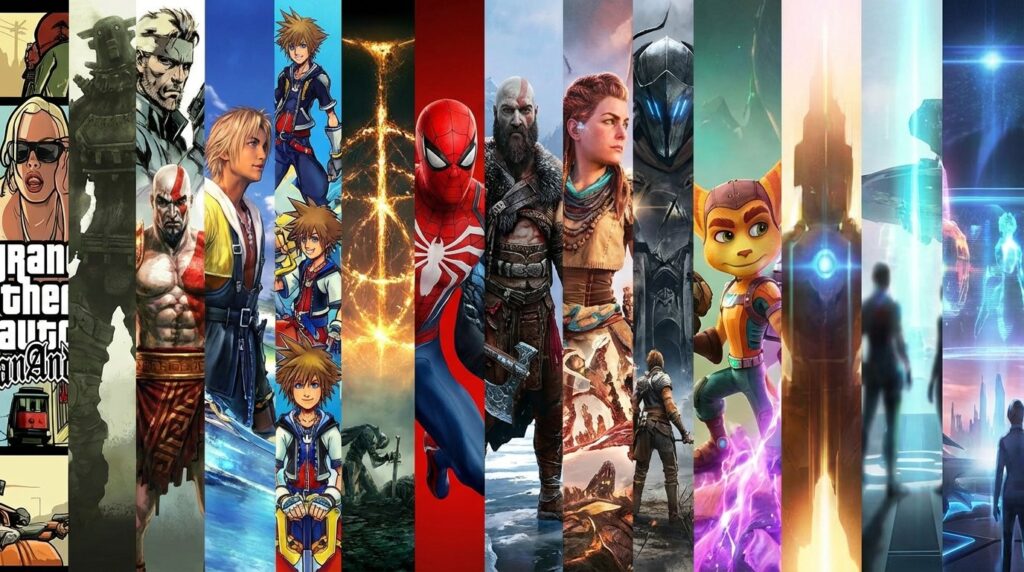
The PlayStation brand has forever altered the landscape of gaming, and nowhere is this more evident than in the generational leaps seen between the PlayStation 2 and the PlayStation 5. The PS2, released in 2000, quickly became a cultural touchstone, boasting a sprawling library of genre-defining titles that shaped the early 2000s. Fast forward to the PS5 era, and we find ourselves in the midst of another revolution—one powered by ray tracing, blazing-fast SSDs, and a new wave of unforgettable experiences. As of 2026, both consoles have produced games that became benchmarks for their eras, influencing everything from how stories are told to how worlds are built.
It’s no exaggeration to say that some of the most important games ever made bear the PlayStation logo. From the sprawling, emotional odysseys of the PS2’s golden age to the photorealistic, boundary-pushing adventures on PS5, these games have inspired millions, launched franchises, and even redefined what a “video game” could be. But what exactly makes a game generation-defining? It’s not just sales or graphics—it’s about the impact on gamers, the industry, and the long shadow these titles cast on everything that came after.
With the PlayStation 5 entering its mature phase and the gaming world buzzing about what comes next, it’s the perfect time to look back at 15 games—eight from the PS2 era, and seven from the PS5—that didn’t just entertain but truly defined their generation. And as you’ll see, the ripples from these masterpieces are still being felt in 2026 and beyond.
Grand Theft Auto: San Andreas
Story
When Rockstar North unleashed Grand Theft Auto: San Andreas in 2004, it wasn’t just a game—it was a cultural event. Set in a sprawling, fictionalized California, the game follows Carl “CJ” Johnson as he returns home to Los Santos, only to get pulled back into a world of gangs, betrayal, and high-stakes heists. The narrative was a gritty, ambitious urban epic, weaving in themes of family, loyalty, and the American dream gone sour.
San Andreas upped the ante with its storytelling, offering a cast of memorable characters and a branching storyline that felt more like a Hollywood blockbuster than any game before it. The city’s neighborhoods felt alive, the stakes were personal, and CJ’s journey remains one of the most iconic in gaming history.
Gameplay
San Andreas shattered boundaries with a massive, open world covering three distinct cities—Los Santos, San Fierro, and Las Venturas—each brimming with things to do. For the first time, players could swim, ride bicycles, customize cars, and even change CJ’s physique through eating and working out. The game was packed with missions, side activities, and mini-games, ensuring there was never a dull moment.
Driving, shooting, and exploration were refined to near perfection. The freedom was intoxicating—want to hijack a jet, rob a casino, or just cruise the countryside? San Andreas let you live out your wildest crime fantasies, all while pushing the hardware of the PS2 to its limits.
Why it’s on this list
San Andreas didn’t just define the PS2 generation—it defined open-world gaming. Its influence can still be seen in countless titles today, from modern GTAs to Ubisoft’s sprawling adventures. For many, it set the gold standard for what a game world could be.
Graphics and Sound
For its time, San Andreas was a technical marvel. The sheer size of the map was unprecedented, and the day-night cycle, weather effects, and bustling streets made it feel truly alive. The soundtrack—a mix of classic hip-hop, rock, and pop—remains legendary, perfectly capturing the vibe of early ‘90s California.
Legacy and Reception
San Andreas broke sales records, won numerous Game of the Year awards, and became a pop culture icon. Its modding community is still active, and fans continue to revisit its world thanks to various remasters and re-releases. In 2026, San Andreas is still the yardstick by which open-world games are measured.
Shadow of the Colossus
Platform | PlayStation 2 |
|---|---|
Publisher | Sony Computer Entertainment |
Genre | Action-Adventure |
Release Date | 10/18/2005 |
Story
Shadow of the Colossus told a hauntingly beautiful tale about love, sacrifice, and the cost of obsession. Players step into the shoes of Wander, a young man who enters the forbidden land to resurrect a girl named Mono. To do so, he’s tasked with slaying sixteen towering colossi, each a majestic, mysterious being.
The minimal dialogue and sparse storytelling relied on environmental cues and the emotional weight of Wander’s journey. The story’s ambiguity and bittersweet ending left players with more questions than answers, sparking endless debate and analysis.
Gameplay
Gameplay in Shadow of the Colossus was unlike anything else on the PS2. Each colossus was a puzzle and a boss fight rolled into one, requiring players to study their movements, find their weak points, and climb their massive bodies to deliver the final blow. The world was vast but desolate, emphasizing solitude and the gravity of Wander’s quest.
The controls were simple, but mastering them was key to surviving increasingly complex colossi. The game’s pacing—alternating between quiet exploration and heart-pounding battles—created an emotional rollercoaster few games have matched.
Why it’s on this list
Shadow of the Colossus is on this list because it redefined what a video game could achieve emotionally and artistically. Its influence can be felt in countless indie and AAA titles that strive for atmosphere and narrative depth.
Graphics and Sound
On PS2, Shadow of the Colossus pushed the hardware to its breaking point, delivering vast landscapes, dynamic lighting, and some of the most impressive creature designs ever seen. Kow Otani’s sweeping orchestral score elevated every encounter, making each battle unforgettable.
Legacy and Reception
Critics and fans alike hailed Shadow of the Colossus as a masterpiece. Its 2018 PS4 remake introduced a new generation to its wonders, and its legacy is firmly cemented as one of the most influential games of all time. In 2026, its DNA is still evident in modern masterpieces.
Metal Gear Solid 3: Snake Eater
Platform | PlayStation 2 |
|---|---|
Publisher | Konami |
Genre | Action-Adventure |
Release Date | 11/17/2004 |
Story
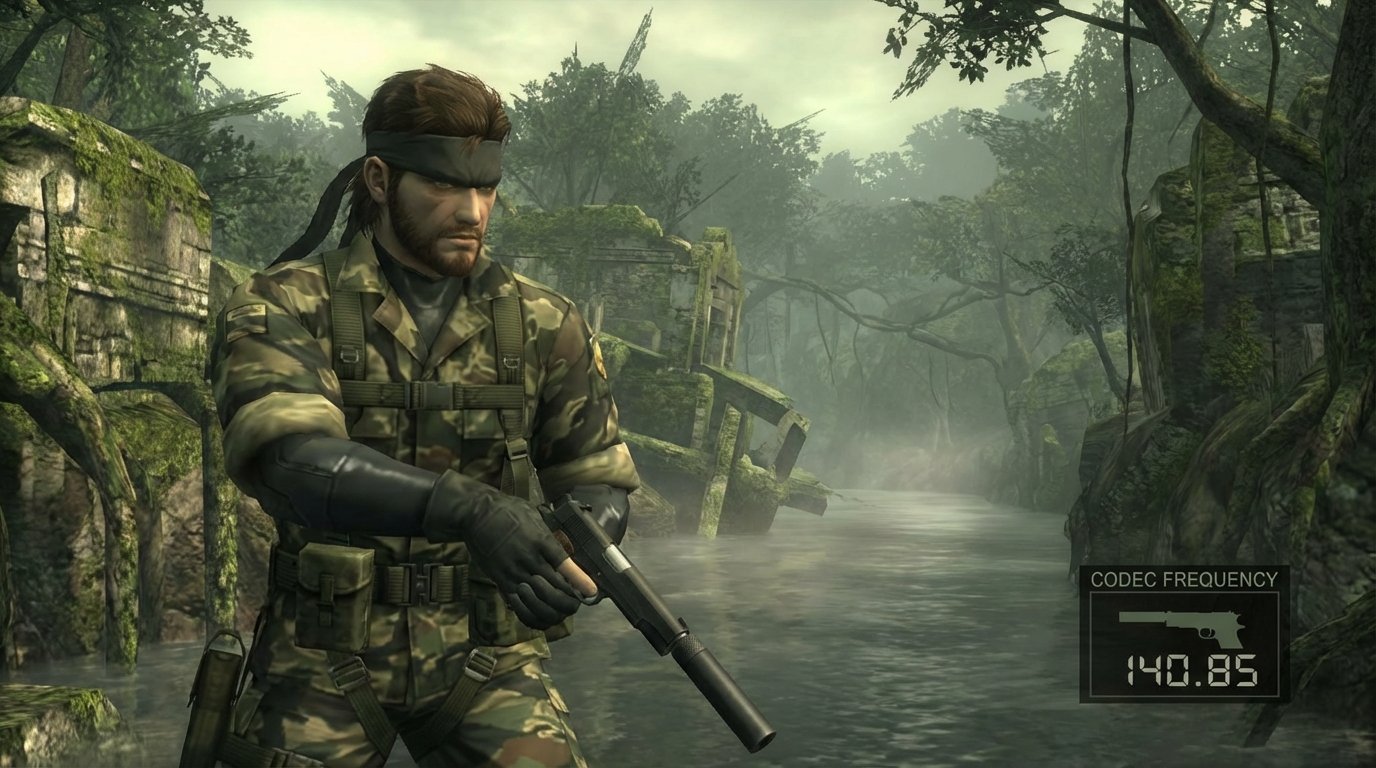
Hideo Kojima’s Metal Gear Solid 3: Snake Eater brought espionage storytelling to new heights. Set during the Cold War, players follow Naked Snake (later Big Boss) as he infiltrates Soviet territory to stop a nuclear threat and confront his mentor, The Boss. The narrative expertly blended political intrigue, personal drama, and philosophy, culminating in one of gaming’s most powerful finales.
The emotional weight of Snake’s mission, his relationships, and the gut-wrenching choices he faced gave the series new depth. MGS3’s story remains a textbook example of how games can rival movies in storytelling.
Gameplay
MGS3 revolutionized stealth gameplay, trading urban environments for dense jungles. Players had to manage camouflage, stamina, and survival, using the environment to outwit enemies. The game introduced close-quarters combat (CQC), allowing for more dynamic encounters.
Boss fights were legendary, from the sniper duel with The End to the heart-pounding finale with The Boss. Every system was meticulously designed to immerse players in the world of espionage and survival.
Why it’s on this list
MGS3 belongs here for its storytelling ambition and for setting a new bar in stealth-action design. It remains the series’ high point for many fans and has influenced countless games in its wake.
Graphics and Sound
Kojima Productions squeezed every ounce of power from the PS2, delivering lush jungle environments, expressive character models, and stunning cutscenes. The soundtrack, featuring the iconic “Snake Eater” theme, added cinematic flair to every moment.
Legacy and Reception
MGS3 is widely regarded as one of the best games of all time. Its impact on stealth mechanics, cinematic storytelling, and even multiplayer design is still felt in 2026. Remakes and reimaginings continue to keep its legacy alive for new generations.
God of War II
Story
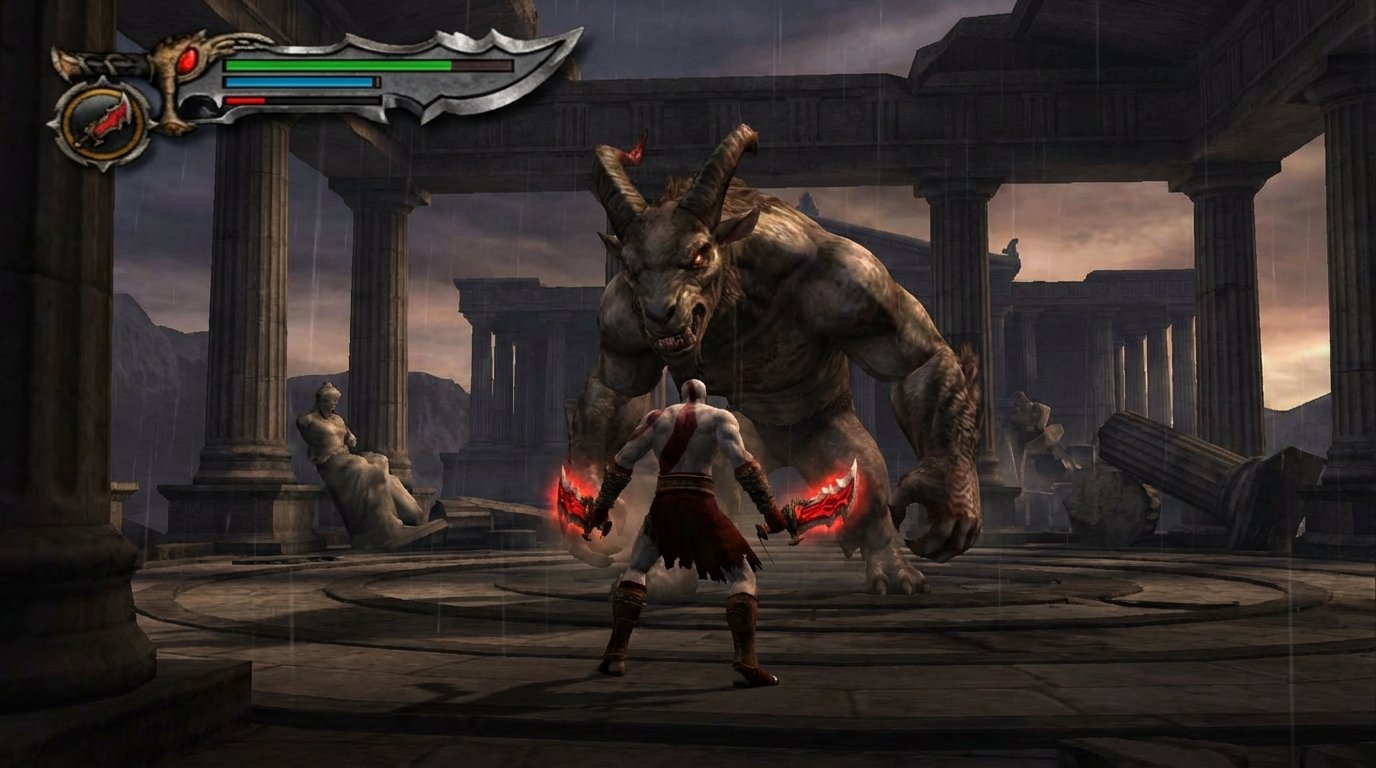
Kratos’ rampage continued in God of War II, taking the brutal, mythological saga to new heights. Picking up after the original, Kratos finds himself betrayed by Zeus and stripped of his godly powers. What follows is a quest for vengeance that takes him across the Greek pantheon, facing gods, monsters, and fate itself.
The story doubled down on epic set pieces and emotional intensity, blending Greek tragedy with blockbuster action. Kratos’ journey was one of rage, redemption, and the relentless pursuit of power.
Gameplay
God of War II refined the series’ hack-and-slash formula, introducing new weapons, magic abilities, and even larger bosses. The combat was fast, fluid, and satisfyingly brutal, with combos and executions that felt weighty and impactful.
Platforming and puzzles broke up the action, while the game’s pacing kept adrenaline high from start to finish. Each boss fight was a spectacle, pushing players to master every tool at their disposal.
Why it’s on this list
God of War II is here for perfecting the action-adventure genre on PS2. It set a new benchmark for cinematic presentation, pacing, and boss design—all elements that still influence games today.
Graphics and Sound
Stunning visuals for the time, with massive environments and intricate character models, brought ancient Greece to life. The orchestral score was bombastic and memorable, heightening every battle and dramatic moment.
Legacy and Reception
God of War II was praised for improving on its predecessor in every way. It’s often cited as one of the finest action games ever and paved the way for the franchise’s evolution on later PlayStations. Kratos’ legend still looms large in 2026.
Final Fantasy X
Story
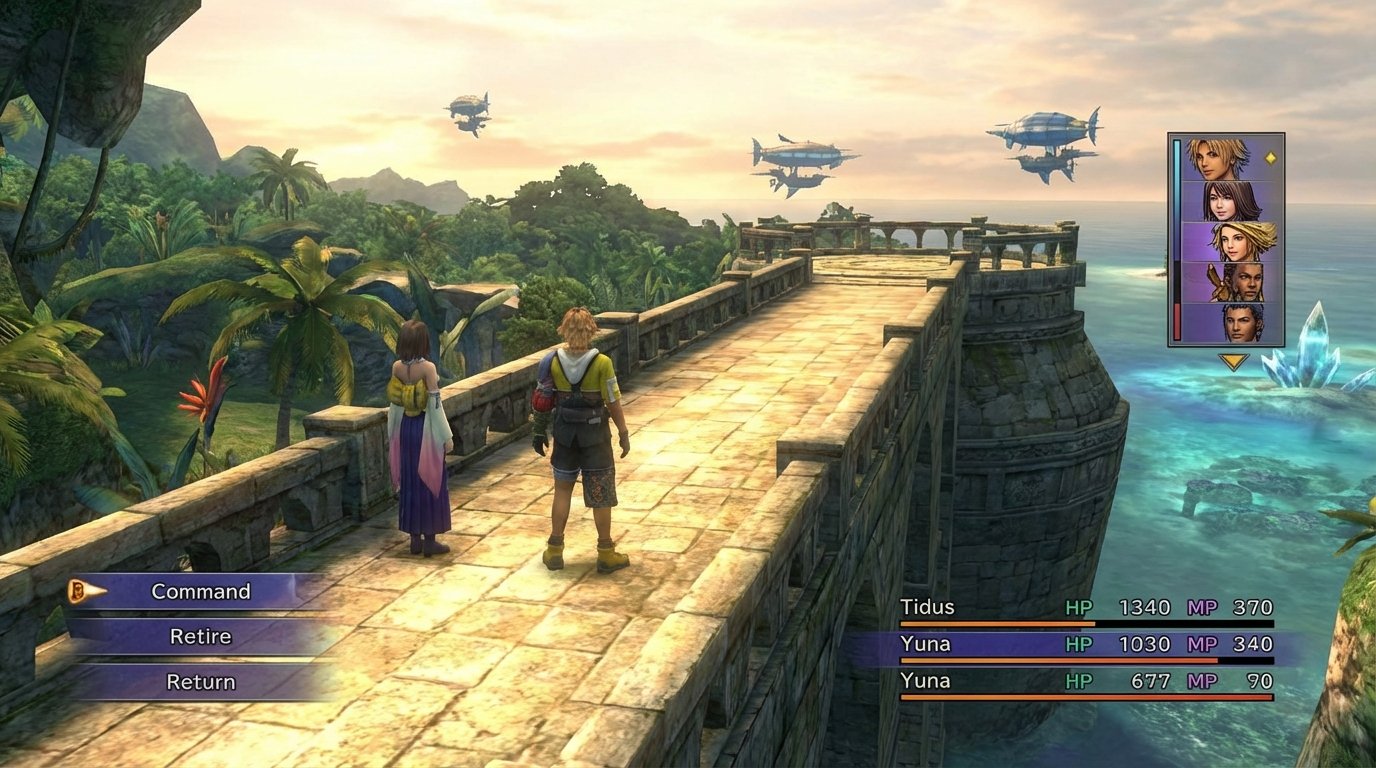
Square Enix’s Final Fantasy X took players to Spira, a world beset by the monstrous Sin. The story follows Tidus, a star athlete mysteriously transported to Spira, and Yuna, a summoner destined to defeat Sin through a ritual that could cost her life. Their journey is filled with emotional highs and lows, romance, sacrifice, and unforgettable twists.
The game’s narrative was a leap forward for JRPGs, blending cinematic cutscenes with deep character development and a story that tackled themes of faith, fate, and personal growth.
Gameplay
Final Fantasy X introduced the Conditional Turn-Based Battle system, allowing for strategic switching between party members on the fly. The Sphere Grid provided a fresh take on character progression, offering customization and replayability.
Side quests, mini-games like Blitzball, and secret Aeons kept players engaged for hours. The world was vibrant, and every corner held new secrets to discover.
Why it’s on this list
Final Fantasy X is on this list for redefining what a JRPG could be, both in narrative ambition and gameplay innovation. It brought the series into the 21st century and remains a beloved entry for millions.
Graphics and Sound
The first Final Fantasy on PS2, FFX wowed with fully 3D environments and expressive facial animations. Nobuo Uematsu’s score remains one of the most iconic in gaming, with tracks like “To Zanarkand” still sending chills down spines in 2026.
Legacy and Reception
FFX was a massive critical and commercial success, spawning sequels and HD remasters. Its influence endures in modern RPGs, and it’s still a go-to recommendation for anyone looking to experience the best the genre has to offer.
Kingdom Hearts
Platform | PlayStation 2 |
|---|---|
Publisher | Square Enix |
Genre | Action RPG |
Release Date | 03/28/2002 |
Story
When Square Enix and Disney teamed up for Kingdom Hearts, few could have predicted the phenomenon it would become. The game follows Sora, Donald, and Goofy as they travel through a multiverse of Disney worlds to battle the Heartless and search for Sora’s friends. The story blended whimsy, darkness, and coming-of-age themes, creating a unique blend of Disney magic and JRPG drama.
The narrative’s mix of crossover fun and emotional stakes made it accessible to newcomers and deeply rewarding for longtime fans of both Square and Disney.
Gameplay
Kingdom Hearts delivered fast-paced, real-time combat, letting players wield the iconic Keyblade and summon Disney characters for special attacks. Exploration was a joy, with each world offering unique mechanics, secrets, and bosses.
RPG elements like abilities, magic, and party customization made battles strategic, while mini-games and collectibles offered plenty of reasons to revisit each world.
Why it’s on this list
Kingdom Hearts is here for capturing the imagination of a generation. Its wild crossover concept and heartfelt story proved that games could be both fun and deeply meaningful.
Graphics and Sound
The vibrant visuals brought beloved Disney characters and worlds to life in a way never seen before. Yoko Shimomura’s soundtrack, especially “Simple and Clean,” became instantly iconic and remains a fan favorite to this day.
Legacy and Reception
Kingdom Hearts spawned a sprawling franchise and remains one of Square Enix’s crown jewels. Its blend of nostalgia, innovation, and heart is still inspiring games in 2026, and fans continue to hope for more magical adventures.
Jak and Daxter: The Precursor Legacy
Platform | PlayStation 2 |
|---|---|
Publisher | Sony Computer Entertainment |
Genre | Platformer |
Release Date | 12/03/2001 |
Story
Naughty Dog’s Jak and Daxter: The Precursor Legacy introduced players to a colorful, seamless world filled with ancient mysteries and lighthearted humor. The story follows Jak and his wisecracking friend Daxter as they set out to reverse Daxter’s accidental transformation into an ottsel, encountering ancient technology and sinister villains along the way.
The narrative was charming and accessible, blending action, comedy, and a sense of adventure that appealed to gamers of all ages.
Gameplay
Jak and Daxter set a new standard for 3D platformers. Its seamless open world—no load screens between areas—was revolutionary at the time. The game mixed platforming, combat, and exploration with a variety of vehicles and collectibles.
Tight controls, clever level design, and a steady stream of new mechanics kept the gameplay fresh from start to finish. The focus on exploration and discovery made every nook and cranny worth investigating.
Why it’s on this list
Jak and Daxter is here for pioneering seamless open-world platforming on PS2. It inspired countless games and helped cement Naughty Dog as one of the industry’s top studios.
Graphics and Sound
With vibrant, cartoonish visuals and expressive animations, Jak and Daxter looked stunning in its day. The dynamic soundtrack and playful sound effects perfectly matched the game’s whimsical tone.
Legacy and Reception
The game received universal acclaim and kick-started a beloved franchise. Its DNA is still present in Naughty Dog’s later successes, and its influence on platformers is undeniable in 2026.
Devil May Cry 3: Dante’s Awakening
Story
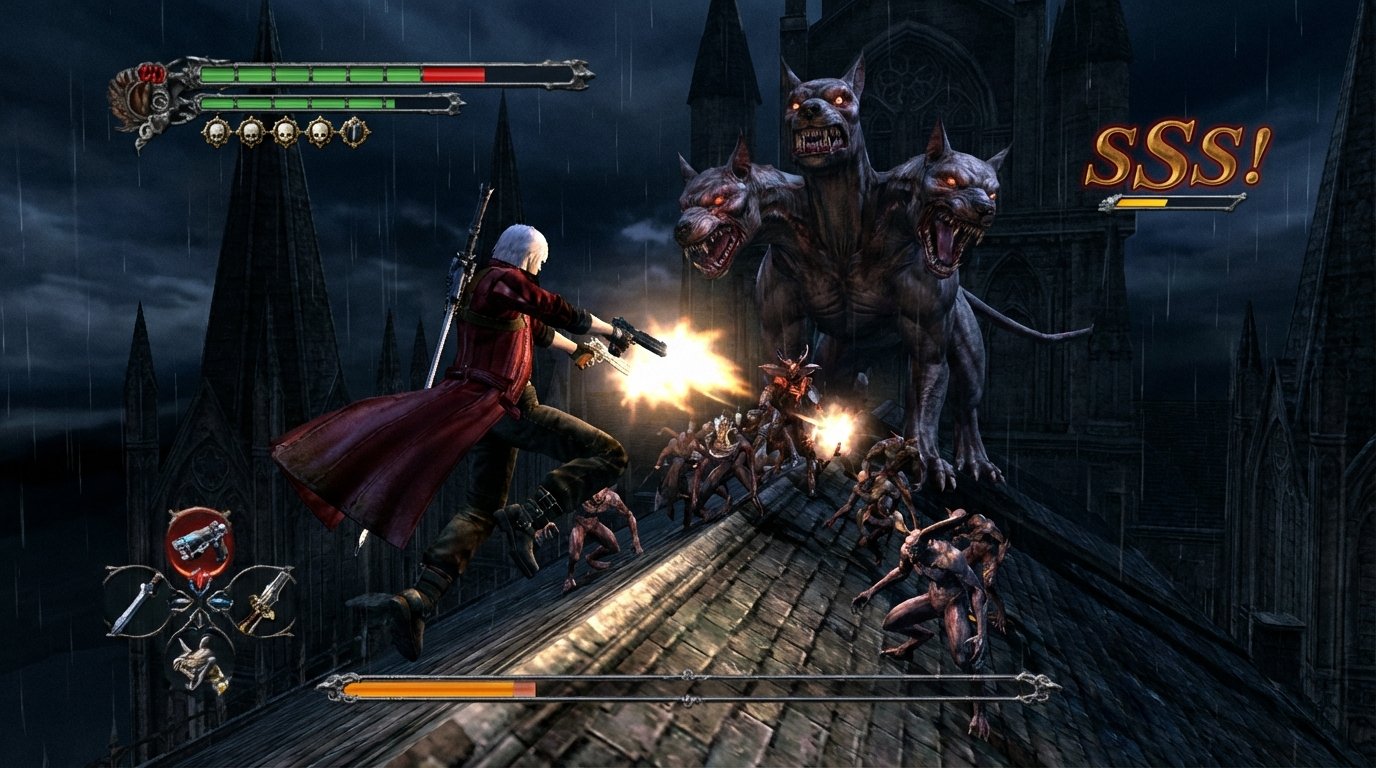
Devil May Cry 3: Dante’s Awakening delivered the origin story of Dante, the demon hunter, as he battles his twin brother Vergil and faces his own destiny. The narrative was a stylish, over-the-top tale of family, rivalry, and redemption, filled with memorable one-liners and epic showdowns.
The story’s blend of camp, action, and surprising depth gave the series a new level of narrative ambition, making Dante one of gaming’s most iconic antiheroes.
Gameplay
DMC3 refined the series’ high-octane combat, introducing style-switching mechanics that let players swap between different fighting styles on the fly. The result was a fluid, skill-based system that rewarded mastery and creativity.
Tough-as-nails difficulty, varied enemy types, and some of the best boss fights in action gaming kept players coming back for more. Mastering combos and perfecting ranks became a badge of honor among fans.
Why it’s on this list
DMC3 is included for redefining the action genre’s approach to combat depth and challenge. Its influence can still be seen in modern hack-and-slash games everywhere.
Graphics and Sound
The game’s gothic visuals, flashy effects, and over-the-top animations made every battle a feast for the eyes. The heavy metal-inspired soundtrack pumped up the adrenaline, while sharp voice acting brought the characters to life.
Legacy and Reception
Devil May Cry 3 is widely considered the best in the series and a high point for action games on PS2. Its systems are still studied and emulated, making it a cornerstone of the genre in 2026.
Demon’s Souls (PS5)
Story
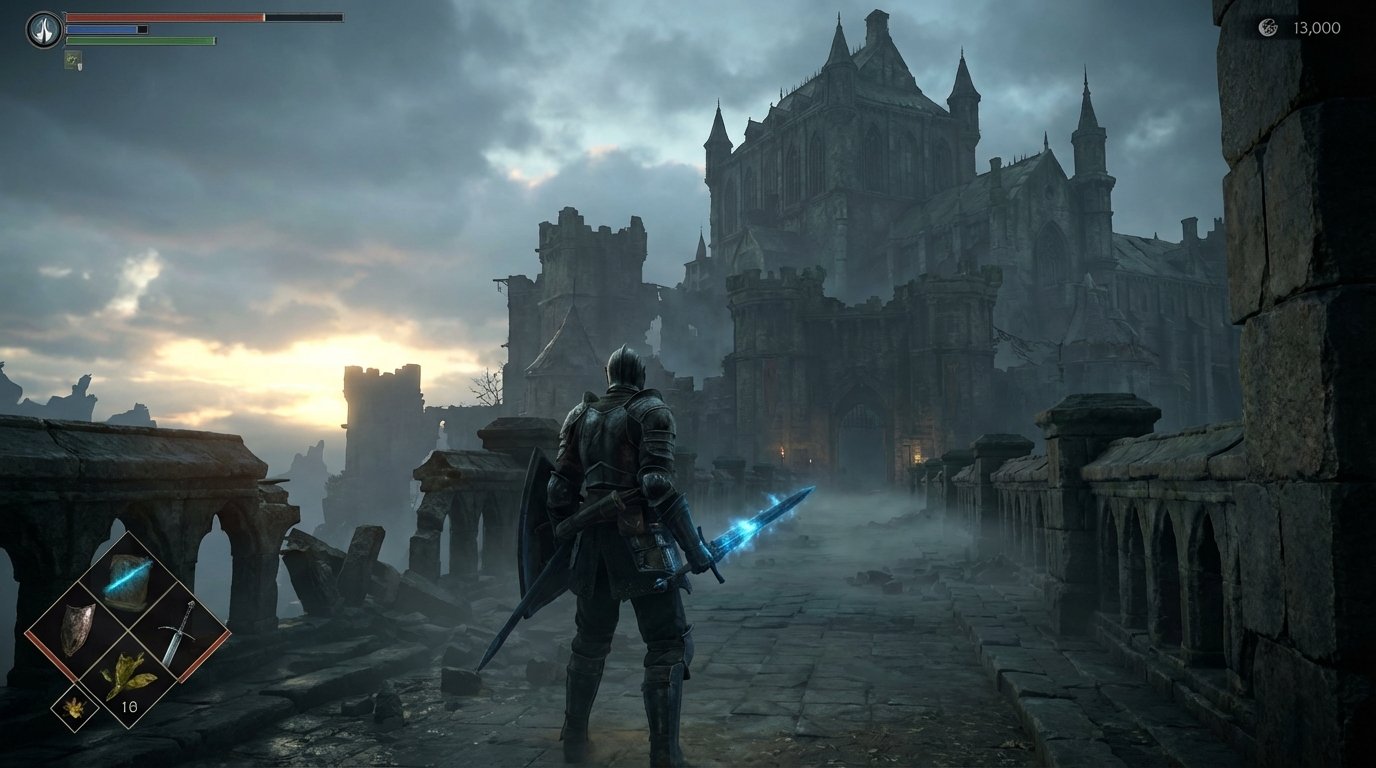
The PS5 launch lineup set the tone for a new era, and Bluepoint Games’ stunning remake of Demon’s Souls was at the forefront. Set in the cursed kingdom of Boletaria, players take on the role of a lone warrior tasked with slaying powerful demons and ending the spread of soul-devouring fog.
The story, told largely through atmosphere and cryptic NPCs, created a sense of mystery and foreboding. Each area hinted at a fallen civilization, and every boss encounter felt like a piece of a larger, tragic puzzle.
Gameplay
Demon’s Souls delivered punishing, precise combat that demanded patience, strategy, and skill. The game’s world tendency system, intricate level design, and risk-reward mechanics set the template for the entire Soulsborne genre.
On PS5, the remake’s ultra-fast load times and smooth controls made the punishing challenge more approachable, while the addition of quality-of-life features helped new players discover its brutal beauty.
Why it’s on this list
Demon’s Souls is included for showcasing the power of PS5 at launch and for being the blueprint for a genre that continues to dominate gaming in 2026. Its influence is everywhere, from indie hits to AAA blockbusters.
Graphics and Sound
The PS5 remake set a new bar for visual fidelity, with jaw-dropping textures, lighting, and animation. The audio design, from the chilling soundtrack to the immersive sound effects, brought Boletaria to life like never before.
Legacy and Reception
Demon’s Souls was hailed as the definitive way to experience a classic. It revitalized interest in the Souls genre and proved that remakes could be just as impactful as originals. Its legacy is still growing in 2026.
Ratchet & Clank: Rift Apart
Story
Ratchet & Clank: Rift Apart thrust the iconic duo into a multiverse adventure, introducing new characters like Rivet and a fresh threat to the fabric of reality. The story blended humor, heart, and sci-fi spectacle, delivering the most ambitious narrative in the series’ history.
The plot was accessible for newcomers but packed with callbacks for longtime fans. Themes of identity, belonging, and hope resonated, making it more than just another wacky romp.
Gameplay
Rift Apart was a technical showcase, using the PS5’s SSD to enable instant dimension-hopping. Platforming, shooting, and exploration were tighter and more creative than ever, thanks to inventive new weapons and gadgets.
The addition of playable Rivet and new traversal mechanics kept the action fresh. The game’s pacing, variety, and spectacular set pieces made every moment memorable.
Why it’s on this list
Rift Apart is here as the ultimate demonstration of PS5’s next-gen potential. It pushed the boundaries of what platformers could do and helped define the early years of the console.
Graphics and Sound
Rift Apart stunned with Pixar-level visuals, real-time ray tracing, and dazzling particle effects. The soundtrack was lively and cinematic, and the voice acting brought every character to life.
Legacy and Reception
Praised as one of the best PS5 exclusives, Rift Apart set a high bar for technical achievement and pure fun. Its impact is still felt, inspiring developers to harness the full power of new hardware in 2026.
Returnal
Story
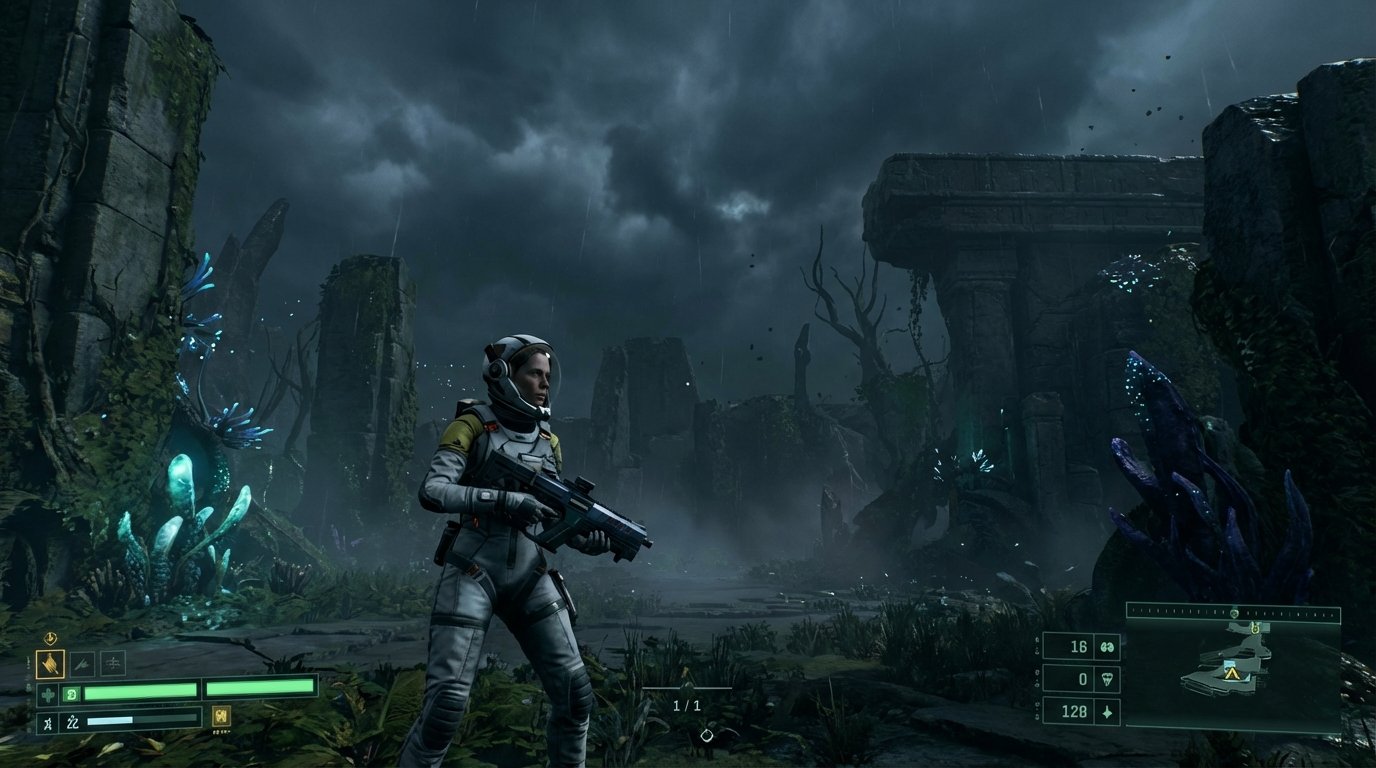
Housemarque’s Returnal launched players into a looping sci-fi nightmare as Selene, a space pilot trapped on the alien planet Atropos. The story unfolded through cryptic messages, environmental storytelling, and psychological horror, as Selene struggled to break free from her endless cycle of death and rebirth.
The narrative’s mysterious, fragmented approach kept players guessing, blending cosmic horror with personal trauma for a uniquely unsettling experience.
Gameplay
Returnal blended fast-paced third-person shooting with roguelike mechanics, challenging players to adapt and learn with every cycle. Procedurally generated environments and ever-changing enemy patterns ensured no two runs were the same.
The tight, responsive controls and creative arsenal of weapons and gadgets made every encounter intense. The game’s use of the DualSense controller’s haptics and 3D audio heightened immersion, making each run visceral and addictive.
Why it’s on this list
Returnal is on this list for redefining the roguelike genre on consoles and for showcasing the unique capabilities of PS5 hardware. It proved that risk-taking, innovative design could succeed on the big stage.
Graphics and Sound
Atmospheric visuals, haunting creature designs, and stunning particle effects created a world that was both beautiful and terrifying. The adaptive soundtrack and immersive sound design kept tension high throughout every run.
Legacy and Reception
Returnal was hailed as a breakout hit and a technical marvel. Its blend of challenge, replayability, and narrative innovation continues to inspire developers in 2026, cementing its place in the roguelike hall of fame.
Marvel’s Spider-Man: Miles Morales
Story
Insomniac’s follow-up to Marvel’s Spider-Man put players in the shoes of Miles Morales as he steps up to defend Harlem and all of New York during Peter Parker’s absence. The story explored themes of responsibility, community, and identity, as Miles embraced his role as the city’s new Spider-Man.
The game delivered a heartfelt, coming-of-age narrative, with memorable characters and powerful moments that resonated with fans of all ages.
Gameplay
Miles Morales built on the foundation of its predecessor, delivering even smoother web-swinging, more dynamic combat, and unique new powers like invisibility and bio-electric “Venom” attacks. Side activities, collectibles, and challenges made exploring the city a blast.
The game was a showcase for PS5’s hardware, with near-instant load times, ray-traced reflections, and buttery-smooth performance. Every swing through Manhattan felt exhilarating.
Why it’s on this list
Miles Morales is included for capturing the spirit of superhero games and for representing a new era of inclusive, emotionally resonant storytelling. It became a must-play for PS5 owners and set a new standard for the genre.
Graphics and Sound
Stunning character models, lifelike cityscapes, and next-gen lighting made New York look better than ever. The vibrant soundtrack, blending hip-hop and orchestral themes, perfectly matched Miles’ energy and personality.
Legacy and Reception
The game was a critical and commercial success, cementing Insomniac as a powerhouse studio. Its influence is still seen in superhero and open-world games in 2026, and Miles Morales remains a fan favorite.
Horizon Forbidden West
Story
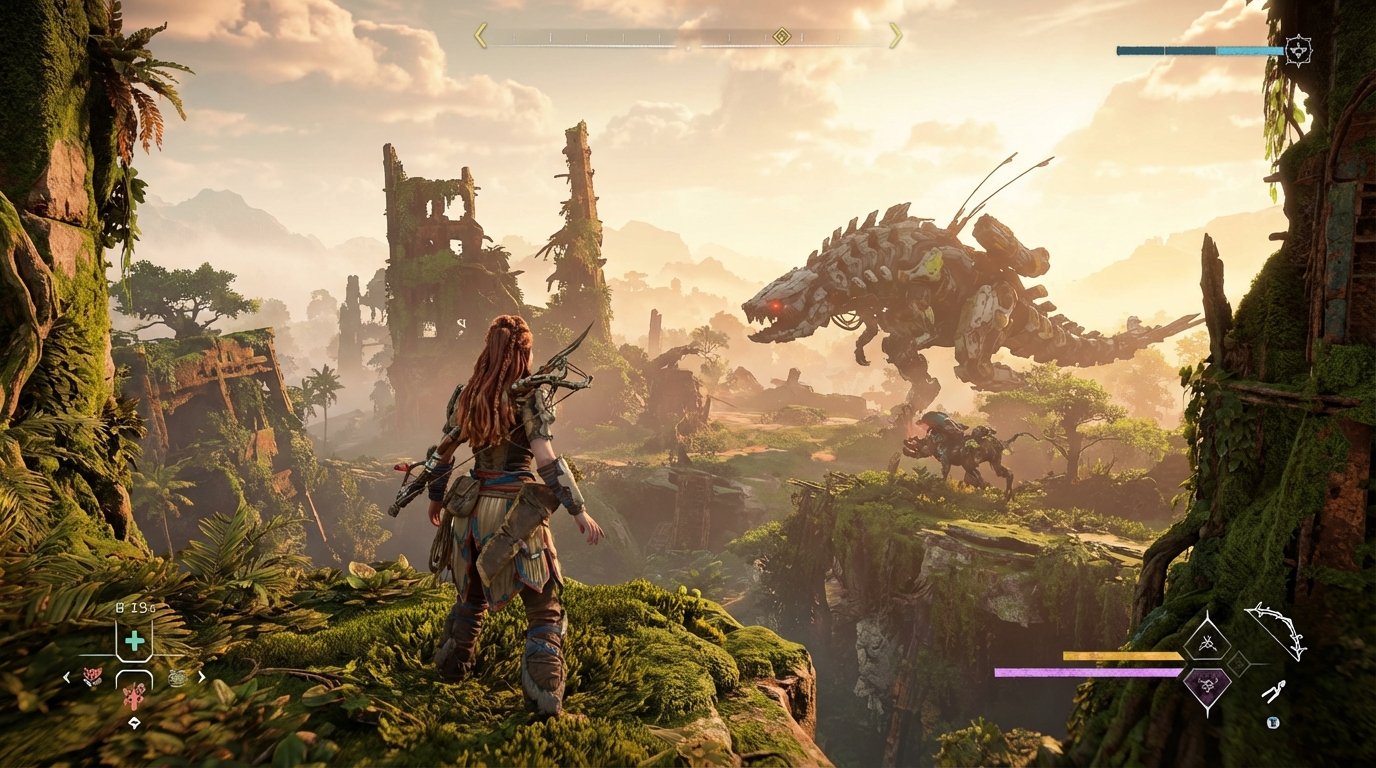
Aloy’s journey continued in Horizon Forbidden West, expanding on the mysteries of a world reclaimed by machines. Traveling to the uncharted lands of the Forbidden West, Aloy faced new tribes, environments, and deadly mechanical threats, all while uncovering secrets about humanity’s past and the fate of the world.
The narrative delivered jaw-dropping twists, deep world-building, and a protagonist who quickly became one of gaming’s most beloved heroines.
Gameplay
Forbidden West built on its predecessor’s foundation, offering even larger environments, more varied biomes, and new underwater exploration. Combat was deeper and more tactical, with a greater variety of weapons, tools, and machines to battle.
Side quests, open-world activities, and stunning set pieces kept players engaged for dozens of hours. The game’s RPG elements and customization options made every playthrough unique.
Why it’s on this list
Forbidden West makes the cut for setting a new bar in open-world design and for pushing the technical and narrative boundaries of what a PS5 adventure game could be.
Graphics and Sound
The visuals were breathtaking, with lush environments, realistic weather, and lifelike characters. The soundtrack and sound design created an immersive, cinematic experience that drew players deeper into Aloy’s world.
Legacy and Reception
Praised for its ambition and polish, Forbidden West became a touchstone for both open-world and female-led games. In 2026, its impact is still seen in the genre’s biggest titles.
Resident Evil Village
Story
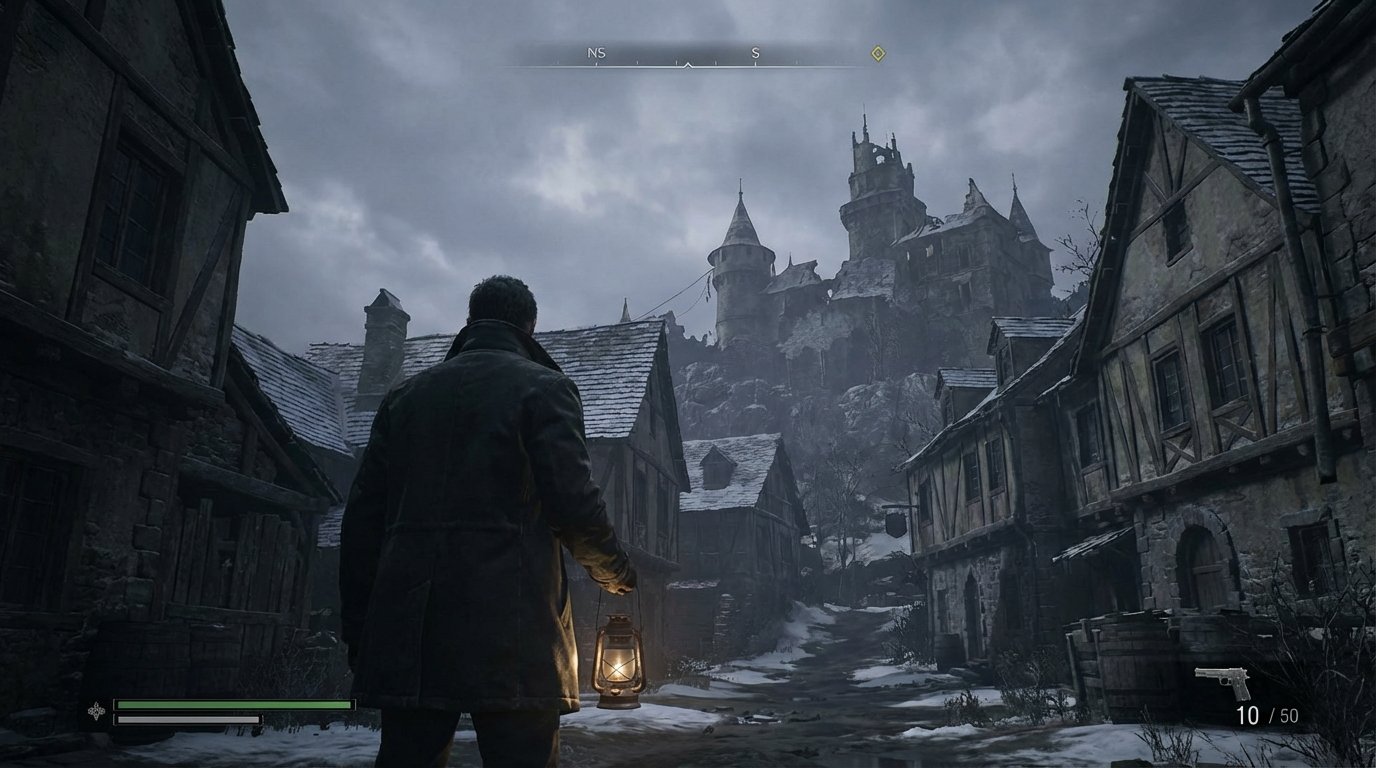
Resident Evil Village continued Capcom’s horror renaissance, following Ethan Winters as he searched for his kidnapped daughter in a mysterious, monster-infested village. The story blended gothic horror, folklore, and high-stakes drama, introducing iconic characters like Lady Dimitrescu and the Four Lords.
The narrative kept players on edge with shocking twists and unrelenting suspense, seamlessly connecting to the broader Resident Evil mythos.
Gameplay
Village mixed survival horror, action, and exploration, delivering tense encounters, resource management, and memorable boss fights. The game’s first-person perspective and atmospheric environments ramped up the terror.
Puzzles, secrets, and a variety of weapons kept gameplay fresh, while the PS5’s hardware enabled faster load times and richer environments. The game’s pacing—switching from creeping dread to explosive action—kept adrenaline high.
Why it’s on this list
Village is included for reinvigorating the survival horror genre and proving that old franchises can still innovate and thrill on new hardware.
Graphics and Sound
Photorealistic visuals, detailed environments, and lifelike character models made the horror feel real. The chilling soundtrack and 3D audio ensured every creak and growl sent shivers down players’ spines.
Legacy and Reception
Resident Evil Village was a critical and commercial hit, praised for its balance of horror and action. Its influence is still felt in horror games in 2026, and the franchise remains as relevant as ever.
Elden Ring
Story
FromSoftware’s Elden Ring shattered expectations, delivering a massive open world filled with danger, mystery, and lore crafted by Hidetaka Miyazaki and George R. R. Martin. Players became Tarnished, venturing into the Lands Between to claim the title of Elden Lord and unravel the secrets of a fractured world.
The story was layered and cryptic, encouraging exploration and discovery. Every NPC, location, and boss hinted at a deeper narrative, inviting players to piece together the epic tale.
Gameplay
Elden Ring combined the punishing combat of Dark Souls with true open-world freedom. Players explored vast landscapes on horseback, tackled dungeons in any order, and experimented with a dizzying array of weapons, spells, and builds.
The game’s sense of discovery, challenging bosses, and interconnected world design set a new bar for action-RPGs. Cooperative and competitive multiplayer added even more depth and replayability.
Why it’s on this list
Elden Ring is here for redefining open-world and action-RPG design. Its influence is everywhere in 2026, inspiring developers and captivating players with its blend of challenge and freedom.
Graphics and Sound
Stunning art direction, haunting environments, and epic creature designs created a world that was both beautiful and terrifying. The orchestral score and atmospheric sound effects heightened every moment of danger and wonder.
Legacy and Reception
Elden Ring became a cultural phenomenon, winning countless Game of the Year awards and selling millions of copies. Its legacy is still growing, and its design philosophies continue to shape the industry in 2026.
As we look back on these 15 games, it’s impossible not to see the threads that connect the past to the present. The PS2’s golden era gave us genre-defining classics that laid the groundwork for everything we love about modern gaming. The PS5, in turn, has continued to push boundaries, delivering technical marvels and experiences that were once unimaginable.
In 2026, as whispers of the next PlayStation generation grow louder, these games remind us why PlayStation is more than just a brand—it’s a legacy. The innovations, risks, and unforgettable moments found in these titles don’t just define generations; they inspire the industry’s future. Whether you were there for the birth of San Andreas or the rise of Elden Ring, one thing is clear: the next chapter can’t come soon enough.