
When Capcom first released Dragon’s Dogma in 2012, it carved out a cult following with its ambitious open-world design, dynamic combat, and unique Pawn system. Over a decade later, Dragon’s Dogma 2 arrives in a vastly different gaming landscape, one where the bar for fantasy RPGs has been raised by titans like Elden Ring and Baldur’s Gate 3. Expectations for Capcom’s long-awaited sequel were sky-high, fueled by years of speculation, anticipation, and the enduring love of fans who hoped the series would finally break into the mainstream. Now, in 2026, Dragon’s Dogma 2 not only answers that call—it surpasses it.
Capcom’s return to Gransys is both a love letter to the original and a bold leap forward, blending familiar mechanics with a suite of fresh innovations that make the world feel alive, unpredictable, and endlessly rewarding. The sequel doesn’t just iterate—it reimagines, delivering an experience that feels both deeply nostalgic and thoroughly modern. For veterans and newcomers alike, Dragon’s Dogma 2 is an invitation to lose yourself in a sprawling, dangerous world where your choices matter and adventure lurks around every corner.
What sets Dragon’s Dogma 2 apart in 2026 is not just its technical achievements or visual fidelity, but its commitment to player agency and emergent gameplay. In an era where many open-world titles risk feeling formulaic, Capcom’s sequel brims with surprises and systems that interact in unpredictable ways. The result is a fantasy RPG that feels as exhilarating and mysterious as the classics, yet unmistakably contemporary in its ambition and execution.
Gameplay: Adventure Unleashed
<img src="https://pressstartgaming.com/images/nano_banana_69caaa3a37fa6.jpg" alt="Dragon’s Dogma 2 Review: Capcom’s Fantasy Sequel Surpasses Expectations gameplay moment” loading=”lazy” />
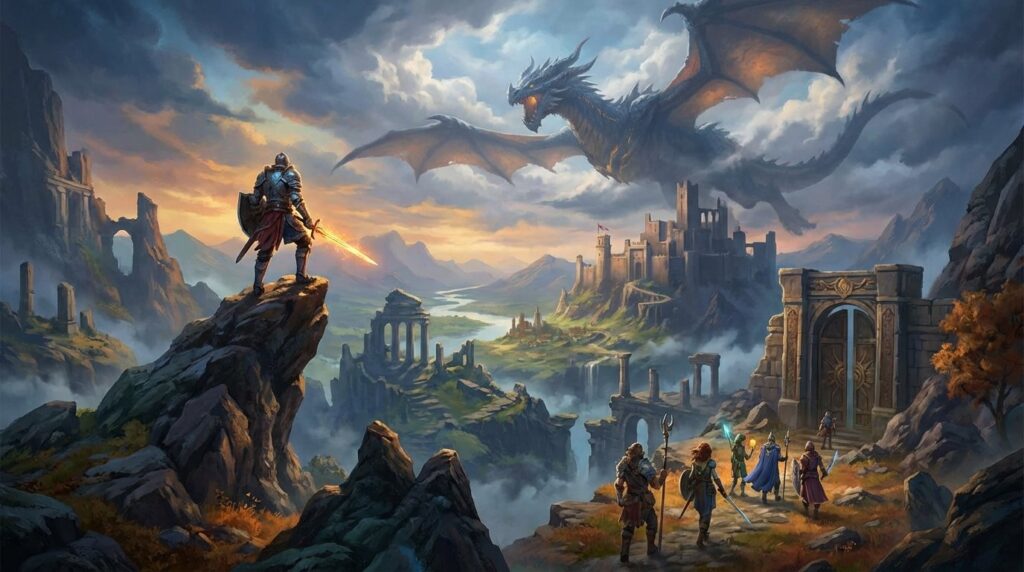
Dragon’s Dogma 2 builds on the foundation of its predecessor, delivering visceral, kinetic combat that stands shoulder-to-shoulder with the genre’s best. Every encounter is a dance of timing, positioning, and adaptation, whether you’re scaling a towering cyclops or deftly dodging a chimera’s venomous strike. The game’s signature Pawn system returns, allowing players to recruit AI-controlled companions that learn from your actions and the world around them, creating a sense of camaraderie and unpredictability that few RPGs can match.
Exploration is at the heart of the experience. The world is vast, teeming with secrets, dangers, and opportunities for discovery. Unlike many open-world games that mark every point of interest on the map, Dragon’s Dogma 2 rewards curiosity and observation. Hidden dungeons, wandering monsters, and dynamic world events ensure that no two journeys are ever quite the same. It’s a playground for adventurers, where risk and reward are always in tension.
Core Mechanics
At its core, Dragon’s Dogma 2 maintains the robust vocation system that made the original such a standout. Players choose from a variety of classes, each with distinct skills, weapons, and playstyles. Whether you prefer the brute strength of the Fighter, the nimble precision of the Strider, or the arcane might of the Sorcerer, the game encourages experimentation. Switching vocations mid-game is seamless, allowing players to adapt to new challenges or simply try something new without penalty.
The Pawn system remains one of the game’s most innovative features. Your main Pawn acts as a persistent companion, growing alongside you and adopting strategies based on your behavior. Meanwhile, two additional Pawns can be recruited from other players’ worlds, bringing with them knowledge of quests, monsters, and hidden treasures. This system fosters a sense of community even in solo play, as your Pawn ventures off to assist others and returns with new experiences and, occasionally, rare loot.
New Additions and Features
Dragon’s Dogma 2 doesn’t rest on its laurels; Capcom has introduced a slew of new features that elevate the formula. Chief among them is the expanded magic system, which now allows for spell customization and combination, opening up a wealth of strategic possibilities. Elemental interactions have been deepened, so casting a fireball in a dry forest might ignite the entire area, while a well-timed wind spell could snuff out torches and shroud your party in darkness.
The game also boasts a dynamic weather and day-night system that isn’t just cosmetic. Certain monsters prowl only after dusk, storms can alter the terrain, and visibility can dramatically impact combat and exploration. Capcom’s commitment to emergent gameplay is evident throughout, rewarding players who adapt to the ever-changing world. Additionally, the introduction of cooperative online events—where players across the world can band together to face massive threats—brings a new dimension to the adventure.
Single-Player Campaign
While multiplayer elements have expanded, Dragon’s Dogma 2 is still a fundamentally single-player experience at its core. The campaign is a sprawling, multi-threaded journey filled with memorable characters, moral dilemmas, and branching paths. Players are free to tackle main quests, side missions, and personal stories at their own pace, with meaningful consequences that ripple throughout the world. The feeling of agency is palpable, as choices affect not only the narrative, but also the fate of towns, NPCs, and even your Pawns.
Quest design is markedly improved over its predecessor, with less reliance on fetch quests and more emphasis on organic storytelling. Many missions unfold dynamically, responding to player actions and world events. A seemingly simple errand can spiral into a harrowing rescue or a political intrigue, depending on your approach. This unpredictability keeps the campaign fresh and engaging from start to finish, ensuring that replay value remains high.
Story and Setting
Dragon’s Dogma 2 crafts a world both familiar and new, returning to the mythical land of Gransys while expanding its borders and deepening its lore. The narrative is anchored by a personal quest for revenge and redemption, but it quickly blossoms into an epic tapestry of gods, dragons, and the cyclical nature of fate. Capcom’s writers have struck a delicate balance between high fantasy tropes and subversive storytelling, offering players both comfort and surprise.
The setting itself is a marvel of worldbuilding. From bustling cities and haunted forests to windswept mountain passes, every environment tells a story. The game’s factions are more nuanced this time around, each with their own agendas, philosophies, and internal politics. It’s easy to lose yourself in the smaller details—an overheard conversation, a cryptic inscription, a ruined shrine—each hinting at a deeper history waiting to be uncovered.
Level Design
Capcom’s approach to level design in Dragon’s Dogma 2 is refreshingly hands-off, trusting players to carve their own paths through the wilds. Environments are sprawling and interconnected, with multiple routes and hidden shortcuts that reward thorough exploration. The world feels dangerous and untamed, with few safe havens and plenty of ambushes awaiting the unwary. The verticality of the landscapes—cliffs, towers, and caves—encourages creative traversal and combat tactics.
Dungeons are a highlight, featuring intricate puzzles, environmental hazards, and multi-stage boss encounters that test both wits and reflexes. Many areas are designed to be revisited with new abilities or knowledge, echoing the best aspects of Metroidvania design. This layered approach makes every journey through Gransys feel meaningful, as earlier obstacles become opportunities for creative problem-solving later on.
Multiplayer and Online Experience
While Dragon’s Dogma 2 remains primarily a solo journey, Capcom has doubled down on asynchronous multiplayer features. The Pawn-sharing system is more robust than ever, allowing players to upload, rate, and hire Pawns from across the globe seamlessly. These borrowed companions bring a wealth of knowledge and can even relay warnings or tips about dangers ahead, adding a subtle but impactful layer of player-driven storytelling.
For those craving a more direct cooperative experience, the sequel introduces limited-time world events where players can temporarily team up to tackle colossal monsters or defend threatened towns. These battles inject bursts of communal excitement into the otherwise solitary adventure, with leaderboards and unique rewards for those who rise to the challenge. Importantly, these features are fully optional, ensuring that purists can still enjoy a classic single-player journey without interruption.
Graphics and Visuals
Dragon’s Dogma 2 is a visual feast, leveraging Capcom’s latest RE Engine to deliver breathtaking vistas, meticulously detailed character models, and dynamic lighting effects. The world feels alive in every sense—clouds drift across the sky, foliage sways in the wind, and monsters leave tangible marks on the environment during combat. Day-night cycles and weather effects are more than just visual flair, influencing gameplay and atmosphere in meaningful ways.
Character animations are fluid and expressive, adding weight and personality to every swing of a sword or cast of a spell. The creature design deserves special mention; from grotesque harpies to majestic dragons, every foe is rendered with a level of detail and animation rarely seen in open-world RPGs. On next-generation hardware and PC, Dragon’s Dogma 2 stands tall among the most technically accomplished games of 2026.
Soundtrack and Audio Design
The game’s soundtrack, composed by returning maestro Tadayoshi Makino and a team of new collaborators, is nothing short of spectacular. Sweeping orchestral themes underscore epic battles and quiet moments alike, while regional motifs give each area its own distinctive musical identity. The dynamic score adapts to the action, swelling during climactic showdowns and retreating into eerie minimalism during nighttime explorations.
Audio design is equally strong, with ambient sounds bringing Gransys to life. The distant howl of wolves, the crackle of a campfire, and the rumble of an approaching storm all contribute to a sense of immersion. Voice acting is significantly improved over the original, with nuanced performances that lend depth to both major characters and incidental NPCs. The result is a soundscape that draws you in and refuses to let go.
Conclusion: Should You Play It?
Dragon’s Dogma 2 is a triumph—a rare sequel that honors its roots while forging its own identity in a crowded genre. Capcom has delivered an RPG that is as bold and ambitious as anything on the market in 2026, blending cutting-edge mechanics with a spirit of adventure that’s all too rare. Whether you’re a longtime fan or a newcomer, the game offers a sprawling, unpredictable world that rewards curiosity, experimentation, and courage.
From its exhilarating combat and deep customization to its emergent multiplayer systems and breathtaking presentation, Dragon’s Dogma 2 sets a new standard for open-world fantasy. It’s a game that invites you to get lost, to take risks, and to write your own legend in the annals of Gransys. In a year brimming with memorable releases, Dragon’s Dogma 2 stands out as a must-play—an adventure that’s as unforgettable as the dragons you’ll face along the way.