
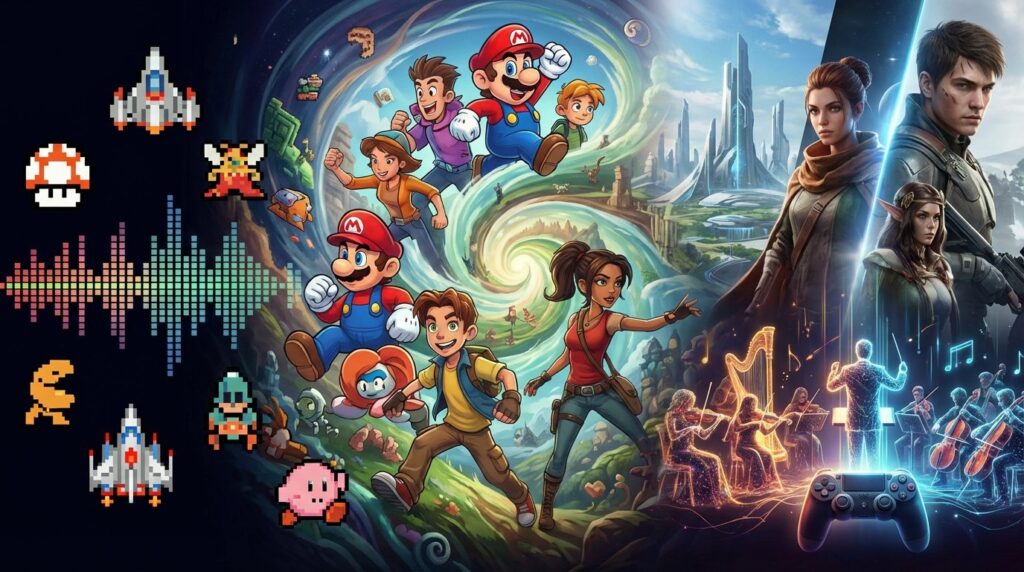
From the shrill beeps of 8-bit classics to the lush orchestrations that fill today’s blockbuster titles, video game soundtracks have shaped the way we play, feel, and remember games. Music in gaming is more than just background noise—it’s a powerful force that builds atmosphere, tells stories, and even defines entire generations of gamers. Whether you’re storming castles, exploring alien worlds, or living out a samurai epic, the right soundtrack makes every moment unforgettable.
As technology has evolved, so too has the art of video game music. What once required clever tricks to squeeze melody out of limited hardware now allows for sweeping scores composed by world-renowned musicians and performed by full orchestras. But influence isn’t just about technical wizardry; it’s about impact, innovation, and the indelible mark a soundtrack leaves on culture.
From the NES to the PS5 era of 2026, these twelve soundtracks didn’t just set new standards—they changed the game. Here are the 12 most influential video game soundtracks of all time, each a testament to the power of music in gaming.
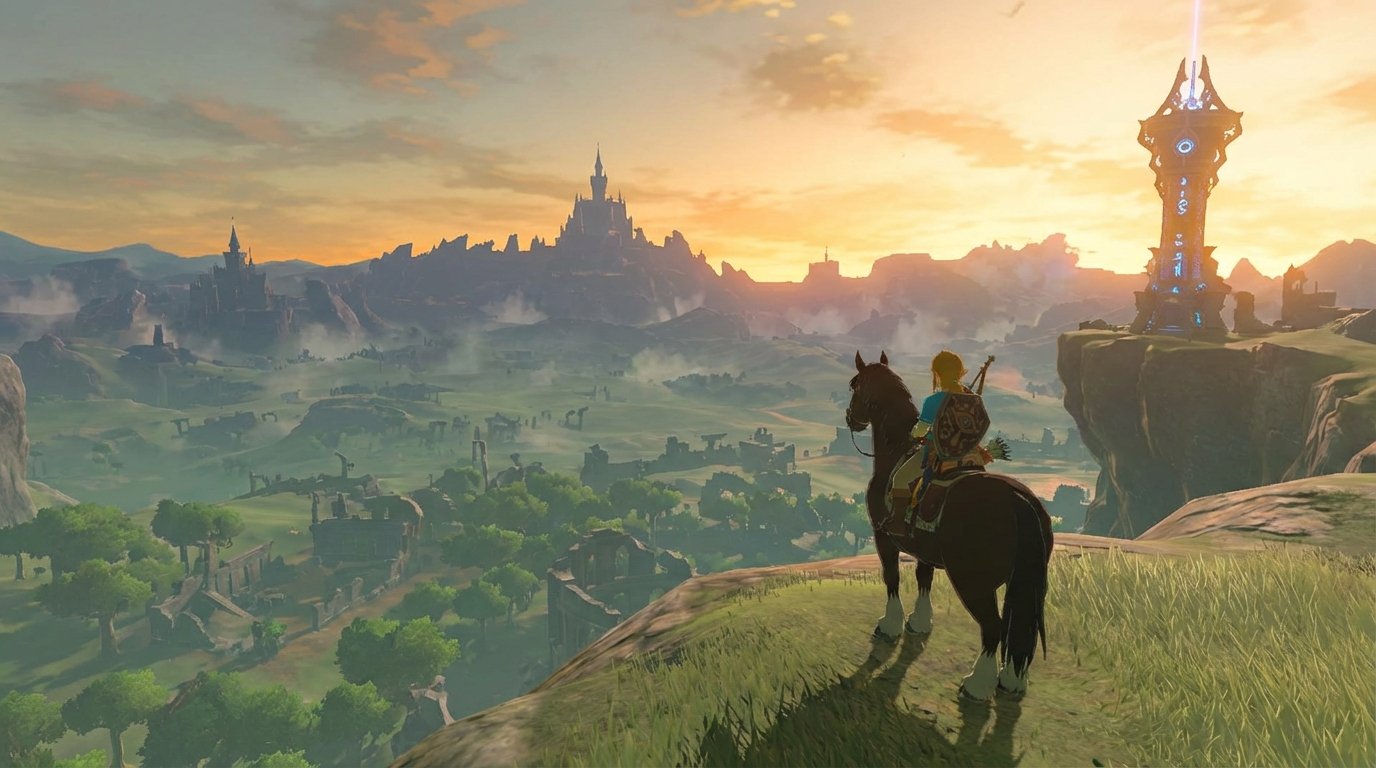
The Legend of Zelda
Platform | Nintendo Entertainment System |
|---|---|
Publisher | Nintendo |
Genre | Action-Adventure |
Release Date | 02/21/1986 |
Story
Nintendo’s iconic fantasy adventure first graced the Famicom Disk System and NES in 1986, plunging players into the magical land of Hyrule. You play as Link, a young hero tasked with rescuing Princess Zelda and vanquishing the evil Ganon. The story of courage, wisdom, and power has become a timeless legend, setting the stage for an entire franchise that would span decades.
At its core, The Legend of Zelda is a tale of exploration and heroism. The open-ended structure was groundbreaking at the time, letting players carve their own path through dungeons, secrets, and mysteries. This sense of wonder was amplified by its unforgettable musical score.
Gameplay
From the very first screen, The Legend of Zelda invites players to explore a vast, dangerous world. With minimal hand-holding, it rewards curiosity and perseverance, encouraging players to discover hidden items, secret passages, and challenging bosses. The top-down perspective, inventory management, and puzzle-solving mechanics set a template for countless adventures to follow.
Combat is simple yet satisfying, with swordplay, ranged weapons, and clever use of items. The thrill of uncovering new dungeons and unlocking new abilities fuels the experience, making every discovery feel hard-earned and meaningful.
Why it’s on this list
No discussion of influential video game soundtracks is complete without Koji Kondo’s legendary score for The Legend of Zelda. The instantly recognizable Overworld Theme is woven into the DNA of gaming itself, inspiring remixes, orchestral performances, and homages across the industry. Kondo’s melodic sensibility overcame the NES’s technical limitations, crafting tunes that are both catchy and deeply evocative.
Graphics and Sound
The graphics were charming but simple, with iconic sprites and tile-based environments. But it was the music that truly elevated the presentation. Each melody, from the triumphant main theme to the eerie dungeon tune, set the emotional tone for every area. The limited sound hardware was pushed to its absolute limits, creating a soundtrack that feels epic despite its humble origins.
Legacy and Reception
The Legend of Zelda’s music has become synonymous with adventure. Its themes have been performed by symphony orchestras worldwide, featured in commercials, and even sampled in pop culture. Critics and fans alike have praised its soundtrack as one of the most memorable in gaming history, cementing Koji Kondo as a titan of the industry. The impact of its music continues to be felt in every new Zelda release, more than 40 years later.
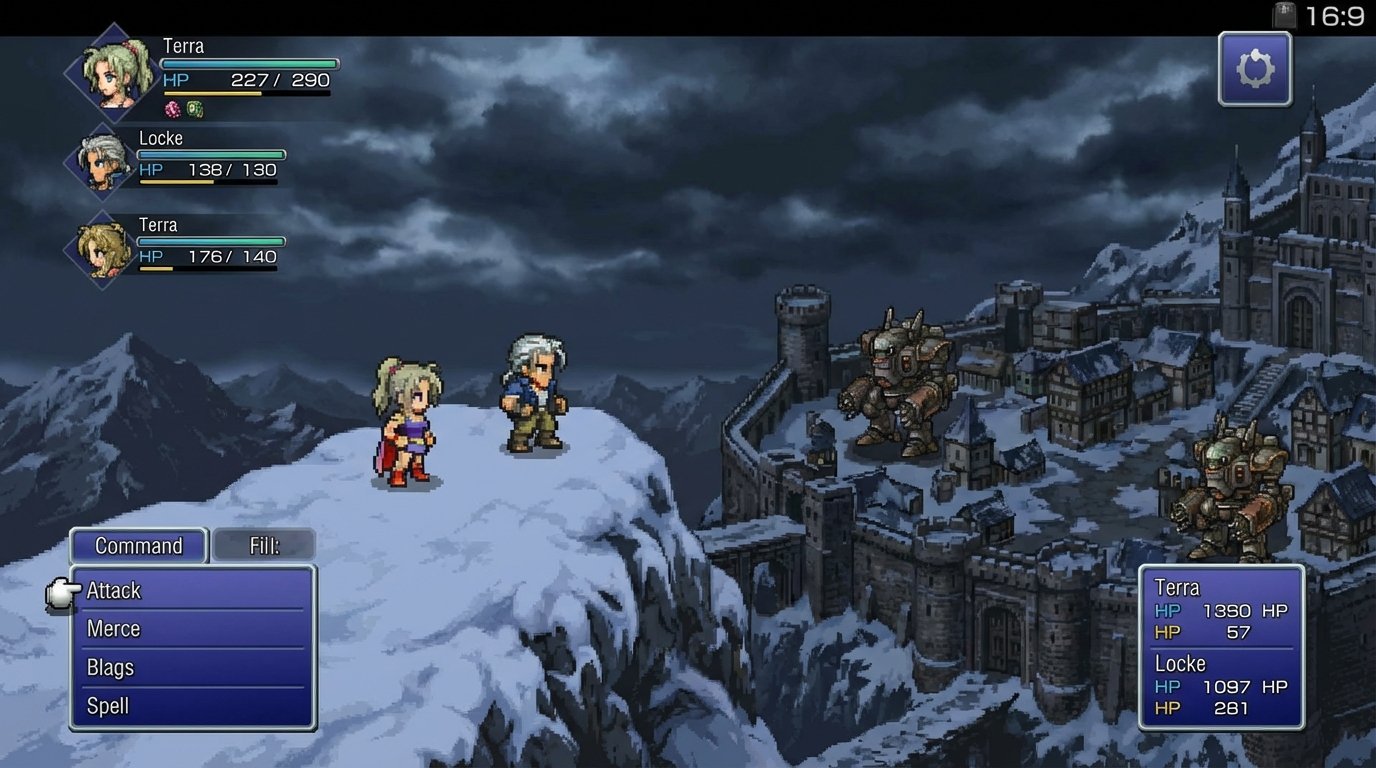
Final Fantasy VI
Platform | Super Nintendo Entertainment System (SNES), PlayStation, Game Boy Advance, PC, Mobile |
|---|---|
Publisher | Square Enix |
Genre | |
Release Date | 04/02/1994 |
Story
Released in 1994 for the Super Nintendo, Final Fantasy VI (originally known as Final Fantasy III in North America) tells a sprawling story of rebellion, love, and tragedy in a world where magic and technology collide. Players join a diverse cast of heroes, each with their own emotional arcs, as they battle against the despotic Gestahlian Empire and the maniacal Kefka.
The narrative is celebrated for its depth and complexity, with memorable twists and a cast that includes some of the most beloved characters in RPG history. It’s a story of resistance, loss, and hope that still resonates with gamers decades later.
Gameplay
Final Fantasy VI features classic turn-based combat, an innovative magicite system, and a non-linear second half that allows for unprecedented freedom in assembling your party and tackling endgame challenges. The game’s blend of exploration, strategic battles, and character-driven storytelling set a new bar for the genre.
Side quests, hidden secrets, and a vast world map make for a deeply rewarding experience. The distinctive abilities of each character encourage experimentation and replayability, ensuring that no two playthroughs are exactly alike.
Why it’s on this list
Nobuo Uematsu’s score for Final Fantasy VI is often hailed as his magnum opus. Tracks like “Terra’s Theme,” “Dancing Mad,” and the haunting “Aria di Mezzo Carattere” are iconic, pushing the SNES’s audio hardware to its very limits. The opera scene, in particular, is a watershed moment in gaming, blending story and music in a way never before seen.
Graphics and Sound
With lush 16-bit sprites and detailed environments, Final Fantasy VI looked incredible for its day. Yet it’s the music that truly lingers. Uematsu’s compositions evoke a wide range of emotions, from sweeping orchestral arrangements to intimate piano melodies. The soundtrack’s emotional range and thematic unity remain unmatched in many respects.
Legacy and Reception
Final Fantasy VI is consistently ranked among the best RPGs of all time, with its music a major reason why. The soundtrack has been performed live by orchestras around the globe and covered in remix albums. Its influence can be heard throughout the series and beyond, shaping how developers think about music’s role in storytelling.
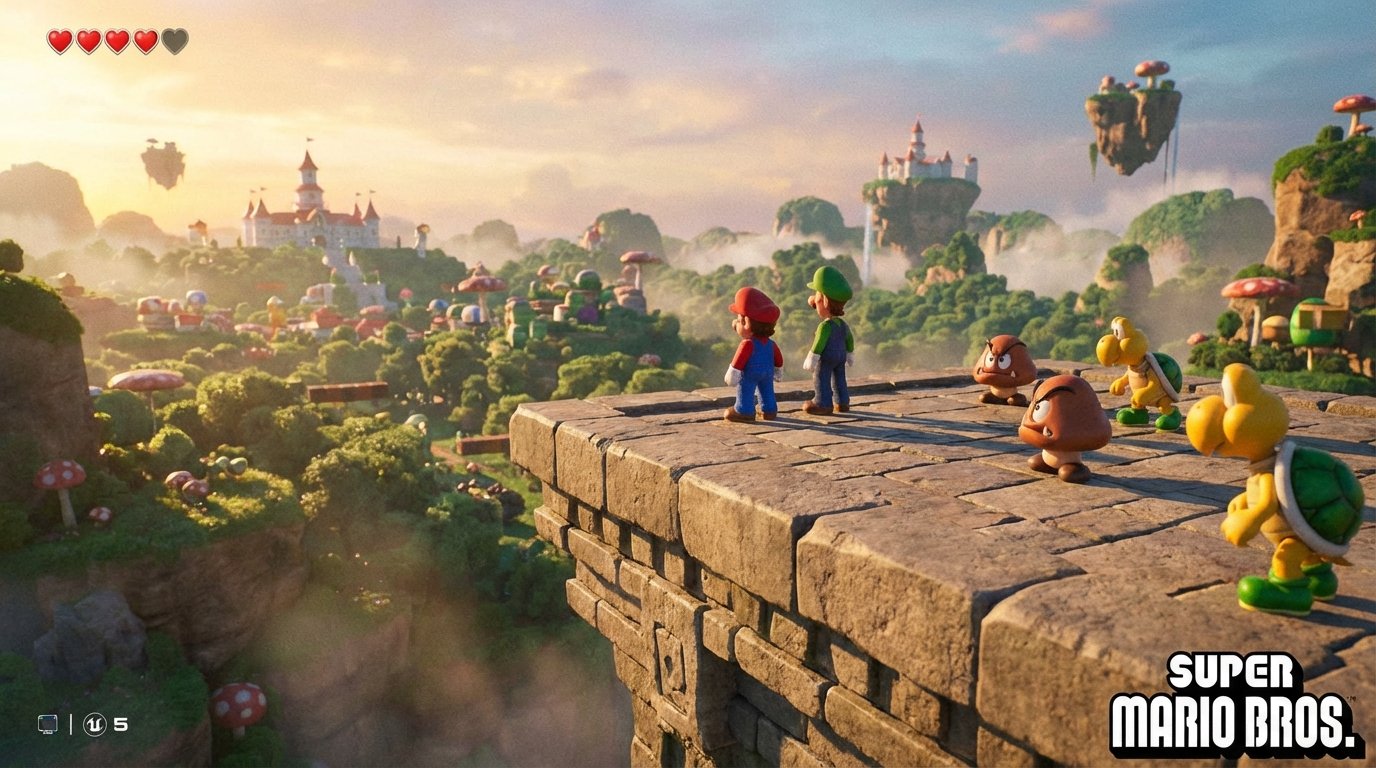
Super Mario Bros.
Story
In 1985, Nintendo unleashed Super Mario Bros. on the world, forever changing the landscape of video games. Players guide Mario (and Luigi in two-player mode) through the Mushroom Kingdom to rescue Princess Toadstool from the clutches of the villainous Bowser. Simple as it may seem, this quest became the foundation for one of gaming’s most famous universes.
The story is straightforward but perfectly suited for its fast-paced, jump-centric gameplay. With every rescued Toad and toppled castle, the stakes feel just high enough to keep players engaged from start to finish.
Gameplay
Super Mario Bros. is the quintessential side-scrolling platformer. Its tight controls, creative level design, and escalating challenge curve set the gold standard for the genre. Power-ups like the Super Mushroom and Fire Flower added layers of strategy and variety, while secret warp zones and hidden blocks rewarded exploration.
The game’s pacing and sense of momentum are masterful, making each run feel exhilarating and fresh, even decades later. It’s a blueprint that nearly every platformer since has followed.
Why it’s on this list
Koji Kondo’s music for Super Mario Bros. is the most instantly recognizable in gaming history. The cheerful Overworld Theme is an anthem for gamers worldwide, while the tension-filled Underground Theme and jaunty Underwater Theme showcase his melodic genius. These tunes set a precedent for how music could shape a game’s identity.
Graphics and Sound
Though the pixel art is iconic, it’s the sound design that truly shines. Each level’s music perfectly matches its mood and pace. From the upbeat main theme to the frantic castle music, every track is perfectly tailored to the action. Kondo’s compositions maximize the NES’s limited sound channels, proving that limitations can breed creativity.
Legacy and Reception
Super Mario Bros. is not just a classic; it’s a cultural phenomenon. Its soundtrack has been referenced, remixed, and parodied countless times, both in and out of gaming. The music’s influence extends to every Mario game that followed and continues to inspire composers to this day. Critics and fans have celebrated its soundtrack for four decades and counting.
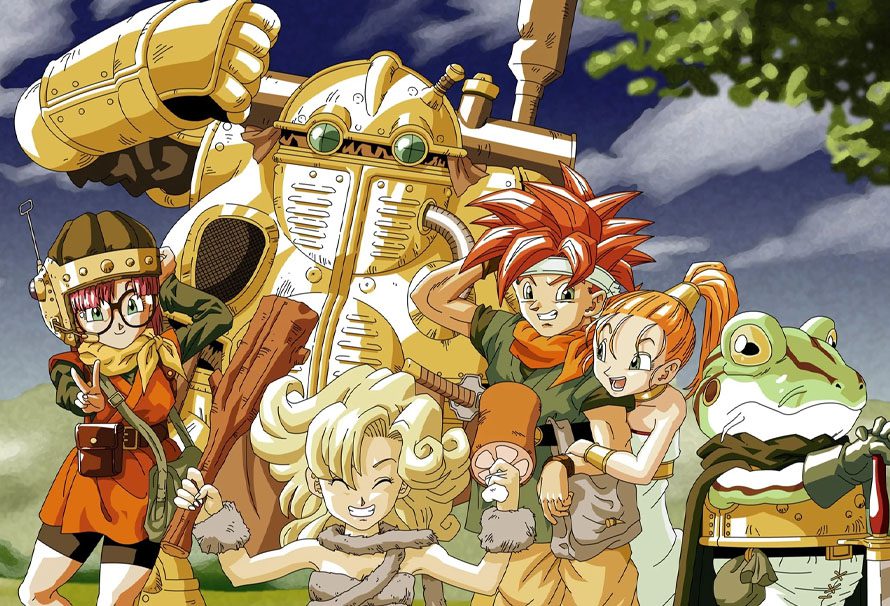
Chrono Trigger
Platform | Super Nintendo Entertainment System |
|---|---|
Publisher | Square |
Genre | JRPG |
Release Date | 03/11/1995 |
Story
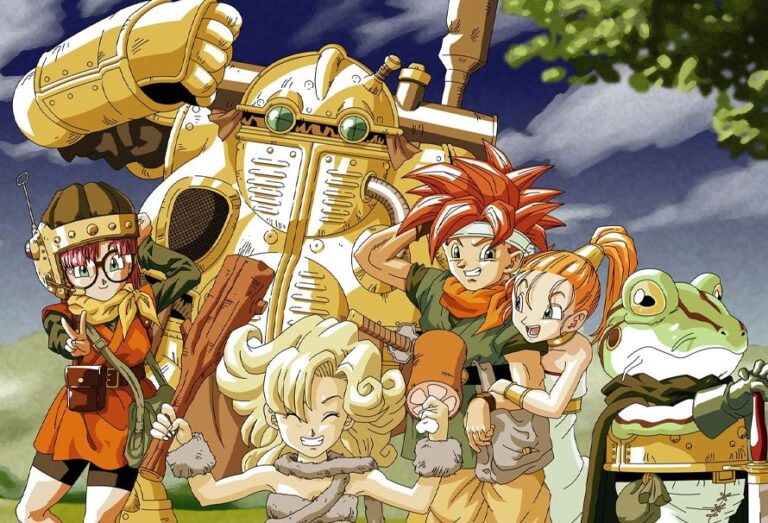
Chrono Trigger, released in 1995 for the Super Nintendo, is a time-travel epic that follows teenager Crono and his friends as they journey across eras to prevent a cataclysmic future. The story weaves together themes of destiny, sacrifice, and hope, taking players from prehistoric times to a post-apocalyptic world and beyond.
The game’s narrative brilliance lies in its interconnected timelines and multiple endings, each shaped by your choices. It’s a sweeping tale that balances high-stakes drama with moments of levity and wonder.
Gameplay
Chrono Trigger’s gameplay set new standards for RPGs. Its Active Time Battle system introduced dynamic, combo-based attacks, while seamless transitions between exploration and combat kept the pacing brisk. The game’s time-travel mechanic opened up creative puzzles and narrative twists, making every playthrough feel unique.
Branching paths, secret quests, and a rich cast of characters ensured incredible replay value. The innovative New Game+ feature encouraged players to uncover every secret the game had to offer.
Why it’s on this list
Yasunori Mitsuda’s and Nobuo Uematsu’s soundtrack for Chrono Trigger is nothing short of legendary. Tracks like “Corridors of Time,” “Frog’s Theme,” and “To Far Away Times” are etched into gaming memory. The music not only set the mood for each era but also told its own story, elevating every emotional beat.
Graphics and Sound
Chrono Trigger’s vibrant sprites and lush environments were a visual feast for the SNES era, but it’s the music that truly defined its atmosphere. The soundtrack’s range—from ethereal melodies to high-energy battle themes—helped each time period feel distinct. The sound design is still lauded for its depth and emotional impact.
Legacy and Reception
Chrono Trigger is widely regarded as one of the greatest games ever made, with its soundtrack consistently cited as a high point. The music has been performed at concerts, reimagined in remixes, and remains a favorite of fans and critics alike. Its influence can be traced across generations of RPGs and beyond.
Halo: Combat Evolved
Story
When Bungie’s Halo: Combat Evolved launched on the original Xbox in 2001, it redefined the first-person shooter landscape. Players step into the boots of Master Chief, a cybernetically enhanced supersoldier, as he battles the Covenant on the mysterious ringworld known as Halo. The story of interstellar war, ancient secrets, and humanity’s fight for survival is as epic as they come.
The game’s narrative unfolds through cinematic cutscenes, immersive environments, and cryptic lore, laying the foundation for one of gaming’s most beloved universes.
Gameplay
Halo’s tight gunplay, innovative two-weapon system, and regenerating shields set new standards for FPS design. Its sprawling levels encouraged exploration and tactical flexibility, while AI-driven enemies kept combat unpredictable. The inclusion of vehicular segments, both on land and in the air, added thrilling variety.
Multiplayer was a game-changer, popularizing LAN parties and eventually online play through later entries. Halo’s balance, map design, and competitive depth kept players coming back for years.
Why it’s on this list
Martin O’Donnell and Michael Salvatori’s score for Halo: Combat Evolved is instantly iconic. The haunting Gregorian chant of the main theme is legendary, setting the tone for the entire series. The soundtrack blends orchestral grandeur with electronic textures, creating a soundscape that feels both ancient and futuristic.
Graphics and Sound
Halo was a technical showcase for the original Xbox, with vast environments and detailed character models. The sound design is equally impressive, with each weapon, vehicle, and enemy having a distinct aural signature. The music swells and recedes dynamically, enhancing the emotional impact of every battle.
Legacy and Reception
Halo: Combat Evolved’s soundtrack is credited with elevating the importance of music in shooters. The main theme has become synonymous with the franchise, appearing in sequels, remixes, and live performances. Critics and fans have praised the score as one of the most memorable in gaming, with its influence evident in countless action games since.
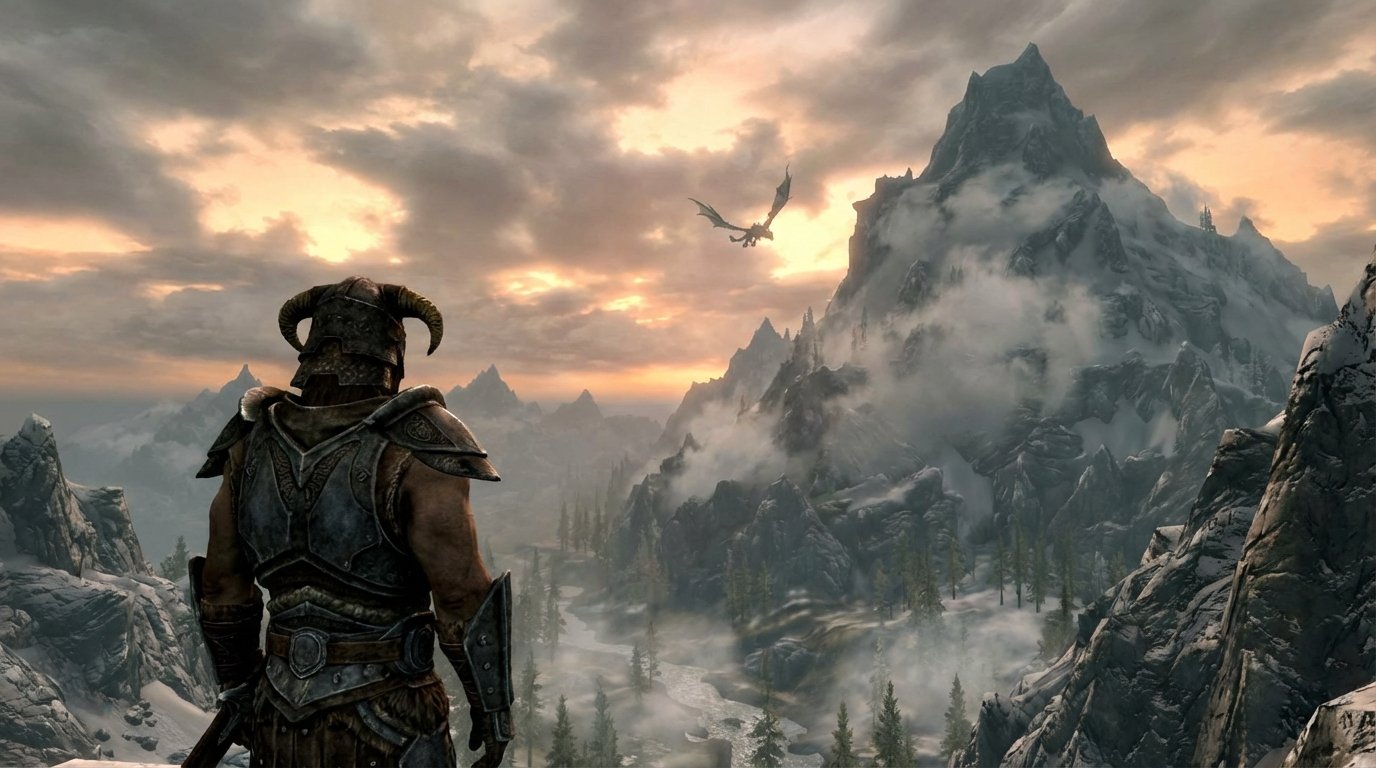
The Elder Scrolls V: Skyrim
Platform | PlayStation 3, Xbox 360, PC |
|---|---|
Publisher | Bethesda Softworks |
Genre | Action RPG |
Release Date | 11/11/2011 |
Story
In 2011, Bethesda transported players to the vast, wintry expanse of Skyrim, where you take on the role of the Dragonborn, a hero prophesied to save the world from the return of ancient dragons. The story is yours to shape, with a main quest steeped in prophecy and civil war, but also countless side stories that bring the land of Tamriel to life.
Skyrim’s narrative is a tapestry of lore, legends, and personal quests, all woven together in a way that makes every playthrough unique. Your choices shape the fate of kingdoms, guilds, and the world itself.
Gameplay
Skyrim is the ultimate open-world RPG, offering unparalleled freedom to explore, quest, and craft your own legend. Its vast world is teeming with secrets, from dragon lairs to hidden dungeons. The combat is flexible, allowing you to specialize in weapons, magic, stealth, or a combination of all three.
Character progression is deep and rewarding, with hundreds of skills, spells, and shouts to master. The dynamic world reacts to your actions, making every journey feel personal and epic.
Why it’s on this list
Jeremy Soule’s soundtrack for Skyrim is nothing short of epic. The rousing “Dragonborn” theme, performed by a choir singing in Dovahzul (the game’s dragon language), is instantly iconic. The music shifts from sweeping orchestral pieces to haunting ambient tracks, perfectly capturing the grandeur and mystery of Skyrim’s world.
Graphics and Sound
Skyrim pushed the limits of its hardware, with breathtaking vistas and detailed environments. The sound design is equally immersive, from the crunch of snow underfoot to the distant roar of dragons. Soule’s score adapts dynamically to your actions, heightening tension in battle and serenity during exploration.
Legacy and Reception
Skyrim’s music is among the most beloved in modern gaming, with fans and critics alike praising its emotional depth and cinematic quality. The soundtrack has been performed by orchestras worldwide and remains a staple of gaming playlists. Its influence is evident in countless RPGs that followed, setting a new standard for atmospheric music.
Journey
Platform | PlayStation 3, PlayStation 4, PC |
|---|---|
Publisher | Sony Computer Entertainment |
Genre | Adventure |
Release Date | 03/13/2012 |
Story
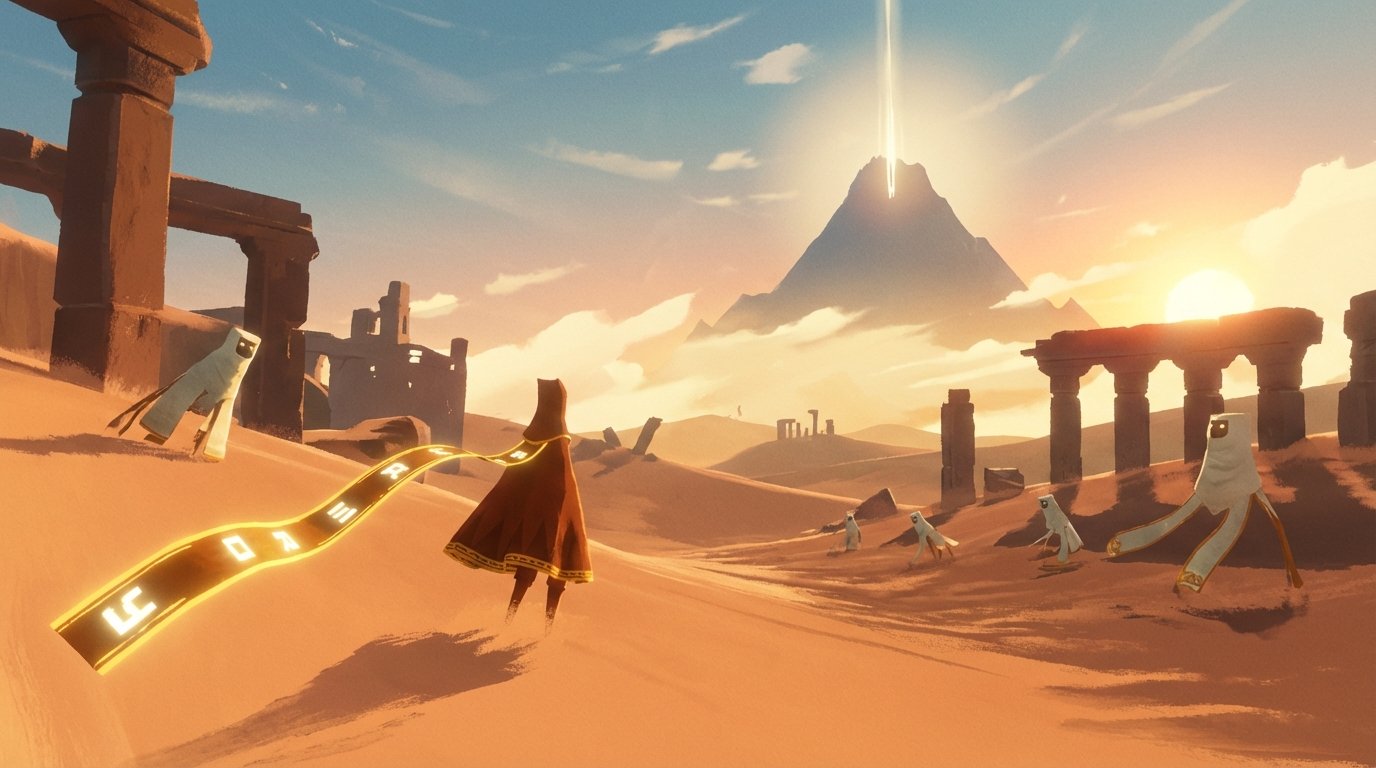
Released in 2012 for the PlayStation 3, Journey is a wordless, emotional odyssey through a mysterious desert. Players control a robed figure on a pilgrimage toward a distant mountain, encountering other players along the way in a unique, anonymous multiplayer experience.
The story is told entirely through visuals and music, inviting players to interpret its meaning for themselves. It’s a meditation on connection, perseverance, and the beauty of discovery.
Gameplay
Journey’s gameplay is elegantly simple, focusing on exploration, platforming, and interaction with the environment. The controls are intuitive, with gliding and jumping mechanics that feel fluid and graceful. The seamless multiplayer system allows players to encounter others without names or direct communication, fostering a sense of companionship and wonder.
The world is filled with secrets, puzzles, and breathtaking sights, encouraging players to move at their own pace and soak in the atmosphere.
Why it’s on this list
Austin Wintory’s Grammy-nominated score for Journey is widely regarded as one of the greatest in gaming history. The music dynamically responds to player actions, weaving together cello, strings, and ambient sounds to create an emotional tapestry. “Apotheosis,” the climactic track, is a masterclass in building tension and release.
Graphics and Sound
Journey’s visual style is minimalist yet stunning, with sweeping sands and ethereal lighting. The music is the heartbeat of the experience, guiding players through each emotional peak and valley. Wintory’s compositions are deeply evocative, enhancing the game’s themes of hope and transcendence.
Legacy and Reception
Journey’s soundtrack broke new ground, becoming the first video game score to be nominated for a Grammy Award. Critics and players praised its ability to move and inspire, setting a new bar for interactive music. The game’s music continues to be celebrated in concerts and remixes, influencing a generation of indie and mainstream developers alike.
The Witcher 3: Wild Hunt
Platform | PlayStation 4, Xbox One, PC, Nintendo Switch |
|---|---|
Publisher | CD Projekt Red |
Genre | Action RPG |
Release Date | 05/19/2015 |
Story
CD Projekt Red’s The Witcher 3: Wild Hunt, released in 2015, is an epic open-world RPG that follows Geralt of Rivia, a monster hunter searching for his adopted daughter Ciri, who is pursued by the spectral Wild Hunt. The story is a masterclass in mature storytelling, weaving together political intrigue, personal drama, and ancient prophecy.
Its branching narratives and morally complex choices give players unprecedented agency, resulting in a world that feels alive and reactive.
Gameplay
The Witcher 3 features deep combat, alchemy, and crafting systems, all set within a sprawling, richly detailed world. Side quests are as engaging as the main story, often featuring fully realized characters and unexpected twists. The game’s day/night cycle, weather effects, and diverse environments make exploration a constant pleasure.
The combat blends swordplay, magic, and tactical preparation, rewarding skillful play and strategic thinking. Gwent, the in-game card game, became a phenomenon in its own right.
Why it’s on this list
Marcin Przybyłowicz, Mikolai Stroinski, and Percival delivered a soundtrack that is as epic as the game itself. The music draws on Slavic folk traditions, blending haunting vocals, powerful percussion, and atmospheric melodies. Tracks like “The Fields of Ard Skellig” and “Sword of Destiny” are unforgettable, perfectly capturing the game’s dark, mystical tone.
Graphics and Sound
The Witcher 3 is a visual marvel, with breathtaking landscapes and intricate character models. The sound design is immersive, from the rustle of wind in the grass to the roar of monsters. The music adapts to combat, exploration, and story beats, enhancing every moment and drawing players deeper into Geralt’s world.
Legacy and Reception
The Witcher 3’s soundtrack is celebrated as one of the finest in RPG history. Critics and fans have praised its emotional range and authenticity, with many comparing it favorably to film scores. The music has been performed live and spawned a devoted fanbase, influencing the soundtracks of open-world games for years to come.
Persona 5
Platform | PlayStation 3, PlayStation 4, PC, Nintendo Switch, Xbox One |
|---|---|
Publisher | Atlus |
Genre | Turn-Based RPG |
Release Date | 04/04/2017 |
Story
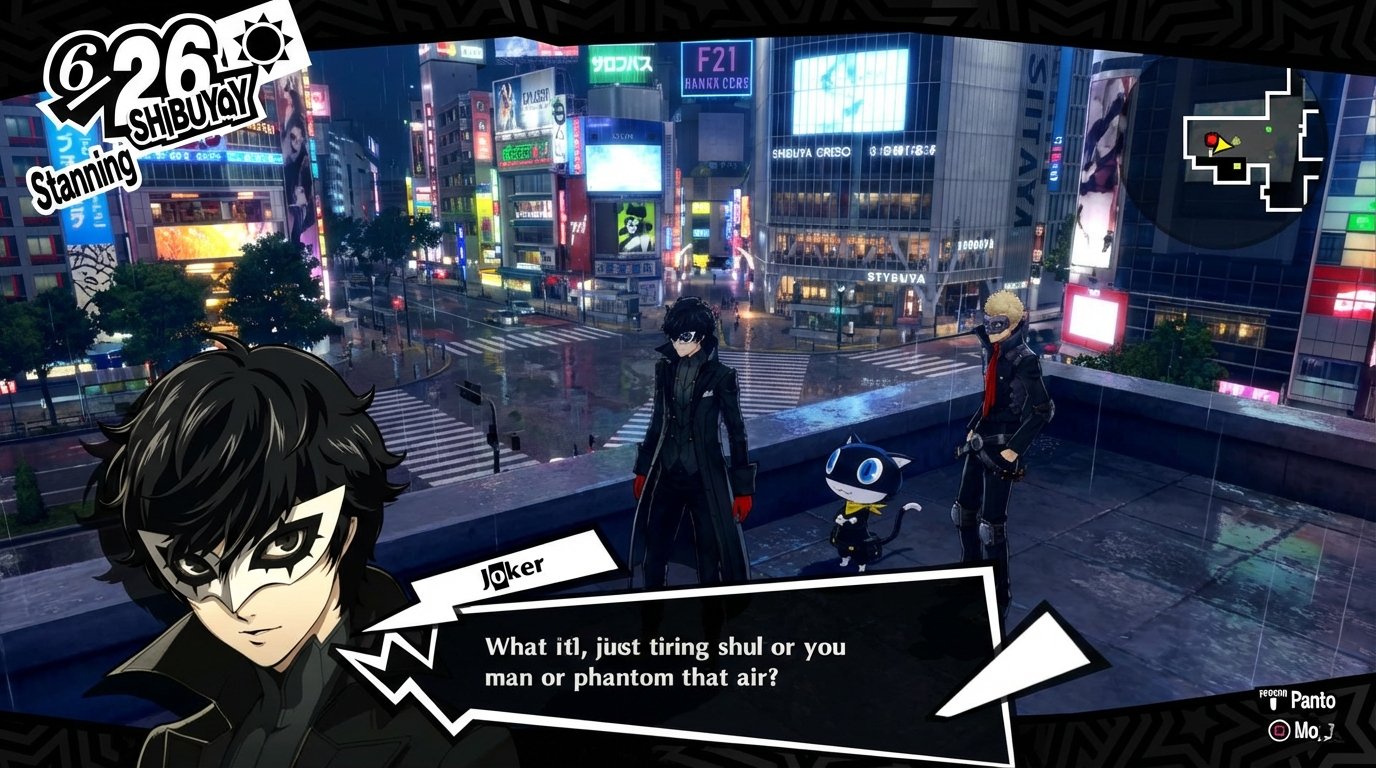
Atlus’s Persona 5, released in 2016, is a stylish, story-driven JRPG that follows a group of high school students who lead double lives as Phantom Thieves, entering the bizarre Metaverse to change the hearts of corrupt adults. The narrative explores themes of rebellion, justice, and self-discovery, all set against the vibrant backdrop of modern Tokyo.
Persona 5’s storytelling is both intimate and epic, weaving together social simulation, supernatural intrigue, and psychological drama.
Gameplay
Persona 5 combines traditional turn-based combat with life-simulation elements. By day, you manage school, friendships, and part-time jobs; by night, you infiltrate surreal dungeons known as Palaces. The fusion of time management, dungeon crawling, and Persona collection creates a unique and addictive gameplay loop.
The game’s striking visual style, snappy menus, and kinetic battle animations make every action feel satisfying. Choices matter, affecting relationships, abilities, and even the game’s ending.
Why it’s on this list
Shoji Meguro’s soundtrack is the beating heart of Persona 5. Blending acid jazz, rock, and pop, tracks like “Wake Up, Get Up, Get Out There” and “Life Will Change” ooze style and attitude. The music is perfectly synchronized with the game’s themes of rebellion and freedom, making every moment electrifying.
Graphics and Sound
Persona 5’s visuals are bold and expressive, with comic book-inspired transitions and vibrant color palettes. The music is seamlessly integrated, with dynamic tracks that shift between exploration, combat, and story scenes. The soundtrack’s infectious grooves and soulful vocals are as memorable as the game itself.
Legacy and Reception
Persona 5’s music has become iconic, spawning concerts, remix albums, and a dedicated fan following. Critics hailed the soundtrack as one of the best in recent gaming, with its influence seen in both the series and the wider JRPG genre. The game’s style and sound have become benchmarks for modern RPGs.
NieR: Automata
Platform | PlayStation 4, Xbox One, PC |
|---|---|
Publisher | Square Enix |
Genre | Action RPG |
Release Date | 02/23/2017 |
Story
Released in 2017 by PlatinumGames and Square Enix, NieR: Automata tells the story of 2B, 9S, and A2—androids fighting to reclaim Earth from alien machines. The narrative is a philosophical exploration of humanity, consciousness, and the meaning of existence, told through multiple intertwining perspectives and a cyclical structure.
The storytelling is daring and unconventional, blending heartbreak, humor, and existential dread in equal measure. Every playthrough reveals new layers, making the experience both profound and unforgettable.
Gameplay
NieR: Automata is a masterclass in genre-blending, combining hack-and-slash action, bullet hell segments, and RPG elements. The fluid combat system rewards skillful play, while open-world exploration and branching storylines keep players engaged. Each character offers unique abilities and perspectives, adding variety to both gameplay and narrative.
Side quests and hidden secrets abound, encouraging exploration and experimentation. The game’s multiple endings are a hallmark, each adding depth to the overarching story.
Why it’s on this list
Keiichi Okabe’s score for NieR: Automata is nothing short of breathtaking. Tracks like “Weight of the World,” “City Ruins,” and “Bipolar Nightmare” are deeply moving, blending ethereal vocals, haunting melodies, and dynamic arrangements. The music is integral to the game’s emotional impact, often shifting in real-time to match the player’s actions.
Graphics and Sound
NieR: Automata’s visual design is striking, with ruined cities, desolate landscapes, and surreal environments. The audio design is equally impressive, featuring a dynamic soundtrack that adapts to gameplay and narrative beats. Okabe’s use of invented languages and layered vocals creates an otherworldly atmosphere that lingers long after the credits roll.
Legacy and Reception
NieR: Automata’s music has been universally praised, earning awards and live performances worldwide. Its influence is felt in both indie and AAA games, setting a new standard for emotional, adaptive soundtracks. Fans and critics alike regard the score as one of the finest achievements in gaming music.
The Last of Us Part II
Story
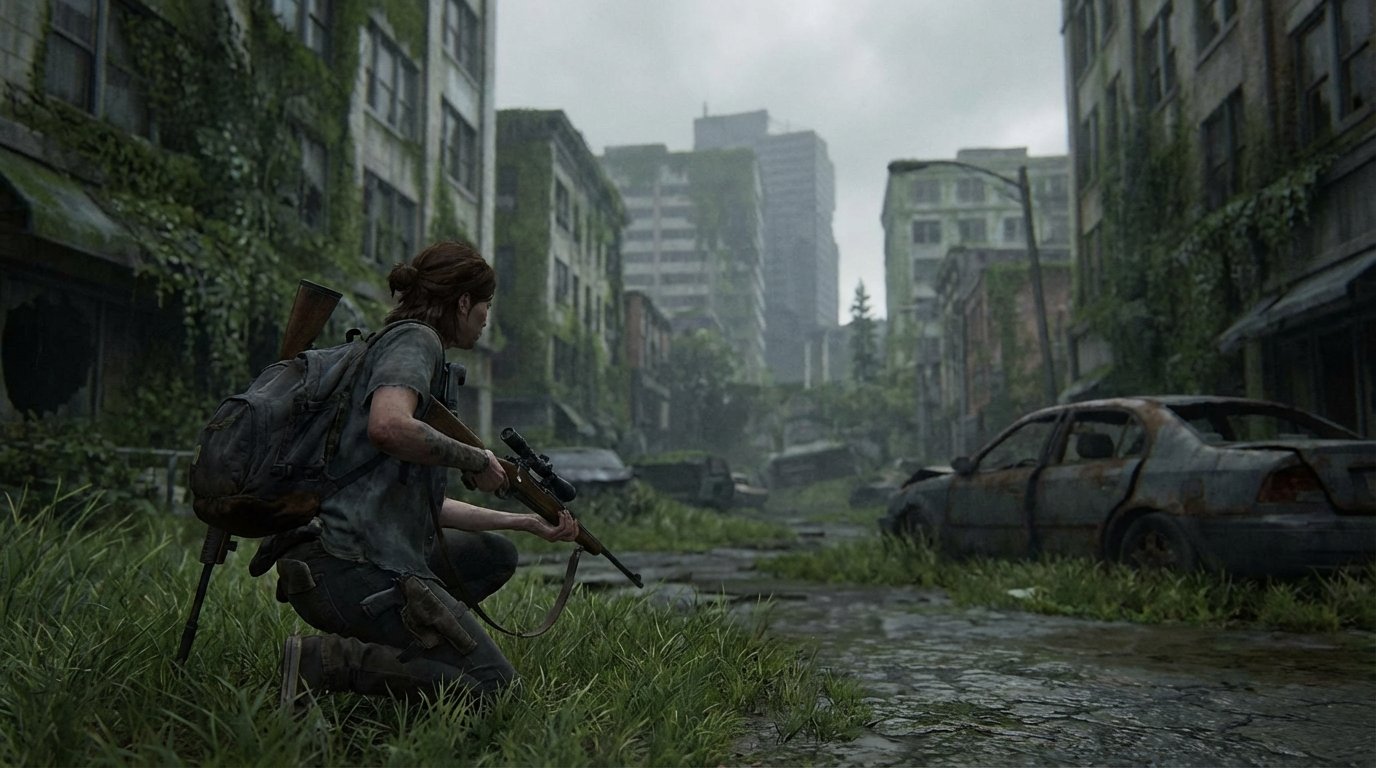
Naughty Dog’s The Last of Us Part II, released in 2020 for the PlayStation 4, is a harrowing tale of revenge, trauma, and redemption. Players follow Ellie and Abby through a post-apocalyptic America, navigating shifting perspectives and morally gray choices. The narrative is intense, raw, and unflinching, pushing the boundaries of storytelling in games.
The game’s emotional weight is carried by its complex characters and the consequences of their actions, making every moment feel impactful and real.
Gameplay
The Last of Us Part II refines the stealth-action formula, offering brutal combat, intricate level design, and deep crafting systems. The AI is smarter and more reactive, creating tense, unpredictable encounters. Exploration is richly rewarding, with environmental storytelling and hidden details fleshing out the world.
The game’s pacing balances quiet, introspective moments with explosive action, ensuring a gripping experience from start to finish.
Why it’s on this list
Gustavo Santaolalla’s score is a masterclass in understated emotion. The music uses acoustic guitars, minimalist arrangements, and haunting motifs to underscore the game’s themes of loss and hope. Tracks like “The Last of Us (Cycles)” and “Unbroken” are poignant, enhancing the narrative’s emotional resonance.
Graphics and Sound
The Last of Us Part II is a technical marvel, with lifelike character models, stunning environments, and nuanced animations. The sound design is equally impressive, with every footstep, whisper, and gunshot meticulously crafted. Santaolalla’s music weaves seamlessly into the experience, heightening tension and amplifying emotion.
Legacy and Reception
The game’s soundtrack has been lauded for its subtlety and power, earning critical acclaim and awards. Fans and critics praise its ability to convey deep emotion without overpowering the story. The Last of Us Part II’s music has set a new benchmark for narrative-driven game scores, influencing the industry’s approach to interactive storytelling.
God of War (2018)
Story
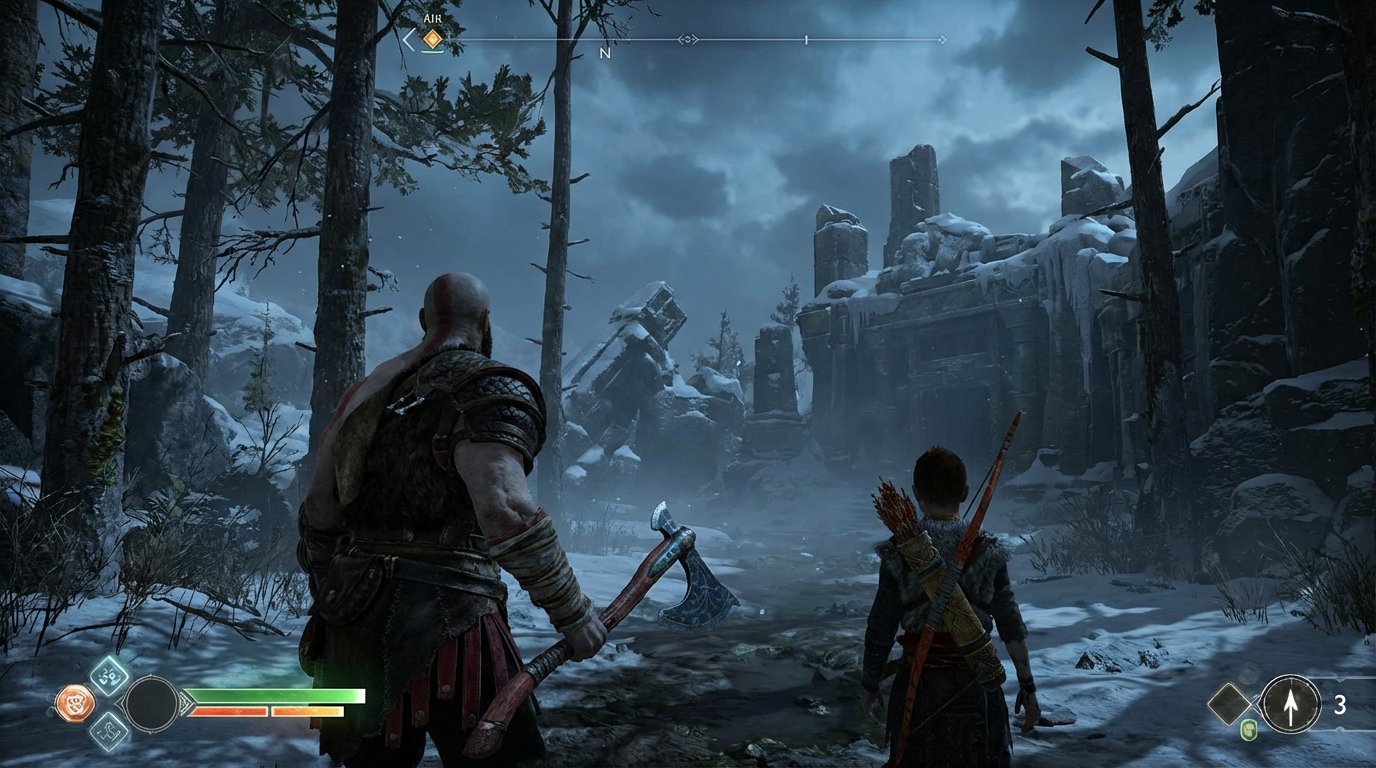
Santa Monica Studio’s God of War (2018) rebooted the legendary franchise, following Kratos and his son Atreus on a journey through the realms of Norse mythology. The narrative explores themes of fatherhood, loss, and destiny, with a more mature and introspective approach than previous entries.
The story unfolds through seamless, cinematic presentation, drawing players into a world of gods, monsters, and ancient secrets.
Gameplay
God of War reinvents its gameplay with a third-person, over-the-shoulder perspective, blending visceral combat with puzzle-solving and exploration. The Leviathan Axe and shield offer new tactical options, while Atreus’s abilities add depth to both combat and story. The interconnected world encourages exploration, with secrets and side quests rewarding curiosity.
The game’s pacing is masterful, balancing epic battles with quieter, character-driven moments. RPG elements, such as skill trees and upgrades, add further depth.
Why it’s on this list
Bear McCreary’s soundtrack for God of War is a sonic powerhouse. The main theme, with its booming choir and Nordic instrumentation, sets an epic tone. The music shifts seamlessly between thunderous battle tracks and haunting, intimate melodies, echoing the emotional journey of Kratos and Atreus.
Graphics and Sound
God of War is a visual tour de force, with stunning environments and lifelike animation. The sound design is equally exceptional, from the crunch of snow to the roar of mythical beasts. McCreary’s music is woven into every scene, amplifying both the grandeur and the pathos of the story.
Legacy and Reception
The soundtrack has been universally praised, winning awards and earning a place in the pantheon of great game scores. Fans and critics have celebrated its emotional depth and authenticity, with live performances and orchestral arrangements further cementing its legacy. God of War’s music has influenced the direction of cinematic game scores throughout the 2020s and beyond.
Demon’s Souls (PS5)
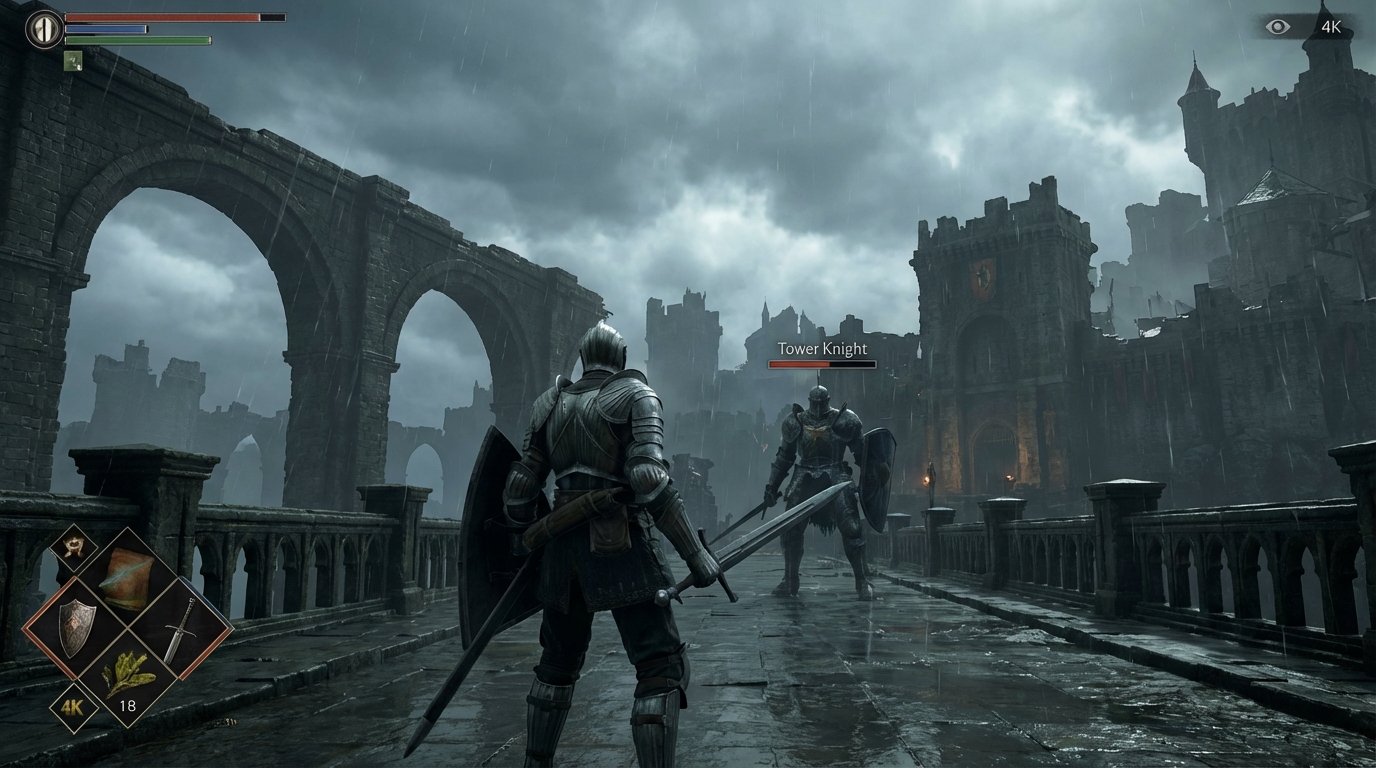
Story
Bluepoint Games’ 2020 remake of Demon’s Souls brought FromSoftware’s cult classic to the PlayStation 5, reintroducing players to the doomed kingdom of Boletaria. As the Slayer of Demons, you navigate a dark, mysterious world filled with danger, intrigue, and cosmic horror, seeking to save the land from an ancient evil.
The narrative is cryptic and atmospheric, encouraging players to piece together the lore through exploration and environmental storytelling.
Gameplay
Demon’s Souls is the progenitor of the “Soulslike” genre, featuring challenging combat, precise timing, and punishing difficulty. The remake faithfully re-creates the original’s systems, with improved responsiveness and modernized controls. Exploration is tense and rewarding, with hidden secrets and branching paths around every corner.
The game’s world is interconnected and full of danger, rewarding patience, observation, and mastery. Boss battles are epic, demanding skill and strategic thinking.
Why it’s on this list
Shunsuke Kida’s reimagined score for the PS5 remake elevates the original’s music to new heights. The orchestral soundtrack is grand, ominous, and deeply atmospheric, perfectly capturing the game’s oppressive tone. Each boss fight is underscored by a unique, memorable theme, heightening the sense of dread and triumph.
Graphics and Sound
Demon’s Souls on PS5 is a technical showcase, with stunning visuals, detailed lighting, and fluid animations. The sound design is immersive, from the clang of swords to the echoing footsteps in haunted corridors. The orchestral score leverages the new hardware’s audio capabilities, wrapping players in a wall of sound.
Legacy and Reception
The remake’s soundtrack has been celebrated for revitalizing a classic while honoring its roots. Critics and fans praise its emotional power and cinematic quality, with many citing it as a high point of the new console generation. Demon’s Souls’ music has influenced the presentation of future Soulslike titles on next-gen systems.
From the earliest 8-bit melodies to the expansive orchestral scores of the PS5 era, video game soundtracks have continually redefined what’s possible in interactive entertainment. These twelve titles didn’t just set new benchmarks for technical achievement—they inspired generations, shaped entire genres, and proved that video game music is an art form in its own right.
As we move further into 2026, the legacy of these soundtracks continues to echo across the gaming landscape. Whether you’re humming the Mario theme or getting goosebumps from a sweeping RPG overture, their influence is undeniable. So crank up the volume and relive the magic—these are the soundtracks that changed gaming forever.