
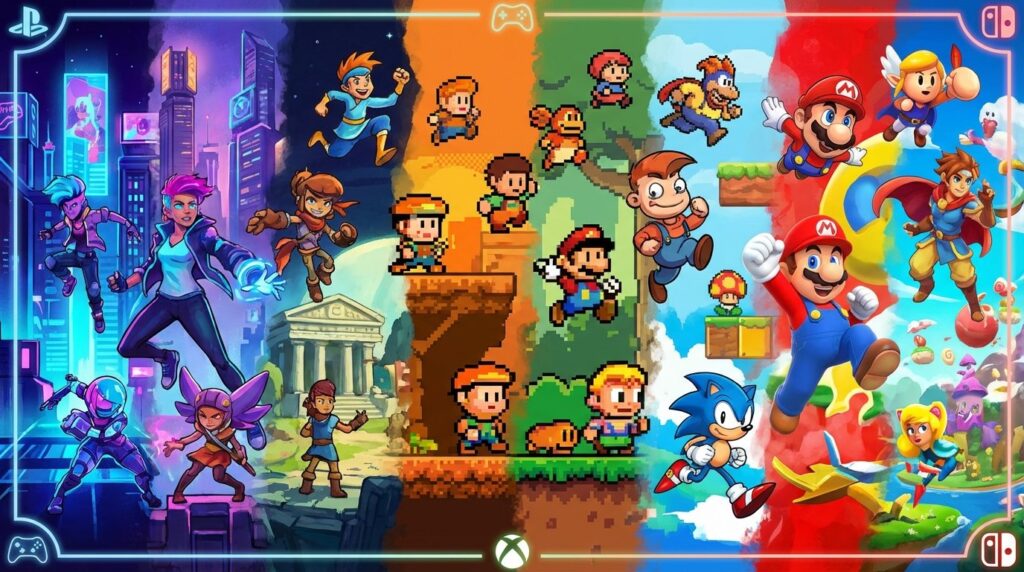
For decades, the platformer genre has been the beating heart of gaming, from the pixelated leaps of the ‘80s to today’s lush, narrative-driven adventures. Yet as franchises like Mario and Sonic have soared to mainstream fame, countless platformers have quietly delivered unforgettable experiences—often overlooked or overshadowed by the industry’s giants. In 2026, the sheer variety of platformers across PlayStation, Xbox, and Nintendo Switch is staggering, but it’s the hidden gems that truly show the genre’s creative spirit and innovation.
What makes a platformer “underrated”? It’s not just about low sales or lack of advertising; it’s about brilliant design, clever mechanics, and unique art that never quite got its due. These are games that took risks, introduced bold ideas, or reimagined classic formulas—and, for one reason or another, didn’t get the spotlight they deserved. Whether you’re a die-hard platforming veteran or searching for your next obsession, these twenty platformers from across the console generations are absolute must-plays.
From atmospheric adventures to quirky indies and inventive reboots, here are the 20 most underrated platformers you need to revisit or discover in 2026. Prepare for a nostalgic trip and, guaranteed, a few surprises.
A Hat in Time
Story
A Hat in Time is a whimsical 3D platformer that follows the adventures of Hat Kid, a young space traveler stranded on a mysterious planet. She must collect Time Pieces to power her spaceship and return home, but a cast of quirky characters—including the mischievous Mustache Girl—stands in her way. The story blends Saturday morning cartoon charm with clever humor and a dash of heartfelt emotion, making for a genuinely engaging journey.
Each chapter of the game is set in a distinct world, from spooky haunted forests to bustling movie sets, all interconnected by the central hub of Hat Kid’s spaceship. The narrative unfolds through environmental storytelling and colorful dialogue, keeping you invested in Hat Kid’s mission and the fate of the planet’s eccentric denizens.
Gameplay
A Hat in Time channels the spirit of classic 3D platformers like Super Mario 64 and Banjo-Kazooie, offering tight controls, acrobatic movement, and plenty of secrets to discover. Players can equip different hats that grant unique abilities—such as sprinting or brewing explosive potions—allowing for creative solutions to platforming challenges.
Level design is consistently imaginative, with each world introducing its own mechanics, minigames, and boss battles. The game encourages exploration and experimentation, rewarding players who venture off the beaten path with hidden collectibles and humorous Easter eggs.
Why it’s on this list
Despite glowing reviews from critics and fans, A Hat in Time missed out on mainstream recognition, especially compared to its Nintendo inspirations. Its Kickstarter origins and indie status meant it never got the marketing push of bigger titles, but beneath the surface lies a platforming masterclass brimming with charm and ingenuity.
Graphics and Sound
A Hat in Time boasts a vibrant, cartoon-like art style, with expressive character animations and lush, colorful environments. The soundtrack, composed by Pascal Michael Stiefel, delivers upbeat tunes and atmospheric tracks that perfectly complement each world’s mood.
Legacy and Reception
While it has amassed a loyal cult following since its 2017 release, A Hat in Time is still rarely mentioned alongside platforming legends. Its continued updates—including fan-made mods and Steam Workshop support—ensure it remains a beloved gem among genre aficionados.
The Messenger
Story
The Messenger begins as a straightforward tale: a young ninja is tasked with delivering a scroll to save his clan from a demon army. What starts as a retro-inspired action platformer quickly evolves into a time-hopping adventure, blending sharp humor, surprising plot twists, and meta-commentary on gaming itself.
As the story unfolds, the ninja discovers his role is far greater than he realized, and the narrative cleverly shifts gears, challenging expectations and offering genuine emotional beats amidst the comedy.
Gameplay
Initially, The Messenger plays like a classic 8-bit action platformer, with tight controls, challenging enemies, and precise jumps. Midway through, the game transforms—literally—into a 16-bit Metroidvania, introducing new abilities, interconnected worlds, and backtracking for secrets.
Combat is snappy and satisfying, with upgrades unlocking wall climbing, gliding, and a host of ninja tools. The seamless transitions between past and future not only affect visuals but also alter level layouts and puzzles, keeping gameplay fresh throughout.
Why it’s on this list
Despite critical acclaim and several awards, The Messenger didn’t reach mainstream audiences. Its genre-blending innovation and razor-sharp writing set it apart from other retro platformers, but it remains a hidden treasure for most players.
Graphics and Sound
The Messenger’s unique dual-style visuals evoke both NES and SNES eras, with gorgeous pixel art and fluid animations. The soundtrack, composed by Rainbowdragoneyes, mirrors this transition, featuring chiptune and synth-driven tracks that are instantly memorable.
Legacy and Reception
The game’s cult status has grown over the years, especially after its prequel, Sea of Stars, brought more attention to Sabotage Studio. However, The Messenger itself is still underappreciated, often overshadowed by other indie hits.
Guacamelee! 2
Story
Guacamelee! 2 returns players to the luchador-filled world of Juan Aguacate, now a retired hero pulled back into action to save the Mexiverse. This time, the stakes are even higher, with parallel universes and a new villain threatening to unravel reality itself. The story is packed with irreverent humor, playful references to gaming culture, and a heartfelt core about family and destiny.
The narrative bounces between absurdity and genuine emotion, with returning characters and fresh faces alike. Its lighthearted tone belies a surprisingly layered plot that explores themes of heroism and second chances.
Gameplay
Building on the original’s Metroidvania formula, Guacamelee! 2 delivers fast-paced, combo-driven combat and agile platforming. New abilities—like the Pollo Shot (yes, you turn into a chicken)—expand movement and puzzle-solving possibilities, while four-player co-op lets friends join in on the chaos.
Levels are packed with secrets, challenging platforming gauntlets, and ever-evolving enemies. The game rewards mastery, pushing players to string together acrobatic moves and devastating wrestling attacks.
Why it’s on this list
Guacamelee! 2 received strong reviews but never reached the popularity of other Metroidvanias in its generation. Its unique blend of Mexican folklore, over-the-top action, and vivid art style deserves far more attention than it ever received.
Graphics and Sound
The game’s hand-painted visuals burst with color and personality, bringing the Mexiverse’s vibrant towns, lush jungles, and supernatural realms to life. The soundtrack, mixing mariachi, electronica, and rock, is equally energetic and instantly recognizable.
Legacy and Reception
While beloved by fans of the series, Guacamelee! 2 is rarely mentioned among the “best of” platformers lists, overshadowed by more traditional entries in the genre. Its clever humor and inventive design, however, continue to inspire indie developers and dedicated players.
Klonoa Phantasy Reverie Series
Story
Klonoa Phantasy Reverie Series revitalizes the cult-classic adventures of Klonoa, the dream-traveling hero, by remastering Door to Phantomile and Lunatea’s Veil. The games follow Klonoa as he journeys through surreal dream worlds, meeting whimsical allies and confronting mysterious threats that jeopardize the fabric of dreams themselves.
The series stands out for its melancholic undertones and emotional storytelling, delivering bittersweet narratives that resonate long after the credits roll. Each world is rich with lore and memorable characters, making the story both enchanting and unexpectedly deep.
Gameplay
Klonoa’s gameplay combines side-scrolling platforming with 2.5D mechanics, letting players use the “Wind Bullet” to grab and toss enemies, solve puzzles, and access hard-to-reach areas. The remastered versions update controls and graphics, but retain the clever level design and satisfying platforming flow.
Each stage features unique challenges, secret collectibles, and inventive boss fights. The physics-based mechanics make every jump and throw feel impactful, while the artful difficulty curve welcomes both newcomers and veterans.
Why it’s on this list
Despite being praised by critics, the Klonoa series has always flown under the radar, overshadowed by bigger franchises. The 2022 remaster brought these gems to modern platforms, but they still remain niche favorites rather than mainstream hits.
Graphics and Sound
The remastered visuals breathe new life into Klonoa’s dreamlike worlds, with vibrant colors, smooth animations, and enhanced character models. The soundtrack, filled with whimsical melodies and hauntingly beautiful tracks, perfectly complements the game’s tone.
Legacy and Reception
Klonoa has long been considered a cult classic, and the Phantasy Reverie Series only cemented its reputation among platformer enthusiasts. However, it rarely appears in discussions of the genre’s greats, making it a quintessentially underrated masterpiece.
Yooka-Laylee and the Impossible Lair
Story
Yooka-Laylee and the Impossible Lair pivots from the original’s 3D collectathon roots to deliver a 2.5D platforming adventure that feels like a modern Donkey Kong Country. The chameleon-bat duo must rescue Queen Phoebee’s royal Beetalion and thwart the evil Capital B’s plans to enslave the insect kingdom.
The story is light-hearted and filled with witty dialogue, puns, and quirky characters, providing just enough narrative to keep players invested without overshadowing the gameplay.
Gameplay
This entry offers tight, responsive platforming across beautifully crafted 2D levels. Each stage can be altered by environmental changes in the world map—flooding, freezing, or flipping stages for new challenges. The real draw is the titular Impossible Lair, a brutal gauntlet that players can attempt at any time, but which becomes easier as you rescue more Beetalion members.
Secrets, collectibles, and challenging segments abound, rewarding exploration and mastery. The clever overworld design adds a puzzle element, making the experience fresh from start to finish.
Why it’s on this list
Despite addressing criticisms of the original Yooka-Laylee and delivering a stellar platformer, the Impossible Lair never broke out of “spiritual successor” status. Many gamers missed it, assuming it was just another nostalgia trip, but it’s a masterfully crafted platformer in its own right.
Graphics and Sound
The game boasts a vibrant, storybook-like visual style with lush backgrounds and expressive characters. The soundtrack, featuring industry legends like David Wise and Grant Kirkhope, is a highlight with catchy, upbeat tunes.
Legacy and Reception
Critics praised Impossible Lair’s tight design and creativity, but it remains overshadowed by the platformers it so lovingly pays homage to. In 2026, it stands as a hidden gem for those willing to look beyond the big names.
Astro Bot Rescue Mission
Story
Astro Bot Rescue Mission puts players in the role of Astro, a tiny robot captain on a mission to save his lost crew scattered across imaginative, toy-like worlds. The story is simple but effective, serving as a framework for charming characters, playful moments, and a sense of wonder that permeates every level.
This PSVR exclusive crafts its narrative through environmental cues, visual storytelling, and endearing interactions with the Astro Bots, creating an immersive experience that feels like a playable animated film.
Gameplay
Astro Bot Rescue Mission revolutionizes the platformer genre by leveraging VR, letting players physically look around corners, peer under obstacles, and interact with the world in unique ways. Platforming is tight and precise, with inventive gadgets and creative level design that make full use of virtual reality’s capabilities.
Each level introduces surprising mechanics, from water jets to shuriken-throwing, and boss battles are dynamic, multi-stage affairs that feel truly epic in VR. The controls are responsive, and the sense of scale and immersion is unmatched.
Why it’s on this list
Despite being hailed as one of the best VR games ever made, Astro Bot Rescue Mission’s platform exclusivity and hardware requirements kept it from reaching the broader audience it deserved. It’s a platformer masterpiece that too many gamers simply never got to experience.
Graphics and Sound
The game’s visuals are bright, colorful, and meticulously detailed, with expressive animations and whimsical environments. The sound design is playful and immersive, with a cheerful soundtrack that adds to the game’s upbeat atmosphere.
Legacy and Reception
Astro Bot Rescue Mission is frequently cited as a killer app for PSVR, but outside of VR circles, it’s rarely discussed among the genre’s greats. Its innovative design and joyful spirit, however, have influenced a new generation of VR and platformer games.
Sonic Mania
Story
Sonic Mania is a loving homage to the classic Sega Genesis Sonic games, blending new stages with remixed versions of fan favorites. Eggman is up to his old tricks, and Sonic, Tails, and Knuckles must race through a kaleidoscope of zones to stop his latest scheme.
The story isn’t the focus, but its retro cutscenes and playful tone capture the essence of Sonic’s early adventures, delivering both nostalgia and fresh excitement.
Gameplay
Sonic Mania offers lightning-fast platforming, tight controls, and branching level paths that reward exploration and speedrunning alike. New abilities and power-ups keep things interesting, while each zone introduces its own mechanics and inventive boss fights.
The game strikes a perfect balance between old and new, mixing pixel-perfect design with modern polish. Bonus stages, hidden secrets, and unlockable modes provide plenty of replay value for dedicated fans.
Why it’s on this list
Despite critical acclaim, Sonic Mania is often overshadowed by bigger-budget Sonic titles and Sega’s endless reboots. It’s arguably the best Sonic game in decades, but many gamers still haven’t given it the attention it deserves.
Graphics and Sound
The pixel art is gorgeous, faithfully recreating and expanding upon the Genesis-era aesthetic. The soundtrack, composed by Tee Lopes, is an adrenaline-fueled mix of classic themes and fresh compositions that perfectly complement the action.
Legacy and Reception
Sonic Mania revitalized interest in Sonic’s 2D roots, but its indie origins and retro style mean it’s often treated as a side project rather than a mainline entry. For platformer purists, it remains a shining example of how to do a revival right.
LittleBigPlanet 3
Story
LittleBigPlanet 3 takes Sackboy and friends on an imaginative journey through the world of Bunkum, where three ancient Titans threaten to consume all creativity. Alongside new characters—Oddsock, Toggle, and Swoop—players must restore balance and rescue the world from chaos.
The story is whimsical and light-hearted, filled with inventive set pieces, quirky humor, and a celebration of creativity and community. Its narrative serves as a perfect backdrop for the game’s endless possibilities.
Gameplay
The core platforming is as charming as ever, with physics-based puzzles, clever gadgetry, and three new playable characters that each bring unique abilities. The level editor—one of the most robust in gaming—lets players craft and share their own stages, leading to an ever-expanding universe of user-generated content.
Multiplayer, both online and local, is a blast, with cooperative and competitive modes that make every session unpredictable and fun.
Why it’s on this list
Despite being a technical marvel and a creative sandbox, LittleBigPlanet 3 was hampered by launch issues and overshadowed by other AAA releases. Many players never gave it a second chance, missing out on its vast community-driven content and inventive platforming.
Graphics and Sound
The game’s handcrafted aesthetic is delightful, blending real-world textures with imaginative environments. The soundtrack is playful and eclectic, featuring both original compositions and licensed tracks that enhance every level’s personality.
Legacy and Reception
LittleBigPlanet 3’s legacy lies in its passionate community, which continues to create astonishing levels and experiences. However, its initial missteps and the rise of other platformers have left it underappreciated in the broader gaming conversation.
Ori and the Will of the Wisps
Story
Ori and the Will of the Wisps continues the story of Ori, a guardian spirit, on a quest to save his new companion, Ku, and heal a dying forest. The narrative is wordless but emotionally charged, told through stunning visuals, expressive animation, and a sweeping musical score. Themes of friendship, sacrifice, and hope permeate every moment, making for a deeply moving journey.
The world is rich with lore, hidden stories, and memorable characters, all contributing to an unforgettable adventure that resonates long after completion.
Gameplay
Building on the original’s foundation, Will of the Wisps introduces refined movement, new abilities, and more complex platforming challenges. The game flows seamlessly, with tight controls, fluid animations, and a vast interconnected world that rewards exploration and mastery.
Combat is overhauled, offering a range of customizable skills, weapons, and upgrades. Epic boss battles and challenging platforming gauntlets test players’ reflexes and creativity, while side quests and collectibles add depth to every corner of the forest.
Why it’s on this list
Despite near-universal acclaim, Ori and the Will of the Wisps was often overlooked in favor of bigger-budget releases, especially in the crowded Metroidvania space. It’s a masterpiece of design, storytelling, and emotion that deserves far more recognition than it’s received.
Graphics and Sound
The game’s hand-painted visuals are breathtaking, bursting with color, light, and atmospheric effects. The orchestral soundtrack, composed by Gareth Coker, is a highlight, evoking both wonder and heartbreak in equal measure.
Legacy and Reception
Will of the Wisps has quietly built a dedicated fanbase, but it’s rarely mentioned in the same breath as genre titans. Its influence can be seen in countless indie platformers, yet it remains a criminally underrated achievement.
Celeste
Story
Celeste tells the story of Madeline, a young woman climbing the titular mountain while confronting her own inner demons. The narrative is deeply personal, blending themes of anxiety, self-discovery, and perseverance with sharp writing and memorable characters.
Dialogue is heartfelt and relatable, and the story unfolds naturally through gameplay, making every triumph and setback feel meaningful.
Gameplay
Celeste’s platforming is brutally challenging but endlessly rewarding. Precision jumps, dashes, and wall climbs are the core mechanics, with each level introducing new twists and hazards. Assist modes and accessibility features ensure that players of all skill levels can experience the full narrative.
The game is packed with secrets, collectibles, and optional “B-side” levels for those seeking an even tougher challenge. Every death is a lesson, and every success feels earned.
Why it’s on this list
Celeste won numerous indie awards, but outside of the hardcore platforming community, it remains underappreciated. Its emotional resonance and near-perfect design make it a genre-defining experience that too many players have yet to discover.
Graphics and Sound
The pixel art is minimalist but expressive, with vibrant color palettes and inventive visual effects. The soundtrack, by Lena Raine, is haunting and uplifting, perfectly capturing the game’s emotional highs and lows.
Legacy and Reception
Celeste’s influence on accessibility and mental health representation in games cannot be overstated, yet it’s still a hidden gem for most mainstream players. Its legacy continues to grow as new gamers discover its powerful message.
Rayman Legends
Platform | PC, PlayStation 4, Xbox One, Nintendo Switch, PlayStation 3, Xbox 360, Wii U |
|---|---|
Publisher | Ubisoft |
Genre | Platformer |
Release Date | 08/29/2013 |
Story
Rayman Legends follows Rayman and his friends as they leap through magical paintings into fantastical worlds, battling evil creatures and rescuing the Teensies. The story is light on dialogue but rich in visual storytelling, with each world offering its own quirky narrative and memorable set pieces.
The game’s sense of humor and whimsy shine through in every level, making for a joyous and unpredictable adventure.
Gameplay
Legends excels at fast-paced, precise platforming with fluid controls and inventive level design. Each world introduces new mechanics—such as rhythm-based music stages, underwater sections, and gravity-defying puzzles—that keep the gameplay fresh and exciting.
Four-player co-op adds chaotic fun, and the sheer variety of levels, challenges, and collectibles ensures there’s always something new to discover. The game’s pacing and creativity are unmatched, delivering constant surprises.
Why it’s on this list
Despite rave reviews and a passionate fanbase, Rayman Legends never achieved the sales or recognition of other platforming franchises. Its release was marred by delays and platform confusion, causing many players to overlook this modern classic.
Graphics and Sound
The hand-drawn art is stunning, with vibrant colors, expressive animations, and imaginative environments that bring each world to life. The soundtrack is equally impressive, blending original compositions with playful remixes of classical music.
Legacy and Reception
Rayman Legends is often cited as one of the best platformers of its generation, but its lack of a major franchise push and Ubisoft’s shift to other properties have left it underappreciated in the long run.
Shovel Knight
Story
Shovel Knight follows the titular hero on a quest to rescue his beloved Shield Knight from the clutches of the Enchantress and her Order of No Quarter. The narrative is simple but effective, delivered through witty dialogue, heartfelt moments, and a cast of memorable villains and allies.
The story pays homage to NES-era platformers while offering its own twists and emotional beats, creating a world that’s both familiar and fresh.
Gameplay
Shovel Knight is a retro-inspired platformer with tight controls, challenging enemies, and inventive level design. Players use the Shovel Blade to attack, bounce, and dig through obstacles, uncovering secrets and mastering new abilities along the way.
The game’s structure is reminiscent of Mega Man and DuckTales, with themed stages, unique bosses, and plenty of hidden treasures. Expansions and updates add new characters and stories, keeping the experience fresh for returning players.
Why it’s on this list
While Shovel Knight was a huge hit in indie circles, its pixel art style and old-school difficulty kept it from breaking into the mainstream. It’s an essential platformer that deserves a place alongside the greats, but is often overshadowed by flashier releases.
Graphics and Sound
The 8-bit visuals are polished and expressive, capturing the spirit of classic platformers while adding modern flourishes. The chiptune soundtrack, composed by Jake Kaufman, is energetic and memorable, evoking nostalgia while standing on its own.
Legacy and Reception
Shovel Knight’s influence on indie platformers is undeniable, yet it remains a cult favorite rather than a household name. Its updates and spin-offs ensure its legacy endures, even if it never achieved blockbuster status.
Sackboy: A Big Adventure
Story
Sackboy: A Big Adventure spins off from the LittleBigPlanet series, sending the lovable hero on a quest to save Craftworld from the evil Vex. The narrative is whimsical and accessible, filled with charming characters, clever dialogue, and a sense of childlike wonder.
While the story is straightforward, it’s delivered with heart and humor, making every level feel like a page out of a storybook.
Gameplay
This 3D platformer emphasizes tight controls, creative level design, and cooperative play. Each stage offers new mechanics and inventive challenges, from gravity-defying segments to musical levels set to pop hits. The game is accessible for newcomers but rewards skillful play with hidden paths and collectibles.
Up to four players can join in locally or online, making every session a lively and unpredictable adventure. Customization options let you personalize Sackboy with costumes and emotes.
Why it’s on this list
Despite its quality and charm, Sackboy: A Big Adventure was overshadowed by bigger PS5 launches and the continued legacy of LittleBigPlanet. Many gamers dismissed it as a kid’s game, missing out on one of the most polished platformers of the current generation.
Graphics and Sound
The game’s visuals are lush and tactile, with environments that look crafted from real-world materials. The soundtrack mixes original compositions with licensed tracks, enhancing the playful and energetic vibe of every level.
Legacy and Reception
Sackboy has quietly built a dedicated fanbase, but it’s rarely mentioned in discussions of top-tier platformers. Its approachable design and inventive levels make it a must-play for fans of the genre.
Unravel Two
Platform | PC, PlayStation 4, Xbox One, Nintendo Switch |
|---|---|
Publisher | Electronic Arts |
Genre | Puzzle Platformer |
Release Date | 06/09/2018 |
Story
Unravel Two follows two Yarnys—adorable, sentient creatures made of yarn—as they navigate a world filled with both natural beauty and subtle peril. The story is wordless, told through evocative environments and subtle visual cues, focusing on themes of connection, cooperation, and overcoming obstacles together.
The narrative’s emotional depth is woven into every level, making the journey feel personal and meaningful even without dialogue.
Gameplay
Unravel Two builds on its predecessor’s physics-based platforming, introducing cooperative play as its central mechanic. Players must work together to swing, climb, and solve puzzles, with the yarn tether acting as both a lifeline and a puzzle element.
The game’s levels are meticulously crafted, blending challenging platforming with environmental puzzles and hidden collectibles. The controls are precise, and the learning curve is gentle, making it accessible for players of all skill levels.
Why it’s on this list
Despite its charm and innovation, Unravel Two was quietly released and quickly overshadowed by bigger EA titles. Its focus on co-op and emotional storytelling makes it a standout, but it remains largely under the radar.
Graphics and Sound
The visuals are stunning, with realistic environments that evoke the natural world’s beauty and danger. The soundtrack is understated but moving, enhancing the game’s emotional impact without overpowering the experience.
Legacy and Reception
Unravel Two has a small but passionate fanbase, yet it’s rarely mentioned in discussions of co-op or platformer classics. Its legacy is one of quiet brilliance—an experience waiting to be discovered by new players.
Tearaway Unfolded
Story
Tearaway Unfolded transports players into a world made entirely of paper, following the messenger Iota (or Atoi) on a quest to deliver a message to “you,” the player. The story is playful, breaking the fourth wall and encouraging creativity as you help your paper hero overcome obstacles and restore light to the world.
The narrative is whimsical and interactive, making you an active participant in the adventure through creative use of the DualShock 4’s features.
Gameplay
Tearaway Unfolded’s platforming is uniquely tactile, with mechanics that let you manipulate the world by swiping, tilting, and even “throwing” objects from the controller into the game. The level design encourages exploration, with hidden secrets, collectibles, and playful challenges at every turn.
The game blends platforming with puzzle-solving, making each level feel like a new craft project. The controls are intuitive and satisfying, immersing you in the papercraft world.
Why it’s on this list
Despite critical praise, Tearaway Unfolded’s unique controls and art style kept it from achieving mainstream success. It’s a deeply creative platformer that deserves far more attention for its originality and charm.
Graphics and Sound
The papercraft visuals are stunning, with folding, tearing, and crumpling effects that make the world feel alive. The soundtrack is whimsical and varied, perfectly matching the game’s playful tone.
Legacy and Reception
Tearaway Unfolded is often cited as one of the most inventive platformers on PlayStation, but it remains a niche title. Its influence can be seen in other creative games, but its legacy is still quietly growing.
New Super Lucky’s Tale
Story
New Super Lucky’s Tale puts players in the paws of Lucky, a plucky fox on a quest to rescue the Book of Ages from the villainous Jinx and his mischievous children, the Kitty Litter. The story is light-hearted and family-friendly, filled with witty writing, colorful characters, and a sense of adventure.
Each world introduces new friends and foes, blending classic platformer storytelling with modern polish.
Gameplay
This 3D platformer draws inspiration from genre staples like Mario 64 and Banjo-Kazooie, offering a mix of open hub worlds and linear stages. Lucky’s moveset is simple but satisfying, with burrowing, double jumps, and tail swipes providing plenty of variety.
Levels are packed with secrets, collectibles, and clever puzzles, rewarding curiosity and exploration. The controls are responsive, and the difficulty curve is gentle, making it accessible for all ages.
Why it’s on this list
Despite its charm and polish, New Super Lucky’s Tale was often dismissed as a “kids’ game” and overshadowed by bigger platformer franchises. It’s a delightful adventure that deserves a wider audience.
Graphics and Sound
The visuals are bright and colorful, with expressive character animations and imaginative environments. The soundtrack is upbeat and catchy, adding to the game’s cheerful vibe.
Legacy and Reception
New Super Lucky’s Tale has built a small but devoted fanbase, but it remains underappreciated in the broader gaming community. Its approachable design and joyful spirit make it a standout platformer that’s easy to overlook.
Donkey Kong Country: Tropical Freeze
Story
Donkey Kong Country: Tropical Freeze sees the Kong family battling the Snowmads, a Viking-like tribe that invades and freezes Donkey Kong Island. The story is simple but effective, providing a framework for wild adventures across frozen jungles, molten volcanoes, and more.
Humor and personality shine through in the animations and environmental storytelling, making every level feel alive.
Gameplay
Tropical Freeze delivers some of the tightest 2D platforming around, with challenging levels, precise controls, and varied environments. Each Kong—Donkey, Diddy, Dixie, and Cranky—brings unique abilities that add depth to the gameplay and encourage replayability.
The game is notoriously tough but fair, with inventive level gimmicks and thrilling set pieces. Secrets, collectibles, and time trials provide endless reasons to return, while the Switch version adds Funky Kong for a slightly easier experience.
Why it’s on this list
Despite critical praise, Tropical Freeze was initially overlooked on Wii U due to the console’s low sales. Even after its Switch re-release, it’s often overshadowed by Mario and other platformers, despite being one of the genre’s best.
Graphics and Sound
The visuals are lush and detailed, with vibrant colors, dynamic backgrounds, and expressive animations. The soundtrack, featuring David Wise’s compositions, is a highlight, blending new tracks with remixes of classic Donkey Kong tunes.
Legacy and Reception
Tropical Freeze is beloved by hardcore platformer fans but remains underappreciated in mainstream circles. Its legacy as a challenging, creative, and beautifully crafted platformer grows with each new discovery.
Katana ZERO
Story
Katana ZERO follows a mysterious assassin known as “The Dragon,” navigating a neo-noir world filled with intrigue, violence, and psychological twists. The story is told through fragmented memories, surreal visions, and branching dialogue, creating a gripping narrative that keeps players guessing until the very end.
Themes of trauma, identity, and free will are explored in surprising depth, elevating the game beyond its action-platformer roots.
Gameplay
Katana ZERO’s gameplay is fast, brutal, and precise. Each level is a puzzle, requiring players to slice through enemies, dodge bullets, and manipulate time with slow-motion reflexes. One hit means death, but instant respawns and clever level design make failure a learning experience.
The controls are tight, and the game encourages creativity—players can deflect bullets, set traps, and choose different approaches to each scenario. The pacing is relentless, with each stage offering new challenges and surprises.
Why it’s on this list
Despite critical acclaim, Katana ZERO remains a cult favorite, overshadowed by bigger indie hits and more traditional platformers. Its blend of storytelling, action, and style makes it a standout that deserves more recognition.
Graphics and Sound
The pixel art is stylish and atmospheric, with neon-soaked environments and fluid animations. The soundtrack is a pulsating mix of synthwave and electronic, perfectly matching the game’s frantic pace and dark tone.
Legacy and Reception
Katana ZERO has built a passionate following, but it’s still rarely mentioned among the best platformers. Its narrative ambition and razor-sharp design ensure it will be remembered by those who played it, even if it never achieved mainstream fame.
Psychonauts 2
Story
Psychonauts 2 continues the adventures of Razputin “Raz” Aquato as he joins the psychic spy organization known as the Psychonauts. The story delves into the minds of a new cast of characters, exploring themes of mental health, trauma, and personal growth through surreal, imaginative worlds.
The narrative is witty, heartfelt, and often hilarious, blending sharp writing with emotional depth and a cast of unforgettable characters.
Gameplay
Psychonauts 2 is a 3D platformer packed with inventive level design, psychic abilities, and creative puzzles. Each “mental world” is a unique platforming playground, with mechanics and visuals tailored to the character’s psyche.
Platforming is tight and responsive, with a variety of powers—telekinesis, pyrokinesis, levitation—offering new ways to navigate and solve challenges. Hidden secrets, collectibles, and side quests add depth and replay value.
Why it’s on this list
Despite finally delivering on years of fan anticipation, Psychonauts 2 was released in a crowded market and never achieved blockbuster sales. Its creativity, humor, and heart set it apart, but it deserves far more love.
Graphics and Sound
The visuals are vibrant and surreal, with imaginative art direction that brings each mindscape to life. The soundtrack is eclectic and memorable, enhancing the game’s dreamlike atmosphere.
Legacy and Reception
Psychonauts 2 received critical acclaim and several awards, but it remains a cult classic rather than a mainstream hit. Its influence on narrative-driven platformers continues to grow, inspiring new generations of developers.
Monster Boy and the Cursed Kingdom
Story
Monster Boy and the Cursed Kingdom follows Jin, a young hero on a quest to lift a curse that has transformed the kingdom’s inhabitants—including himself—into animals. The narrative is whimsical and adventurous, blending humor, heart, and a sense of wonder as Jin unlocks new forms and uncovers the mystery behind the curse.
The story pays homage to the classic Wonder Boy series while introducing new characters, twists, and emotional beats.
Gameplay
This modern Metroidvania-platformer lets players switch between different animal forms, each with unique abilities—such as swimming as a frog or flying as a dragon. The level design is intricate, with interconnected areas, clever puzzles, and challenging platforming segments.
Combat is satisfying, with a variety of weapons, magic, and upgrades to discover. Secrets and collectibles abound, rewarding exploration and experimentation.
Why it’s on this list
Despite rave reviews and its connection to a beloved franchise, Monster Boy and the Cursed Kingdom remains a niche favorite. Its high-quality design and nostalgic appeal make it a must-play for platformer fans, but it never reached mainstream prominence.
Graphics and Sound
The hand-drawn visuals are stunning, with vibrant animations, lush backgrounds, and expressive characters. The soundtrack is energetic and varied, blending orchestral and retro-inspired tracks that enhance the adventure.
Legacy and Reception
Monster Boy and the Cursed Kingdom is cherished by those who played it, but it’s rarely mentioned among the best platformers. Its influence on the Metroidvania renaissance is significant, even if its recognition is not.
Iconoclasts
Story
Iconoclasts tells the story of Robin, a mechanic in a world ruled by a religious authority that outlaws independent thought and invention. The narrative is rich and complex, exploring themes of faith, rebellion, and the cost of knowledge through memorable characters and sharp dialogue.
The story unfolds across a vast, interconnected world, with twists and moral dilemmas that elevate it far above typical platformer plots.
Gameplay
Iconoclasts blends tight platforming with clever puzzles and fast-paced combat. Robin’s wrench is both a weapon and a tool, used to solve environmental challenges, defeat enemies, and unlock new areas.
The game features a variety of upgrades, boss battles, and hidden secrets, rewarding exploration and experimentation. The controls are responsive, and the difficulty is finely balanced to challenge without frustrating.
Why it’s on this list
Despite critical acclaim, Iconoclasts flew under the radar due to its indie origins and crowded release window. Its narrative depth, inventive design, and emotional impact make it one of the most underrated platformers of its generation.
Graphics and Sound
The pixel art is detailed and expressive, with vibrant environments and fluid animations. The soundtrack, composed by the developer Joakim Sandberg, is a highlight, blending upbeat tracks with atmospheric pieces that enhance the mood.
Legacy and Reception
Iconoclasts is a cult favorite among indie platformer fans, but it remains a hidden gem for most players. Its influence on narrative-driven platformers is quietly significant, and its reputation is steadily growing.
Freedom Planet
Story
Freedom Planet follows three heroes—Lilac the dragon, Carol the wildcat, and Milla the hound—as they race to save their world from the evil alien Lord Brevon. The story is delivered through animated cutscenes, sharp dialogue, and a blend of humor, drama, and high-stakes action.
The narrative pays homage to ‘90s platformers while forging its own identity with memorable characters and an epic scope.
Gameplay
Freedom Planet’s gameplay is a love letter to the Sega Genesis era, blending Sonic-style speed with unique character abilities and combat. Each hero has a distinct moveset, encouraging replayability and experimentation.
Levels are sprawling and packed with secrets, branching paths, and challenging bosses. The controls are tight, and the pace is relentless, offering a satisfying mix of platforming and action.
Why it’s on this list
Despite its quality and passionate fanbase, Freedom Planet is often dismissed as a Sonic clone or overlooked in favor of bigger indie hits. Its creative design and energetic gameplay make it a standout that deserves more attention.
Graphics and Sound
The pixel art is vibrant and detailed, evoking classic 16-bit games while adding modern flourishes. The soundtrack is energetic and catchy, enhancing the game’s fast-paced action and adventurous spirit.
Legacy and Reception
Freedom Planet has built a cult following, but it remains underappreciated in the wider platformer community. Its influence on retro-inspired games is clear, but it’s still awaiting the recognition it truly deserves.
Conclusion
From indie darlings to overlooked sequels and inventive reboots, these twenty platformers represent the unsung heroes of the genre across PlayStation, Xbox, and Nintendo Switch. Each game on this list brought something unique to the table—whether it was emotional storytelling, bold mechanics, or unforgettable worlds—and yet found itself quietly residing in the shadows of bigger franchises. In 2026, there’s never been a better time to dive into these hidden gems and experience the innovation and heart that define the best platformers.
So if you’re craving platforming adventures that go beyond the usual suspects, give these underrated classics a shot. You might just find your new favorite game among the leaps, dashes, and imaginative worlds waiting to be discovered. Happy platforming!