
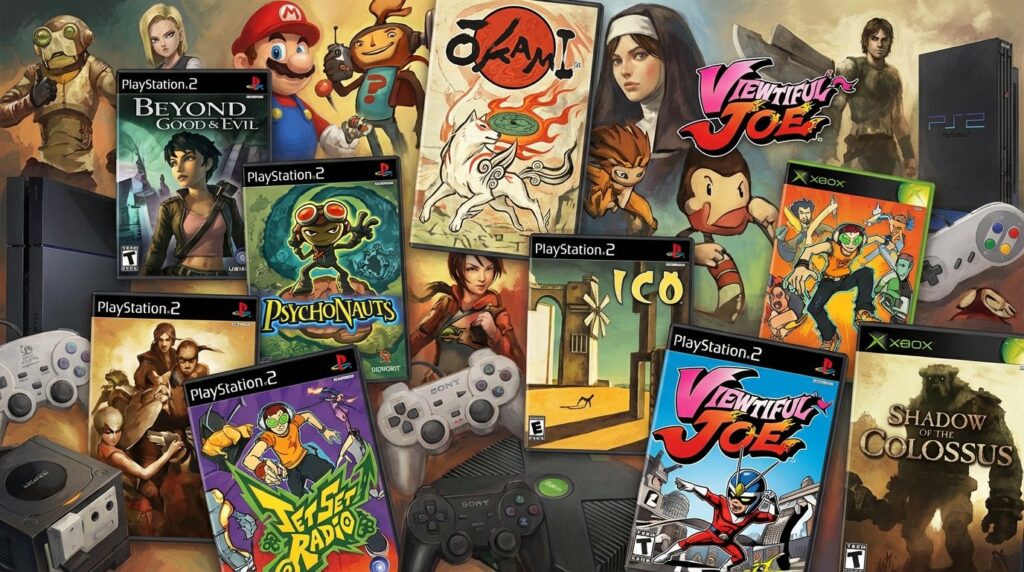
Remember those golden years when your living room was bathed in the glow of a chunky CRT TV, and the whir of a disc drive meant hours of pure, unadulterated gaming bliss? The PlayStation 2 and original Xbox weren’t just consoles – they were gateways to new worlds, home to legendary franchises, and, let’s be honest, a few hidden gems that never quite got their time in the spotlight. While some names like Grand Theft Auto: San Andreas and Halo: Combat Evolved have become household names, a treasure trove of underrated classics still waits, begging for another shot at your attention.
As we cruise through 2026, retro gaming is bigger than ever, and it’s the perfect time to dust off those old discs or hunt down digital re-releases. Whether you’re a nostalgic veteran or a curious newcomer, there’s a thrill in discovering (or rediscovering) the games that flew under the radar. These aren’t just relics—they’re the quirky, bold, and sometimes downright revolutionary experiences that helped shape modern gaming, even if the world didn’t appreciate them at the time.
We’ve dug deep into the archives to spotlight 13 underrated PS2 and Xbox classics you absolutely need to replay in 2026. From offbeat RPGs and bold experimental shooters to cult-favorite platformers, these games offer something fresh even decades later. Ready to relive that magic? Let’s dive into the classics that deserve a second chance.
Psychonauts
Story
Psychonauts drops you into the wild, imaginative mindscapes of Razputin “Raz” Aquato, a young psychic runaway who infiltrates a mysterious summer camp for psychic children. The plot spirals into a surreal adventure as Raz uncovers a sinister conspiracy involving mind control, brain theft, and a cast of eccentric, deeply-layered characters. Every level is literally set inside someone’s mind, exploring their deepest fears, neuroses, and dreams in a way that’s as hilarious as it is heartfelt.
As Raz unravels the mysteries of the camp, he forges friendships, faces his own childhood traumas, and battles bizarre villains. The writing is razor-sharp, packed with wit and emotional depth, and the world feels genuinely alive. Each new mind you enter is a narrative and visual feast, making you eager to see what’s around the next psychic corner.
Gameplay
Psychonauts blends classic 3D platforming with inventive psychic powers. You’ll float, levitate, set enemies on fire, and even hurl telekinetic objects at your foes. The platforming is tight and responsive, but it’s the creative level design that steals the show. Each mindscape is a unique playground, from a neon-lit disco inferno to a twisted suburbia crawling with paranoia.
Puzzles, collectibles, and secrets are everywhere, rewarding exploration and curiosity. The game maintains a brisk pace, constantly introducing new mechanics and psychic abilities so you’re never stuck doing the same thing for too long. Boss fights are memorable and often require clever use of your growing arsenal of powers.
Why it’s on this list
Despite critical acclaim, Psychonauts struggled commercially at launch and became a cult favorite only years later. Its originality, humor, and heartfelt narrative have aged beautifully, making it a must-play for anyone who missed it the first time. The game’s boldness in tackling mental health themes long before it was mainstream also deserves serious recognition.
Graphics and Sound
The game’s art direction is pure Tim Burton meets Saturday morning cartoon, bursting with color and personality. Character designs are intentionally odd, giving the world a distinct charm. The soundtrack is equally eclectic, with each mindscape boasting its own memorable musical motif. Voice acting is top-notch, bringing every quirky character to life.
Legacy and Reception
Psychonauts eventually became a cult classic, spawning a long-awaited sequel and influencing a generation of narrative-driven games. Critics praised its creativity, but lackluster sales kept it in the shadows for years. In 2026, it’s celebrated as a pioneering work that was simply ahead of its time.
Jade Empire
Platform | Xbox, PC |
|---|---|
Publisher | Bioware |
Genre | Action RPG |
Release Date | 04/12/2005 |
Story
In Jade Empire, you step into the shoes of a martial artist in an ancient, mythological version of China, guided by Bioware’s signature storytelling. As a student in a secluded dojo, your peaceful life is shattered when your master is abducted and dark forces threaten the empire. The tale weaves philosophy, political intrigue, and supernatural elements, drawing you into a world where spirits and humans collide.
Choices matter, and your decisions affect both your journey and the fate of the empire. With multiple endings, betrayals, and a rich cast of companions, Jade Empire’s narrative is as deep as it is engaging. The writing balances grandiose epic with personal stories, making every twist hit home.
Gameplay
Jade Empire stands out with its real-time martial arts combat system. Instead of the turn-based battles Bioware was known for, you execute combos, switch fighting styles, and unleash mystical powers on the fly. The game encourages experimentation with different disciplines, from fast hand-to-hand strikes to brutal weapon attacks and magical transformations.
Exploration is rewarded, with hidden secrets, side quests, and branching dialogue everywhere. You’ll recruit memorable companions, each with their own skills and backstories, and make moral choices that shape your path. The game blends action, RPG mechanics, and cinematic storytelling seamlessly.
Why it’s on this list
Jade Empire often gets overshadowed by Bioware’s bigger franchises like Mass Effect and Dragon Age. Yet its unique setting, gripping story, and innovative combat make it a lost gem that deserves more love. If you’re craving an RPG with a distinct flavor and genuine replay value, Jade Empire is a must-revisit.
Graphics and Sound
For its time, Jade Empire’s visuals were lush and atmospheric, with detailed environments inspired by Eastern mythology. The game’s art direction stands out even today, and the music score—infused with traditional Chinese instruments—immerses you in its world. Voice acting is robust, with standout performances across the cast.
Legacy and Reception
While Jade Empire earned critical praise, it never reached the blockbuster status of its Bioware siblings. Over the years, it’s developed a passionate fanbase and is now seen as one of the studio’s boldest experiments. In 2026, it’s ripe for rediscovery, especially by RPG aficionados hungry for something off the beaten path.
Beyond Good & Evil
Story
Set on the planet Hillys, Beyond Good & Evil follows photojournalist Jade as she uncovers a government conspiracy involving an alien invasion. Armed with her camera and a fierce sense of justice, Jade’s journey takes her from the depths of seedy slums to the heights of political power. The story blends science fiction, social commentary, and humor, tackling themes of censorship, propaganda, and resistance.
Jade’s personal stakes are high as she fights to protect her adoptive family and expose the truth. The narrative’s pacing is tight, with plenty of twists, memorable characters (including her pig uncle Pey’j), and a tone that balances gravity with warmth and wit.
Gameplay
Beyond Good & Evil offers a heady mix of stealth, combat, exploration, and puzzle-solving. Jade’s camera is as important as her staff, encouraging players to document creatures and evidence. The game world is open and inviting, filled with secrets, side missions, and hovercraft races.
Combat is simple but satisfying, with upgrades and gadgets keeping things fresh. Stealth segments are tense, and the environmental puzzles are cleverly integrated. The game’s structure rewards curiosity and engagement with its richly detailed world.
Why it’s on this list
Despite its critical acclaim, Beyond Good & Evil was a commercial disappointment at launch. It’s now hailed as one of the most innovative action-adventure games of its era, blending genres and storytelling with style. If you missed out or only vaguely remember Jade’s quest, 2026 is the perfect moment to experience this cult classic all over again.
Graphics and Sound
The game’s art style is vibrant and timeless, with expressive characters and imaginative world-building. The soundtrack is haunting and atmospheric, enhancing every emotional beat. Sound design and voice acting are both top-tier, lending the game a cinematic polish.
Legacy and Reception
Beyond Good & Evil’s influence can be seen in countless modern adventure games, and the long-awaited sequel has kept it in the gaming conversation. Its mix of heart, humor, and sharp social commentary make it a standout, and its fanbase only grows more passionate with each passing year.
The Suffering
Story
The Suffering plunges you into the grim, nightmarish world of Abbott State Penitentiary, where convicted inmate Torque is haunted by both monsters and the ghosts of his own past. As an earthquake unleashes unspeakable horrors upon the prison’s inmates and staff, Torque must battle his way to freedom while confronting the mystery of his family’s murder—a crime he may or may not have committed.
The narrative is a psychological rollercoaster, blending supernatural horror with real-world trauma. Player choices throughout the game affect not only the story’s outcome but also Torque’s own sanity, leading to multiple endings and a sense of personal investment in every decision.
Gameplay
The Suffering combines third-person action with survival horror, letting you wield firearms and melee weapons as you fight grotesque, symbolic monsters. The game’s combat is fast-paced and visceral, but resource management and environmental puzzles inject tension and strategy.
A unique morality system tracks your choices, influencing both the story and Torque’s physical appearance. The game’s horror isn’t just jump scares—it’s the creeping dread of not knowing whether the real threat is the monsters outside or the guilt within.
Why it’s on this list
The Suffering never quite broke into the mainstream, but it’s a masterclass in psychological horror that deserves more attention. Its blend of action, atmosphere, and meaningful choice was ahead of its time, setting the stage for future genre mashups. If you’re in the mood for something truly unsettling, this is your ticket.
Graphics and Sound
The game’s gritty visuals and oppressive environments create a suffocating sense of dread. Creature designs are nightmarish, each representing a twisted aspect of prison life. The soundscape is chilling—moans, screams, and eerie music keep you on edge, while voice acting sells every moment of fear and doubt.
Legacy and Reception
Though it spawned a sequel and a cult following, The Suffering is still overlooked in horror game discussions. Critics praised its storytelling and atmosphere, but it never reached the heights of Resident Evil or Silent Hill. In 2026, it’s a perfect example of a hidden gem that’s still deeply disturbing—and deeply rewarding.
Indigo Prophecy (Fahrenheit)
Story
Indigo Prophecy thrusts players into a cinematic murder mystery in the heart of a snow-covered New York City. You control multiple protagonists—including Lucas Kane, who’s possessed to commit a brutal killing in a diner—and must unravel a supernatural conspiracy before more innocent lives are lost. The story is a blend of noir, thriller, and paranormal intrigue, with constant twists and a split narrative that keeps you guessing.
Choices and consequences are at the heart of Indigo Prophecy’s story, with branching paths and multiple endings. The narrative’s ambition is matched only by its emotional stakes, as the characters grapple with guilt, love, and the fate of humanity itself.
Gameplay
Indigo Prophecy pioneered the interactive drama genre with its mix of exploration, quick-time events, and dialogue trees. You’ll investigate crime scenes, interrogate suspects, and make snap decisions that alter both the story and your characters’ mental states.
The gameplay is varied—sometimes you’re solving puzzles, other times you’re running from the police or engaging in tense action sequences. The focus is always on immersion, making you feel like both director and actor in this dark drama.
Why it’s on this list
Though later overshadowed by Quantic Dream’s own Heavy Rain and Detroit: Become Human, Indigo Prophecy is a trailblazer that deserves a second look. Its narrative experimentation and willingness to embrace the weird make it a standout in the PS2 and Xbox libraries.
Graphics and Sound
For its era, Indigo Prophecy’s moody visuals and expressive character models set a new standard for cinematic presentation. The atmospheric soundtrack and strong voice acting draw you deep into its world, heightening the emotional impact of every scene.
Legacy and Reception
While some criticized its story for going off the rails, Indigo Prophecy remains a cult classic, revered for its innovation. Its influence on later narrative games is undeniable, and in 2026, it’s a fascinating time capsule of early interactive storytelling.
Otogi: Myth of Demons
Story
In Otogi: Myth of Demons, you play as Raikoh, a resurrected warrior tasked with cleansing a demon-infested, dreamlike version of ancient Japan. The story is steeped in myth and melancholy, as Raikoh seeks redemption for his past sins while battling supernatural forces threatening the balance of the world.
The narrative unfolds through cryptic cutscenes and environmental storytelling, immersing you in a haunting, ethereal world where death and rebirth are constant themes. The atmosphere is thick with mythic resonance, making every victory feel poetic.
Gameplay
Otogi’s gameplay is a kinetic blend of hack-and-slash action and environmental destruction. Raikoh can unleash devastating magic, perform aerial combos, and obliterate entire buildings in his pursuit of demons. The game rewards aggressive, stylish play, allowing you to juggle enemies and chain attacks with fluid grace.
Level design is open-ended, encouraging exploration and experimentation with different weapons and spells. Boss battles are epic, and the challenge is formidable, demanding both reflexes and strategy. The game’s sense of scale and spectacle is unmatched for its time.
Why it’s on this list
Otogi: Myth of Demons never achieved mainstream success, but it’s beloved by action game aficionados for its unique setting, fluid combat, and haunting mood. It’s a must-revisit for anyone craving a blend of beauty and brutality—especially in an era where mythic action games are rare.
Graphics and Sound
The visuals are a feast of swirling mists, crumbling temples, and grotesque monsters, all rendered in a painterly style. The soundtrack mixes traditional Japanese instruments with ominous choral arrangements, wrapping you in an otherworldly ambiance. Sound design is lush, enhancing every swing of your blade.
Legacy and Reception
While Otogi didn’t spawn a lasting franchise, it inspired future games with its bold aesthetics and gameplay. Critics lauded its presentation and combat, but it remained a cult title. In 2026, it stands as a haunting masterpiece waiting for rediscovery.
Freedom Fighters
Story
Freedom Fighters throws you into an alternate history New York City, where Soviet forces have invaded and occupied America. You play as Chris Stone, an everyman plumber turned resistance leader, forced to fight for liberty in his own backyard. The story is a high-octane blend of military action and guerrilla warfare, with a focus on brotherhood, sacrifice, and the will to resist oppression.
The plot unfolds through a series of daring missions, as you recruit allies, sabotage enemy operations, and turn the tide of war. The stakes are personal and national, making every victory feel urgent and hard-won.
Gameplay
Freedom Fighters stands out for its innovative squad-based combat system. You command a growing band of rebels, issuing orders on the fly to flank enemies, hold positions, or storm objectives. The action is fast, fluid, and deeply satisfying, blending third-person shooting with tactical depth.
Missions are open-ended, allowing you to choose your approach and tackle objectives in any order. The game encourages improvisation, and the AI for both allies and enemies was ahead of its time. Resource management—like securing weapons and healing supplies—keeps the tension high.
Why it’s on this list
Despite rave reviews, Freedom Fighters was overshadowed by other shooters of its era. Its bold alternate history, addictive gameplay, and emphasis on teamwork make it one of the most replayable and underrated action games of the PS2 and Xbox generation. It’s a blueprint for modern squad shooters that’s still incredibly fun in 2026.
Graphics and Sound
The visuals capture a gritty, war-torn New York with impressive detail for its age. Explosions, gunfire, and the chaos of battle are brought to life with immersive sound design. The dynamic soundtrack swells during firefights, driving home the intensity of your struggle.
Legacy and Reception
Freedom Fighters inspired a loyal following and is still cited as a cult classic. Its influence can be seen in later squad-based shooters, and calls for a sequel have only grown louder. In 2026, it’s a perfect reminder of how much fun a well-crafted action game can be.
Gregory Horror Show
Story
Based on the surreal Japanese anime, Gregory Horror Show casts you as a lost soul trapped in the mysterious Gregory House, a haunted hotel run by the unsettling mouse Gregory. Your goal? Escape before you lose your mind. The story is a bizarre, darkly comic odyssey, filled with oddball guests who each guard their own “soul bottle”—the key to your freedom.
As you navigate the labyrinthine hotel, you’ll unravel the secrets of its twisted residents and piece together the truth behind your own predicament. The narrative is both unsettling and strangely charming, making every encounter memorable.
Gameplay
Gregory Horror Show is a stealth-horror adventure with a unique day-night cycle. You must sneak through the hotel, observe guests’ routines, and steal their soul bottles without being caught. Each resident has distinct behaviors and patterns, and learning their quirks is key to survival.
The tension comes from both the unpredictable AI and the ever-present threat of insanity. Your character’s sanity meter depletes as you witness disturbing events, leading to hallucinations and, eventually, game over. The gameplay loop is addictive, with every successful heist feeling both nerve-wracking and rewarding.
Why it’s on this list
Gregory Horror Show is one of the weirdest, most original horror games on the PS2—a title that never got the attention it deserved outside Japan and Europe. Its blend of stealth, psychological horror, and offbeat humor make it a true hidden gem, especially for those who crave something different.
Graphics and Sound
The game’s cel-shaded visuals perfectly capture the anime’s surreal, dreamlike style. Characters are exaggerated and expressive, and the hotel’s design is both cozy and deeply unsettling. Eerie sound effects and a whimsical soundtrack keep you on edge throughout your stay.
Legacy and Reception
While it remains a niche title, Gregory Horror Show has a devoted fanbase and is recognized as a cult classic. Critics praised its originality and atmosphere, though its unconventional gameplay kept it under the radar. In 2026, it’s a perfect pick for horror enthusiasts seeking something wholly unique.
Phantom Dust
Story
In Phantom Dust, you awaken in a post-apocalyptic world where amnesia and psychic powers are the norm. As a member of an underground resistance, your mission is to recover lost memories and unravel the mystery behind the world’s collapse. The story is fragmented and mysterious, delivered in cryptic dialogue and atmospheric cutscenes.
The narrative explores themes of identity, memory, and trust, with every revelation adding layers to its enigmatic world. The story’s ambiguity is part of its charm, encouraging players to piece together the truth from scattered clues.
Gameplay
Phantom Dust combines third-person action with collectible card game mechanics. You build a deck of “skills”—psychic attacks, defenses, and mobility powers—and use them in real-time battles across destructible arenas. Strategy is key, as you must adapt on the fly to both your opponent’s tactics and the random draw of your own abilities.
The game’s multiplayer mode became legendary for its depth and unpredictability, but the single-player campaign is equally engaging, offering challenging battles and strategic experimentation. The fusion of action and deck-building was years ahead of its time.
Why it’s on this list
Phantom Dust is one of the most innovative games to ever grace the original Xbox, but it never found a wide audience outside Japan. Its unique mechanics and mysterious world make it a must-play for fans of both strategy and action. If you want something truly different, this is your game.
Graphics and Sound
The game’s visuals are moody and atmospheric, with crumbling ruins and psychic effects that still look striking in 2026. The soundtrack is haunting, with ambient tracks that underscore the game’s post-apocalyptic melancholy. Sound design is sharp, emphasizing the impact of every psychic battle.
Legacy and Reception
Though it struggled commercially, Phantom Dust’s cult status has only grown. The game’s influence can be seen in later genre hybrids, and it remains a touchstone for experimental design. In 2026, it’s a prime example of a classic that was simply ahead of its time.
Mark of Kri
Story
Mark of Kri introduces you to Rau Utu, a stoic warrior on a quest to protect his homeland from dark sorcery. The story blends Polynesian and Maori mythology with a classic hero’s journey, creating a world both exotic and inviting. Rau’s tale unfolds through beautifully animated cutscenes and the wise narration of his raven companion, Kuzo.
The plot balances moments of humor and warmth with intense, violent conflict. As Rau unravels a plot that threatens his family and his people, the stakes become deeply personal, making every victory feel hard-earned.
Gameplay
The Mark of Kri’s gameplay is a unique blend of stealth, action, and tactical combat. Rau can mark multiple enemies and dispatch them with fluid, cinematic combos. The innovative targeting system allows you to control crowds with style, chaining attacks and using the environment to your advantage.
Levels are varied, mixing open combat with tense stealth sections. Kuzo, your raven companion, adds a layer of strategy, scouting ahead and triggering switches from afar. The game rewards creative thinking, and the combat never feels repetitive thanks to its depth and variety.
Why it’s on this list
Mark of Kri never became a household name, but its superb combat system and rich world-building make it a standout action-adventure. It’s a perfect example of a game that pushed boundaries but didn’t get the recognition it deserved. In 2026, it’s still a joy to play and discover.
Graphics and Sound
The visuals marry cartoonish character designs with surprisingly mature themes, creating a striking contrast. Animations are fluid and brutal, while the lush environments evoke a sense of ancient wonder. The soundtrack is atmospheric, with tribal drums and flutes setting the mood, and the voice acting is both charming and evocative.
Legacy and Reception
Though it spawned a sequel, Mark of Kri remains a cult favorite. Critics praised its originality and combat, but it was overshadowed by bigger franchises. In 2026, it’s ripe for a new generation of players to appreciate its artistry and innovation.
Psi-Ops: The Mindgate Conspiracy
Story
Psi-Ops: The Mindgate Conspiracy puts you in the boots of Nick Scryer, an amnesiac psychic soldier battling a shadowy terrorist group with world-bending powers. The story is part sci-fi thriller, part action blockbuster, as Nick recovers his memories and uncovers a conspiracy that could change the fate of humanity.
The narrative is filled with twists and double-crosses, blending comic book flair with espionage intrigue. Nick’s struggle to master his powers and stop the Mindgate conspiracy makes for a rollercoaster ride, with the stakes escalating at every turn.
Gameplay
Psi-Ops revolutionized third-person shooters with its psychic power mechanics. You can telekinetically hurl enemies, set objects ablaze, possess minds, and even walk through walls. These powers are integrated seamlessly into gunplay, allowing for creative, chaotic combat encounters.
Levels are packed with puzzles and destructible environments, encouraging experimentation. The game’s physics engine adds to the mayhem, making every fight feel unpredictable and dynamic. The mix of shooting and supernatural abilities is endlessly entertaining.
Why it’s on this list
Despite critical praise, Psi-Ops flew under the radar and never spawned a sequel. Its innovative mechanics and tight pacing make it one of the most replayable action games of its era. In 2026, it’s a testament to how much fun pure gameplay experimentation can be.
Graphics and Sound
Psi-Ops boasts detailed environments, flashy psychic effects, and stylish character designs. The soundtrack pulses with energy, while sound effects and voice acting keep the adrenaline pumping. The game’s presentation still holds up, thanks to its creative flair.
Legacy and Reception
Psi-Ops is often cited as an inspiration for later psychic-themed games, but it remains criminally underrated. Its blend of action and superpowers was ahead of the curve, and in 2026, it’s a must-play for fans of inventive shooters.
God Hand
Story
God Hand is a wild, over-the-top beat-’em-up set in a bizarre, post-apocalyptic world where demons and spirits run rampant. You play as Gene, a wisecracking drifter who acquires the legendary “God Hand”—a mythical arm that grants him superhuman fighting prowess. The story is a tongue-in-cheek celebration of campy martial arts tropes, packed with absurd villains, ridiculous plot twists, and fourth-wall-breaking humor.
Gene’s quest to defeat the demon king Angra and protect humanity is both a parody and a love letter to classic action cinema. The writing is self-aware, hilarious, and unafraid to push boundaries, making every cutscene a treat.
Gameplay
God Hand’s gameplay is a masterclass in challenging, rewarding combat. You string together custom combos from dozens of unlockable moves, dodge attacks with precise timing, and unleash devastating special abilities. The game’s difficulty is infamous, but every victory feels hard-earned and deeply satisfying.
Encounters are varied, with outrageous boss fights and unpredictable enemy patterns. The game never takes itself too seriously, throwing in minigames, power-ups, and slapstick moments. If you crave depth and challenge in your action games, God Hand delivers in spades.
Why it’s on this list
God Hand was misunderstood at launch, dismissed by many for its difficulty and offbeat humor. Now, it’s recognized as a cult classic—one of the most unique and entertaining brawlers on PS2. In 2026, there’s still nothing else quite like it.
Graphics and Sound
The visuals are stylized and colorful, with expressive character animations and imaginative enemy designs. The soundtrack is a funky blend of rock, surf, and spaghetti western, complementing the game’s irreverent tone. Sound effects and voice acting are gloriously over-the-top.
Legacy and Reception
God Hand’s reputation has only grown over the years, with fans and critics alike praising its mechanics and personality. It’s now a staple of “hidden gem” lists and a must-play for anyone who loves a challenge. In 2026, it’s the ultimate test of skill—and a riotous good time.
Voodoo Vince
Story
Voodoo Vince invites you into a quirky, New Orleans-inspired world as Vince, a voodoo doll brought to life to rescue his owner, Madam Charmaine. The story is a whimsical romp through haunted bayous, jazz-filled streets, and bizarre dreamscapes, packed with humor, charm, and a dash of dark magic.
Vince’s journey is filled with oddball characters, clever dialogue, and plenty of self-aware jokes. The narrative never takes itself too seriously, making it a lighthearted adventure that still manages to be emotionally resonant.
Gameplay
Voodoo Vince is a platformer with a twist: Vince damages himself to defeat enemies and solve puzzles. You’ll unlock a variety of voodoo powers, each with their own outrageous animations—think getting run over by a train or flattened with a mallet, only for Vince to bounce back with a grin.
Levels are packed with creative platforming challenges, hidden secrets, and environmental hazards. The controls are tight, and the game constantly introduces new mechanics to keep things fresh. Boss fights and set pieces are inventive, ensuring you’re never bored.
Why it’s on this list
Voodoo Vince was a sleeper hit on the original Xbox, but it never reached the heights of other platformers. Its unique mechanics, humor, and setting make it a standout that’s still worth playing in 2026. If you’re looking for a platformer with personality, this is your pick.
Graphics and Sound
The art direction is whimsical and detailed, with vibrant colors and imaginative level design. The soundtrack oozes New Orleans flavor, mixing jazz, blues, and carnival tunes. Sound effects and voice acting are top-notch, adding to the game’s playful atmosphere.
Legacy and Reception
Though it eventually saw a remastered release, Voodoo Vince remains underappreciated. Critics praised its creativity and charm, but it was always a cult favorite. In 2026, it’s a reminder that platformers can still surprise and delight.
Kya: Dark Lineage
Platform | PlayStation 2 |
|---|---|
Publisher | Atari |
Genre | Action-Adventure |
Release Date | 11/18/2003 |
Story
Kya: Dark Lineage is a hidden fantasy gem that follows Kya, a young woman transported to a magical world in search of her missing brother. The story quickly escalates as she becomes embroiled in a struggle against the evil ruler Brazul, who is transforming the indigenous Nativs into mindless monsters.
The narrative is heartfelt and adventurous, focusing on Kya’s growth from outsider to hero. Along the way, she forges alliances, discovers her own powers, and unravels the secrets of her lineage. The game’s story is full of warmth, charm, and a dash of darkness.
Gameplay
Kya: Dark Lineage is a 3D platformer and action-adventure hybrid. You’ll leap, glide, and fight your way through expansive levels, each filled with secrets, puzzles, and enemies. Combat is a blend of martial arts and magic, with upgrades and new abilities unlocking as you progress.
Exploration is key, and the world is vast and interconnected, encouraging backtracking and discovery. The game’s mix of platforming, combat, and puzzle-solving keeps things varied, while the difficulty curve is just right for both newcomers and veterans.
Why it’s on this list
Kya: Dark Lineage was overlooked in the crowded platformer market but stands out for its imaginative world, tight gameplay, and engaging story. It’s perfect for fans of action-adventures who want something off the beaten path in 2026.
Graphics and Sound
The visuals are colorful and lush, with detailed character models and vibrant environments. The soundtrack is upbeat and whimsical, matching the game’s adventurous tone. Voice acting and sound effects add personality to every interaction.
Legacy and Reception
Though it never became a blockbuster, Kya: Dark Lineage is fondly remembered by those who played it. Critics praised its creativity and polish, and it remains a cult classic in the platformer community. In 2026, it’s a delightful rediscovery for anyone longing for old-school adventure.
Conclusion
There you have it: 13 criminally underrated PS2 and Xbox classics that are begging for a replay in 2026. Each of these games broke new ground, took creative risks, or simply delivered pure, unfiltered fun—but for one reason or another, never got the mainstream love they deserved. Whether you’re after the psychic chaos of Psi-Ops, the mind-bending worlds of Psychonauts, or the mythic battles of Otogi, there’s a forgotten masterpiece on this list for every kind of gamer.
So dust off your old consoles, fire up those emulators, or track down remasters—these underappreciated gems are ready to show you just how much magic the early 2000s still have to offer. In a gaming landscape packed with sequels and reboots, sometimes the best adventures are the ones hiding in plain sight. Happy replaying!