
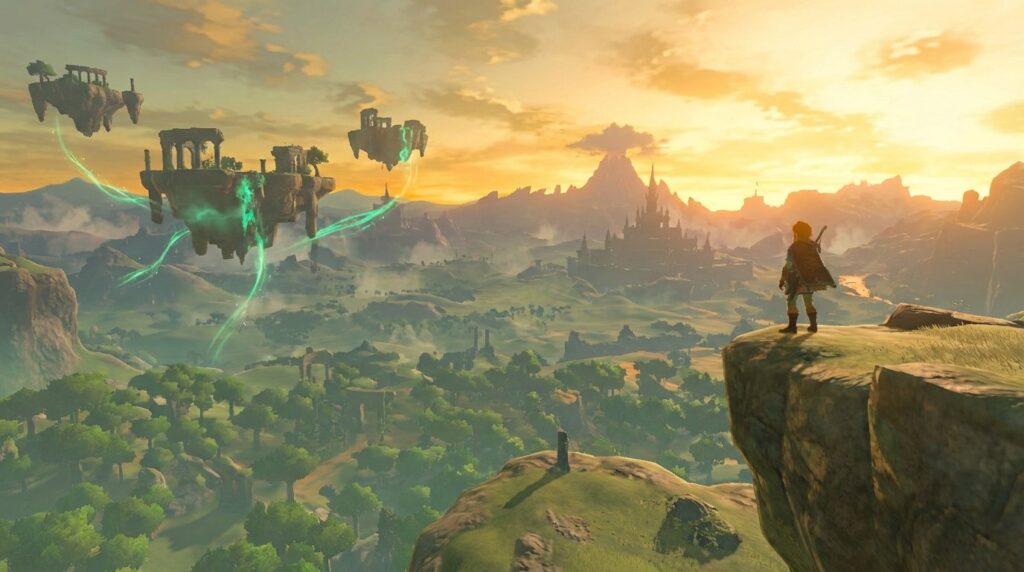
Few franchises command as much reverence and anticipation as The Legend of Zelda. With each new entry, Nintendo shoulders the immense task of not just living up to decades of innovation, but of redefining what an adventure game can be. In 2023, “Tears of the Kingdom” arrived as the much-anticipated successor to “Breath of the Wild,” promising to expand upon its open-world formula and deliver new wonders across Hyrule. Now, in 2026, the game’s influence is still palpable—a testament to its profound impact on both the Zelda legacy and the broader landscape of open-world design.
“Tears of the Kingdom” is not content to merely iterate on past successes. Instead, it reimagines the very fabric of Hyrule, sending players skyward and deep underground, challenging their expectations at every turn. The result is a game that feels at once familiar and strikingly novel, a sprawling epic that rewards curiosity, creativity, and courage in equal measure. Whether you’re a series veteran or a first-time adventurer, the game’s sense of discovery is as intoxicating now as it was at launch.
In a gaming world increasingly dominated by live service models and rapid-fire sequels, “Tears of the Kingdom” stands apart as a meticulously crafted, single-player odyssey that values exploration and player agency above all. Its arrival marked a watershed moment for the genre, inspiring countless imitators but remaining, as of 2026, peerless in its execution. Let’s dive deep into the mechanics, systems, and artistry that make “Tears of the Kingdom” such a towering achievement.
Gameplay: Freedom Forged in Adventure
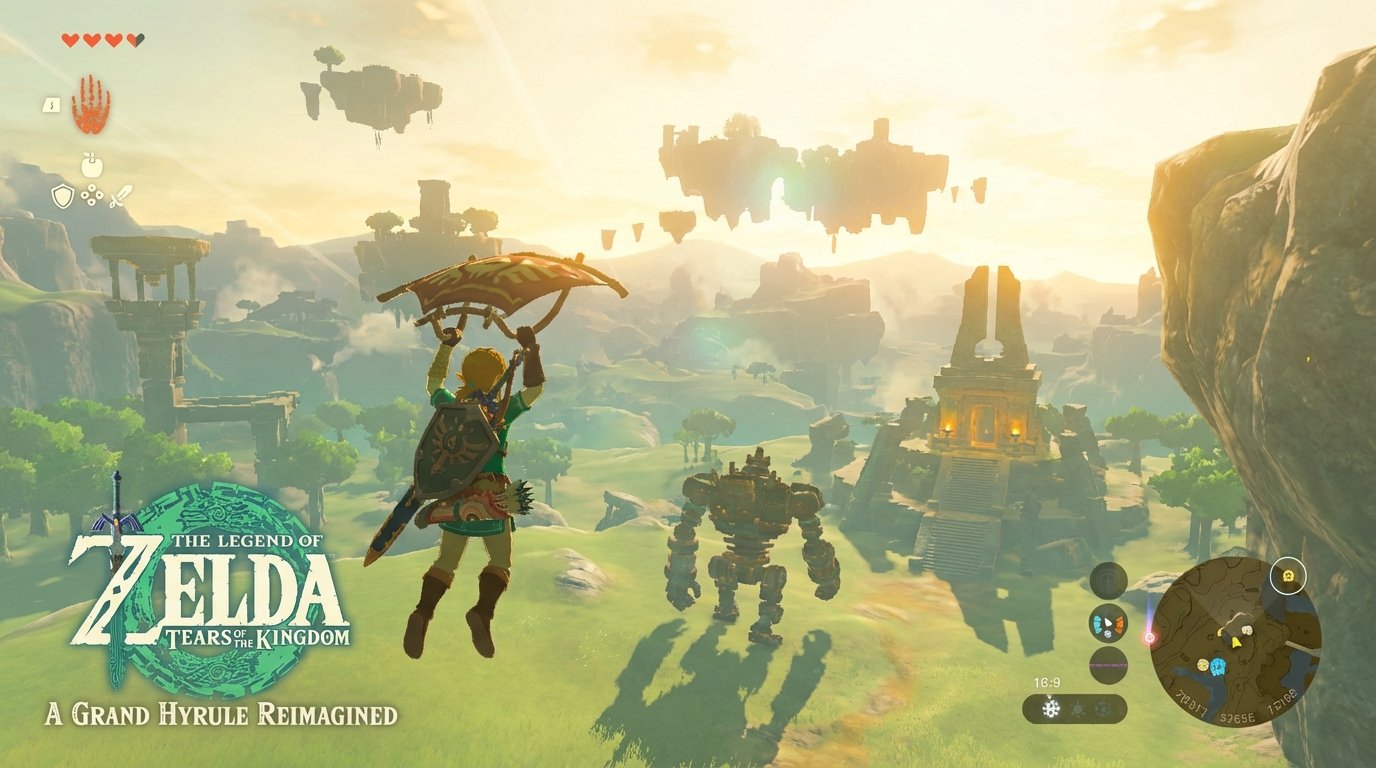
At its heart, “Tears of the Kingdom” is defined by its unwavering commitment to player freedom. From the moment Link awakens, the game hands you the reins and encourages experimentation. The sheer scale of Hyrule—now expanded to include floating islands and subterranean depths—invites exploration in every direction. Unlike more linear adventures, you’re rarely funneled down a set path; instead, the world responds organically to your choices, rewarding boldness and ingenuity.
The game’s physics-driven systems remain a highlight, offering countless opportunities for emergent gameplay. Whether you’re gliding from a sky island, constructing makeshift vehicles, or leveraging the environment to outwit enemies, every encounter feels dynamic and unscripted. This is a world where curiosity is king, and the game’s mechanics are designed to empower rather than restrict.
Combat, too, is a fluid affair. While familiar mechanics like parrying and dodging return, the emphasis on improvisation means no two battles play out the same way. The fusion of weapon degradation and crafting ensures that players are always adapting, turning adversity into an opportunity for creativity. In a landscape of formulaic action-adventure titles, “Tears of the Kingdom” makes risk-taking exhilarating again.
Core Mechanics
Building on the foundation of “Breath of the Wild,” the core mechanics of “Tears of the Kingdom” have been refined to near-perfection. The stamina and health systems remain central, creating constant tension as you scale cliffs, explore hazardous environments, or engage in combat. However, the real innovation lies in the expanded toolset at Link’s disposal.
The reimagined rune abilities—now integrated into the mysterious Zonai technology—offer far more versatility than ever before. Abilities like Ultrahand, Fuse, Ascend, and Recall fundamentally alter the way players interact with the world. Ultrahand allows for object manipulation and construction, turning every pile of debris into potential solutions for puzzles or traversal. Fuse adds a layer of strategy to combat and exploration, letting players combine weapons, shields, and materials in surprising ways.
These systems work seamlessly together, fostering a sense of infinite possibility. The game rarely, if ever, tells you how to solve a problem. Instead, it provides a rich set of tools and trusts you to experiment. This philosophy is woven into every aspect of the experience, from dungeons to overworld exploration, making each victory feel truly earned.
New Additions and Features
“Tears of the Kingdom” is brimming with new features that dramatically expand what a Zelda adventure can be. The most striking addition is the verticality of its world: Hyrule’s skies are now dotted with vast floating islands, each with its own mysteries, challenges, and aesthetic. Exploring these aerial realms is a joy, as you leap from one cloud-cloaked platform to the next, piecing together ancient lore and unlocking powerful upgrades.
Equally transformative is the introduction of The Depths, a sprawling underworld rife with danger and intrigue. These shadowy caverns present a stark contrast to the open fields and sunlit peaks above, filled with unique enemies, resources, and puzzles. Navigating the darkness requires careful planning and resource management, adding a layer of tension and strategy not seen in previous entries.
For the first time, player-driven construction takes center stage. With the Ultrahand ability, players can assemble vehicles, bridges, and even rudimentary flying machines. This system goes beyond mere novelty, becoming essential for traversing the expanded world and solving some of the game’s most devious puzzles. The sense of ownership and creativity this engenders is immense—you’re not just exploring Hyrule, you’re actively shaping it.
Single-Player Campaign
“Tears of the Kingdom” delivers one of the most ambitious single-player campaigns in the series’ storied history. The main quest is sprawling but never overwhelming, broken up into expertly paced story arcs that encourage both narrative progression and freeform exploration. Whether you’re chasing down the next main objective or losing yourself in side quests, the game’s structure respects your time and curiosity.
Dungeons make a triumphant return, each one uniquely themed and built around new mechanics. These aren’t mere combat gauntlets—they’re intricate, multi-layered spaces that demand cleverness and adaptability. The satisfaction of unraveling their secrets is immense, and each dungeon feels meaningfully distinct from its peers.
Side content is equally robust, ranging from elaborate quest chains to spontaneous world events. The game rewards those who stray from the beaten path, often with memorable characters, surprising challenges, or powerful gear. It’s a campaign designed to be savored, not rushed, and one that remains fresh and engrossing dozens of hours in.
Story and Setting
The narrative of “Tears of the Kingdom” takes bold risks, weaving together ancient myths, personal stakes, and the ever-present struggle between light and darkness. While Link remains a silent protagonist, the supporting cast is more fleshed out than ever, with Princess Zelda taking on a particularly active and poignant role. The game’s central mystery—centered around the enigmatic Zonai civilization and the titular “tears”—unfolds in a masterfully paced fashion, blending environmental storytelling with cinematic set pieces.
Hyrule itself is a character, its landscape scarred by past calamities and teeming with new life. From the windswept peaks of Hebra to the haunted depths beneath the surface, each region tells its own story through architecture, weather, and local inhabitants. The writing strikes a careful balance between epic fantasy and intimate moments, ensuring that the stakes always feel personal even as the fate of the world hangs in the balance.
In a gaming era where narratives can sometimes feel shallow or perfunctory, “Tears of the Kingdom” stands out for its emotional depth and thematic ambition. The game grapples with loss, legacy, and the cyclical nature of time, offering a story that resonates long after the credits roll.
Level Design
The level design in “Tears of the Kingdom” represents the culmination of decades of Zelda innovation. Each environment is meticulously crafted, balancing freedom with subtle guidance. Shrines return as bite-sized challenges, but with far more mechanical variety than before. Some test your combat prowess, others your puzzle-solving skills or creativity with new abilities. Each one feels like a miniature masterclass in design, offering just the right amount of challenge and reward.
The dungeons are a particular highlight, blending classic Zelda tropes with modern sensibilities. They’re sprawling, interconnected spaces that demand lateral thinking, often making clever use of verticality and the new construction mechanics. Unlike many open-world games, which can suffer from repetitive or uninspired environments, “Tears of the Kingdom” ensures that every corner of Hyrule feels purposeful and alive.
Overworld traversal is another triumph. The interplay between sky, surface, and depths means that routes are rarely straightforward. Players are constantly encouraged to think three-dimensionally, using their abilities to forge new paths and uncover well-hidden secrets. The result is a world that feels both vast and densely packed with meaningful content—a rare feat even by 2026’s standards.
Multiplayer and Online Experience
Unlike many modern blockbusters, “Tears of the Kingdom” remains a staunchly single-player affair. There’s no traditional multiplayer mode, nor does the game feature co-op play. However, Nintendo has embraced the spirit of community through indirect online features, such as sharing creative builds or solution videos via the integrated Switch Online platform.
The absence of multiplayer is a conscious design choice, one that reinforces the game’s focus on personal adventure and discovery. While some may lament the lack of cooperative play, the sheer depth of the single-player experience more than compensates. Moreover, the game has fostered a vibrant online community, with players swapping tips, sharing inventive constructions, and collaborating to uncover the world’s deepest secrets.
In a climate where most blockbuster titles chase persistent online engagement, “Tears of the Kingdom” proves that a masterfully crafted solo journey can still captivate and unite millions of players worldwide.
Graphics and Visuals
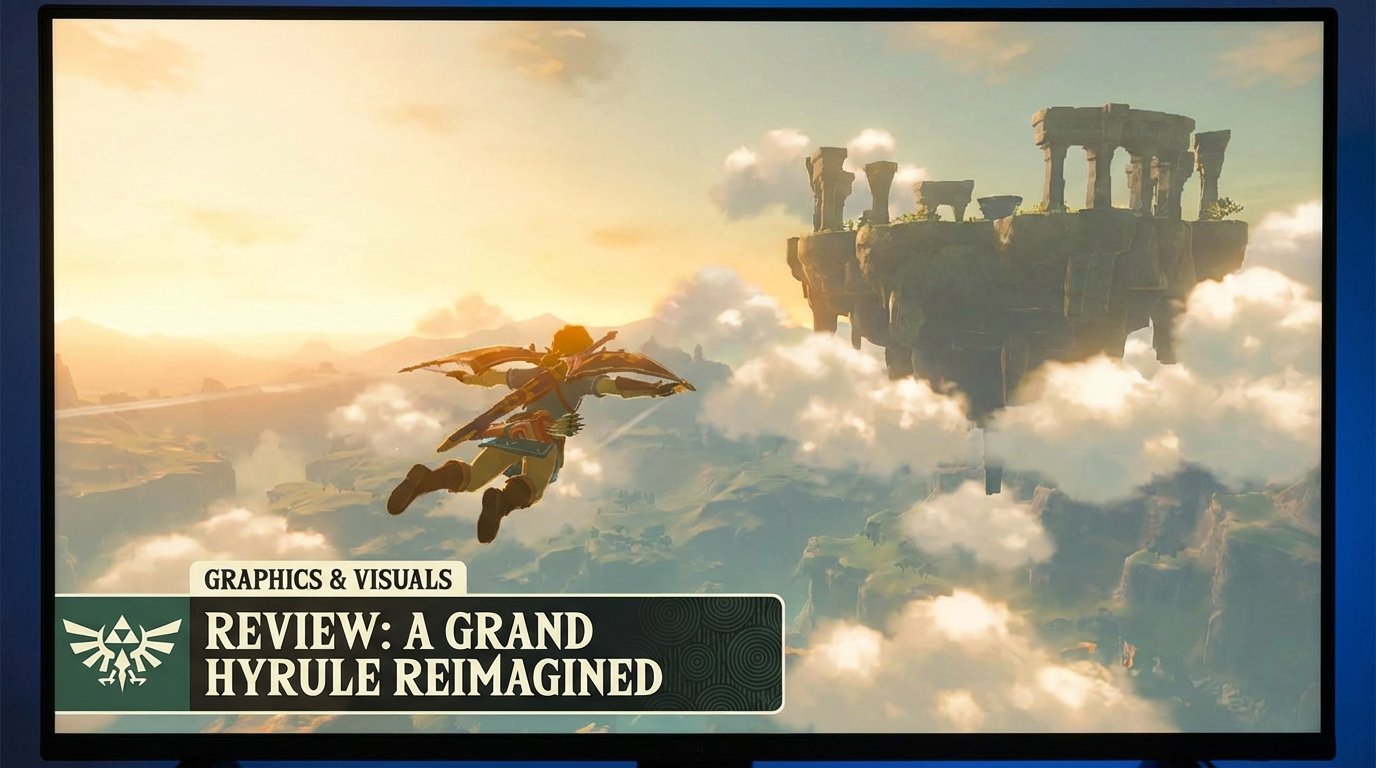
While “Tears of the Kingdom” runs on aging hardware by 2026 standards, its art direction is nothing short of breathtaking. The visual style is a continuation of “Breath of the Wild’s” painterly aesthetic, with bold colors, lush vistas, and striking lighting effects. Every region of Hyrule feels distinct, from the golden hues of the Gerudo Desert to the verdant forests of Faron and the eerie glow of the underground Depths.
The sky islands are a technical marvel, offering seamless transitions between earth and heavens without a single loading screen. The sense of scale is staggering—standing atop a floating ruin and gazing down at the world below is a moment of pure wonder, and one that never loses its impact. Character models are expressive and detailed, with subtle animations that bring the world to life.
Performance is impressively stable, a testament to Nintendo’s technical prowess. While not pushing the boundaries of photorealism, the game’s visuals are timeless. In an industry often obsessed with raw graphical horsepower, “Tears of the Kingdom” is a reminder that thoughtful art direction and optimized design can deliver awe-inspiring results even on modest hardware.
Soundtrack and Audio Design
The audio landscape of “Tears of the Kingdom” is as evocative as its visuals. The soundtrack, composed by Manaka Kataoka and her team, builds on the ambient motifs of its predecessor while introducing sweeping orchestral themes for key moments. Whether you’re cresting a mountain ridge, delving into an ancient temple, or bracing for a climactic battle, the music adapts fluidly to match the mood.
Sound design is equally meticulous. Environmental audio cues—rustling grass, distant thunder, the clatter of Zonai machinery—immerse you in Hyrule’s every nook and cranny. Enemies are signaled by distinctive audio stings, and the subtle use of silence enhances moments of tension and awe. It’s a game that doesn’t just ask to be seen, but felt and heard on a deeply sensory level.
Voice acting, though still used sparingly, is more confident and emotive than ever. Key story beats are delivered with gravitas, particularly in scenes featuring Zelda and the new cast of supporting heroes. Combined with the lush musical tapestry, the audio design elevates the narrative and gameplay, making “Tears of the Kingdom” a feast for both eyes and ears.
Conclusion: Should You Play It?
In an era crowded with sprawling open-world adventures and ever-evolving live service games, “The Legend of Zelda: Tears of the Kingdom” stands out as a singular achievement. It’s a testament to the power of thoughtful design, boundless imagination, and the enduring magic of discovery. By reimagining Hyrule and empowering players to forge their own paths, Nintendo has delivered an adventure that feels both grand and intimately personal.
“Tears of the Kingdom” doesn’t just build on the legacy of Zelda—it sets a new standard for what open-world games can aspire to. Its ingenious mechanics, captivating world, and emotional storytelling ensure it will be remembered not just as a great Zelda game, but as one of the defining titles of this generation.
If you crave adventure, creativity, and a world that truly rewards curiosity, there’s no question: “Tears of the Kingdom” is an essential journey. Nearly three years on, it remains as fresh, vital, and awe-inspiring as the day it launched. Hyrule has never felt more alive, and the legend has never burned brighter.