
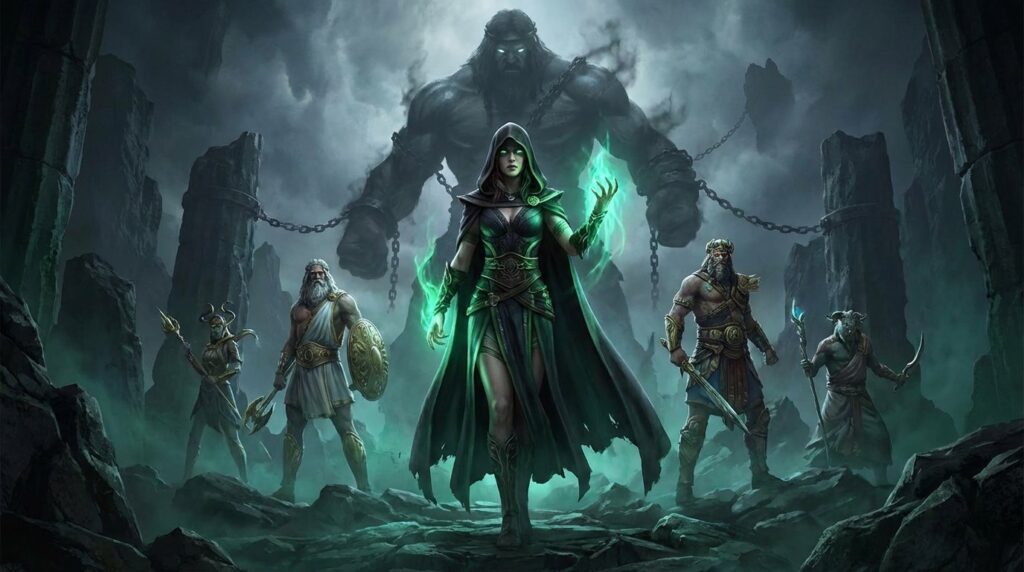
Lightning rarely strikes twice, or so the old adage goes. Yet Supergiant Games, with their signature blend of kinetic gameplay and mythological storytelling, have managed to bottle the storm once again. “Hades II” arrives in 2026 with the weighty expectations of a legendary predecessor and the watchful gaze of a gaming community that has spent years dissecting every detail of Zagreus’s escape from the Underworld. The original “Hades” set a new standard for roguelike action, captivating players with its razor-sharp combat and deeply human take on Greek mythology. Now, Supergiant returns to the wellspring, not to simply retread familiar ground, but to dig deeper, unearthing new gods, new trials, and a story that dares to surpass its own myth.
From its very first moments, “Hades II” feels both achingly familiar and electric with potential. The studio’s hand-painted visuals, thundering soundtrack, and whip-smart writing are instantly recognizable, yet everything is richer, more refined, and more ambitious. The game invites players into a world reborn—a sequel that loves its roots but is never content to rest in their shade. For fans of the original, there is joy in every returning element, now sharpened and expanded. For newcomers, this is a masterclass in accessible yet profoundly deep design.
But does “Hades II” truly transcend the high bar set by its predecessor, or does it simply remix what came before? The answer, refreshingly, is the former. This is a sequel that understands why the first game worked so well, and dares to build boldly on that foundation. It’s a love letter to fans, a challenge to roguelike veterans, and a beacon for those who crave narrative depth in their action games. With the gaming landscape of 2026 more crowded than ever, “Hades II” stands as both a refinement and a revolution—a true divine sequel.
Gameplay: Evolution of the Roguelike Formula
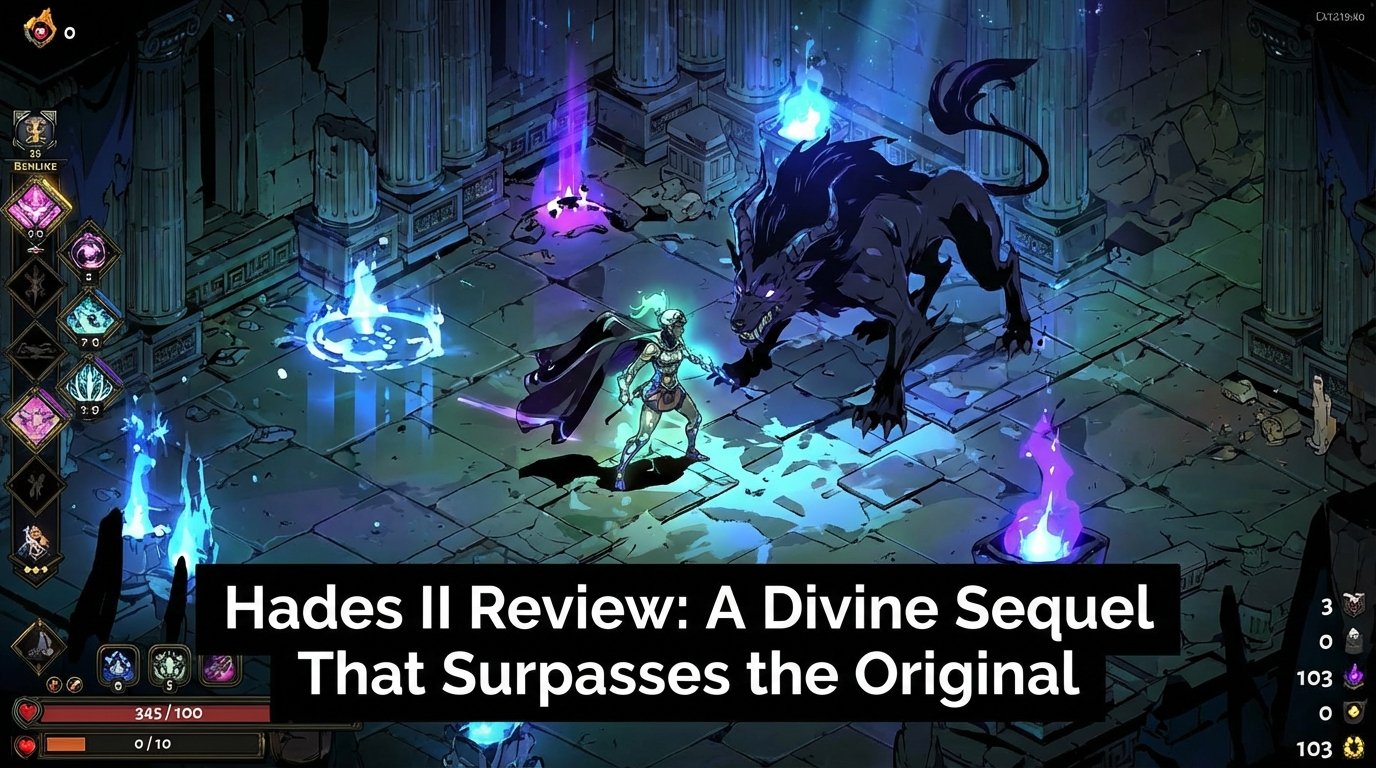
The core of “Hades II” remains a heart-pounding dance of dodges, slashes, and spell-slinging, but everything feels tighter and more responsive. Controls are buttery smooth, with every input translating instantly to on-screen action. The satisfying feedback loop that made the original so addictive has been enhanced, with new layers of tactical decision-making at every turn. Combat is still a blend of skillful reflexes and on-the-fly strategy, but now with even greater emphasis on player creativity and adaptation.
Where other roguelikes might falter under the weight of complexity, “Hades II” thrives. The sequel introduces a host of new weapons, abilities, and magical systems, yet onboarding is seamless. Each run feels like a unique odyssey, rich with choices and possibilities. The learning curve is gentle enough for genre newcomers, yet the ceiling for mastery is dizzyingly high. Supergiant strikes a remarkable balance, ensuring that challenge and accessibility coexist without compromise.
What truly sets “Hades II” apart in the current roguelike renaissance is its sense of momentum. Every attempt at escape feels meaningful, with progress measured not just in victories, but in the relationships forged and secrets uncovered along the way. The game’s kinetic energy is as alluring as ever, but now laced with a deeper sense of consequence—a design triumph that keeps you coming back for “just one more run.”
Core Mechanics
At the heart of “Hades II” is its beautifully tuned loop: descend into procedurally generated realms, battle mythic foes, collect boons from the gods, and push ever deeper toward your goal. This time, you play as Melinoë, a character whose arcane powers introduce fresh dimensions to the familiar formula. Her arsenal is both familiar and novel, blending melee prowess with dark sorcery and tactical resource management.
The boons system—a hallmark of the original—returns with a vengeance. Divine blessings from gods both old and new now synergize in more intricate, sometimes surprising ways. The game encourages experimentation, rewarding risk-takers with powerful combinations that can turn the tide of even the toughest encounters. Each run becomes a puzzle, as you weigh the merits of stacking certain attributes or diversifying your build for flexibility.
Resource management has also evolved, with new currencies and meta-progression systems that grant meaningful upgrades and customization between runs. These upgrades feel impactful without undermining the roguelike tension; “Hades II” ensures that skill and improvisation are always at the forefront. The game’s core mechanics remain approachable, yet brimming with depth—a hallmark of Supergiant’s design philosophy.
New Additions and Features
Where “Hades II” truly distinguishes itself is in its bold new features. Chief among these is the expanded magic system, which allows for spellcasting not just as a supplement to melee combat, but as a core strategic pillar. Melinoë’s connection to witchcraft opens up new playstyles, enabling players to manipulate the battlefield in ways Zagreus could only dream of. From summoning spectral allies to warping the environment, the spell system is a game-changer.
Weapon variety has also seen a dramatic increase. Each weapon now offers multiple upgrade paths, transformations, and synergies with specific boons. The addition of “Arcane Artefacts”—special items found in the depths—further spices up each run, offering temporary but game-altering effects. These artefacts add a welcome layer of unpredictability, ensuring that no two journeys feel alike.
Outside of combat, the sequel introduces new social and relationship mechanics, deepening the connections you forge with both gods and mortals. These interactions are not mere flavor; they directly impact your journey, unlocking unique boons, shortcuts, and narrative branches. The expanded hub areas, including a reconstructed House of Hades and mysterious surface encampments, offer new activities, side quests, and opportunities for story-driven progression.
Single-Player Campaign
The single-player campaign in “Hades II” is nothing short of monumental. While the original set a high bar for storytelling in the roguelike genre, the sequel raises it, offering a narrative that is both more expansive and more personal. Melinoë’s quest is driven by a sense of purpose distinct from Zagreus’s, with stakes that feel both mythic and deeply human. The campaign weaves together procedural gameplay with handcrafted narrative beats, ensuring that every run contributes to the unfolding drama.
Progression feels meaningful, with the storyline elegantly integrated into the roguelike structure. Key milestones unlock new dialogue, cutscenes, and world-changing events. Every major encounter is laced with narrative significance, making the campaign feel less like a series of disconnected runs and more like chapters in a grand, unfolding epic.
Replayability is, of course, at the heart of the experience. Branching paths, multiple endings, and a wealth of side content ensure that each playthrough offers new revelations and challenges. Whether you’re chasing the true ending or simply savoring the journey, “Hades II” delivers a single-player experience that is as compelling as any linear action RPG released in recent years.
Story and Setting
If the original “Hades” was a tale of rebellion and self-discovery, its sequel is a story of legacy, magic, and the eternal struggle between fate and free will. Melinoë’s journey delves into previously unexplored corners of Greek myth, introducing players to new gods, monsters, and realms. The writing is as sharp as ever—witty, poignant, and brimming with character. Supergiant’s narrative team continues to set the gold standard for storytelling in action games.
The setting, too, has expanded in scope and ambition. The Underworld remains a labyrinthine marvel, but “Hades II” takes players further, into the liminal spaces between worlds and the untamed wilds of the surface. Each new locale is steeped in mythological detail, with environmental storytelling that rewards exploration and curiosity. The world feels alive, reactive, and interconnected in ways that few games can match.
Characterization is a particular highlight. Melinoë is a complex protagonist, and the supporting cast—both familiar faces and newcomers—are rendered with depth and nuance. Relationships evolve organically, shaped by your choices and performance in the field. The interplay between gameplay and narrative is seamless, with each informing and enriching the other.
Level Design
“Hades II” excels in its approach to level design, blending procedural generation with handcrafted flair. Each region of the Underworld and beyond feels distinct, with unique threats, environmental hazards, and secrets to uncover. The game’s structure encourages exploration, rewarding players who take risks or stray from the beaten path. The sense of discovery is palpable, with new routes and hidden chambers waiting behind every corner.
Combat arenas are more dynamic and diverse than ever, incorporating verticality, destructible elements, and interactive hazards. These features demand constant adaptation, ensuring that no two encounters feel the same. Environmental storytelling is also front and center, with details woven into every backdrop, from the ruined temples of the surface to the shadowy groves of the Underworld’s outskirts.
The progression through levels is thoughtfully paced, balancing challenge with moments of respite. New shortcuts and persistent changes to the world allow for greater agency, as choices made in one run can open or close opportunities in the next. This gives “Hades II” a sense of continuity and growth that is rare in procedurally generated games.
Multiplayer and Online Experience
In a surprising move for the series, “Hades II” introduces asynchronous multiplayer elements that add a fresh layer of competition and cooperation. While the heart of the game remains a solitary struggle, players can now share “echoes”—replays of their best runs—allowing friends and strangers alike to study tactics, share build ideas, and challenge each other to beat high scores. These echoes are seamlessly integrated, offering a sense of community without disrupting the game’s narrative focus.
Weekly challenges and global leaderboards inject a new sense of urgency and replayability. Cooperative challenges, where players can indirectly assist others by leaving behind blessings or resources, create a subtle but meaningful connection between runs. These features are intelligently implemented, enhancing the experience without overshadowing the single-player core.
Network performance is rock-solid, with minimal lag or downtime. Supergiant has wisely avoided shoehorning in a traditional multiplayer mode, instead opting for features that complement the game’s structure and ethos. In a year where online integration is often a double-edged sword, “Hades II” strikes a near-perfect balance.
Graphics and Visuals
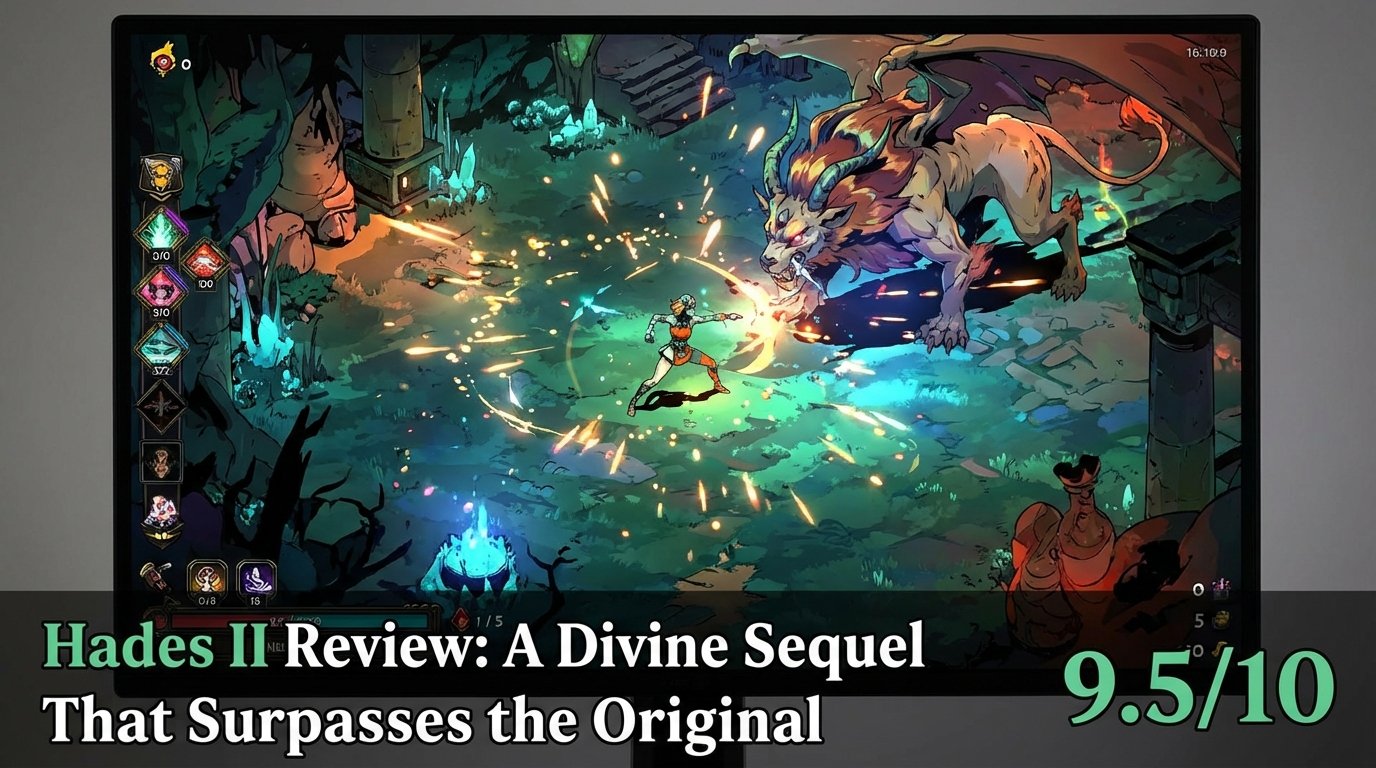
Visually, “Hades II” is a tour de force. Supergiant’s signature hand-drawn art style returns, but with an even higher level of polish and finesse. Animations are fluid, expressive, and packed with personality. Character designs are bold, memorable, and brimming with mythological flair—each god, monster, and mortal brought to life with loving detail.
The environments are equally stunning, with dynamic lighting, atmospheric effects, and a color palette that shifts to match the mood of each region. Particle effects and spell animations dazzle without overwhelming, striking a perfect balance between clarity and spectacle. On PC and current-gen consoles, the game runs flawlessly, supporting high resolutions and buttery-smooth frame rates even during the most frenetic battles.
Attention to detail is evident everywhere, from subtle environmental animations to the expressive facial cues during dialogue. The visual storytelling is as strong as the written word, with every corner of the world telling its own story. “Hades II” is a feast for the eyes, a testament to the power of art direction in modern gaming.
Soundtrack and Audio Design
Few studios in the industry can rival Supergiant’s reputation for musical excellence, and “Hades II” is no exception. Darren Korb returns with a soundtrack that is at once thunderous and haunting, blending Mediterranean instrumentation with modern rock and electronic flair. Each track is carefully crafted to match the rhythm of combat and the emotional beats of the story, creating a sonic landscape that is as immersive as it is memorable.
Voice acting is uniformly outstanding, with returning favorites and new characters alike given life by a talented ensemble cast. Dialogue is delivered with nuance, humor, and emotional depth, further blurring the line between protagonist and player. Ambient audio and environmental effects heighten the atmosphere, from the echoing chambers of the Underworld to the whispering winds of the surface.
The interplay of sound and gameplay is masterful, with audio cues providing crucial feedback during combat and exploration. Every spell, strike, and godly intervention is punctuated by satisfying effects, making each encounter feel impactful. In an era where audio design is too often overlooked, “Hades II” stands as a shining example of how music and sound can elevate a game to greatness.
Conclusion: Should You Play It?
In a year defined by ambitious sequels and genre-defining releases, “Hades II” stands tall as a testament to what a follow-up should be. It honors the legacy of its predecessor while forging boldly ahead, expanding in every direction—mechanically, narratively, and artistically. Supergiant Games has delivered a sequel that not only matches but surpasses the original, offering an experience that is richer, deeper, and more rewarding in every respect.
Whether you’re a returning fan eager to uncover new secrets or a newcomer drawn in by the buzz, “Hades II” is a must-play. It is as welcoming to the uninitiated as it is challenging for veterans, blending accessibility with depth in a way few games manage. The combination of heart-pounding action, brilliant storytelling, and stunning presentation makes “Hades II” not just one of the best games of 2026, but a new benchmark for the genre.
In the end, lightning has indeed struck twice. The gods have smiled on Supergiant once more, and the result is a game that feels both timeless and utterly of the moment. “Hades II” is a triumph—one that belongs in the pantheon of modern classics.