
Roguelike games have come a long way since their humble ASCII beginnings, evolving into a genre that constantly reinvents itself with each new generation of hardware. Once reserved for hardcore dungeon-crawlers, roguelikes now span a dizzying variety of settings, mechanics, and art styles, captivating everyone from retro enthusiasts to next-gen graphics junkies. Whether you love permadeath, procedurally generated levels, or the thrill of starting over with every run, there’s never been a better time to dive into these endlessly replayable worlds.
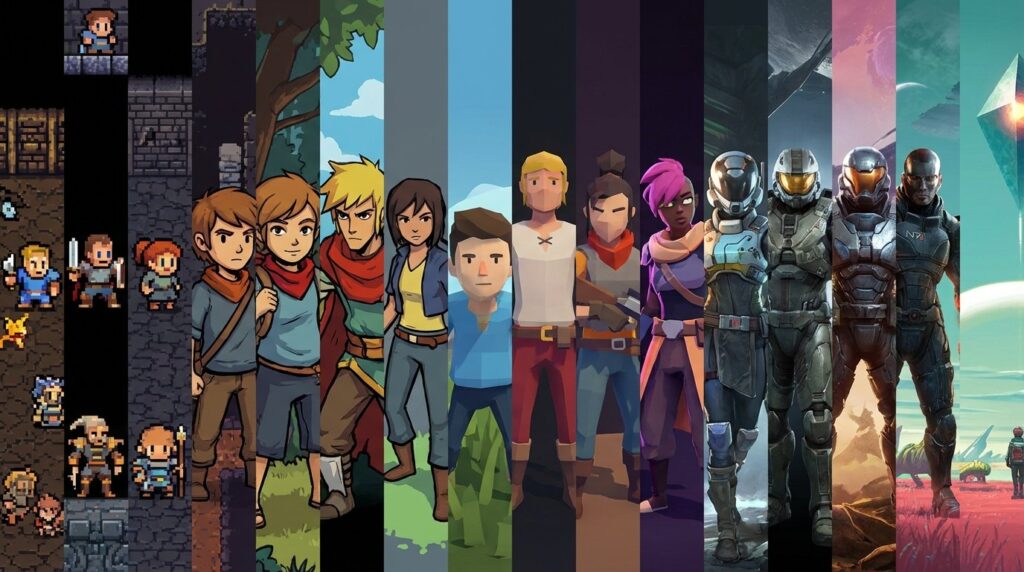
From the pixelated dungeons of the SNES era to visually stunning adventures on the PlayStation 5 and Xbox Series X, innovation has been the driving force behind the genre’s mainstream explosion. Modern roguelikes borrow from card games, shooters, platformers, and even deck-builders, ensuring that no two titles are ever quite the same. Some focus on narrative twists, while others challenge players with unique combat systems or radical approaches to progression and failure.
This ultimate list celebrates the most innovative roguelike games ever made, highlighting those that broke the mold and redefined what’s possible in the genre. Whether you’re a seasoned veteran or a curious newcomer, these 22 titles are essential stops on the roguelike journey—each one bringing something bold, unexpected, or revolutionary to the table.
Let’s explore the roguelikes that changed everything, from SNES classics to the cutting-edge releases lighting up 2026.
Mystery Dungeon: Shiren the Wanderer
Story
Set in a mystical version of feudal Japan, Shiren the Wanderer follows its titular hero and his talking weasel companion, Koppa, on a quest to reach the mystical Land of the Golden Condor. The story unfolds as players journey through ever-changing dungeons, encountering colorful characters and ancient mysteries.
Gameplay
As a quintessential roguelike, Shiren offers randomly generated dungeons, turn-based movement, and permadeath. Each run is a test of strategy and adaptability, with players managing inventory, equipment, and hunger as they traverse treacherous floors. The game’s rescue system, where other players can save you from defeat, adds a unique cooperative twist to the solitary roguelike experience.
Why it’s on this list
Shiren the Wanderer stands as a foundational roguelike, introducing console gamers to the genre’s core mechanics. Its blend of Japanese folklore, accessible controls, and punishing difficulty paved the way for future console roguelikes. The rescue feature, in particular, was ahead of its time and inspired future innovations in asynchronous multiplayer.
Graphics and Sound
For its Super Famicom debut, Shiren boasted vibrant pixel art and atmospheric music, creating a sense of adventure and danger with every step. Later ports and remakes enhanced these visuals while retaining the charm that made the original so beloved.
Legacy and Reception
While initially niche outside Japan, Shiren the Wanderer has since gained a cult following and spawned numerous sequels and ports. Its influence can be seen in countless modern roguelikes, and it remains a benchmark for depth and replayability in the genre.
NetHack
Story
NetHack drops players into the Dungeons of Doom, tasked with retrieving the Amulet of Yendor and offering it to their god. The narrative is sparse but steeped in myth, with players encountering everything from angry shopkeepers to deadly traps and legendary monsters.
Gameplay
NetHack’s gameplay is famously deep. Every object, creature, and magical effect interacts in surprising ways, leading to emergent stories and unexpected solutions. The ASCII graphics may seem primitive, but the game’s systems are anything but; each playthrough presents new challenges and possibilities, making mastery a lifelong pursuit.
Why it’s on this list
No list of roguelikes is complete without NetHack. Its complexity and attention to detail are unmatched, and it remains the gold standard for interactivity in the genre. NetHack’s commitment to player agency and creativity continues to inspire designers decades later.
Graphics and Sound
The game’s traditional ASCII visuals are iconic, and later tilesets offer a more accessible entry point. Sound is minimal, focusing attention on gameplay and imagination, allowing every player to weave their own narrative.
Legacy and Reception
NetHack is a legend, with a fiercely dedicated community and ongoing development. It’s regularly cited as one of the most influential PC games ever, and its design philosophies echo through countless roguelike and non-roguelike titles alike.
Spelunky
Story
Spelunky casts players as a daring adventurer delving into underground ruins in search of treasure and secrets. The story is light, with the real narrative emerging from the unpredictable chaos of each run—giant spiders, deadly traps, and bizarre encounters with shopkeepers and deities.
Gameplay
Spelunky revolutionized the roguelike by blending fast-paced platforming with procedural level generation. Every run is a fresh puzzle, demanding reflexes, strategy, and improvisation. Unexpected interactions between enemies, items, and the environment keep players on their toes, and the game’s secret-filled world rewards exploration.
Why it’s on this list
Spelunky changed the roguelike landscape by proving that the genre could mesh with real-time action and platforming. Its elegant design, emergent gameplay, and high skill ceiling make it a touchstone for innovation, spawning a wave of imitators and its own celebrated sequel.
Graphics and Sound
With charming cartoon visuals and catchy, adventure-themed music, Spelunky creates a playful yet tense atmosphere. The visual clarity ensures that the chaos never feels overwhelming, even in the game’s most hectic moments.
Legacy and Reception
Widely regarded as one of the greatest indie games of all time, Spelunky’s influence is still felt in 2026. It brought roguelikes to a wider audience and established new standards for replayability and discovery.
The Binding of Isaac
Story
In this dark, twisted tale, young Isaac flees into his monster-infested basement to escape his fanatically religious mother. The game’s narrative is packed with biblical allegory, grotesque humor, and hundreds of unlockable secrets, making each run feel like a descent into madness.
Gameplay
The Binding of Isaac blends twin-stick shooting with roguelike progression. Each playthrough features procedurally generated rooms, a dizzying array of items, and unpredictable synergies. The game’s vast item pool ensures that no two runs are ever the same, and the constant unlocks drive players to experiment.
Why it’s on this list
Isaac’s fusion of arcade shooting and roguelike randomness sparked a new subgenre, inspiring countless “roguelite” shooters. Its dark tone, inventive item combinations, and endless replayability set a new bar for innovation and depth.
Graphics and Sound
Isaac’s grotesque, cartoonish visuals and unsettling soundtrack create a uniquely creepy vibe. The visual style is instantly recognizable, walking a fine line between disturbing and endearing.
Legacy and Reception
Despite controversy over its themes, The Binding of Isaac became a runaway indie hit, spawning expansions, remakes, and even a card game. Its influence on indie development and roguelike design is incalculable.
Dead Cells
Story
Dead Cells casts players as the amorphous Prisoner, seeking freedom from a cursed, ever-shifting island fortress. The narrative is delivered through environmental storytelling and cryptic lore, inviting players to piece together the island’s mysteries as they battle their way to the surface.
Gameplay
Dead Cells masterfully blends roguelike progression with tight, fast-paced metroidvania combat. Each run offers new weapons, abilities, and branching paths, rewarding exploration and experimentation. Strategic upgrades and a brisk respawn loop keep the action relentless but fair.
Why it’s on this list
Dead Cells stands out as the ultimate “roguevania,” seamlessly marrying two beloved genres. Its kinetic combat, slick controls, and expertly tuned progression have set new benchmarks for both roguelikes and action-platformers.
Graphics and Sound
The game’s fluid, hand-drawn animations and atmospheric backdrops create a visually stunning world. A dynamic soundtrack punctuates the action, switching from moody ambiance to pulse-pounding intensity as the danger ramps up.
Legacy and Reception
Dead Cells achieved critical and commercial success, praised for its addictive loop and post-launch support. It’s now considered essential for anyone interested in cutting-edge roguelike action.
Slay the Spire
Platform | PC, PlayStation 4, Xbox One, Nintendo Switch, iOS, Android |
|---|---|
Publisher | Humble Games |
Genre | Deck-Building Roguelike |
Release Date | 01/23/2019 |
Story
In Slay the Spire, players choose from a roster of unique heroes, each climbing a mysterious, monster-infested tower. The story is minimalist, taking a back seat to the strategic drama of the climb, but the world is rich with strange encounters and cryptic lore.
Gameplay
This groundbreaking title fuses deck-building with roguelike progression. Every run involves crafting a synergistic deck from randomly offered cards, battling enemies, and making tough choices at branching paths. Each class offers radically different strategies, and the ever-expanding card pool keeps the meta fresh.
Why it’s on this list
Slay the Spire didn’t just innovate—it spawned a genre. It’s the blueprint for roguelike deck-builders, influencing everything from indie hits to triple-A experiments. Its brilliant balance of luck, skill, and strategy makes every run a tense, rewarding challenge.
Graphics and Sound
With stylized, hand-drawn visuals and a quirky soundtrack, Slay the Spire’s presentation is both inviting and mysterious. The minimalist UI keeps the focus on cards and decision-making.
Legacy and Reception
Widely hailed as one of the greatest indie games of the 2010s, Slay the Spire has inspired dozens of spiritual successors and is now a staple in the competitive roguelike scene.
Hades
Story
Hades follows Zagreus, the rebellious son of the Greek god of the underworld, as he attempts to escape his father’s domain. The narrative is woven into every run, with richly voiced characters, branching dialogue, and evolving relationships that reveal new storylines no matter how often you fail.
Gameplay
Supergiant Games blended isometric hack-and-slash action with roguelike structure, offering fluid combat, customizable power-ups (“boons” from the gods), and a dynamic progression system. The game’s persistent upgrades and evolving narrative keep each escape attempt fresh and rewarding.
Why it’s on this list
Hades is the gold standard for narrative-driven roguelikes. It’s a masterclass in integrating story and gameplay, raising the bar for how much depth and polish the genre can offer.
Graphics and Sound
Gorgeous hand-drawn art, expressive character portraits, and a thunderous soundtrack bring the mythological setting to life. Voice acting adds even more immersion, making each character memorable.
Legacy and Reception
Hades swept awards and critical acclaim, praised for its writing, gameplay, and innovation. It remains a pillar of the genre and a must-play for fans of action or roguelikes.
FTL: Faster Than Light
Story
FTL casts you as the captain of a spaceship, racing against time to deliver crucial information to your fleet. Along the way, you encounter a galaxy’s worth of random events, from alien diplomacy to life-or-death boarding actions.
Gameplay
Blending real-time strategy with roguelike unpredictability, FTL challenges players to manage crew, systems, and resources through a gauntlet of procedurally generated sectors. Every choice matters, and permadeath ensures that each run is a white-knuckle journey through the cosmos.
Why it’s on this list
FTL brought roguelike tension to the stars, showing that the genre could thrive outside of dungeons and caves. Its blend of resource management, combat, and narrative choice set a new standard for innovation.
Graphics and Sound
Simple, pixelated visuals are elevated by slick UI design and an evocative, synth-driven soundtrack. Every beep and alarm heightens the tension, making each battle feel epic.
Legacy and Reception
FTL was a breakout indie hit, earning a passionate fanbase and influencing a new wave of roguelike-inspired strategy games. It’s a classic that still feels fresh in 2026.
Rogue Legacy
Story
In Rogue Legacy, players explore a cursed castle, seeking to lift a family curse. Each new run is undertaken by a descendant of the previous hero, with random traits affecting gameplay in hilarious and sometimes challenging ways.
Gameplay
This title introduced the “roguelite” concept of persistent upgrades, letting players spend gold to improve future generations. The randomized castle layout, diverse character classes, and wacky traits ensure every run is different, while the progression system keeps you coming back for “just one more try.”
Why it’s on this list
Rogue Legacy redefined accessibility in roguelikes, making the genre more approachable without sacrificing challenge. Its generational mechanic and meta-progression have since become staples in modern game design.
Graphics and Sound
Colorful pixel art and a whimsical soundtrack strike the perfect balance between lighthearted fun and gothic adventure. Each character’s quirks are reflected in both visuals and audio cues.
Legacy and Reception
Rogue Legacy was a massive indie success, spawning a sequel and inspiring countless roguelites. Its influence can be seen in progression systems across genres.
Enter the Gungeon
Story
Set in the mysterious Gungeon, this game follows a motley crew of misfits seeking a legendary gun capable of erasing the past. The story is packed with gun puns, wild lore, and hidden secrets for players to uncover.
Gameplay
Enter the Gungeon delivers bullet-hell chaos with roguelike randomness. Each run features procedurally generated floors, hundreds of unique guns, and unpredictable enemy waves. Dodge-rolling, fast reflexes, and creative weapon combos are key to survival.
Why it’s on this list
No roguelike has embraced its theme quite like Gungeon. Its arsenal of bizarre weaponry and relentless action pushed the boundaries of what a roguelike shooter could be.
Graphics and Sound
The pixel art is flashy and fluid, with explosive effects and vibrant colors. A pulse-pounding soundtrack and endless gunshot sound effects make every firefight memorable.
Legacy and Reception
Enter the Gungeon became a cult favorite for its humor, depth, and challenge. Its frantic multiplayer and post-launch support have ensured its place in roguelike history.
Risk of Rain 2
Story
Risk of Rain 2 transports players to alien worlds filled with bizarre monsters and mysterious artifacts. The story unfolds through logs and environmental hints, with each run delving deeper into the lore of the planet and its survivors.
Gameplay
This sequel took a bold leap, transforming the original’s 2D action into explosive 3D roguelike shooter chaos. Players team up or go solo, battling waves of enemies, unlocking new items, and surviving increasingly intense challenges as the difficulty escalates in real-time.
Why it’s on this list
By taking the roguelike formula into fully realized 3D action, Risk of Rain 2 set a new bar for scale and spectacle. Its cooperative play and item stacking systems have become genre-defining.
Graphics and Sound
Colorful, stylized visuals bring alien worlds to life, while a dynamic soundtrack ramps up with the action. The audio design is packed with satisfying weapon effects and atmospheric cues.
Legacy and Reception
Risk of Rain 2 was embraced as a modern classic, lauded for its replayability and innovation. It remains a go-to for fans of multiplayer roguelikes.
Darkest Dungeon
Story
Set in a gothic nightmare of cosmic horror, Darkest Dungeon follows a doomed band of adventurers exploring cursed ruins beneath a decaying estate. The game’s story is bleak, delivered through haunting narration and grim encounters.
Gameplay
Darkest Dungeon innovated by focusing on psychological stress as much as physical danger. Players must manage not only health and resources but also the fragile minds of their heroes, who can become afflicted, paranoid, or even traitorous under pressure. The turn-based combat and procedural dungeons create relentless tension.
Why it’s on this list
The psychological stress system was a game-changer, adding a new layer of strategy and immersion. Darkest Dungeon’s brutal difficulty and unique mechanics set it apart as one of the most innovative roguelikes of its era.
Graphics and Sound
The striking hand-drawn art and moody soundtrack create an atmosphere of dread and despair. The narrator’s iconic voicework adds gravitas to every failure and triumph.
Legacy and Reception
Darkest Dungeon was a critical and commercial hit, praised for its originality and challenge. Its influence is seen in many modern games that explore mental health and stress.
Into the Breach
Platform | PC, Nintendo Switch, macOS |
|---|---|
Publisher | Subset Games |
Genre | Turn-Based Strategy |
Release Date | 02/27/2018 |
Story
From the creators of FTL, Into the Breach casts players as commanders of time-traveling mechs, fighting to save humanity from giant insect-like monsters. The minimalist story unfolds through brief dialogue and world events, focusing on the existential stakes of each battle.
Gameplay
Into the Breach marries roguelike progression to tight, puzzle-like tactical combat. Each turn is a bite-sized puzzle, with transparent enemy intentions and randomized objectives keeping every map fresh. Squad customization and unlockable pilots add even more replay value.
Why it’s on this list
Its ingenious blend of tactics and roguelike structure made Into the Breach an instant classic. The “perfect information” approach is a rarity in the genre, demanding strategy over luck.
Graphics and Sound
Pixel art visuals are clean and readable, with crisp animations and a subtle, futuristic soundtrack. The minimalist presentation ensures clarity in even the most chaotic battles.
Legacy and Reception
Into the Breach received universal acclaim for its elegant mechanics and depth. It’s widely taught as an example of brilliant game design.
Tangledeep
Story
Tangledeep invites players into a lush, mysterious labyrinth teeming with magic and monsters. The story weaves together lost civilizations, enigmatic characters, and the secrets of the ever-shifting dungeon.
Gameplay
Tangledeep is a love letter to classic roguelikes, but with modern accessibility. It features turn-based movement, job classes, pet companions, and a robust crafting system. The game balances nostalgia with fresh twists, making it approachable for newcomers and rewarding for veterans.
Why it’s on this list
Tangledeep stands out for its successful fusion of traditional roguelike depth with JRPG-inspired systems and a user-friendly interface. Its job system and accessibility options push the genre forward.
Graphics and Sound
Gorgeous pixel art and a sweeping orchestral soundtrack create a vibrant, inviting world. The attention to audio detail adds immersion to every step into the unknown.
Legacy and Reception
Beloved by roguelike purists and RPG fans alike, Tangledeep has earned critical praise for its balance of challenge and charm. It’s proof that old-school design still has room to innovate.
Returnal
Story
Returnal follows Selene, a space explorer trapped in an endless loop on a hostile alien planet. The narrative is cryptic and psychological, with fragments of Selene’s past and the planet’s mysteries revealed through surreal visions and audio logs.
Gameplay
This PS5-exclusive third-person shooter brings bullet-hell intensity to a roguelike structure. Every run features randomized biomes, relentless enemies, and a suite of upgradable weapons and abilities. Fast-paced movement and split-second decision-making are essential to survival.
Why it’s on this list
Returnal proves that roguelike mechanics can work at blockbuster scale, blending cinematic presentation with hardcore challenge. Its seamless integration of story and gameplay is a milestone for the genre.
Graphics and Sound
Stunning visuals leverage next-gen hardware, with detailed environments, particle effects, and atmospheric lighting. The immersive 3D audio design and haunting soundtrack heighten the game’s sense of isolation and dread.
Legacy and Reception
Returnal was heralded as a technical showpiece and a bold experiment in AAA roguelike design. Its success paved the way for more ambitious entries from big studios.
Noita
Story
In Noita, players embody a wizard exploring a procedurally generated world where every single pixel is physically simulated. The story emerges through environmental clues and hidden lore, challenging players to unravel the world’s secrets.
Gameplay
Noita’s core innovation is its physics-driven world. Spells can burn, freeze, explode, or dissolve anything, leading to wild, unpredictable interactions. The sheer variety of spell combinations and environmental hazards ensures that every run is a unique chaos engine.
Why it’s on this list
Noita’s pixel-based physics are revolutionary, pushing the boundaries of what’s possible in a roguelike. Its emergent gameplay and limitless experimentation make it a true original.
Graphics and Sound
Retro-inspired pixel art meets cutting-edge physics, creating a world that’s both nostalgic and shockingly dynamic. The sound design complements the chaos, with satisfying spell effects and atmospheric music.
Legacy and Reception
Noita became a cult hit for its unpredictability and depth. Its influence can be seen in the growing trend of roguelikes experimenting with world simulation.
Downwell
Story
Downwell drops players into an endless well filled with monsters, treasure, and danger. The narrative is minimal, letting the gameplay and mysterious setting do the talking.
Gameplay
This vertical roguelike shooter challenges players to descend ever deeper using “gunboots” to blast enemies and control their fall. Procedurally generated levels, power-ups, and frantic pacing make every run a white-knuckle test of reflexes and strategy.
Why it’s on this list
Downwell distilled roguelike action to its purest form, innovating with vertical movement, minimalist controls, and lightning-fast gameplay. Its design has been emulated by dozens of arcade-inspired indies.
Graphics and Sound
Striking, three-color visuals and chiptune sound effects create a retro-modern aesthetic. The simplicity enhances readability and keeps the focus on the action.
Legacy and Reception
Downwell won over players with its addictive gameplay and design elegance. It’s now a staple for speedrunners and high-score chasers.
Dwarf Fortress
Story
Dwarf Fortress tasks players with building and managing a thriving colony of dwarves in a world generated from scratch. The emergent narrative is legendary, with every fort offering epic tales of triumph and disaster.
Gameplay
The game’s complexity is unrivaled, simulating everything from geology to the emotional states of individual dwarves. Permadeath is inevitable as disasters, invasions, or madness bring even the mightiest fortress to ruin. The depth and unpredictability are endless.
Why it’s on this list
Dwarf Fortress is the ultimate sandbox roguelike, where every system has surprising consequences. Its influence on world-building and emergent storytelling is profound, inspiring everything from Minecraft to RimWorld.
Graphics and Sound
Initially rendered in ASCII, Dwarf Fortress has since received a graphics overhaul but retains its complex, data-driven aesthetic. The minimalist soundscape puts the focus on the player’s imagination and the game’s endless stories.
Legacy and Reception
Beloved by a devoted community, Dwarf Fortress is often hailed as the most ambitious game ever made. Its legacy will shape procedural generation and simulation for decades to come.
Crypt of the NecroDancer
Story
In Crypt of the NecroDancer, players descend through monster-filled dungeons to the beat of a killer soundtrack, seeking to rescue loved ones and uncover the secrets of the NecroDancer.
Gameplay
This rhythm-based roguelike turns every move into a dance step, syncing player actions to the music. Procedurally generated levels, varied characters, and wild item combinations make each run fresh, while the rhythm mechanic adds new layers of challenge.
Why it’s on this list
By blending rhythm and roguelike mechanics, Crypt of the NecroDancer created an entirely new subgenre. Its innovations have inspired mashups across gaming.
Graphics and Sound
Pixel art visuals are packed with personality, but the real star is the soundtrack—a pulse-pounding collection of original tunes and remixes. Every enemy move is choreographed to the beat.
Legacy and Reception
A critical darling, NecroDancer’s success led to a Zelda crossover and cemented its place in roguelike history. It’s still a must-play in 2026.
Sunless Sea
Story
Set in the gothic, Lovecraftian underworld of “Fallen London,” Sunless Sea follows captains as they chart the mysterious, monster-infested waters of the Unterzee. The game’s story is rich with dark secrets, emergent tales, and narrative choice.
Gameplay
Sunless Sea blends survival, exploration, and roguelike elements. Players must manage their ship, crew, and supplies while making hard narrative choices that shape each run. Every journey is different, with permadeath raising the stakes of every decision.
Why it’s on this list
Sunless Sea innovated by fusing deep, branching storytelling with roguelike danger. Its narrative focus and atmospheric world-building remain unmatched in the genre.
Graphics and Sound
Moody visuals and evocative writing create a sense of dread and wonder. The haunting soundtrack and sound effects enhance the eerie, immersive atmosphere.
Legacy and Reception
Praised for its writing and innovation, Sunless Sea helped popularize narrative-driven roguelikes. It’s a must-experience for fans of story and exploration.
Children of Morta
Story
Children of Morta tells the saga of the Bergson family, guardians of Mount Morta, as they battle a corrupting force threatening their world. The story is emotionally charged, focusing on family bonds and personal sacrifice.
Gameplay
This action roguelike blends hack-and-slash combat with a unique progression system tied to the entire family. Each member has distinct abilities and playstyles, and as the story unfolds, new skills and synergies unlock, making every run part of a larger narrative arc.
Why it’s on this list
Children of Morta innovated by weaving a persistent, character-driven story into the roguelike loop. Its family system and emotional storytelling set it apart from its peers.
Graphics and Sound
Beautiful pixel art and fluid animation bring the world to life, while an orchestral soundtrack and voice acting deepen the emotional impact.
Legacy and Reception
The game was praised for its heart and originality, inspiring other developers to explore narrative in roguelikes.
Loop Hero
Story
Loop Hero follows a lone hero in a world shattered by a timeless Lich. The player’s task is to rebuild reality by placing cards representing terrain, enemies, and buildings along the hero’s endless path.
Gameplay
This genre-bending roguelike automates the hero’s journey, letting players focus on deck-building and world-shaping. Strategic placement and resource management are key, with each loop offering new challenges and opportunities.
Why it’s on this list
Loop Hero is a true original, blending roguelike progression with auto-battler and deck-building mechanics. Its time-loop premise and world-building gameplay are unlike anything else out there.
Graphics and Sound
Retro pixel art and atmospheric chiptunes create a nostalgic yet mysterious vibe. The visual design reinforces the game’s cyclical, dreamlike themes.
Legacy and Reception
Loop Hero was a surprise hit, beloved for its innovation and addictive gameplay. It’s now a cult classic and a source of inspiration for genre mashups.
Vampire Survivors
Story
Vampire Survivors puts players in the role of a lone survivor fending off endless waves of monsters across cursed countryside. The simple premise belies the game’s surprising depth and intensity.
Gameplay
This auto-shooter roguelike challenges players to survive as long as possible, collecting power-ups and evolving weapons. The onslaught intensifies with each minute, turning every run into a frantic, screen-filling spectacle.
Why it’s on this list
Vampire Survivors sparked a new craze for minimalist, bullet-heaven roguelikes. Its addictive loop and rapid-fire progression have inspired dozens of imitators and genre twists.
Graphics and Sound
Retro-inspired sprites and simple effects keep the focus on gameplay, while a catchy, energetic soundtrack ramps up the tension with every wave.
Legacy and Reception
A viral indie success, Vampire Survivors has become a blueprint for pick-up-and-play roguelikes. It’s a perfect example of how simple ideas can revolutionize a genre.
As we’ve seen, the roguelike genre is a hotbed of experimentation and creativity, evolving from humble, pixelated origins to some of the most sophisticated and surprising experiences on modern hardware. Each game on this list pushed boundaries—whether through innovative mechanics, genre fusion, or daring storytelling—proving that roguelikes are more than just punishing difficulty and procedural generation.
In 2026, the roguelike landscape is more diverse and vibrant than ever, offering something for every type of gamer. Whether you crave tactical depth, heart-pounding action, or narrative twists, these 22 titles are shining examples of how innovation can keep a genre endlessly fresh. So pick your favorite, dive in, and see where the next run takes you—because in the world of roguelikes, the only thing certain is surprise.