
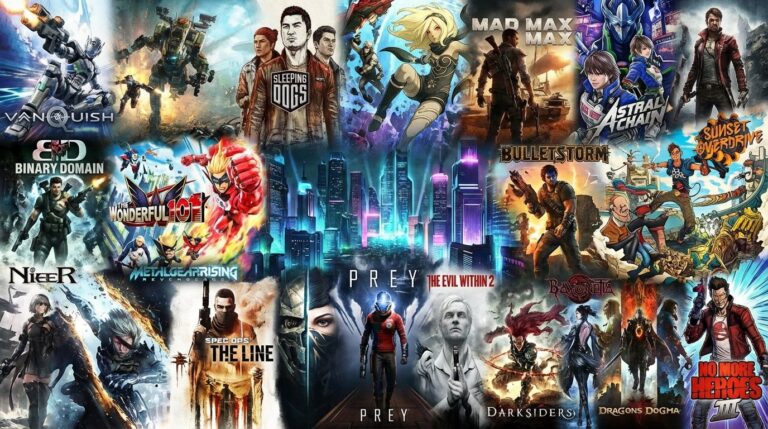
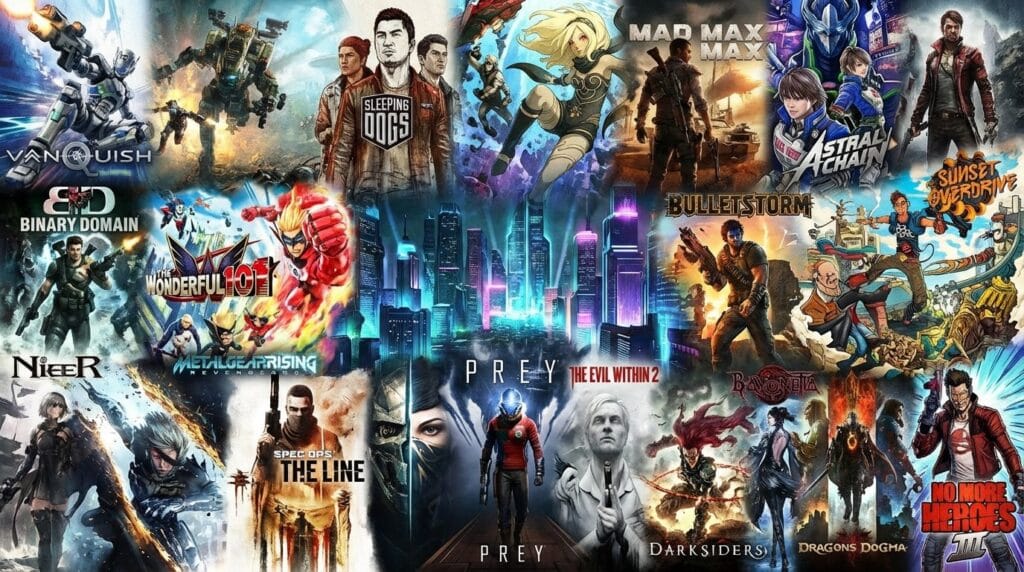
Every gamer knows the thrill of uncovering a hidden gem – that one action title that didn’t get the spotlight it deserved but quickly earns a permanent spot in your all-time favorites. While blockbusters like God of War, Halo, and The Legend of Zelda dominate the headlines and sales charts, a treasure trove of underrated action games have quietly defined their generations on PlayStation, Xbox, and Nintendo Switch. These are the games you brag about discovering to your friends, the cult classics that reward those willing to look beyond the mainstream.
As we journey through 2026, the action genre continues to evolve, but it’s vital to look back and celebrate those unsung heroes that pushed boundaries, delivered unique gameplay twists, and offered unforgettable experiences. This list dives deep into two decades of gaming, unearthing 20 of the most underrated action games across Sony, Microsoft, and Nintendo’s platforms. Some flew under the radar due to poor marketing, others were overshadowed by bigger releases, and a few were simply misunderstood at launch. Yet, each one packs a punch, offering something special for those willing to give them a shot.
Whether you’re hunting for a new obsession or want to revisit past favorites, these picks will reignite your love for the genre. Get ready to discover the 20 most underrated action games that deserve a place in every serious gamer’s library.
Enslaved: Odyssey to the West
Story
Set in a post-apocalyptic America overrun by hostile machines, Enslaved: Odyssey to the West reimagines the classic Chinese tale “Journey to the West.” You play as Monkey, a strong but solitary survivor, who is forcibly bound to the intelligent and resourceful Trip. Together, they must traverse a devastated landscape, facing lethal threats and uncovering the secrets of a lost civilization. The dynamic between Monkey and Trip is at the heart of the narrative, blending humor, tension, and genuine emotional depth.
The story unfolds through cinematic cutscenes and organic in-game dialogue, immersing players in a world that feels both alien and familiar. The evolving relationship between the protagonists is expertly written, with standout performances from Andy Serkis and Lindsey Shaw, elevating the narrative far beyond typical action fare.
Gameplay
Enslaved blends third-person platforming, puzzle solving, and visceral melee combat. Monkey’s agility allows for smooth traversal across collapsed buildings and treacherous terrain, while his combat skills are put to the test against a variety of mechanical foes. The game balances action sequences with quieter moments that require teamwork to progress, such as Trip hacking terminals or distracting enemies.
Unique mechanics, like the “slave headband” that links Monkey and Trip’s fates, add a layer of strategy. Protecting Trip is essential, and her abilities provide tactical advantages in both combat and exploration. The game’s pacing keeps things fresh, mixing intense battles with moments of discovery and character-driven storytelling.
Why it’s on this list
Despite its striking visuals, compelling story, and innovative gameplay, Enslaved was overshadowed by blockbuster releases in 2010. It earned critical praise but struggled commercially, causing many players to miss out on one of the era’s most ambitious action-adventure experiences. Its blend of cinematic storytelling and engaging mechanics make it a must-play for those who crave more than just mindless action.
Graphics and Sound
Enslaved’s lush, overgrown environments are a visual treat, standing apart from the typical drab post-apocalyptic settings. The vibrant art direction breathes life into ruined cities, while detailed character animations and expressive faces enhance the emotional impact of the story. The soundtrack, composed by Nitin Sawhney, perfectly complements the mood, shifting from haunting melodies to rousing battle themes.
Legacy and Reception
Although Enslaved didn’t achieve commercial success, it developed a devoted cult following. Critics applauded its narrative ambition and character work, but lamented its lackluster sales. Over time, it has been re-evaluated as a hidden gem, often cited in discussions of the most overlooked games of its generation.
Vanquish
Story
Directed by Shinji Mikami, the creator of Resident Evil, Vanquish thrusts players into a futuristic battle for Earth’s survival. You play as Sam Gideon, a DARPA agent equipped with a cutting-edge Augmented Reaction Suit, tasked with stopping a rogue Russian faction from turning a captured space colony’s solar weapon on the United States. The plot is a fast-paced, high-octane rollercoaster, packed with explosive set pieces and over-the-top military drama.
While the narrative embraces action-movie tropes, it’s delivered with a self-aware wink, keeping the focus on adrenaline and spectacle. The story unfolds through quick-fire cutscenes and radio chatter, ensuring the pace never lets up.
Gameplay
Vanquish redefines third-person shooters with its breakneck speed and innovative cover-to-cover mechanics. The game’s signature feature is the suit’s rocket-powered slide, allowing players to zip across the battlefield, dodge enemy fire, and pull off slow-motion attacks. This mechanic injects a sense of urgency and exhilaration that few shooters can match.
Combat is tight and responsive, encouraging aggressive, stylish play over cautious cover-hugging. The arsenal is diverse, and weapons can be upgraded mid-battle, adding another strategic layer. The game’s short campaign is packed with memorable boss fights and set pieces, making every minute count.
Why it’s on this list
Vanquish launched to critical acclaim but struggled to find commercial success outside Japan. Its unique mechanics and relentless pacing set it apart from the pack, but many players overlooked it in favor of more grounded shooters. Those who gave it a chance discovered a cult classic that rewards skill and creativity.
Graphics and Sound
Vanquish’s futuristic environments are sleek and polished, filled with kinetic energy and dazzling effects. The game’s visual flair is matched by a pulse-pounding electronic soundtrack that keeps the adrenaline pumping. Explosions, gunfire, and enemy chatter fill the audio space, immersing you in the chaos.
Legacy and Reception
Though sales were modest, Vanquish’s reputation has only grown over the years. It’s frequently cited as a genre-defining action shooter, and its influence can be seen in later fast-paced shooters. A remastered edition introduced the game to new audiences, solidifying its status as a criminally overlooked masterpiece.
Binary Domain
Story
Binary Domain drops you into a cyberpunk Tokyo in 2080, where humanoid robots threaten to upend society. You lead Dan Marshall and his international squad, sent to investigate the mysterious “Hollow Children”—robots who don’t know they’re not human. The story tackles heavy themes like artificial intelligence, identity, and prejudice, all wrapped in a gritty, action-packed narrative.
The game’s branching dialogue and squad interactions give the story a personal touch, allowing you to build trust with your teammates and influence the outcome. It’s a story that asks big questions without sacrificing the thrill of a high-stakes action romp.
Gameplay
At its heart, Binary Domain is a third-person cover shooter with a twist—voice command integration. Players can issue orders to squadmates using a microphone, adding a layer of immersion and tactical depth. The trust system affects both gameplay and story progression, encouraging careful communication and decision-making.
Combat is visceral and satisfying, with destructible robot enemies that lose limbs and adapt tactics as you fight. Boss battles are intense, and each squad member brings unique abilities, keeping the action fresh. The game also offers multiple endings, increasing replay value.
Why it’s on this list
Despite its ambitious mechanics and engaging narrative, Binary Domain struggled to gain traction in Western markets. Overshadowed by bigger franchises, it was largely ignored at launch but has since become a cult favorite among action fans who appreciate its unique approach and thoughtful world-building.
Graphics and Sound
Binary Domain’s depiction of a neon-lit, rain-soaked future Tokyo is both atmospheric and detailed. Character models are expressive, and the robots are satisfyingly menacing. The soundtrack mixes futuristic synths with orchestral swells, while solid voice acting brings the diverse cast to life.
Legacy and Reception
Though not a commercial hit, Binary Domain is respected for its storytelling and innovative gameplay features. Critics praised its clever enemy design and emotional depth, and it remains a go-to recommendation for those seeking an underrated action shooter with heart.
Astral Chain
Story
Set in a dystopian future where humanity is besieged by interdimensional creatures, Astral Chain puts you in the shoes of a rookie police officer in a special task force. The story revolves around the mysterious “Chimeras” invading Earth from the Astral Plane, threatening the last remnants of civilization. As twins, the player and their sibling uncover sinister secrets and hidden agendas within the force, while forging an unbreakable bond.
The narrative is filled with twists, high-stakes drama, and moments of introspection as you balance duty with personal connections. PlatinumGames weaves a compelling tale about family, sacrifice, and the cost of survival in a world on the brink.
Gameplay
Astral Chain’s gameplay is a high-octane mix of action, investigation, and puzzle-solving. The game’s signature mechanic is the “Legion” system: you control both your character and a tethered spectral companion simultaneously, creating a dynamic combat flow. Chaining attacks, switching between Legions, and using environmental objects in battle keeps encounters thrilling and strategic.
Outside combat, you’ll investigate crime scenes, question witnesses, and solve environmental puzzles, adding variety to the action. The game rewards experimentation, with deep customization options for both the protagonist and Legions, allowing for tailored playstyles.
Why it’s on this list
Astral Chain received critical praise but was overshadowed by bigger Switch exclusives like Zelda and Mario. Its innovative dual-character combat and stylish presentation set it apart, yet it remains one of PlatinumGames’ most overlooked masterpieces, deserving far more recognition from action fans.
Graphics and Sound
The game’s futuristic cityscapes are vibrant, detailed, and alive with neon energy. Character designs are distinct and memorable, while the soundtrack pulses with energetic electronic beats and orchestral flourishes. Sound effects and voice work add further depth to the immersive world.
Legacy and Reception
Though it didn’t reach the commercial heights of other Nintendo exclusives, Astral Chain has since been recognized as a standout in the Switch library. Its unique gameplay and striking visuals have earned it a loyal following and a reputation as a true hidden gem.
Control
Story
Control introduces players to the mysterious Federal Bureau of Control, an agency investigating paranormal phenomena within the ever-shifting Oldest House. You play as Jesse Faden, a determined woman searching for her missing brother, as she uncovers the secrets of the Bureau and her own supernatural abilities. The narrative is enigmatic, filled with bizarre occurrences, cryptic documents, and unsettling encounters with the otherworldly Hiss.
The story is told through environmental storytelling, fragmented lore, and surreal visuals, encouraging players to piece together the truth. Its Lynchian tone and mind-bending twists keep you guessing until the very end.
Gameplay
As a third-person action-adventure, Control combines traditional gunplay with psychic powers. Jesse can levitate, hurl objects with telekinesis, and create shields, turning every battle into a kinetic spectacle. The shifting architecture of the Oldest House serves as both a battleground and a puzzle, challenging players to adapt on the fly.
Exploration is rewarding, with secrets hidden in every corner and upgrades scattered throughout. Combat is fluid and satisfying, blending gunfights with supernatural mayhem for a truly unique experience.
Why it’s on this list
While Control did win several awards, it was often overlooked by mainstream gamers, possibly due to its abstract narrative and unconventional presentation. Those who dove in discovered a bold, atmospheric action game unlike anything else, proving Remedy Entertainment’s talent for pushing boundaries.
Graphics and Sound
Control’s visual design is striking, with brutalist architecture, shifting hallways, and surreal effects that create a sense of constant unease. The sound design is equally impressive, from the unsettling background noises to the haunting score. Voice acting is top-notch, drawing you further into the Bureau’s mysteries.
Legacy and Reception
Control has grown in stature over time, earning a reputation as a cult classic. Its unique blend of action, mystery, and horror has influenced other games, and it’s now widely recognized as one of the most daring and underrated action titles of its era.
Quantum Break
Story
Quantum Break melds science fiction with a gripping tale of time travel gone awry. You play as Jack Joyce, who gains time-manipulating powers after a failed experiment at Riverport University. As he battles the sinister Monarch Solutions and its enigmatic leader Paul Serene, Jack must unravel the mystery behind the time fractures threatening reality itself.
The game uniquely intertwines gameplay with live-action episodes, allowing your choices to shape both the story and the accompanying TV-style segments. This ambitious narrative structure immerses you in a world where every decision counts, and timelines can shift in unexpected ways.
Gameplay
Quantum Break is a third-person shooter at its core, but its time-based abilities set it apart. Jack can freeze enemies, dash through bullets, and create time shields, turning every firefight into a strategic playground. The environments are responsive, with destructible elements and time anomalies adding layers of unpredictability.
Puzzles and exploration break up the action, often requiring creative use of Jack’s powers to progress. The game’s tight design and cinematic presentation make every moment feel impactful, blending storytelling and action seamlessly.
Why it’s on this list
Despite its innovative approach and high production values, Quantum Break was often overlooked due to its experimental format and timing of release. Many players missed out on its unique blend of gameplay and storytelling, making it a quintessential underrated gem for action fans.
Graphics and Sound
Quantum Break boasts some of the most impressive visuals of its generation, with lifelike character models and stunning time-warp effects. The sound design is equally polished, from the satisfying crackle of time powers to the cinematic score. The cast, featuring Shawn Ashmore and Aidan Gillen, delivers strong performances that anchor the story.
Legacy and Reception
Though it received positive reviews, Quantum Break’s hybrid game-TV format divided opinion and limited its mainstream reach. Over time, it has been reappraised as an ambitious, forward-thinking action title, with fans praising its narrative risks and innovative gameplay.
The Wonderful 101
Story
The Wonderful 101 is a superhero-themed action game with a quirky sense of humor. Players control a team of heroes known as the Wonderful Ones, who must defend Earth from an alien invasion led by the nefarious GEATHJERK Federation. The story is a wild ride, filled with colorful characters, over-the-top antics, and an infectious Saturday morning cartoon vibe.
The narrative embraces absurdity, never taking itself too seriously, yet still delivering heartfelt moments of camaraderie and heroism. It’s a love letter to classic tokusatsu and superhero teams, brimming with playful energy.
Gameplay
The Wonderful 101’s core mechanic is “Unite Morph,” allowing you to draw shapes on the screen to transform your team into powerful weapons or tools. Combat is chaotic, demanding quick thinking and precise timing as you switch between forms to tackle waves of enemies and colossal bosses.
Levels are packed with secrets and inventive set pieces, keeping the action fast-paced and unpredictable. While the controls have a learning curve, mastering them unlocks a uniquely rewarding gameplay loop unlike anything else in the genre.
Why it’s on this list
Originally released on the Wii U, The Wonderful 101 was hampered by the console’s limited install base. Even after a remaster for Switch, PlayStation, and PC, it remained a niche favorite. Its inventive mechanics and infectious charm make it a must-play for anyone seeking something truly different in the action space.
Graphics and Sound
The game’s bright, comic-inspired visuals are bursting with personality, from exaggerated animations to flashy special effects. The soundtrack is just as lively, featuring heroic themes that amp up the excitement. Sound effects and voice work add to the overall sense of fun and adventure.
Legacy and Reception
Though it didn’t achieve mainstream success, The Wonderful 101 has built a passionate fanbase. Critics lauded its creativity and spirit, and it’s now recognized as one of PlatinumGames’ most imaginative efforts—an underrated classic that rewards those who embrace its quirks.
Sunset Overdrive
Story
Sunset Overdrive drops you into the gleefully chaotic city of Sunset City, ravaged by a contaminated energy drink that’s turned its citizens into monstrous mutants. You play as a customizable protagonist, thrust into the role of unlikely hero amidst the mayhem. The story is a tongue-in-cheek satire, full of fourth-wall-breaking jokes, pop culture references, and irreverent humor.
The narrative keeps things light and energetic, never missing a chance to poke fun at gaming tropes and itself. It’s a wild, unpredictable ride from start to finish, with a cast of eccentric survivors and over-the-top villains.
Gameplay
Sunset Overdrive’s gameplay is all about speed, style, and creativity. The city is your playground, encouraging you to grind on rails, bounce off cars, and wall-run to traverse the environment. The fast-paced traversal system is seamlessly integrated with gunplay, rewarding players for chaining movement and attacks to rack up style points.
Combat is equally inventive, with a wide arsenal of outrageous weapons like the TNTeddy and Flaming Compensator. The game constantly encourages experimentation, making every encounter a blast—literally and figuratively.
Why it’s on this list
Despite its critical acclaim, Sunset Overdrive was overlooked due to its Xbox One exclusivity and unconventional tone. It’s one of Insomniac Games’ most inventive works, offering a fresh take on the open-world action formula that still feels ahead of its time.
Graphics and Sound
The game’s vibrant, comic book-inspired visuals burst off the screen, packed with color and kinetic energy. The punk rock soundtrack matches the anarchic tone, while witty dialogue and sound effects keep the atmosphere lively and fun.
Legacy and Reception
Although it didn’t achieve blockbuster sales, Sunset Overdrive has since gained cult status. Its influence can be seen in later Insomniac titles, and fans continue to champion it as one of the most creative and underrated action games of its generation.
MadWorld
Story
MadWorld is a brutal, black-and-white beat ‘em up set in the crime-ridden city of Varrigan City, where citizens are forced to participate in the deadly reality show “DeathWatch.” You play as Jack Cayman, a chainsaw-wielding antihero with a mysterious agenda, carving his way through waves of enemies in gloriously over-the-top fashion.
The story revels in its over-the-top violence and dark humor, blending satire with grindhouse sensibilities. Jack’s journey is both a personal vendetta and a scathing commentary on media sensationalism.
Gameplay
MadWorld’s gameplay is a relentless mix of melee combat, environmental kills, and score-chasing mayhem. The game encourages creativity, rewarding players for dispatching foes in the most inventive ways possible—impaling them on spikes, tossing them into meat grinders, or using the scenery as weapons.
The distinctive motion controls of the Wii add to the visceral impact, making every slash and throw feel satisfyingly tactile. Boss battles are larger-than-life, each presenting unique challenges and opportunities for carnage.
Why it’s on this list
MadWorld’s hyper-stylized violence and graphic novel visuals set it apart, but its mature content and Wii exclusivity limited its audience. It’s a bold, uncompromising action game that deserves recognition for its originality and sheer audacity.
Graphics and Sound
MadWorld’s striking black-and-white art style, punctuated by splashes of red, creates a unique visual identity. The comic book presentation is complemented by energetic hip-hop and rock tracks, while the irreverent commentary from Greg Proops and John DiMaggio adds a layer of dark comedy.
Legacy and Reception
While MadWorld divided critics with its extreme violence, it’s now celebrated as a cult classic and a showcase of PlatinumGames’ fearless creativity. Its influence can be seen in later stylized action titles, and it remains a standout in the Wii’s library.
Bulletstorm
Story
Bulletstorm thrusts players into the boots of Grayson Hunt, a brash mercenary stranded on a hostile alien planet. Driven by revenge and a thirst for redemption, Grayson battles through mutant hordes and deadly environments, accompanied by a cast of equally unhinged companions. The story is a gleeful send-up of action movie clichés, reveling in absurdity without losing its sense of heart.
The narrative is paced like a blockbuster, filled with wild set pieces, colorful villains, and relentless banter. It’s a ride that never takes itself too seriously, keeping the focus firmly on fun and chaos.
Gameplay
Bulletstorm reinvents the first-person shooter by rewarding creative kills with its “Skillshot” system. Players are encouraged to experiment with weapons and the environment, chaining together outrageous combos for maximum points. The arsenal is both inventive and devastating, from the four-barrel “Boneduster” to the leash that lets you fling enemies into hazards.
The gameplay loop is addictive, pushing players to outdo themselves with each encounter. The pacing is relentless, with new enemies and challenges constantly thrown your way, ensuring there’s never a dull moment.
Why it’s on this list
Despite its critical praise, Bulletstorm struggled to find a wide audience, likely due to its irreverent tone and focus on style over realism. Those who gave it a shot found a refreshingly different FPS that prioritized fun above all else—a rarity in a genre that often takes itself far too seriously.
Graphics and Sound
Bulletstorm’s visuals are vibrant and exaggerated, matching the game’s tone perfectly. Explosive effects and grotesque enemy designs create a world that’s as wild as it is dangerous. The soundtrack pulses with adrenaline, while the voice acting and dialogue deliver plenty of laughs.
Legacy and Reception
Bulletstorm’s cult following has only grown over the years, especially after the release of the remastered “Full Clip Edition.” Its Skillshot system influenced other shooters, and it’s now recognized as one of the most inventive and underrated action games of its generation.
DMC: Devil May Cry
Story
DMC: Devil May Cry reboots the iconic franchise with a new take on Dante, reimagining him as a rebellious, modern antihero. The story follows Dante’s journey to discover his true heritage as a Nephilim and take down the demonic order controlling Limbo City. It’s a tale of vengeance, identity, and rebellion, told with a fresh, edgy flair.
The narrative’s contemporary themes and sharp dialogue set it apart from previous entries. The reimagined universe is dark, stylish, and packed with memorable moments, all told through cinematic cutscenes and dynamic in-game sequences.
Gameplay
DMC modernizes the series’ signature hack-and-slash combat, introducing fluid weapon switching, aerial combos, and environment manipulation. Dante’s arsenal includes classic swords and guns, as well as new demonic and angelic weapons, allowing for a dizzying array of combo possibilities.
The game’s level design is inventive, with Limbo City itself morphing and shifting in response to Dante’s actions. Platforming segments and environmental puzzles break up the action, while a stylish ranking system encourages skillful play and replayability.
Why it’s on this list
DMC’s bold changes divided long-time fans but earned it a distinct identity in the crowded action genre. Overshadowed by controversy at launch, many missed out on its slick combat and creative design. It’s a standout reboot that deserves more credit for its innovation and style.
Graphics and Sound
The game’s neon-lit visuals and surreal environments create a striking atmosphere. Character animations are fluid, and the soundtrack—featuring Noisia and Combichrist—pumps energy into every battle. Voice acting and sound effects are equally polished, bringing the world of Limbo to life.
Legacy and Reception
While DMC was polarizing, it’s since been recognized for its technical prowess and daring reimagining of a beloved franchise. Its influence can be seen in later action titles, and it remains a favorite among those willing to give it a fair shot.
Metal Gear Rising: Revengeance
Story
Metal Gear Rising: Revengeance takes the franchise in a bold new direction, focusing on cyborg ninja Raiden in a world torn by private military conflicts. Set four years after Metal Gear Solid 4, the story follows Raiden’s struggle against rogue PMCs and his own inner demons, as he seeks justice in a world where morality is blurred.
The plot is a high-stakes, over-the-top action epic, filled with political intrigue, philosophical debates, and larger-than-life villains. It’s a wild ride that never slows down, balancing intensity with moments of introspection and dark humor.
Gameplay
Developed by PlatinumGames, Revengeance is a fast-paced hack-and-slash with a unique “Blade Mode” mechanic. Players can slow time and precisely slice enemies and objects, creating a visceral, satisfying combat experience. The game rewards aggressive, stylish play, with parrying and counter-attacks at the core of its design.
Levels are packed with set pieces, stealth segments, and epic boss battles, each demanding mastery of Raiden’s abilities. The combat is deep and challenging, encouraging experimentation and skillful execution.
Why it’s on this list
Despite its strong pedigree, Revengeance was initially met with skepticism for diverging from the stealth roots of Metal Gear. Many fans overlooked its incredible action gameplay, making it one of the most underrated spinoffs in the series. It’s a must-play for those craving fast, skill-based combat.
Graphics and Sound
Revengeance’s visuals are sleek and stylized, with dynamic camera angles and flashy effects accentuating every move. The heavy metal soundtrack, composed by Jamie Christopherson, perfectly matches the game’s relentless pace. Voice acting is top-notch, delivering both gravitas and camp in equal measure.
Legacy and Reception
Over time, Revengeance has earned a devoted fanbase, celebrated for its bold reinvention of the franchise and exhilarating gameplay. It’s frequently cited as one of the best action games of its generation, finally getting the recognition it always deserved.
Sifu
Story
Sifu tells the story of a young kung fu student on a relentless quest for vengeance after the murder of their family. Set in modern-day China, players journey through a series of beautifully crafted environments, hunting down the five assassins responsible for the tragedy. The narrative is minimalist yet emotionally charged, focusing on themes of revenge, discipline, and the cost of obsession.
Story beats are delivered through atmospheric level design and brief, impactful cutscenes. The game’s structure encourages players to learn from each defeat, mirroring the protagonist’s own growth and perseverance.
Gameplay
Sifu’s gameplay is a masterclass in hand-to-hand combat, drawing inspiration from classic martial arts films. The innovative aging mechanic sets it apart: every time you die, your character grows older, gaining power but losing resilience. This system demands precision, timing, and adaptability, rewarding those who learn from their mistakes and refine their skills.
The combat is fluid and brutal, with a deep moveset that allows for creative combos, counters, and environmental interactions. Each level presents escalating challenges, pushing players to master the art of kung fu through trial and error.
Why it’s on this list
Sifu’s punishing difficulty and unique mechanics made it a cult favorite, but its niche appeal kept it from mainstream stardom. It’s a game that rewards dedication and mastery, offering one of the most satisfying action experiences for those willing to rise to its challenge.
Graphics and Sound
The game’s stylized visuals evoke the atmosphere of classic martial arts cinema, with dynamic lighting and expressive character animations. The soundtrack blends traditional Chinese instruments with modern beats, heightening the tension and drama of each encounter.
Legacy and Reception
While Sifu didn’t break sales records, it was praised for its innovation and uncompromising vision. It’s now recognized as a benchmark for martial arts action games, inspiring a new wave of challenging, skill-based titles.
The Saboteur
Story
The Saboteur transports players to Nazi-occupied Paris during World War II, casting you as Sean Devlin, an Irish race car driver turned resistance fighter. Driven by personal loss and a burning desire for revenge, Sean embarks on a mission to sabotage the Nazi war machine and liberate the city from tyranny.
The story is a blend of historical drama and pulp adventure, filled with memorable characters, daring heists, and tense confrontations. Its noir-inspired tone and unique depiction of occupied Paris set it apart from traditional war games.
Gameplay
The Saboteur blends open-world exploration, stealth, and explosive action. Players can scale buildings, plant bombs, and incite uprisings, using a mix of firearms, melee attacks, and sabotage skills. The game encourages creativity, offering multiple approaches to missions and rewarding bold, risky maneuvers.
A standout feature is the use of color: occupied areas are rendered in black-and-white, with only red highlighting key elements, while liberated zones burst into full color. This visual cue not only enhances immersion but also provides a tangible sense of progress.
Why it’s on this list
Released near the end of the PlayStation 3 and Xbox 360 era, The Saboteur was overshadowed by bigger titles and the closure of its developer, Pandemic Studios. Many missed out on its unique blend of stealth and action, making it a true hidden gem.
Graphics and Sound
The game’s noir-inspired visuals and striking use of color create a memorable, atmospheric Paris. The soundtrack mixes period-appropriate jazz with rousing orchestral themes, while voice acting and ambient sounds bring the city to life.
Legacy and Reception
Though The Saboteur struggled commercially, it has since been recognized for its ambition and originality. Its innovative mechanics and stylish presentation have earned it a cult following, with fans still hoping for a spiritual successor.
A Plague Tale: Innocence
Story
Set in 14th-century France, A Plague Tale: Innocence follows Amicia and her younger brother Hugo as they flee the Inquisition and a supernatural plague of rats. The story is a harrowing journey through war, disease, and family bonds, told with emotional depth and cinematic flair.
The narrative focuses on the siblings’ relationship, exploring themes of innocence lost and the lengths one will go to protect loved ones. The writing and performances ground the supernatural elements in genuine human drama.
Gameplay
A Plague Tale blends stealth, puzzle-solving, and light combat. Players must outsmart human enemies and navigate deadly rat swarms, using fire and alchemy to survive. The game encourages creative problem-solving, with each encounter offering multiple solutions.
Atmospheric level design and environmental storytelling immerse players in a grim, plague-ravaged world. The pacing balances tense stealth sequences with moments of quiet exploration and character development.
Why it’s on this list
While critically acclaimed, A Plague Tale was overshadowed by bigger releases and limited marketing. Its emotive storytelling and inventive mechanics make it a standout action-adventure that deserves more recognition from the broader gaming community.
Graphics and Sound
The game’s visuals are hauntingly beautiful, with detailed medieval environments and chilling rat swarm effects. The soundtrack, composed by Olivier Derivière, underlines the emotional stakes and tension. Voice acting is superb, bringing Amicia and Hugo’s journey to life.
Legacy and Reception
A Plague Tale: Innocence has since become a cult favorite, inspiring a successful sequel and earning praise for its narrative and atmosphere. It stands as one of the most compelling and underrated action adventures of its time.
Sleeping Dogs
Story
Sleeping Dogs takes players to the neon-lit streets of Hong Kong, putting you in the role of Wei Shen, an undercover cop infiltrating the deadly Sun On Yee Triad. The story is a gripping blend of crime drama, undercover intrigue, and personal redemption, as Wei balances his loyalties between the police and the criminal underworld.
The narrative is packed with twists, memorable characters, and moral dilemmas, drawing inspiration from classic Hong Kong action cinema. Wei’s journey is both thrilling and emotionally resonant, keeping players invested from start to finish.
Gameplay
Sleeping Dogs offers open-world action with a focus on hand-to-hand combat, high-speed chases, and cinematic gunfights. The martial arts system is deep and satisfying, allowing for brutal combos, counters, and environmental takedowns. Driving and parkour mechanics add variety, making exploration fast and fun.
Side activities, upgrades, and collectibles ensure there’s always something to do, while the main missions deliver blockbuster set pieces and intense action sequences.
Why it’s on this list
Despite critical praise, Sleeping Dogs was hampered by a troubled development and limited marketing. It was often overlooked compared to bigger open-world franchises, yet it delivers one of the most authentic and exciting action experiences of its generation.
Graphics and Sound
Hong Kong is brought to life with vibrant visuals, bustling streets, and dynamic weather effects. The soundtrack features a mix of Eastern and Western music, while voice acting from a talented cast adds authenticity and depth to the story.
Legacy and Reception
Sleeping Dogs has since achieved cult status, with fans praising its combat, story, and setting. It’s frequently recommended as an underrated classic, and its influence can be seen in later open-world action games.
Katana ZERO
Story
Katana ZERO casts you as a nameless assassin known as “The Dragon,” navigating a neon-soaked, dystopian city. Haunted by trauma and manipulated by shadowy forces, the protagonist embarks on a quest for truth and revenge, with the story unfolding through fragmented flashbacks and surreal, dreamlike sequences.
The narrative is nonlinear, blending psychological intrigue with action-packed set pieces. Its themes of memory, fate, and the consequences of violence are explored with surprising depth for an action game.
Gameplay
Katana ZERO is a fast-paced, side-scrolling action game with a focus on precise combat and one-hit kills. Players must plan each level like a puzzle, using a combination of swordplay, dodges, and environmental hazards to eliminate enemies without taking a single hit.
The game’s time-manipulation mechanic allows players to slow time, dodge bullets, and react to threats with superhuman reflexes. Each stage can be replayed to perfect your approach, rewarding experimentation and mastery.
Why it’s on this list
Katana ZERO’s indie roots and minimalist presentation kept it under the radar for many mainstream gamers. Yet its tight gameplay, stylish visuals, and mature storytelling make it one of the most rewarding action experiences of the past decade.
Graphics and Sound
The pixel art visuals are gorgeously animated, with striking neon colors and cinematic effects that set the mood. The synth-heavy soundtrack is a standout, driving the action and enhancing the game’s noir atmosphere. Sound design and dialogue further immerse players in its strange, alluring world.
Legacy and Reception
Katana ZERO has been celebrated by indie fans and critics alike, but it remains a hidden gem among action games. Its influence is felt in later side-scrollers, and it’s often cited as a benchmark for style and substance in the genre.
Nier
Story
Nier tells the story of a devoted father (or brother, depending on version) searching for a cure for his daughter Yonah, who is afflicted by a mysterious disease. Set in a bleak, decaying world filled with monsters known as Shades, the narrative delves into themes of sacrifice, identity, and the nature of humanity.
The story is layered and complex, with multiple endings that reveal new perspectives and heartbreaking truths. Its cast of flawed, relatable characters and philosophical undertones elevate it above typical action fare.
Gameplay
Nier blends action RPG combat with exploration, puzzle-solving, and even genre-bending segments that borrow from bullet hell shooters and platformers. The combat system is straightforward but versatile, allowing players to combine swordplay with powerful magic spells.
The game encourages replayability, rewarding players with additional story content and gameplay twists on subsequent playthroughs. Its structure is unconventional, but those who stick with it are rewarded with a deeply emotional and thought-provoking experience.
Why it’s on this list
Nier’s rough edges and unconventional design kept it from mainstream popularity at launch. However, its narrative ambition and unique gameplay have since earned it a dedicated following, making it one of the most underrated action RPGs of its generation.
Graphics and Sound
While the visuals are dated by modern standards, the art direction is evocative, creating a haunting, melancholic atmosphere. The soundtrack, composed by Keiichi Okabe, is widely regarded as one of the best in gaming, with haunting melodies that linger long after the credits roll.
Legacy and Reception
Nier’s legacy has only grown, especially following the success of Nier: Automata. It’s now recognized as a cult classic, lauded for its storytelling, music, and willingness to take risks. Fans continue to champion it as an essential, if overlooked, action experience.
Remember Me
Story
Remember Me is set in a futuristic Neo-Paris where memories can be digitized, bought, and stolen. You play as Nilin, an amnesiac memory hunter fighting against the oppressive Memorize corporation. As Nilin regains her lost memories and uncovers the truth behind her past, she becomes a symbol of rebellion in a world where privacy is a luxury.
The story is filled with political intrigue, personal discovery, and philosophical questions about identity and technology. It’s a narrative that challenges players to consider the value of memory and the nature of self.
Gameplay
Remember Me combines third-person combat with platforming and an innovative “Memory Remix” mechanic. Players can enter and alter the memories of key characters, changing their perceptions and actions to serve Nilin’s goals. The remix sequences are highlights, blending puzzle-solving with narrative impact.
Combat is rhythm-based, allowing players to customize combos and unlock new abilities. The traversal system is fluid, with Nilin navigating the city’s vertical architecture through climbing and acrobatics.
Why it’s on this list
Despite its fresh ideas and striking setting, Remember Me was largely overlooked at launch. Its innovative mechanics and thought-provoking story make it a standout in the action genre, deserving far more attention than it received.
Graphics and Sound
Neo-Paris is a visual marvel, blending classic Parisian architecture with futuristic technology. The art direction is stunning, complemented by a dynamic soundtrack that shifts between orchestral and electronic themes. Voice acting and sound design further immerse players in Nilin’s journey.
Legacy and Reception
While Remember Me didn’t achieve commercial success, it’s since been recognized for its creativity and ambition. Its influence can be seen in later action games, and it remains a favorite among fans of sci-fi storytelling.
Spec Ops: The Line
Platform | PC, PlayStation 3, Xbox 360 |
|---|---|
Publisher | 2K Games |
Genre | Third-Person Shooter |
Release Date | 06/26/2012 |
Story
Spec Ops: The Line thrusts you into a sandstorm-ravaged Dubai, following Captain Martin Walker and his squad as they search for a missing colonel. What begins as a standard rescue mission quickly spirals into a harrowing descent into moral ambiguity, trauma, and the horrors of war.
The story is a deconstruction of military shooters, challenging players to confront the consequences of their actions. Its psychological depth and narrative twists set it apart from the typical action fare, leaving a lasting impact on those who play.
Gameplay
Spec Ops delivers solid third-person shooter mechanics, with cover-based combat, squad commands, and destructible environments. The game’s real strength lies in how it uses gameplay to reinforce its themes, forcing players to make difficult choices and live with the consequences.
Environmental hazards, like shifting sands and collapsing structures, add unpredictability to firefights. The game’s pacing and mission variety keep the action intense, while never losing sight of its narrative focus.
Why it’s on this list
Spec Ops: The Line was misunderstood at launch, with many expecting a generic shooter. Instead, it delivered one of the most powerful, thought-provoking stories in gaming, but its bleak tone and unflinching subject matter limited its mainstream appeal.
Graphics and Sound
Dubai’s ruined skyline is both beautiful and haunting, with atmospheric lighting and detailed environments. The soundtrack mixes haunting melodies with licensed tracks, while the voice acting—particularly Nolan North’s performance as Walker—brings gravity to the story.
Legacy and Reception
Though it underperformed commercially, Spec Ops: The Line is now celebrated as a masterpiece of narrative-driven action. It’s a must-play for anyone interested in games that challenge the conventions of their genre and offer something deeper than simple entertainment.
Hyper Light Drifter
Story
Hyper Light Drifter invites players into a mysterious, pixel-art world plagued by disease and ancient technology. The protagonist, known as the Drifter, searches for a cure while uncovering the ruins of a lost civilization. The story is told without dialogue, relying on visual cues, environmental storytelling, and haunting imagery.
Its narrative is open to interpretation, blending melancholy, hope, and existential dread. The world is rich with lore, rewarding players who pay close attention to its subtle details.
Gameplay
The game’s action is fast, precise, and unforgiving. Players must master swordplay, ranged attacks, and dodges to survive waves of challenging enemies and brutal bosses. Exploration is key, with secrets and upgrades hidden throughout the beautifully crafted world.
The difficulty is steep, demanding quick reflexes and careful resource management. Rewards come from perseverance and discovery, making each victory feel hard-earned and satisfying.
Why it’s on this list
Hyper Light Drifter’s indie status and cryptic storytelling kept it off many mainstream radars. Yet its challenging combat, evocative world, and unique presentation make it a standout in the action-adventure genre.
Graphics and Sound
The pixel art visuals are stunning, filled with vibrant colors and intricate animations. The soundtrack, composed by Disasterpeace, is atmospheric and haunting, perfectly complementing the game’s tone and setting.
Legacy and Reception
Hyper Light Drifter has been hailed as an indie masterpiece, inspiring countless games with its design and atmosphere. While it remains a hidden gem to many, those who discover it are often left deeply moved by its artistry and challenge.
—
From cybernetic ninjas and mutant-infested cities to plague-ridden medieval Europe and neon-lit dystopias, these 20 underrated action games prove that some of the most memorable experiences in gaming history have flown under the radar. Whether they were overshadowed by blockbuster releases, limited by marketing budgets, or simply ahead of their time, each of these titles brought something new and exciting to the genre.
If you’re looking to break away from the usual suspects and dive into the deeper end of action gaming, these hidden gems are guaranteed to surprise, challenge, and entertain. Dust off your PlayStation, Xbox, or Switch—or fire up that backwards compatibility—and discover the magic you might have missed. In 2026 and beyond, the real adventure lies in the games that dared to be different.