
The horror genre has been a breeding ground for some of gaming’s most unforgettable and spine-chilling experiences. While giants like Resident Evil and Silent Hill continue to dominate headlines and streaming charts in 2026, there are countless horror gems from previous generations that have faded into the shadows. These are the games that once made our hearts race, kept us awake at night, and set the bar for terror—yet have been all but forgotten in the age of ray-traced zombies and VR specters.
Nostalgia runs deep for those who grew up clutching controllers in the dark, waiting for the next jump scare or unraveling the mysteries behind haunted mansions, cursed towns, and otherworldly threats. But as technology has marched forward, many incredible horror titles have been left behind, unavailable on modern platforms and often overlooked by new audiences. Some are cult classics that never got their due, while others were critically acclaimed but have since vanished from the mainstream consciousness.
Now, as gamers crave fresh scares and memorable stories, it’s time to dig up these buried treasures. Here are 20 forgotten horror games that absolutely deserve a comeback on modern consoles in 2026. Whether you missed them the first time or want to relive their terror in glorious 4K, these games are begging for a resurrection.
Haunting Ground
Story
Haunting Ground plunges players into the role of Fiona Belli, a young woman who awakens in a mysterious castle after a car accident. She quickly discovers she’s being pursued by a series of deranged stalkers, each with their own twisted agenda. With only her canine companion, Hewie, for protection, Fiona must unravel the dark secrets of the castle and escape its nightmarish inhabitants.
The story is drenched in gothic horror and psychological tension, with disturbing themes of captivity, obsession, and vulnerability. Cutscenes and environmental storytelling gradually peel back the layers of the castle’s history, revealing a narrative that is as unsettling as it is intriguing.
Gameplay
Haunting Ground is a survival horror experience that emphasizes stealth, puzzle-solving, and evasion over combat. Fiona is largely defenseless, relying on hiding spots and her dog Hewie to fend off threats. Players must build trust with Hewie, issuing commands and rewarding him to improve his effectiveness in both puzzles and combat.
The game’s unique panic system heightens the sense of dread. When Fiona is terrified, she stumbles, slows down, and becomes harder to control, dramatically increasing the tension during chase sequences. Resource management and exploration are key to survival, making every decision feel crucial.
Why it’s on this list
Haunting Ground stands out for its mature themes, innovative AI companion, and relentless atmosphere. Despite critical praise, it was overshadowed by contemporaries and never saw a re-release. Its blend of psychological horror and unique mechanics make it a prime candidate for a comeback, especially as modern gamers crave more cerebral scares.
Graphics and Sound
The original game boasted detailed pre-rendered backgrounds, haunting lighting, and chilling sound design that contributed to its oppressive atmosphere. The audio cues—creaking floors, distant footsteps, and Hewie’s growls—further immersed players in the castle’s terror-filled halls.
Legacy and Reception
Upon release, Haunting Ground earned a cult following for its distinctive style and emotional storytelling. Critics lauded its atmosphere and clever use of AI, though some found its pacing slow. Over time, it has become a sought-after collector’s item and is often cited as an underrated gem in Capcom’s horror catalog.
Rule of Rose
Platform | PlayStation 2 |
|---|---|
Publisher | Atlus |
Genre | Survival Horror |
Release Date | 09/12/2006 |
Story
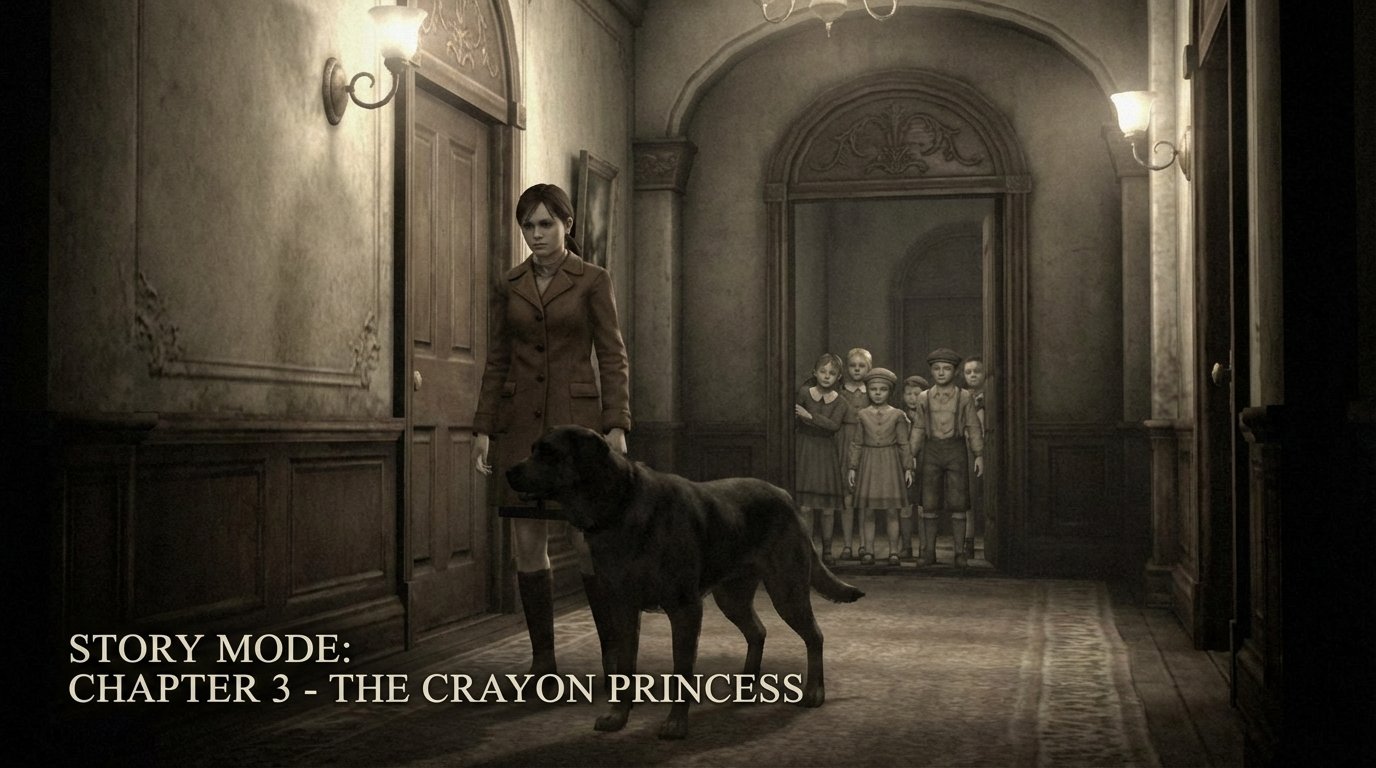
Set in 1930s England, Rule of Rose follows Jennifer, a young woman trapped in a twisted orphanage ruled by a sadistic group of children known as the Red Crayon Aristocrats. The narrative weaves a disturbing fairy tale, blending childhood trauma, psychological horror, and surreal storytelling as Jennifer uncovers the truth behind the orphanage’s sinister rituals.
The story is notorious for its mature and controversial themes, exploring power dynamics, loss of innocence, and the horrors of childhood cruelty. Unraveling Jennifer’s past and the orphanage’s secrets keeps players engrossed and unsettled throughout.
Gameplay
Rule of Rose is a third-person survival horror game that emphasizes exploration, puzzle-solving, and minimal combat. Players guide Jennifer through claustrophobic environments, often accompanied by her loyal dog, Brown, who can sniff out hidden items and clues.
Combat is intentionally clumsy and scarce, heightening Jennifer’s vulnerability and the overall sense of dread. The emphasis is on atmosphere and story rather than action, making every encounter with the Aristocrats or hostile creatures a nerve-wracking ordeal.
Why it’s on this list
Rule of Rose is infamous for both its scarcity and its willingness to tackle taboo subjects. Despite controversy and limited release, it’s a haunting experience unlike any other. Modern audiences deserve the chance to experience its chilling, thought-provoking narrative with updated controls and visuals.
Graphics and Sound
The game’s muted color palette and oppressive sound design create a bleak, dreamlike world. Melancholic music and unsettling ambient noises amplify the sense of unease, while the detailed character animations bring the twisted cast to life.
Legacy and Reception
Rule of Rose sparked debate upon launch, leading to bans and limited distribution in some regions. However, it has since been revered as a cult classic, praised for its narrative depth and psychological complexity. Its rarity has only added to its mystique, making it a prime candidate for revival.
Eternal Darkness: Sanity’s Requiem
Story
Eternal Darkness: Sanity’s Requiem takes players on a mind-bending journey across centuries, following the intertwined stories of various protagonists battling cosmic horrors. At the center is Alexandra Roivas, who investigates her grandfather’s mysterious murder and discovers an ancient tome that reveals the world’s hidden, supernatural history.
The narrative jumps between different eras and characters, each facing unspeakable horrors linked to the Ancients—malevolent entities seeking to invade our reality. The game’s mature, Lovecraftian storytelling and shifting perspectives keep players hooked until the chilling finale.
Gameplay
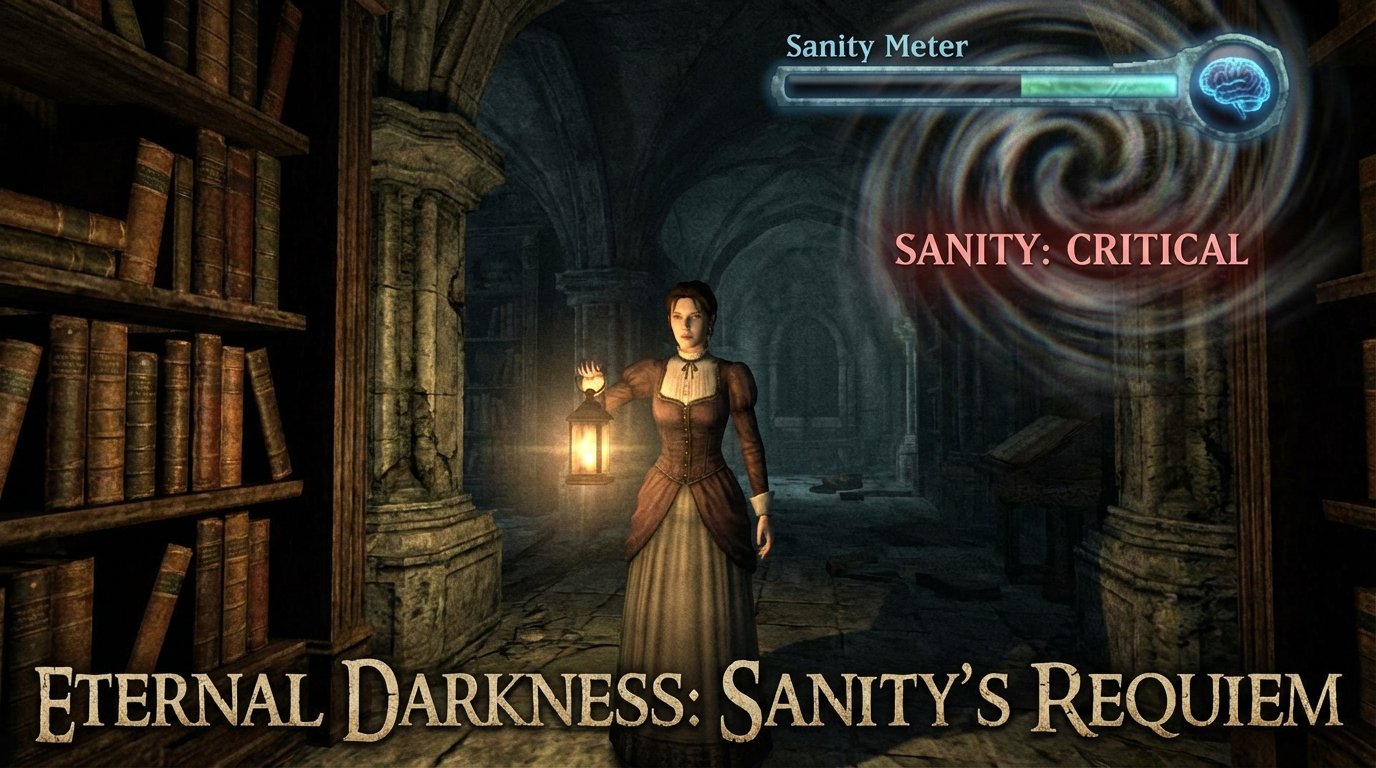
A pioneering title on the Nintendo GameCube, Eternal Darkness blends survival horror with psychological elements. Players must manage sanity as well as health, as witnessing supernatural events causes the sanity meter to drop, unlocking increasingly bizarre fourth-wall-breaking effects.
Combat, puzzle-solving, and exploration are mixed with a magic system that allows for spells and rituals. The sanity effects—ranging from hallucinations and distorted visuals to fake controller errors—remain some of the most innovative in gaming history.
Why it’s on this list
Eternal Darkness is a masterclass in psychological horror that was criminally underplayed due to its platform exclusivity. Its sanity system and intricate storytelling are still unmatched, making it an ideal candidate for a modern reboot or remaster.
Graphics and Sound
For its time, the game featured impressive visuals, atmospheric lighting, and grotesque monster designs. The soundscape is equally memorable, with eerie whispers, unsettling music, and sudden jumpscares that keep players on edge.
Legacy and Reception
Critics and fans alike lauded Eternal Darkness for its originality and depth. It has since become a cult favorite, with many clamoring for a modern return. Despite repeated rumors, a true revival remains elusive, making its comeback long overdue.
Clock Tower
Platform | SNES |
|---|---|
Publisher | Human Entertainment |
Genre | Survival Horror |
Release Date | 09/14/1995 |
Story
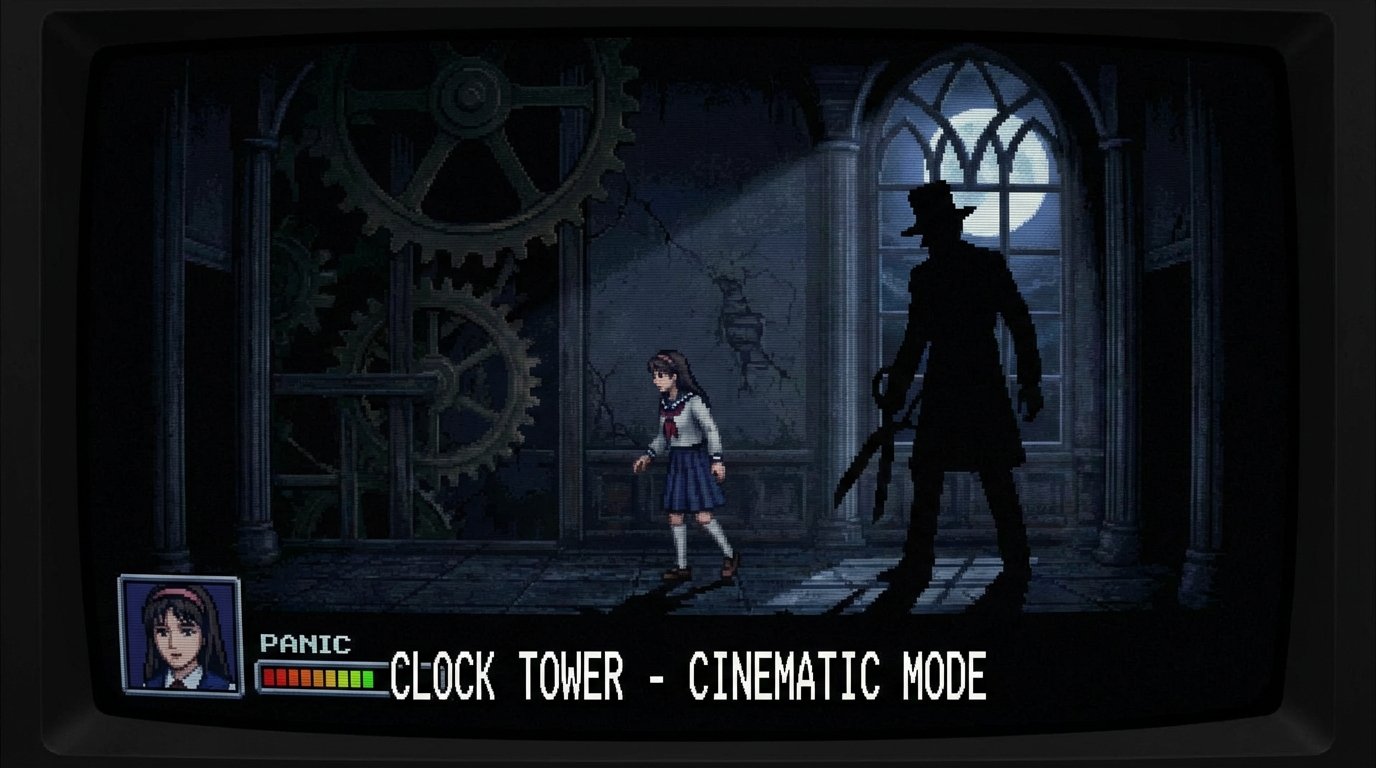
Clock Tower introduces Jennifer Simpson, a young orphan who finds herself trapped in a sprawling mansion with the terrifying Scissorman. The story unfolds as Jennifer tries to escape, encountering gruesome deaths and piecing together the mysteries of the Barrows family.
The narrative is told largely through exploration and environmental cues, with multiple endings based on player choices. The looming threat of Scissorman creates a constant sense of dread, as his appearances are both random and deadly.
Gameplay
As one of the earliest point-and-click horror games, Clock Tower relies heavily on stealth, puzzle-solving, and evasion. Jennifer is defenseless, forcing players to find hiding spots and outsmart Scissorman instead of fighting him head-on.
The tension is amplified by the unpredictable AI, which can track Jennifer throughout the mansion. Survival depends on quick thinking and careful observation, making each playthrough unique and nerve-wracking.
Why it’s on this list
Clock Tower is a foundational horror title that influenced countless games but has been largely forgotten outside hardcore circles. Its relentless tension and branching storylines would shine with modern graphics and mechanics.
Graphics and Sound
The original’s pixel art and haunting soundtrack create a chilling atmosphere, with minimalist effects that still send shivers down the spine. Later entries introduced more detailed visuals, but the first remains iconic for its simplicity.
Legacy and Reception
Clock Tower was both praised and feared for its innovation, launching a franchise that would eventually fade into obscurity. Today, its influence is evident in countless indie horror titles, but a true modern revival is sorely needed.
Siren (Forbidden Siren)
Story
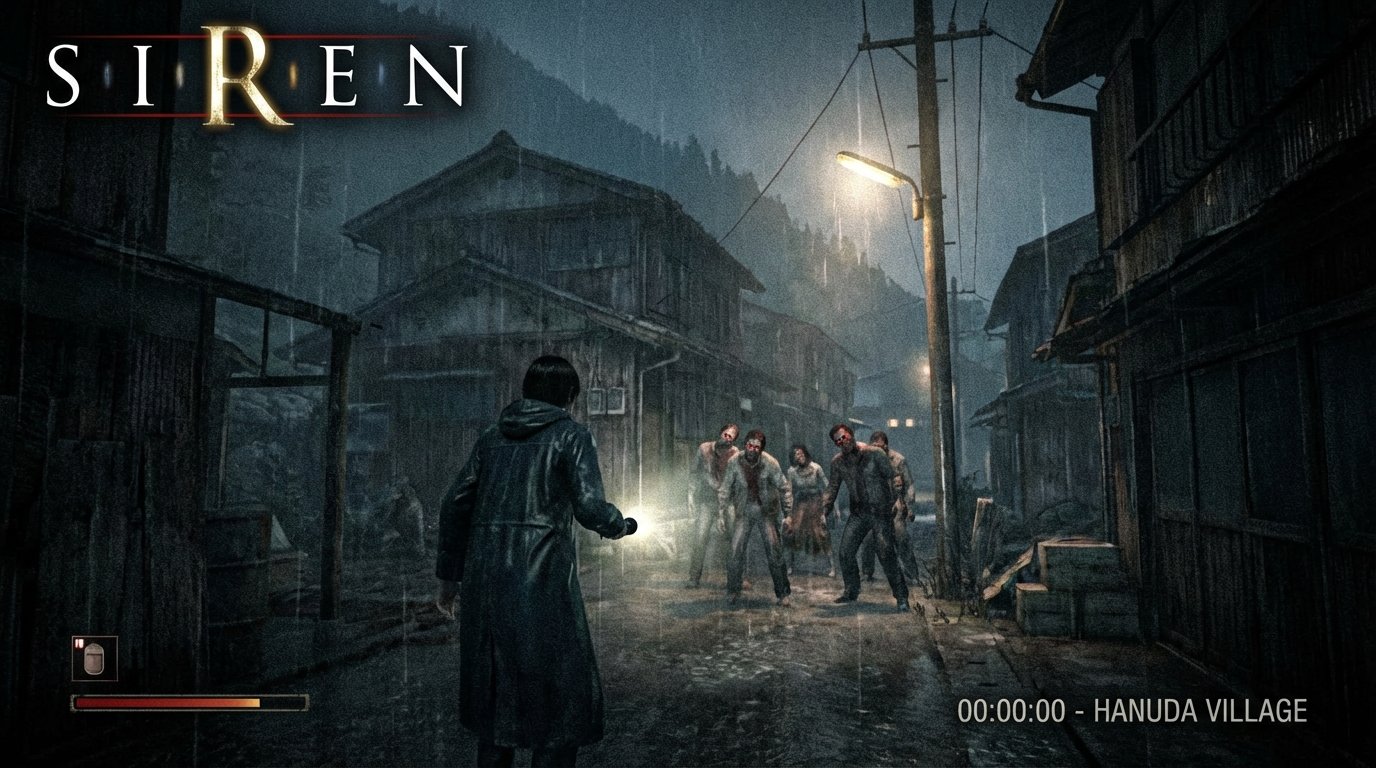
Siren, known as Forbidden Siren in some regions, strands players in the cursed Japanese village of Hanuda. A supernatural disaster causes the villagers to transform into grotesque, immortal Shibito, while a group of survivors desperately seeks escape.
The story is told through multiple perspectives across an interwoven timeline, gradually revealing the village’s dark rituals and the origin of the curse. Its complex, non-linear narrative keeps players guessing until the very end.
Gameplay
Siren is renowned for its innovative “sightjacking” mechanic, allowing players to see through the eyes of both allies and enemies. Stealth is paramount, as the Shibito cannot be killed permanently, and direct confrontation is often fatal.
Puzzles and exploration are central, with each character’s unique abilities and story arcs affecting the overall outcome. The oppressive atmosphere and constant threat of detection make every moment tense and unpredictable.
Why it’s on this list
Despite its originality and cult following, Siren never achieved mainstream success. Its unique mechanics and unsettling setting are ripe for a comeback, especially as modern technology could enhance its already terrifying premise.
Graphics and Sound
The game’s washed-out visuals, disturbing creature designs, and relentless ambient noise create an atmosphere of pure dread. The use of real actors for character models further blurs the line between reality and nightmare.
Legacy and Reception
Siren was critically acclaimed but divisive due to its difficulty and structure. It spawned sequels and a Western remake, but the original remains the most haunting. Its influence can be seen in modern horror, yet it deserves a proper reintroduction to today’s audiences.
Kuon
Story
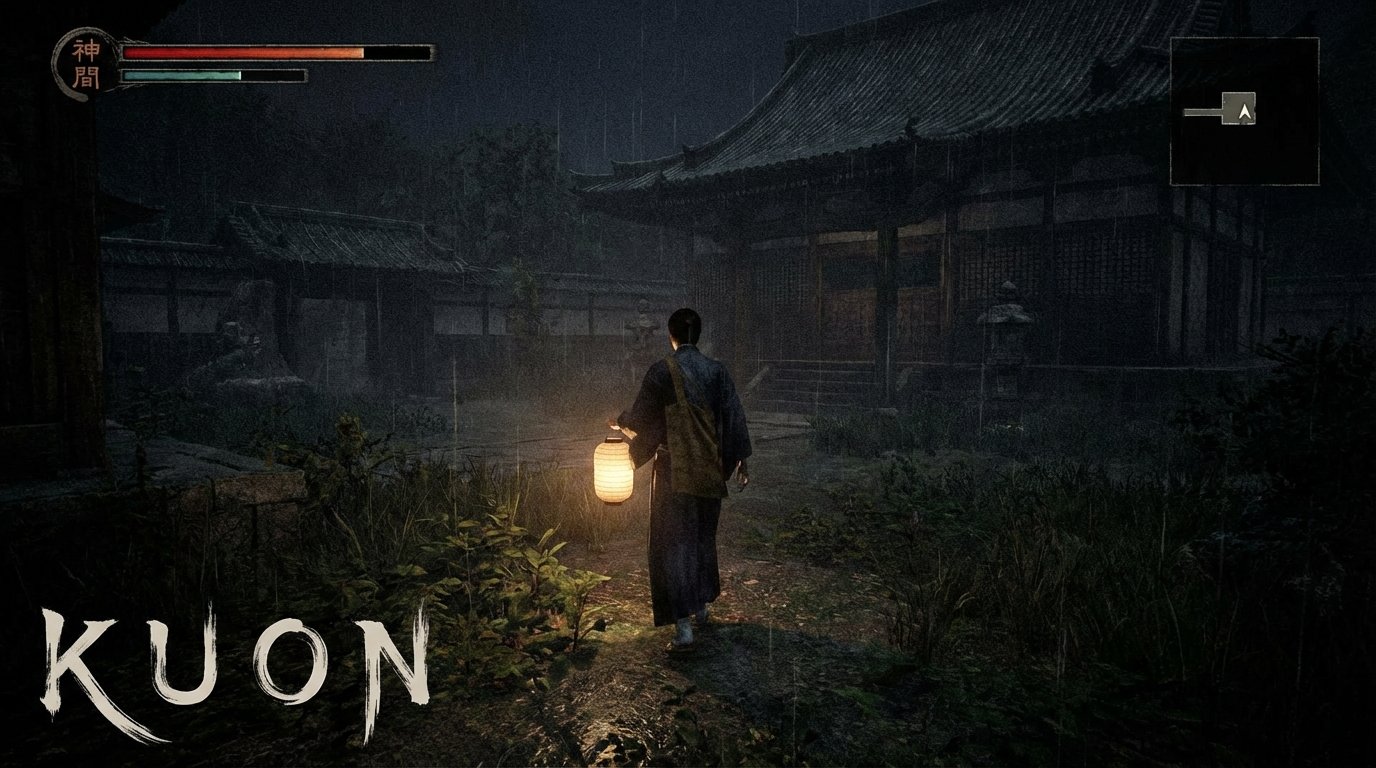
Set in Japan’s Heian period, Kuon follows multiple protagonists as they explore a haunted mansion plagued by curses, monstrous spirits, and dark rituals. Each character’s story intertwines, revealing the tragic events that have unleashed malevolent forces upon the land.
The narrative draws heavily on Japanese folklore and horror, with themes of revenge, forbidden knowledge, and supernatural corruption. Players unravel the mysteries behind the mansion’s curse through notes, flashbacks, and cryptic conversations.
Gameplay
Kuon is a survival horror game in the vein of early Resident Evil, with fixed camera angles, limited resources, and challenging combat. Players must balance exploration, puzzle-solving, and fighting off spectral threats using both traditional weapons and mystical talismans.
The game’s slow pace and oppressive atmosphere create a constant sense of unease. Its emphasis on Japanese horror traditions sets it apart from Western counterparts, offering a unique and chilling experience.
Why it’s on this list
Kuon’s blend of folklore, period setting, and atmospheric horror make it one of the most distinctive forgotten titles. Its scarcity and cult status have made it a collector’s item, but modern gamers deserve to experience its unique brand of terror.
Graphics and Sound
The visuals are steeped in traditional Japanese aesthetics, with intricate environments, haunting spirits, and muted color palettes. The sound design is equally evocative, featuring eerie music, ghostly whispers, and unsettling ambient noises.
Legacy and Reception
Kuon received mixed reviews upon release, with some criticizing its controls but many praising its atmosphere and storytelling. Over time, it has gained a devoted following and is now regarded as a lost gem in the horror genre.
Dino Crisis
Platform | Playstation |
|---|---|
Publisher | Capcom |
Genre | Survival Horror |
Release Date | 07/01/1999 |
Story
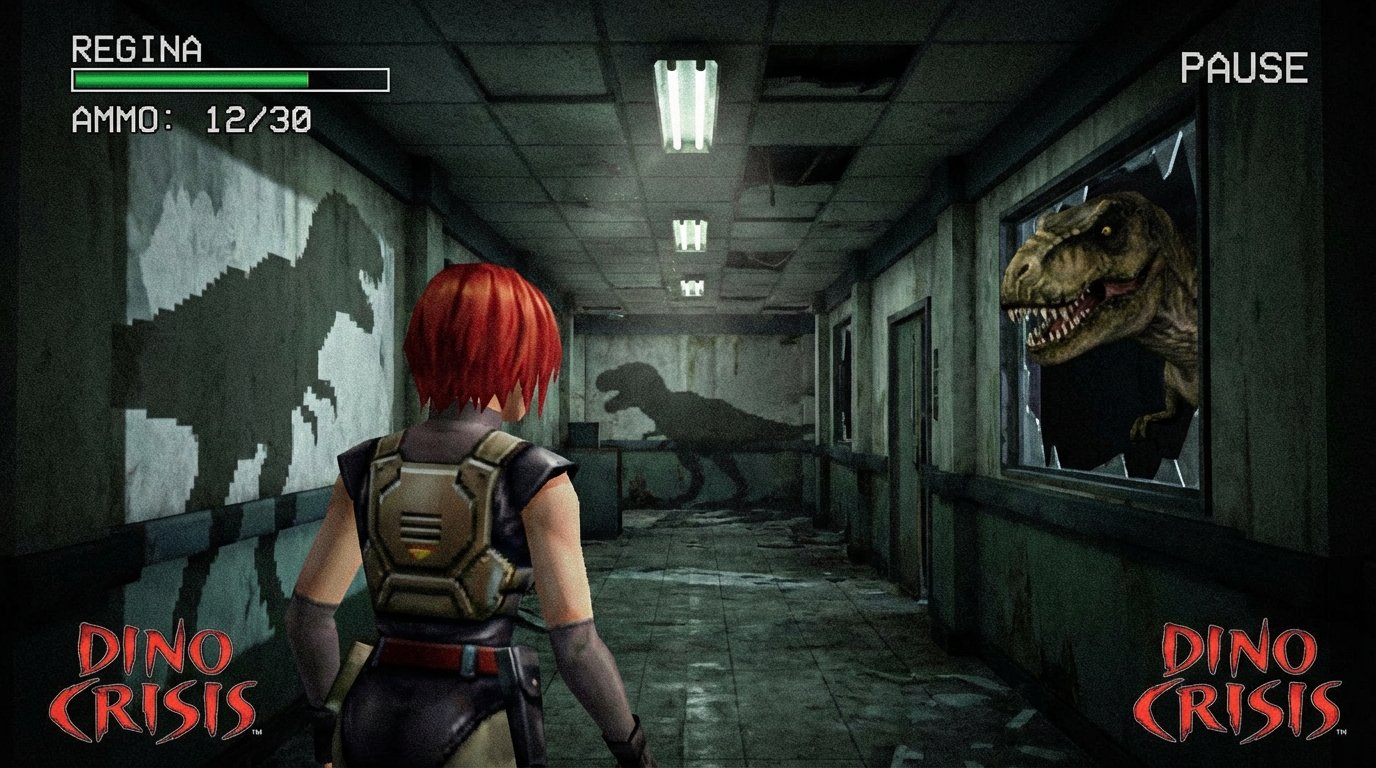
Dino Crisis thrusts players into a secret research facility overrun by rampaging dinosaurs. As special agent Regina, players must uncover the truth behind the facility’s experiments while avoiding becoming prey themselves. The story is a blend of sci-fi, action, and survival horror, with twists and betrayals around every corner.
The narrative unfolds through documents, cutscenes, and radio chatter, gradually revealing the catastrophic consequences of tampering with time and genetics. The sense of isolation and ever-present danger keeps the tension high from beginning to end.
Gameplay
Often described as “Resident Evil with dinosaurs,” Dino Crisis uses fixed camera angles, resource management, and puzzle-solving. However, the unpredictable behavior and speed of the dinosaurs make encounters far more intense than traditional zombie foes.
Players must conserve ammo, solve complex puzzles, and make critical decisions that affect the story’s outcome. The game’s branching paths and multiple endings add replay value, while its real-time environments increase the sense of urgency.
Why it’s on this list
Despite its success, Dino Crisis has been dormant for years, overshadowed by Capcom’s other franchises. Its blend of survival horror and prehistoric terror is perfect for a modern reboot, especially with today’s graphics and AI capabilities.
Graphics and Sound
The original’s visuals were cutting-edge for their time, with detailed environments and terrifyingly lifelike dinosaurs. The sound design—heavy footsteps, guttural roars, and ominous music—amplifies the fear and excitement.
Legacy and Reception
Dino Crisis was a hit upon release, spawning sequels and a loyal fanbase. However, the series faded as survival horror evolved. Today, fans still clamor for a return, and its absence is felt more than ever in the horror landscape.
Obscure
Story
Obscure follows a group of high school students trapped inside their school after dark, beset by monstrous creatures and a mysterious infection. As the night progresses, the group uncovers the dark experiments conducted by faculty members, linking the horrors to the school’s sinister past.
The story is inspired by teen horror movies, blending coming-of-age drama with supernatural terror. The relationships between characters affect the narrative, with choices determining who survives until dawn.
Gameplay
Obscure stands out for its cooperative gameplay, allowing two players to team up locally or solo players to switch between characters. Each student has unique abilities, and teamwork is essential to solving puzzles and surviving attacks.
Combat is tense, with limited resources and deadly enemies. The game’s innovative light mechanics—using flashlights to weaken monsters—add a strategic layer to exploration and survival.
Why it’s on this list
Obscure’s blend of teen slasher tropes, co-op gameplay, and atmospheric horror make it a unique entry in the genre. Despite its cult following, it has been largely forgotten and deserves a revival, especially with modern online multiplayer capabilities.
Graphics and Sound
The game features moody lighting, detailed environments, and gruesome creature designs. Its soundtrack channels classic horror, while ambient noises and character banter enhance immersion.
Legacy and Reception
Obscure received positive reviews for its cooperative mechanics and fresh take on the genre. It spawned a sequel but quickly faded from memory. Its unique approach would shine with a modern remake or remaster.
The Suffering
Story
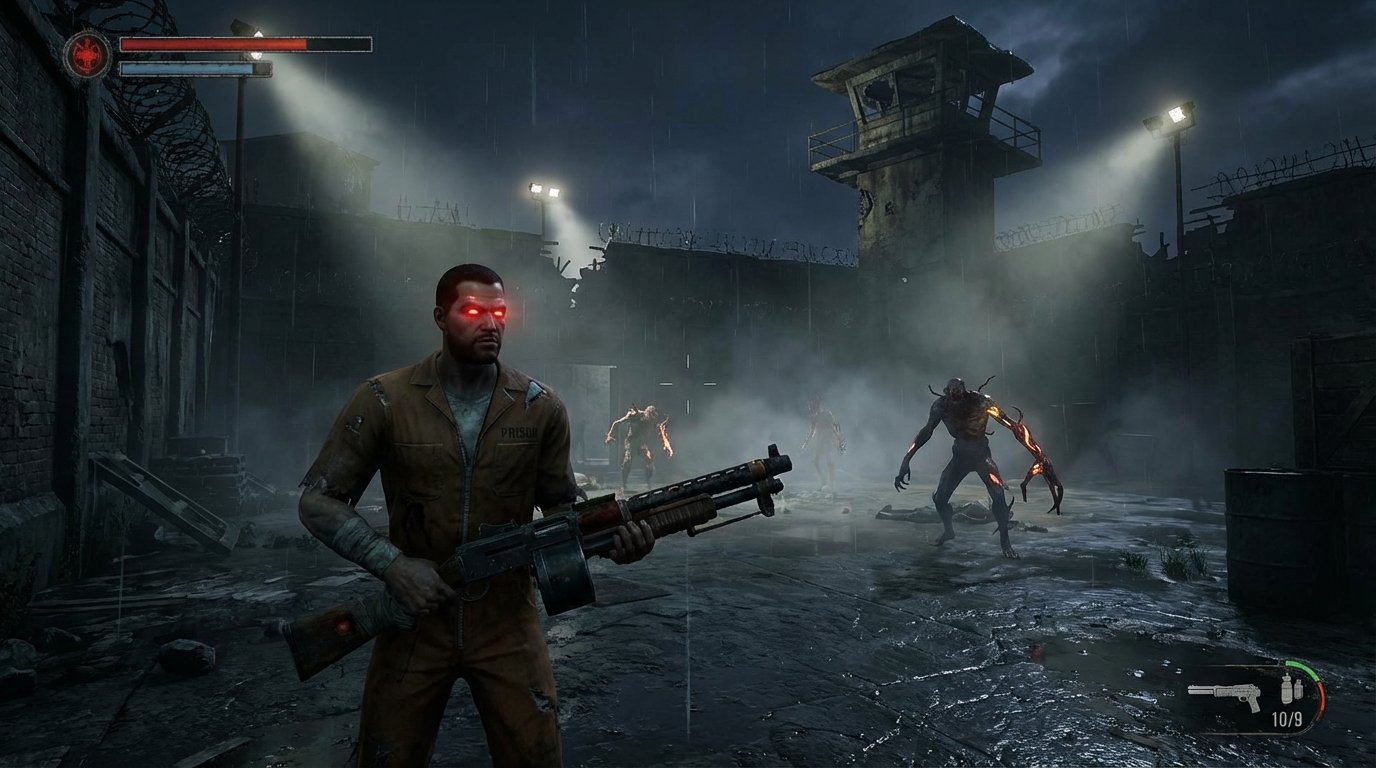
The Suffering casts players as Torque, an inmate on death row at Abbott State Penitentiary, a prison suddenly overrun by grotesque monsters embodying the institution’s violent history. As Torque battles the nightmarish denizens, he confronts his own demons and uncovers the truth behind his past and the prison’s haunting.
The narrative explores themes of guilt, redemption, and sanity, with choices that influence the story’s direction and ultimate outcome. Flashbacks and hallucinations blur the line between reality and madness.
Gameplay
Blending third-person and first-person perspectives, The Suffering emphasizes fast-paced action and psychological horror. Players wield an array of weapons, both conventional and supernatural, to fend off monstrous threats.
The game’s morality system tracks player choices, impacting Torque’s mental state and the ending received. Environmental puzzles and exploration break up the action, while the ever-present threat of transformation adds tension.
Why it’s on this list
The Suffering’s unique setting, morality system, and blend of action and horror set it apart from other titles. Despite critical success, it’s rarely mentioned in modern horror discussions, making it a forgotten classic ripe for revival.
Graphics and Sound
The game’s gritty visuals, disturbing monster designs, and oppressive atmosphere create a sense of dread throughout. Its sound design—echoing screams, clanging metal, and unnerving music—further immerses players in the prison’s horrors.
Legacy and Reception
The Suffering was praised for its originality, narrative depth, and intense action. It developed a dedicated fanbase and even spawned a sequel, but has since slipped into obscurity. Its influence lingers in modern psychological horror.
Cold Fear
Story
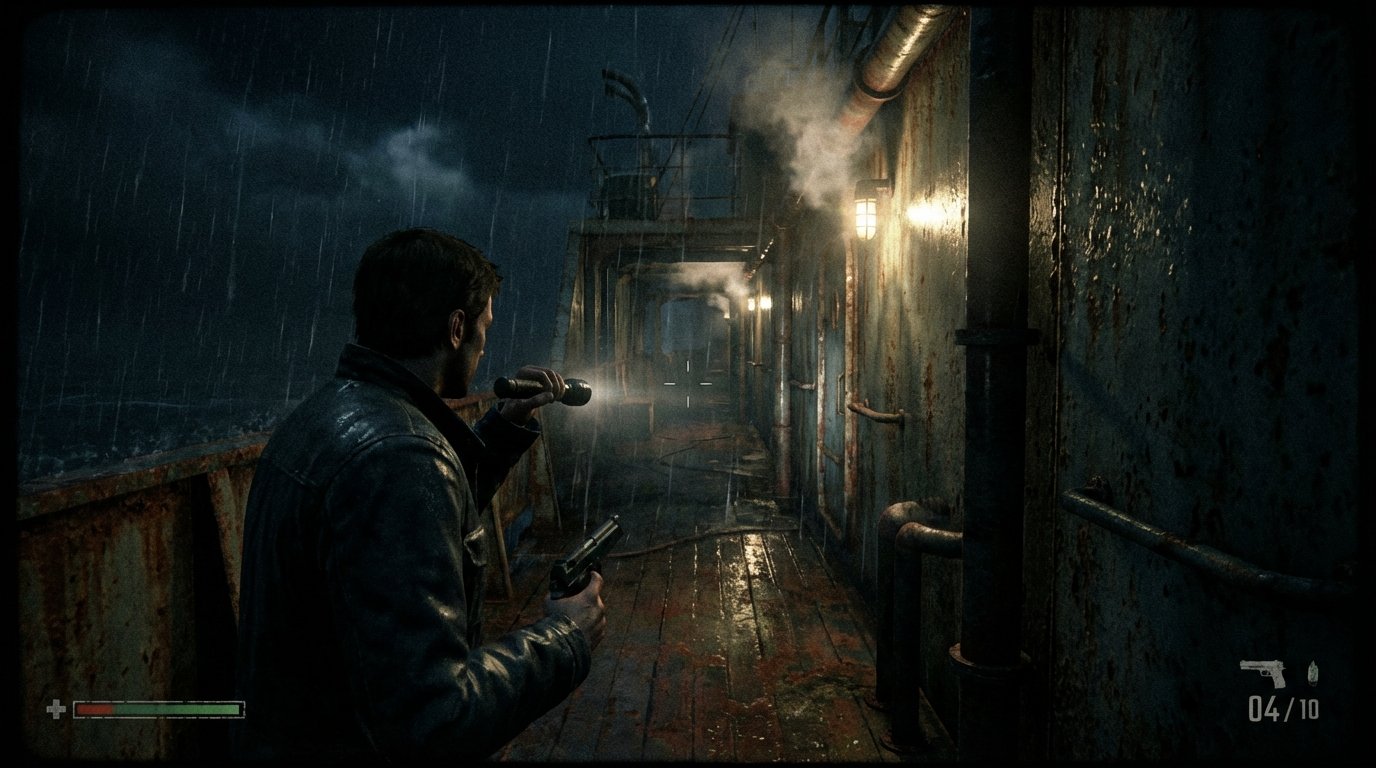
Cold Fear places players on a storm-lashed Russian whaling ship, where Coast Guard officer Tom Hansen investigates a series of grisly murders and uncovers a bioweapon outbreak. The narrative quickly escalates from maritime thriller to supernatural horror as monstrous creatures overrun the ship.
The story unfolds through environmental storytelling, documents, and radio transmissions, gradually revealing the origins of the infection and the ship’s doomed crew. The claustrophobic setting and escalating danger keep players on edge throughout.
Gameplay
Cold Fear is a survival horror shooter with over-the-shoulder aiming, dynamic camera angles, and environmental hazards. Players must contend with slippery decks, shifting objects, and relentless enemies, all while managing limited resources.
Combat is intense and unpredictable, with enemies attacking from all directions. The game’s physics-based environment adds realism, making simple tasks like navigating corridors a tense affair during storms.
Why it’s on this list
Cold Fear’s unique setting and blend of action and horror make it a standout title that’s rarely discussed today. Its innovative mechanics and atmospheric design deserve a second chance on modern hardware.
Graphics and Sound
The game’s visuals capture the bleak, rain-soaked ship and gruesome enemies with impressive detail. The soundscape—howling wind, creaking metal, and monstrous roars—immerses players in the chaos of the storm.
Legacy and Reception
Cold Fear was often compared to Resident Evil 4 but failed to achieve the same success. Despite its solid design, it faded into obscurity. However, its cult following continues to champion its return.
Fatal Frame II: Crimson Butterfly
Story
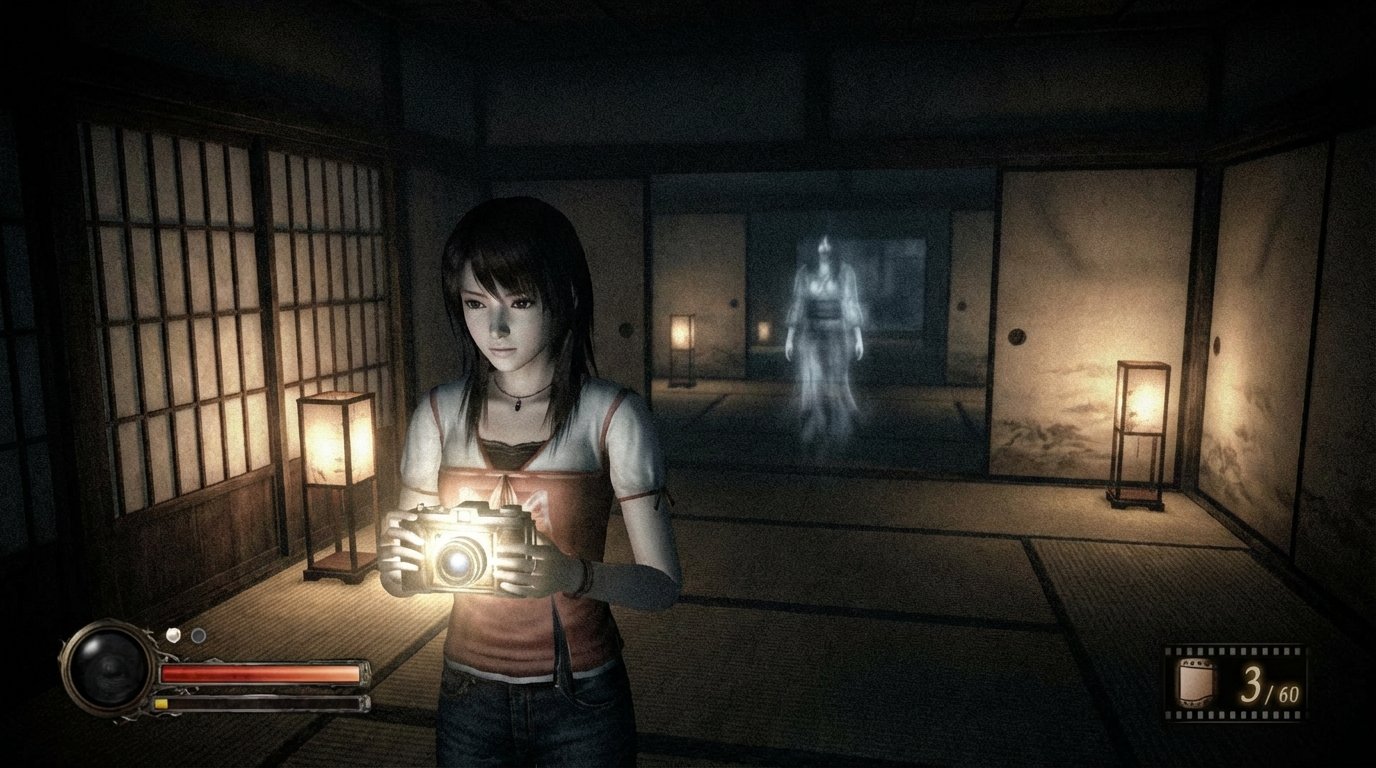
Fatal Frame II: Crimson Butterfly follows twin sisters Mio and Mayu as they become trapped in the haunted Minakami Village, a place cursed by a failed ritual. As they search for escape, they uncover the tragedy that befell the village and the restless spirits that now haunt it.
The narrative is steeped in Japanese folklore, focusing on themes of loss, guilt, and the bond between sisters. The sisters’ journey is as emotional as it is terrifying, with the story gradually revealing the village’s dark past.
Gameplay
Renowned for its unique combat mechanic, Fatal Frame II equips players with the Camera Obscura, which must be used to capture and exorcise spirits. Exploration, puzzle-solving, and resource management are key, with each encounter demanding nerves of steel.
The game’s fixed camera angles and limited visibility heighten the sense of vulnerability. Players must face their fears head-on, with the only way to survive being to confront ghosts through the camera’s lens.
Why it’s on this list
Despite critical acclaim and a devoted fanbase, Fatal Frame II remains difficult to access on modern platforms. Its haunting story, atmospheric design, and unique gameplay mechanics make it a must-have for a new generation of horror enthusiasts.
Graphics and Sound
The visuals are both beautiful and terrifying, with detailed environments and ethereal ghost designs. The sound design is masterful, with subtle cues, chilling whispers, and a haunting score that amplify the horror.
Legacy and Reception
Fatal Frame II is often cited as one of the scariest games ever made. Critics praised its innovation and emotional depth. While it has seen limited re-releases, it deserves a fully remastered version for today’s consoles.
Condemned: Criminal Origins
Story
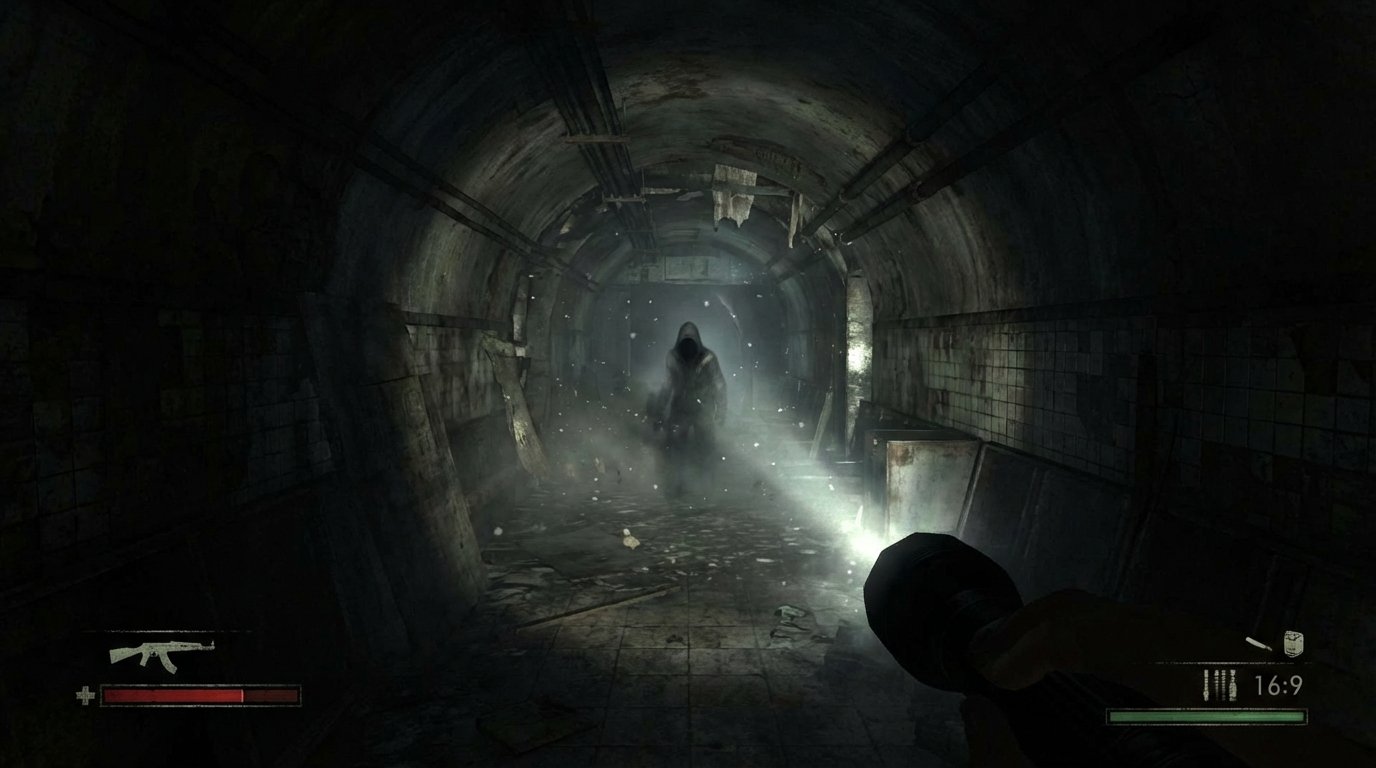
Condemned: Criminal Origins puts players in the shoes of Ethan Thomas, an FBI agent framed for murder while hunting a serial killer in a city descending into madness. The story blends crime thriller with psychological horror, as Ethan’s grip on reality slips amid mounting violence and paranoia.
The narrative is dark and gritty, exploring themes of corruption, insanity, and the blurred lines between hunter and hunted. Unraveling the mystery behind the city’s descent is as compelling as it is disturbing.
Gameplay
Condemned emphasizes first-person melee combat, with players using pipes, axes, and other improvised weapons to defend against deranged enemies. Investigation sequences use forensic tools to gather evidence and solve crimes.
The game’s immersive environments and dynamic AI create unpredictable encounters, while limited ammunition and brutal combat make every encounter tense and personal.
Why it’s on this list
Condemned’s unique blend of investigative gameplay, visceral combat, and psychological horror set it apart from other titles of its era. Despite critical acclaim, it’s been neglected for years and deserves a modern revival.
Graphics and Sound
The game’s gritty visuals, realistic lighting, and detailed environments create a nightmarish urban landscape. The sound design—echoing footsteps, distant screams, and unsettling ambient noises—heightens immersion.
Legacy and Reception
Condemned was praised for its originality, atmosphere, and intense gameplay. It developed a cult following and inspired a sequel, but has since faded from the spotlight. Its absence is keenly felt in the horror genre today.
Alone in the Dark: The New Nightmare
Story
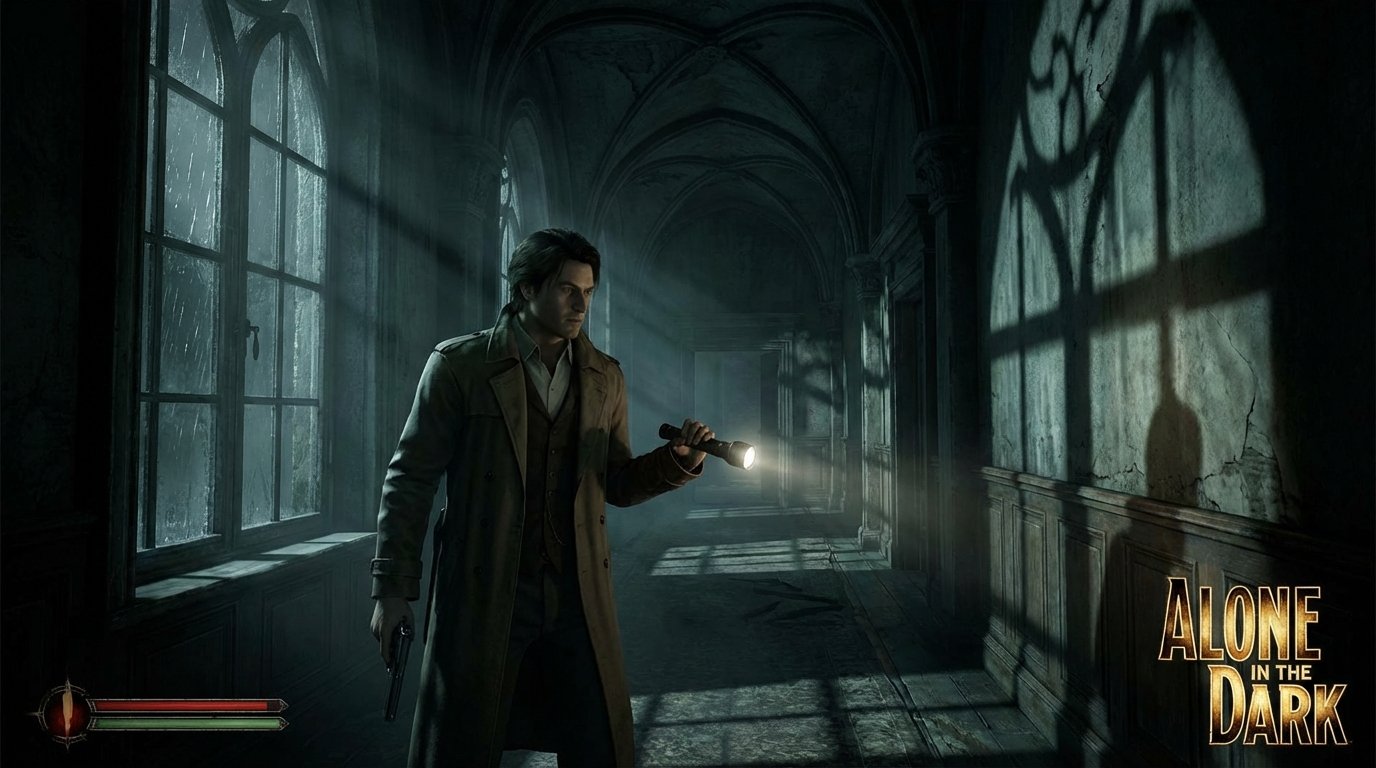
Alone in the Dark: The New Nightmare follows private investigator Edward Carnby and professor Aline Cedrac as they search for clues behind a friend’s mysterious death on Shadow Island. What begins as a routine investigation quickly descends into a fight for survival against supernatural forces.
The narrative weaves together Lovecraftian horror, ancient curses, and personal tragedy. The dual-character perspective adds depth, allowing players to experience different facets of the story.
Gameplay
The game returns to survival horror roots, with fixed camera angles, limited ammunition, and intricate puzzles. Players switch between Carnby and Aline, each with unique skills and storylines, adding replay value and variety.
Combat focuses on using light to fend off shadowy creatures, requiring players to manage both resources and positioning carefully. Exploration and puzzle-solving are essential to progressing and surviving the island’s horrors.
Why it’s on this list
Despite being part of a legendary franchise, The New Nightmare is often overlooked. Its atmospheric design, dual protagonists, and innovative light mechanics make it a standout entry deserving of modern recognition.
Graphics and Sound
The game’s pre-rendered backgrounds, dynamic lighting, and haunting creature designs create an immersive, unsettling world. The soundtrack and ambient sounds heighten tension, adding to the overall sense of dread.
Legacy and Reception
The New Nightmare received positive reviews for its atmosphere and design but was overshadowed by competitors. Today, it’s remembered fondly by genre fans but rarely mentioned in mainstream discussions—a perfect candidate for a comeback.
Call of Cthulhu: Dark Corners of the Earth
Story
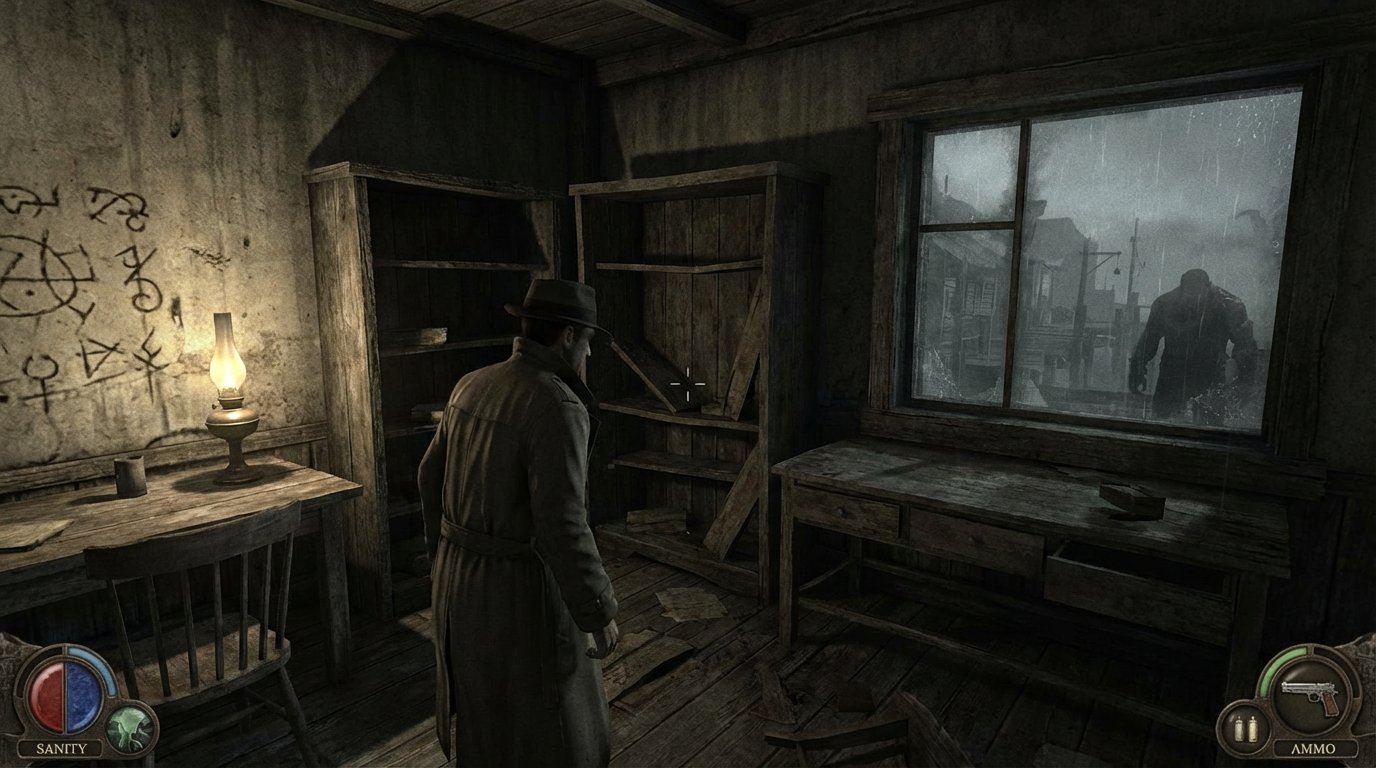
In Call of Cthulhu: Dark Corners of the Earth, players assume the role of Jack Walters, a private detective investigating the mysterious town of Innsmouth. As Jack delves deeper into the town’s secrets, he uncovers a terrifying conspiracy linked to ancient gods and otherworldly horrors.
The narrative is faithful to Lovecraft’s mythos, blending cosmic horror, madness, and conspiracy into a gripping tale. The descent into insanity is gradual but relentless, with Jack’s mental state deteriorating as he confronts unspeakable truths.
Gameplay
The game combines first-person exploration, stealth, and survival elements. There is no HUD, increasing immersion and vulnerability. Players must manage Jack’s sanity, as exposure to horrors and trauma can lead to hallucinations and gameplay-altering effects.
Combat is scarce and often discouraged, with stealth and evasion being safer strategies. Puzzle-solving and investigation drive the story forward, while the unpredictable sanity effects keep players constantly on edge.
Why it’s on this list
Despite its ambition and cult status, Call of Cthulhu struggled with technical issues and limited exposure. Its unique mechanics and chilling atmosphere are begging for a modern remaster or remake, especially given the resurgence of Lovecraftian horror.
Graphics and Sound
The game’s bleak visuals, oppressive environments, and grotesque creature designs immerse players in a world of cosmic dread. The sound design is equally unsettling, with distorted voices, ominous music, and sudden auditory hallucinations.
Legacy and Reception
While plagued by bugs at launch, the game was praised for its narrative fidelity and innovative mechanics. It has since become a cult classic, with fans eager for a return to Innsmouth’s haunted shores.
Nightmare Creatures
Story
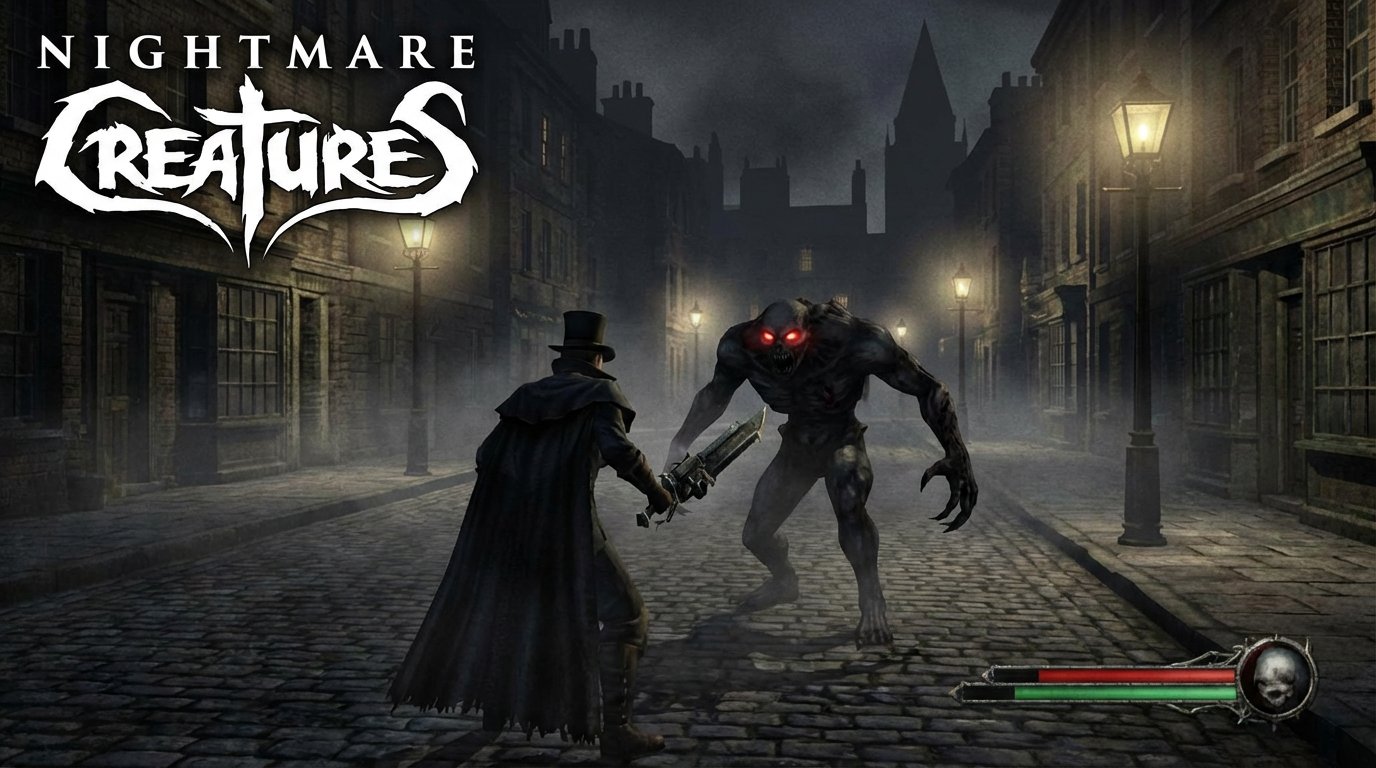
Nightmare Creatures takes place in 19th-century London, where a sinister cult unleashes grotesque monsters upon the city. Players assume the roles of priest Ignatius or circus performer Nadia, battling through the fog-shrouded streets to stop the cult and save humanity from unspeakable horrors.
The narrative is straightforward but effective, drawing on gothic horror traditions and classic monster lore. The sense of urgency and escalating threat keeps the story engaging from start to finish.
Gameplay
An action-horror hybrid, Nightmare Creatures features fast-paced combat, platforming, and exploration. Players use a variety of weapons and special moves to dispatch enemies, with each character offering distinct abilities and playstyles.
The game’s adrenaline mechanic adds a layer of tension—players must keep fighting to avoid succumbing to the monsters’ influence. Challenging boss battles and atmospheric levels test both skill and nerves.
Why it’s on this list
Nightmare Creatures was a trailblazer in blending action and horror but has been left behind in gaming’s evolution. Its dark setting and unique mechanics would benefit greatly from a modern reimagining.
Graphics and Sound
For its time, the game offered impressive 3D visuals, atmospheric fog, and gruesome creature designs. The soundscape—howling monsters, eerie music, and environmental effects—amplifies the gothic horror vibe.
Legacy and Reception
The game was well-received and spawned a sequel, but the franchise quickly faded from view. Its influence can be seen in modern action-horror titles, but a true comeback is long overdue.
SCP: Containment Breach
Story
SCP: Containment Breach drops players into the chaos of a top-secret facility where anomalous entities—based on the popular SCP Foundation mythos—have escaped containment. As an ordinary Class-D personnel, players must navigate the labyrinthine facility, avoiding deadly SCPs and uncovering the truth behind the breach.
The narrative is emergent, with each playthrough presenting new threats, events, and discoveries. The lore-rich world encourages exploration and rewards curiosity, with hidden notes and recordings fleshing out the backstory.
Gameplay
A first-person survival horror experience, SCP: Containment Breach emphasizes stealth, puzzle-solving, and resourcefulness. Players must manage blinking, stamina, and inventory while evading a variety of unpredictable and lethal SCPs.
Procedurally generated maps and random events ensure that no two runs are the same. The constant threat of instant death and the need to remain vigilant at all times create an atmosphere of unrelenting tension.
Why it’s on this list
Despite its indie origins, SCP: Containment Breach has become a cult phenomenon. However, it remains largely confined to PC, with outdated graphics and controls. A modern console reboot could bring its unique terror to a wider audience.
Graphics and Sound
The original’s visuals are rudimentary, but its use of darkness, flickering lights, and terrifying creature designs make it effective. The sound design—creaking doors, distant alarms, and monstrous shrieks—keeps players on edge.
Legacy and Reception
SCP: Containment Breach has inspired countless fan games, mods, and spin-offs. Its influence on internet horror culture is undeniable, but it deserves a polished, official release on modern platforms.
Yomawari: Night Alone
Story
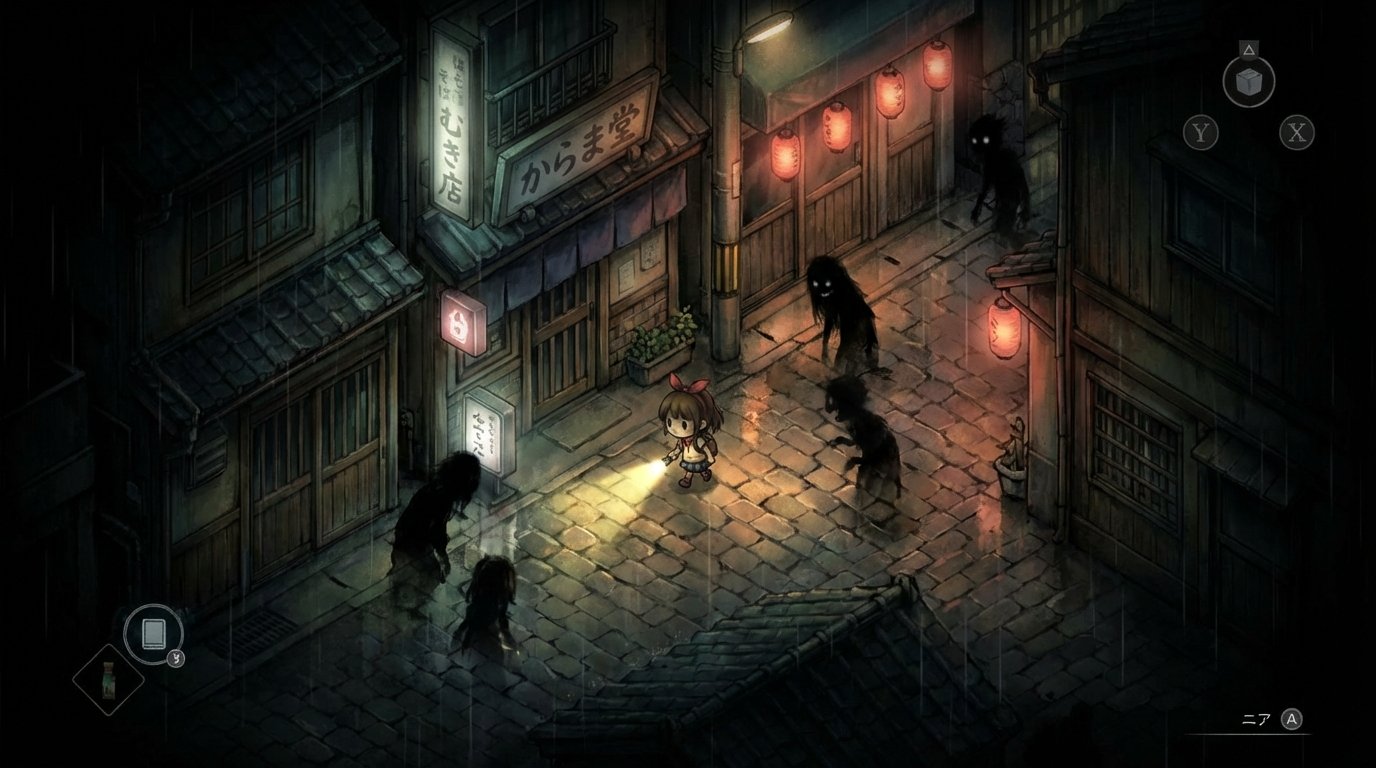
Yomawari: Night Alone tells the story of a young girl searching for her missing sister and dog in a haunted Japanese town. The narrative is subtle, delivered through environmental clues and brief cutscenes, but it packs an emotional punch as the girl confronts the spirits and secrets lurking in the darkness.
The story’s blend of innocence and horror creates a unique, bittersweet tone. Themes of loss, courage, and the unknown are explored with a delicate touch, making the journey both heartwarming and harrowing.
Gameplay
A top-down survival horror game, Yomawari emphasizes stealth, exploration, and puzzle-solving over combat. The protagonist is defenseless, forced to hide from or outmaneuver supernatural threats using environmental cues.
The game’s minimalist interface and limited lighting create a constant sense of vulnerability. Players must pay close attention to their surroundings and plan each step carefully to avoid sudden death.
Why it’s on this list
Yomawari: Night Alone is a beautifully crafted horror experience that’s underappreciated outside indie circles. Its atmospheric storytelling and unique art style would benefit from a wider release and enhanced visuals on modern consoles.
Graphics and Sound
The hand-drawn visuals, muted colors, and subtle animations create an eerie yet charming world. The sound design—whispering winds, distant footsteps, and ghostly cries—enhances the sense of isolation and danger.
Legacy and Reception
The game received critical praise for its originality and emotional impact, spawning sequels and a devoted fanbase. However, it remains niche and deserves greater recognition in the horror genre.
Echo Night
Story
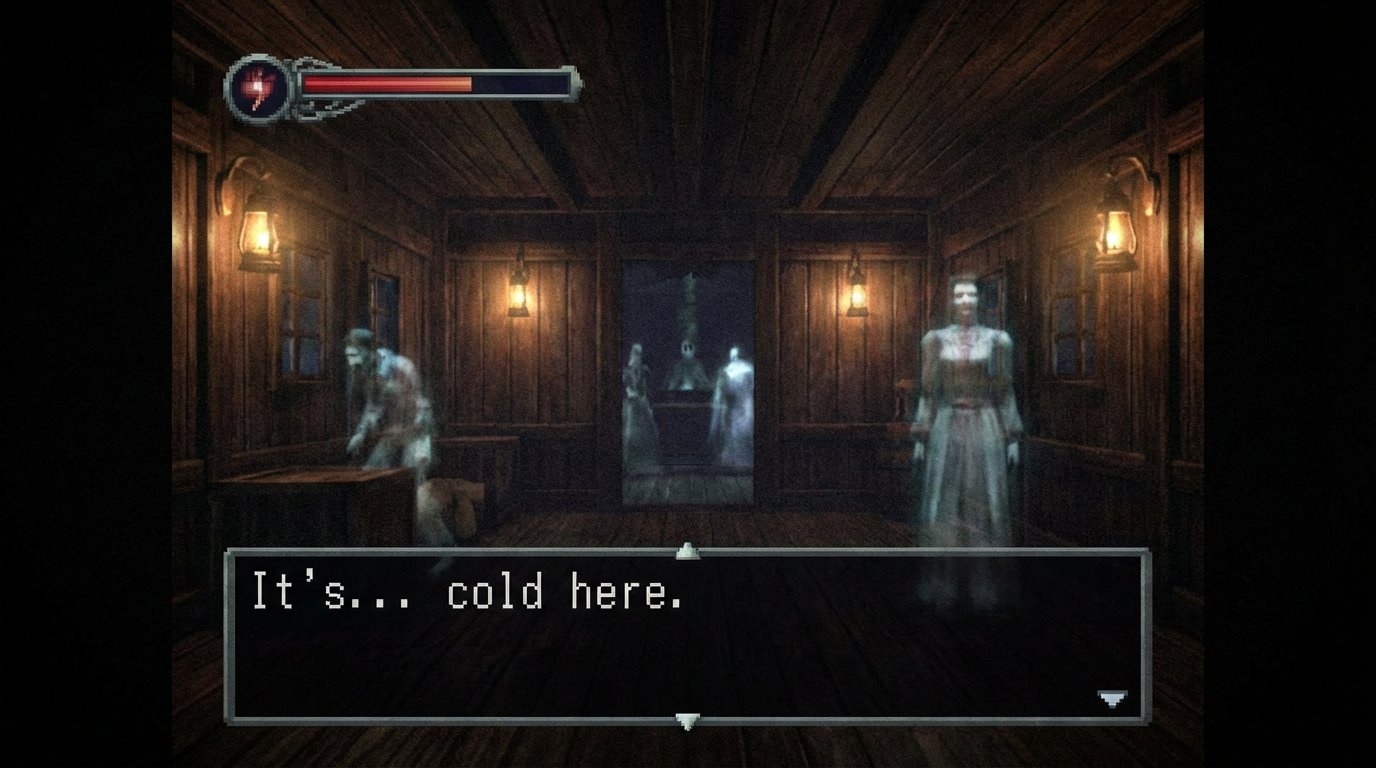
Echo Night follows Richard Osmond as he investigates a mysterious, cursed ship—the Orpheus—to uncover the fate of his missing father. The story unfolds through interactions with restless spirits, each with their own tragic tales and unfinished business.
The narrative is non-linear, with player choices affecting which spirits are saved and what secrets are uncovered. Themes of redemption, regret, and the afterlife are explored in subtle, thought-provoking ways.
Gameplay
Echo Night is a first-person adventure with a focus on exploration and puzzle-solving. Combat is virtually nonexistent; instead, players must use light to repel hostile ghosts and uncover hidden paths.
The game’s pace is slow and contemplative, encouraging players to piece together the story at their own rhythm. The emphasis on atmosphere over action sets it apart from more traditional horror games.
Why it’s on this list
Echo Night offers a unique, introspective approach to horror that’s rarely seen today. Its focus on narrative and emotional connection make it a standout title deserving of a modern revival.
Graphics and Sound
The visuals are atmospheric, with eerie lighting and detailed environments that evoke a sense of haunting melancholy. The sound design is minimal but effective, using silence, subtle music, and ghostly whispers to build tension.
Legacy and Reception
Echo Night was praised for its originality and storytelling but remained a niche title. Its influence can be seen in modern narrative-driven horror games, but it deserves a wider audience and updated presentation.
D
Story
D introduces players to Laura Harris, who enters a hospital to find her father but instead finds herself trapped in a surreal, nightmarish world. As she explores, Laura uncovers disturbing truths about her family and the nature of the reality she inhabits.
The story is told almost entirely without dialogue, relying on environmental storytelling and cinematic cutscenes. Its shocking twists and mature themes make for an unforgettable, if unsettling, experience.
Gameplay
D is a first-person, puzzle-driven adventure. Players must solve logic puzzles and navigate claustrophobic environments, all while racing against a real-time two-hour clock—fail to escape in time, and it’s game over.
The lack of inventory or combat shifts the focus to exploration and puzzle-solving. The oppressive atmosphere and time constraint create a sense of urgency and tension throughout.
Why it’s on this list
D was a groundbreaking title that showcased what horror games could achieve narratively and atmospherically. Its unique style and mechanics are ripe for a modern reimagining, especially for fans of psychological horror.
Graphics and Sound
The game’s pre-rendered visuals and cinematic presentation were revolutionary for their time. The haunting soundtrack and minimal sound effects further immerse players in Laura’s nightmare.
Legacy and Reception
D received critical acclaim and developed a cult following for its storytelling and innovation. Its influence can be seen in many modern horror games, but it remains a hidden gem worthy of rediscovery.
The House of the Dead: Overkill
Story
The House of the Dead: Overkill is a grindhouse-inspired prequel to the classic arcade shooter series. Players join Agent G and Detective Washington as they battle through a gauntlet of mutants, uncovering a conspiracy tied to government corruption and mad science.
The story is deliberately over-the-top, blending humor, gore, and B-movie tropes into a wild ride. Its self-aware script and outrageous characters make it a standout entry in the franchise.
Gameplay
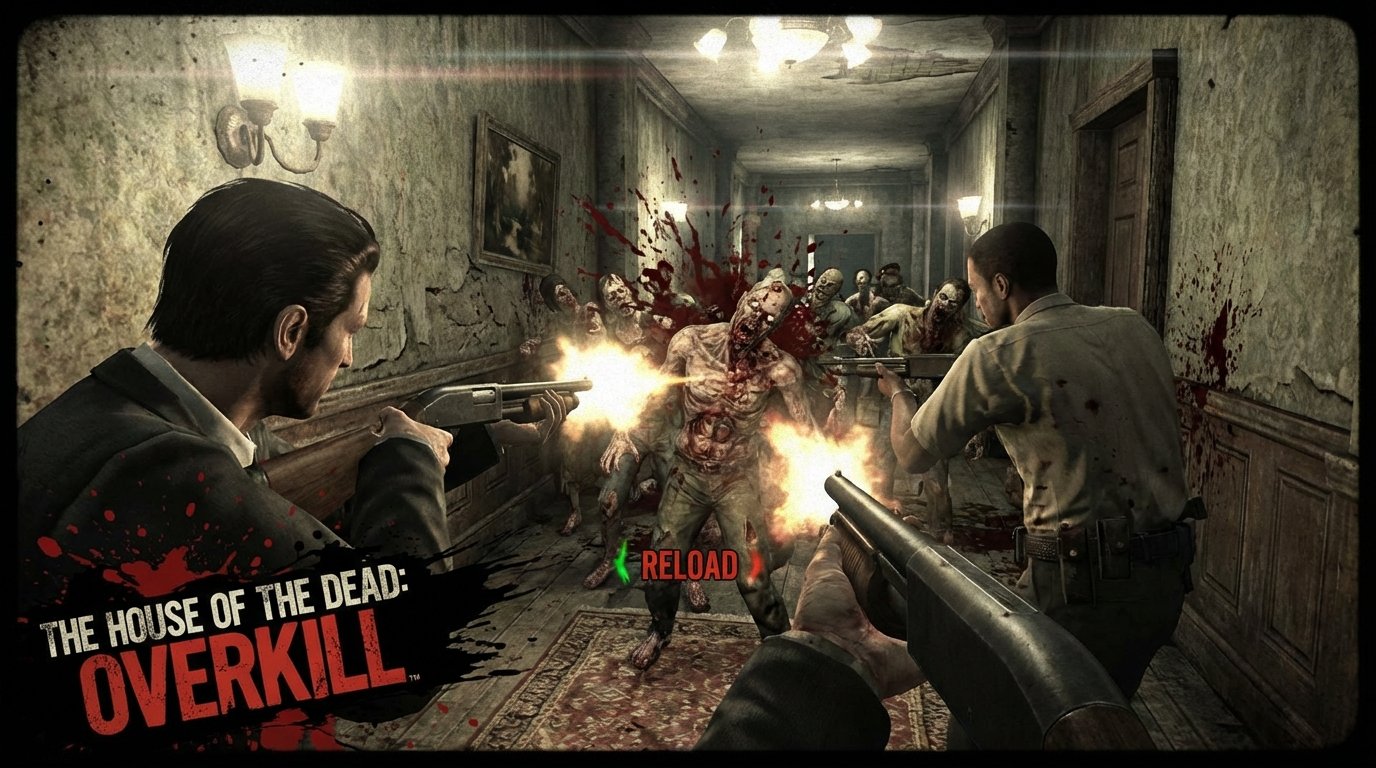
Overkill retains the rail shooter mechanics of its predecessors but adds new weapons, branching paths, and co-op play. Fast-paced action, responsive controls, and relentless hordes of enemies keep the adrenaline pumping.
The game’s scoring system and unlockables encourage replayability, while its grindhouse aesthetic and absurd dialogue create a unique, memorable experience.
Why it’s on this list
Despite its popularity among fans, Overkill remains largely confined to older platforms. Its blend of humor and horror would resonate with modern audiences, especially with enhanced visuals and online co-op.
Graphics and Sound
The game’s cel-shaded visuals, stylized blood splatter, and retro film effects capture the grindhouse vibe perfectly. The soundtrack and voice acting are equally over-the-top, adding to the game’s chaotic charm.
Legacy and Reception
Overkill was praised for its creativity, humor, and addictive gameplay. It remains a favorite among rail shooter fans but deserves a wider audience and a spot on modern consoles.
Parasite Eve
Platform | PlayStation |
|---|---|
Publisher | Square |
Genre | Survival Horror RPG |
Release Date | 09/09/1998 |
Story
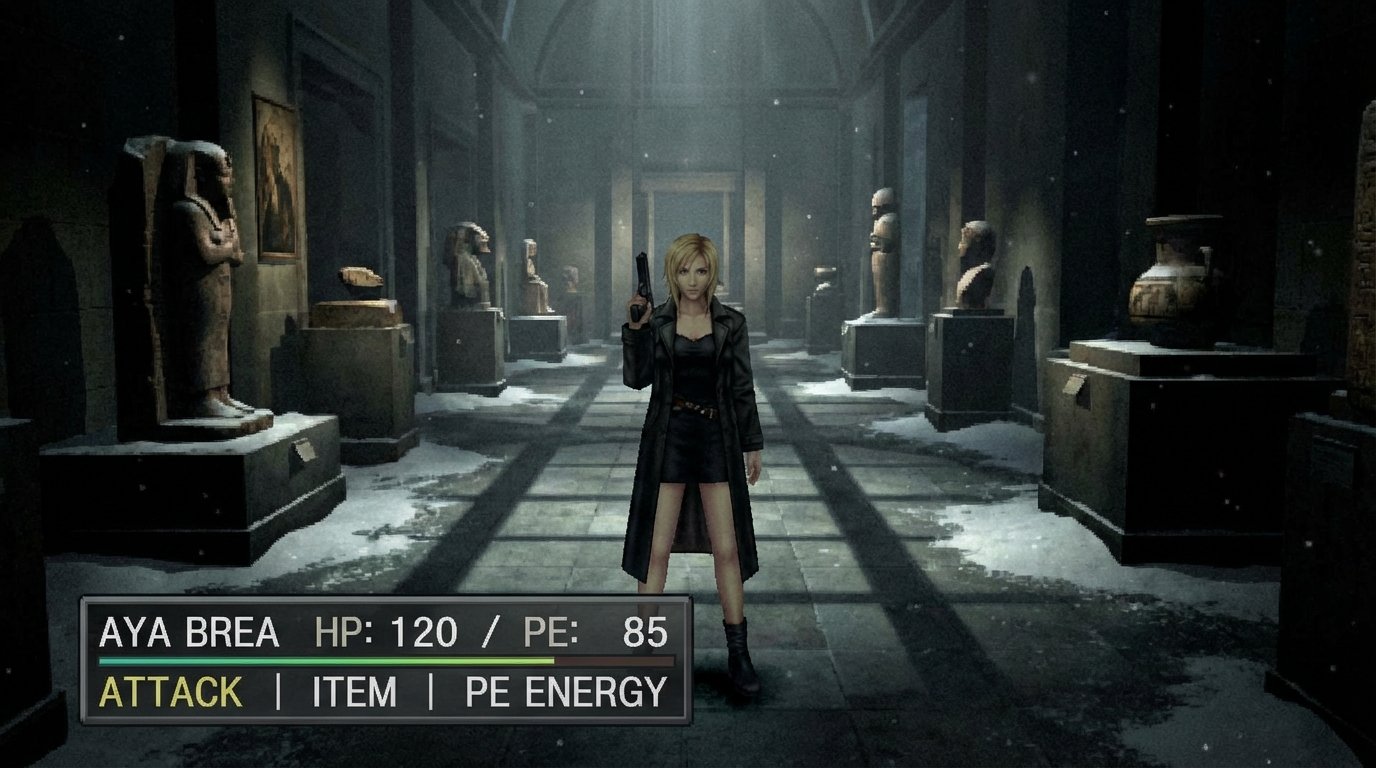
Parasite Eve tells the story of NYPD officer Aya Brea, who becomes embroiled in a biological nightmare after witnessing a horrific incident at an opera house. As she investigates, Aya uncovers the truth behind the mysterious entity Eve and her own connection to ancient, evolving mitochondria.
The narrative blends science fiction, horror, and police procedural elements, creating a unique story that’s as thrilling as it is unsettling. Themes of identity, evolution, and sacrifice are explored through gripping cutscenes and dialogue.
Gameplay
A hybrid of survival horror and RPG, Parasite Eve features real-time combat with tactical pauses, character progression, and resource management. Players explore New York City, battling mutated creatures and solving puzzles.
The combat system allows for strategic movement and ability use, setting it apart from traditional horror games. Exploration and inventory management are key to surviving increasingly difficult encounters.
Why it’s on this list
Parasite Eve’s distinctive blend of genres, compelling story, and memorable heroine make it a standout title that’s been missing from modern consoles for far too long. Its unique mechanics and atmosphere are perfect for a new generation.
Graphics and Sound
The game’s cinematic visuals, detailed environments, and unsettling creature designs still impress. The haunting soundtrack by Yoko Shimomura is legendary, perfectly complementing the game’s tense atmosphere.
Legacy and Reception
Parasite Eve was critically acclaimed and developed a passionate fanbase, but the series has remained dormant for years. Its absence is keenly felt by horror and RPG fans alike, making its revival highly anticipated.
Illbleed
Story
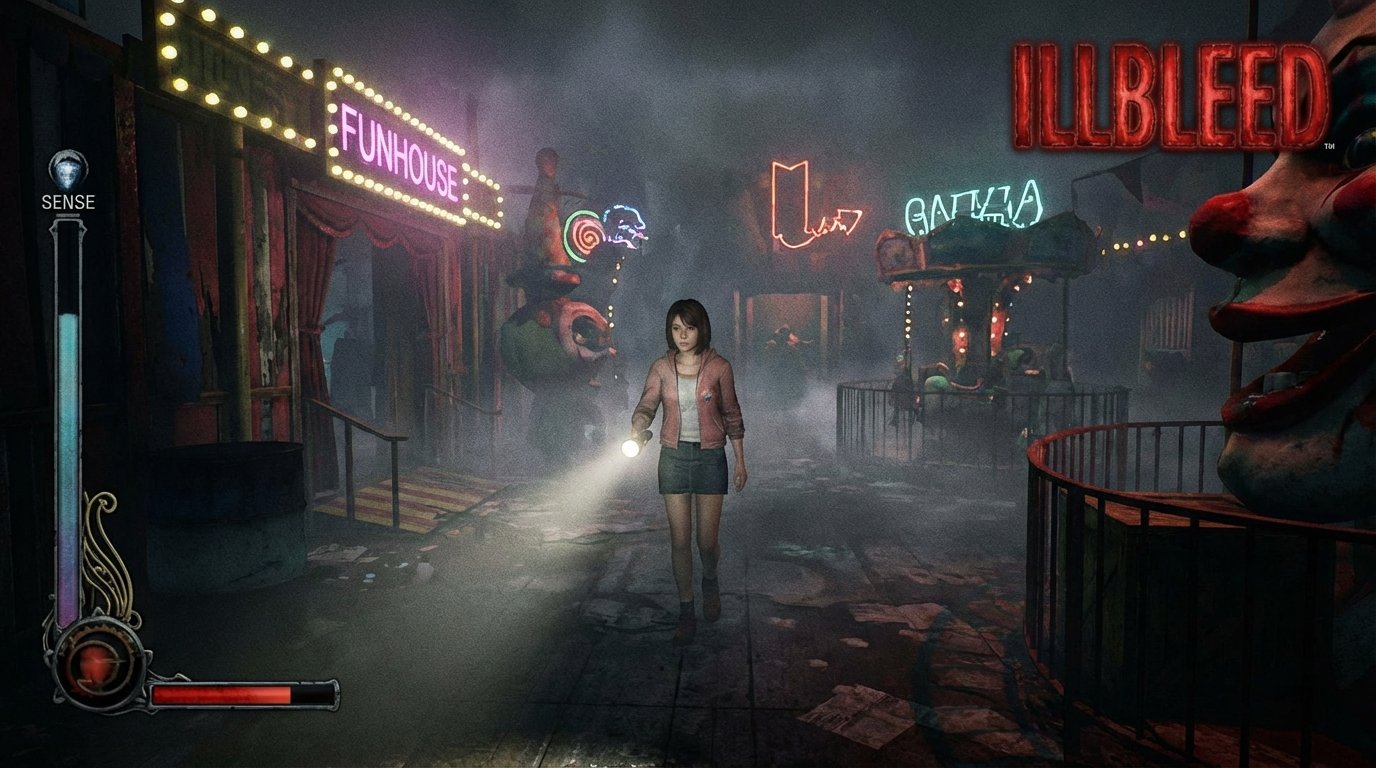
Illbleed drops players into a deadly theme park filled with murderous traps, deranged animatronics, and grotesque monsters. Erika, the protagonist, must rescue her friends and survive each horror-themed attraction, each with its own bizarre storyline and deadly twist.
The narrative is a fever dream of horror and dark comedy, parodying genre tropes and embracing the absurd. Each attraction presents a new story, keeping players guessing and entertained throughout.
Gameplay
Illbleed is a survival horror game with a unique “sense” mechanic, requiring players to detect and avoid traps using sight, hearing, smell, and sixth sense meters. Managing Erika’s health, fear, and stamina is crucial, as danger lurks around every corner.
Exploration is key, with each area filled with hidden scares, collectibles, and branching paths. The game’s unpredictability and variety set it apart from more conventional horror titles.
Why it’s on this list
Illbleed’s creativity, humor, and unique mechanics make it a cult classic that’s been overlooked for too long. Its blend of scares and laughs would shine with updated controls and visuals.
Graphics and Sound
The game’s Dreamcast-era graphics are colorful and grotesque, perfectly capturing the theme park’s warped aesthetic. Sound effects and voice acting are deliberately campy, adding to the game’s bizarre charm.
Legacy and Reception
Illbleed was misunderstood at launch but has since gained a devoted following. Its influence can be seen in modern horror-comedy titles, but a true revival is long overdue.
From haunted castles to cursed towns, biological nightmares to psychological mind-benders, these 20 forgotten horror games helped shape the genre’s twisted legacy. Each title brought something unique to the table—whether it was a groundbreaking mechanic, an unforgettable story, or a chilling atmosphere that lingers long after the credits roll. Yet time and technological leaps have left these classics in the shadows, overshadowed by bigger franchises and flashier titles.
As we look to the future of horror gaming in 2026, it’s clear there’s a hunger for both innovation and nostalgia. Reintroducing these buried gems to new audiences would not only preserve their legacy but also revitalize the genre with fresh frights and experiences. If you’re a publisher or developer reading this, take note: the world is ready to be terrified all over again. Will you answer the call and bring these icons back from the dead? Gamers everywhere are waiting—with the lights off.