
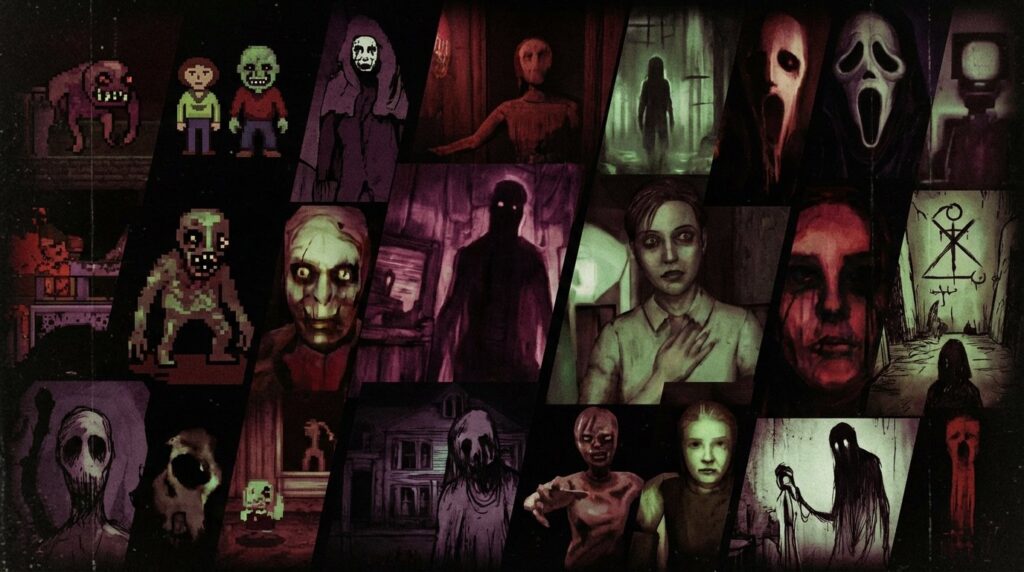
Horror games have always lurked in the shadows of the gaming world, offering spine-tingling experiences for those brave enough to venture into the unknown. While legendary franchises like Resident Evil and Silent Hill continue to dominate headlines, a treasure trove of lesser-known horror gems remains hidden, waiting to be discovered by the most daring players. As we approach 2026, there’s never been a better time to unearth these sinister secrets that promise to haunt your dreams and leave you questioning every creak and whisper in the dark.
In this list, we’re spotlighting 19 hidden gem horror games that deserve far more attention than they’ve received. These are not your mainstream blockbusters, but rather eerie masterpieces that expertly blend atmosphere, storytelling, and gameplay to create unforgettable nightmares. Whether you’re a fan of psychological terror, cosmic horror, or grotesque survival challenges, this collection has something to send chills down your spine.
So dim the lights, crank up your headphones, and prepare to add these overlooked horror treasures to your must-play list before 2026. Each one offers a unique twist on the genre, ensuring that even the most seasoned horror aficionados will find something new to fear.
Detention
Story
Set in 1960s Taiwan during a period of martial law, Detention immerses players in a haunting tale of supernatural terror deeply rooted in East Asian folklore and political history. You step into the shoes of students trapped in a remote mountain school that quickly transforms into a nightmarish realm. The story delicately weaves together themes of guilt, repression, and the psychological toll of authoritarian rule, making the horror feel both personal and universal.
As the narrative unfolds, you uncover the dark secrets of the school and its inhabitants, all while facing otherworldly entities drawn from Taiwanese mythology. The emotional weight of the story grows heavier as you piece together the tragic fates of your fellow students and confront your own past mistakes. Detention’s somber, atmospheric storytelling sets it apart from typical jump-scare horror, delivering a slow-burn dread that lingers long after the credits roll.
Gameplay
Detention is a 2D side-scrolling adventure that emphasizes exploration, puzzle-solving, and stealth over combat. The game’s simple controls make the experience accessible, but don’t be fooled—tension is expertly ratcheted up through clever environmental design and chilling audio cues. You must navigate the school’s warped corridors, solve cryptic puzzles, and avoid deadly spirits that stalk the halls.
Survival relies on your ability to read the environment, decipher symbolic clues, and outwit the supernatural forces hunting you. The lack of combat intensifies the sense of vulnerability, and every decision feels fraught with peril. The game’s pacing allows for both moments of quiet reflection and heart-pounding terror, keeping you on edge throughout your journey.
Why it’s on this list
Detention earns its place on this list for its masterful blend of psychological horror, cultural storytelling, and innovative gameplay. It’s a rare example of a horror game that uses its setting and themes to elevate the genre, offering a deeply unsettling experience that’s as intellectually engaging as it is emotionally harrowing.
Graphics and Sound
The hand-drawn art style is both beautiful and grotesque, capturing the oppressive atmosphere of the school and the surreal horror lurking within. Subtle color palettes, flickering lights, and distorted visuals reinforce the game’s dreamlike sense of unease. The sound design is equally superb, with haunting ambient noises, eerie music, and unsettling effects that keep your nerves frayed from start to finish.
Legacy and Reception
Detention received critical acclaim for its storytelling, atmosphere, and cultural authenticity, but it remains underappreciated outside of horror enthusiast circles. Its success paved the way for Red Candle Games’ later hit, Devotion, and helped bring Taiwanese horror to a global audience. If you missed this chilling gem, now is the perfect time to experience its unique brand of terror.
SOMA
Story
From the creators of Amnesia: The Dark Descent, SOMA plunges you into a deep-sea research facility after a mysterious catastrophe. You awaken as Simon Jarrett, grappling with memory loss and existential dread, only to discover that the world you knew has ended and humanity teeters on the brink of extinction. The narrative tackles weighty themes of consciousness, identity, and the meaning of existence, elevating the horror far beyond cheap scares.
As you piece together the fate of the PATHOS-II crew, SOMA subtly weaves philosophical questions into its narrative, challenging you to confront the terrifying implications of mind upload technology and what it means to truly be alive. The story’s emotional punch is matched only by its relentless sense of isolation and dread.
Gameplay
SOMA is a first-person horror adventure that emphasizes exploration, environmental storytelling, and puzzle-solving. While there are dangerous creatures lurking in the facility, combat is not an option—you must rely on stealth, wits, and quick thinking to survive. The game’s puzzles are cleverly integrated into the world, requiring you to manipulate machinery, hack terminals, and decipher logs to progress.
The oppressive underwater environment amplifies the tension, as claustrophobic corridors and flickering lights keep you constantly on edge. Each encounter with the facility’s monstrous inhabitants is a nerve-wracking test of your ability to stay calm under pressure.
Why it’s on this list
SOMA stands out for its intellectual depth, atmospheric world-building, and refusal to rely solely on jump scares. It’s a horror game that lingers with you long after completion, prompting existential reflection and genuine emotional response. Despite its critical acclaim, it’s often overshadowed by more action-oriented peers—making it a true hidden gem for discerning horror fans.
Graphics and Sound
The visuals are hauntingly beautiful, with detailed environments that evoke both wonder and terror. Waterlogged corridors, malfunctioning machinery, and eerie lighting create a world that feels both alien and uncannily familiar. The sound design is equally disturbing, with unsettling electronic hums and distant groans that heighten the sense of isolation.
Legacy and Reception
SOMA received widespread critical praise, particularly for its story and philosophical themes. While it has garnered a devoted cult following, it remains less well-known than Frictional Games’ earlier Amnesia series. Its influence continues to grow, as more players discover its unique approach to horror and narrative.
Song of Horror
Story
Song of Horror introduces you to an unnerving tale of supernatural investigation. When famed writer Sebastian P. Husher goes missing, you join a cast of diverse characters determined to uncover the mystery behind his disappearance. The story quickly escalates into a chilling battle with an ancient, malevolent entity known only as “The Presence.”
With its episodic structure, Song of Horror delivers interconnected stories that span multiple locations and time periods. Each chapter unveils new horrors and deepens the overarching mystery, keeping you hooked with its Lovecraftian undertones and unpredictable narrative twists.
Gameplay
The game is a third-person survival horror adventure with a unique twist: permadeath. If a character dies, they’re gone for good, and you must continue the investigation as another member of the cast. This mechanic adds real weight to your decisions, heightening the tension and making every encounter with The Presence genuinely perilous.
You’ll explore haunted mansions, abandoned institutions, and other atmospheric locales, solving puzzles and avoiding supernatural threats. The game’s signature feature is its adaptive AI antagonist, which dynamically hunts you based on your actions—ensuring that no two playthroughs are ever the same.
Why it’s on this list
Song of Horror deserves recognition for its inventive gameplay, rich narrative, and relentless tension. Its permadeath mechanic and unpredictable antagonist ensure that every moment is fraught with danger. Despite its high quality, it’s rarely mentioned alongside bigger names in the genre, making it a must-play for fans seeking something fresh.
Graphics and Sound
The visuals combine classic horror aesthetics with modern touches, delivering moody lighting, detailed environments, and unsettling creature designs. The audio is equally impressive, with a dynamic soundtrack and chilling effects that amplify the sense of dread. Doors creak, whispers echo, and The Presence’s approach is always signaled by nerve-wracking cues.
Legacy and Reception
Song of Horror was warmly received by critics and horror purists, praised for both its homage to genre classics and its modern innovations. However, it remains a cult favorite, still flying under the radar for many mainstream gamers. Its unique approach to horror ensures it will remain a talking point for years to come.
The Cat Lady
Story
The Cat Lady plunges players into the deeply personal and unsettling psyche of Susan Ashworth, a middle-aged woman struggling with depression and suicidal thoughts. After a failed suicide attempt, Susan is thrust into a surreal world where she is tasked with confronting a group of monstrous murderers known as the “parasites.” The narrative is unapologetically dark, exploring themes of mental illness, trauma, and recovery with raw honesty.
What sets The Cat Lady apart is its willingness to tackle taboo subjects, interweaving supernatural horror with real-world emotional pain. The story is as much about overcoming inner demons as it is about surviving external threats, resulting in an experience that is disturbing, poignant, and ultimately uplifting.
Gameplay
The Cat Lady is a side-scrolling psychological horror adventure that emphasizes story and character over action. Players navigate Susan’s fractured world, interacting with eccentric characters, solving inventory-based puzzles, and making choices that impact the narrative. The gameplay is straightforward but effective, keeping the focus on atmosphere and storytelling.
The game’s unsettling visuals and eerie soundscape maintain a constant sense of unease, while the dialogue-driven approach allows for deep character exploration. Moral choices and branching paths add replay value, ensuring that every playthrough feels unique and personal.
Why it’s on this list
Few horror games have the courage to address mental health as directly and empathetically as The Cat Lady. Its bold approach to storytelling and willingness to push boundaries make it a standout title for anyone interested in psychological horror. Despite critical praise, it remains a niche favorite, deserving of far more attention.
Graphics and Sound
The game’s hand-drawn art style is intentionally grim and surreal, reinforcing the protagonist’s emotional turmoil. Stark contrasts, limited color palettes, and grotesque imagery create a world that is as unsettling as it is memorable. The soundtrack is haunting, blending ambient tracks with disturbing effects that keep players on edge.
Legacy and Reception
The Cat Lady has earned a devoted cult following and critical acclaim for its writing, atmosphere, and unflinching portrayal of mental illness. However, its mature subject matter and unconventional presentation have kept it out of the mainstream spotlight. It stands as a powerful example of horror’s capacity for meaningful storytelling.
Darkwood
Story
Darkwood drops you into a nightmarish, ever-changing forest somewhere in Eastern Europe. The story unfolds gradually as you scavenge for supplies and interact with the region’s bizarre and often disturbing inhabitants. With its cryptic narrative, the game leaves much to interpretation, but it’s clear that a sinister force has warped the land and those who live within it.
The plot is delivered through environmental storytelling, cryptic notes, and unsettling encounters, allowing you to piece together a tapestry of dread and mystery. Each day brings new horrors as you desperately search for a way to escape the cursed woods.
Gameplay
Darkwood is a top-down survival horror game that demands careful resource management and tactical thinking. You must scavenge for food, medicine, and tools by day, and barricade yourself against unspeakable terrors by night. Permadeath is a real threat, and every action carries consequences, making each decision a matter of life or death.
The game’s open-ended structure encourages exploration, but venturing too far from safety can mean disaster. The night sequences are particularly harrowing, with creatures and phenomena that force you to constantly adapt your strategies. The tension is relentless, and the sense of vulnerability is palpable.
Why it’s on this list
Darkwood earns its spot for its innovative take on survival horror, eschewing cheap scares in favor of a slow-burning, atmospheric dread. Its unique perspective and mechanics offer something truly different for horror fans tired of conventional formulas. Despite critical acclaim, it remains a sleeper hit that deserves a wider audience.
Graphics and Sound
The visuals are stylized and oppressive, using a limited color palette and dynamic lighting to create a sense of claustrophobia and uncertainty. The top-down view doesn’t lessen the fear; instead, it amplifies the unknown, as threats often lurk just outside your field of vision. The sound design is masterful, with eerie ambient noises, distant howls, and unsettling music that never lets you feel safe.
Legacy and Reception
Darkwood has been praised for its atmosphere, innovative gameplay, and refusal to hold your hand. It’s quietly built a passionate community of fans, but its unconventional approach has kept it out of the mainstream. It’s a must-play for anyone seeking a fresh take on horror survival.
Yomawari: Night Alone
Story
Yomawari: Night Alone transports you to a quiet Japanese town shrouded in supernatural mystery. You play as a young girl searching for her missing sister and dog, only to discover that the familiar streets have become a realm of spirits and monsters after dark. The narrative unfolds through environmental storytelling and subtle clues, creating a sense of vulnerability and isolation that’s rare in the genre.
The story’s understated approach allows you to fill in the blanks, heightening the sense of dread and sorrow. As the protagonist delves deeper into the night, she encounters increasingly disturbing manifestations of grief, fear, and guilt, lending the game a powerfully emotional core.
Gameplay
Yomawari: Night Alone is an isometric survival horror adventure with stealth and exploration elements. Lacking any means to fight back, you must rely on stealth and quick thinking to avoid the spirits that roam the town. Your only “weapons” are a flashlight, a few throwable objects, and your own wits.
Navigating the twisting streets, you’ll solve puzzles, collect items, and unravel the town’s secrets. The game’s minimal HUD and lack of handholding immerse you in the protagonist’s vulnerability, making every encounter with the supernatural feel genuinely threatening.
Why it’s on this list
Yomawari: Night Alone stands out for its ability to evoke childhood fears through a unique blend of innocence and terror. Its minimalist storytelling and oppressive atmosphere make it a haunting experience that’s easy to overlook. It’s a must-play for fans of Japanese horror and psychological dread.
Graphics and Sound
The game’s deceptively cute, hand-drawn art style contrasts sharply with its dark subject matter, creating a sense of unease that permeates every screen. The sound design is subtle but effective, with ambient noises, distant whispers, and heart-pounding chase music heightening the suspense.
Legacy and Reception
Yomawari: Night Alone received positive reviews for its atmosphere and originality, spawning a sequel and earning a loyal fanbase. Despite this, it remains under the radar for many gamers, overshadowed by more action-oriented titles. It’s a hidden gem that deserves to be unearthed.
DreadOut
Story
DreadOut invites players to explore the supernatural folklore of Indonesia through the eyes of Linda, a high school student trapped in a ghost-infested, abandoned town. As Linda and her friends search for a way out, they become embroiled in a deadly game with spirits drawn from local legends. The story unfolds in unsettling episodes, blending teen drama with chilling ghost encounters.
The narrative’s strength lies in its cultural authenticity, introducing players to myths and spirits rarely seen in Western horror games. The stakes grow ever higher as Linda’s connection to the supernatural deepens, culminating in a battle for her soul and the lives of her friends.
Gameplay
DreadOut’s gameplay is reminiscent of classic survival horror, with a modern twist: Linda’s smartphone serves as her primary tool against the supernatural. You use it to capture evidence, solve puzzles, and fend off spirits—much like a more sinister take on Fatal Frame. Exploration, puzzle-solving, and stealth are key, as direct combat is usually a last resort.
Encounters with ghosts are tense and unpredictable, requiring quick reflexes and clever use of your limited resources. The game’s episodic structure allows for a variety of environments and threats, keeping you on your toes from beginning to end.
Why it’s on this list
DreadOut is a standout for its unique setting, authentic folklore, and terrifying ghost designs. While it drew comparisons to Fatal Frame, its Southeast Asian roots give it a flavor all its own. Despite positive buzz, it remains a cult classic more than a mainstream hit—making it essential for horror aficionados looking for something different.
Graphics and Sound
The visuals blend realistic environments with nightmarish spirit designs, creating a world that feels both grounded and surreal. The soundscape is packed with unnerving effects, from ghostly wails to the ominous ring of Linda’s phone, ensuring that every encounter is a heart-pounding ordeal.
Legacy and Reception
DreadOut was well-received in its home country and among horror purists, but it remains an underappreciated gem globally. It inspired a sequel and a live-action film, cementing its place as a unique voice in horror gaming history. If you’ve never faced Indonesia’s restless ghosts, it’s time to answer the call.
Claire
Story
Claire thrusts you into a surreal, nightmarish hospital where reality and memory bleed together. You control the titular character, a young woman searching for her missing mother and lost dog while grappling with trauma from her past. The story unfolds through fragmented memories, disturbing visions, and cryptic interactions with strange inhabitants.
As Claire explores the hospital’s shifting corridors, she must confront her own fears and regrets. The narrative is heavy with themes of mental illness, loneliness, and redemption, weaving a deeply personal horror tale that resonates long after the game ends.
Gameplay
Claire is a 2D side-scrolling psychological horror adventure with exploration, puzzle-solving, and light survival elements. Players must evade shadowy creatures, manage Claire’s anxiety, and uncover clues to progress. The game’s dynamic lighting, unpredictable environments, and branching storylines keep the experience fresh and unnerving.
The sense of helplessness is ever-present, as combat is rarely an option. Instead, survival depends on stealth, problem-solving, and maintaining Claire’s fragile sanity. Multiple endings reward careful exploration and decision-making, adding replay value for those willing to brave the darkness again.
Why it’s on this list
Claire is a hidden gem for its mature storytelling, emotional depth, and inventive approach to psychological horror. Its blend of personal trauma and supernatural terror sets it apart from more conventional horror games. Despite its quality, it remains largely overlooked—making it a must-play for those seeking meaningful scares.
Graphics and Sound
The pixel art style is surprisingly effective at conveying dread, with moody lighting and distorted environments that enhance the sense of disorientation. The soundtrack is a highlight, mixing haunting melodies with ambient effects that ratchet up the tension during key moments.
Legacy and Reception
Claire received positive reviews for its atmosphere and narrative but never achieved mainstream recognition. It’s quietly built a passionate fanbase, especially among players who appreciate horror with emotional resonance. If you’re looking for a game that will haunt you both mentally and emotionally, Claire fits the bill.
Rule of Rose
Platform | PlayStation 2 |
|---|---|
Publisher | Atlus |
Genre | Survival Horror |
Release Date | 09/12/2006 |
Story
Set in 1930s England, Rule of Rose follows Jennifer, a young woman drawn into a nightmarish world ruled by a sadistic group of children at the mysterious Rose Garden Orphanage. The story unfolds through disturbing flashbacks, symbolism, and dreamlike sequences, gradually revealing the trauma that binds the characters together.
The game’s narrative is steeped in psychological horror, exploring themes of childhood cruelty, loss, and repression. The twisted power dynamics and surreal environments create an atmosphere of constant unease, making every revelation more shocking than the last.
Gameplay
Rule of Rose is a third-person survival horror game with an emphasis on exploration, puzzle-solving, and limited combat. Players must navigate the orphanage and its grounds, unraveling cryptic clues and avoiding both physical and psychological threats. The game’s combat is intentionally clumsy, reinforcing Jennifer’s vulnerability.
You are often accompanied by a loyal dog named Brown, who can sniff out hidden items and aid in survival. The interplay between exploration, resource management, and puzzle-solving keeps the tension high and rewards thorough investigation.
Why it’s on this list
Rule of Rose is infamous for its disturbing themes and controversial imagery, but beneath the shock lies a deeply affecting story. Its rarity and troubled release have made it a collector’s item, but it remains a hidden gem for those who appreciate psychological depth in their horror.
Graphics and Sound
The visuals are haunting, with muted color palettes and unsettling character designs that reinforce the game’s dreamlike tone. The orchestral soundtrack is one of the genre’s best, blending melancholic melodies with chilling effects that heighten the atmosphere.
Legacy and Reception
Rule of Rose was met with controversy and censorship, limiting its release and keeping it from mainstream success. However, it has since gained cult status among horror fans and collectors. Its influence can be seen in later psychological horror titles, cementing its legacy as a misunderstood masterpiece.
Haunting Ground
Story
Haunting Ground casts you as Fiona Belli, a young woman who awakens in a mysterious castle after a car accident. As she tries to escape, she’s relentlessly pursued by deranged stalkers with their own twisted motives. The story is a blend of gothic horror and psychological suspense, unraveling the dark secrets of the castle and Fiona’s own past.
The narrative is told through environmental cues, cryptic notes, and tense encounters with the castle’s inhabitants. As the stakes rise, Fiona forms a crucial bond with Hewie, a loyal dog who becomes her only friend in a world gone mad.
Gameplay
Haunting Ground is a third-person survival horror game that emphasizes stealth and evasion over combat. Fiona is largely defenseless, relying on hiding, running, and using Hewie to distract or attack pursuers. The game’s AI-driven stalkers are unpredictable, making every encounter a nerve-wracking ordeal.
Puzzle-solving, exploration, and resource management are key to survival. The bond with Hewie is central to gameplay, requiring you to train, care for, and command him in order to overcome obstacles and threats. The interplay between vulnerability and companionship sets Haunting Ground apart from its peers.
Why it’s on this list
Haunting Ground is a masterclass in sustained tension, blending classic survival horror mechanics with innovative AI and emotional storytelling. Despite its quality, it remains overshadowed by the likes of Resident Evil and Silent Hill, making it a hidden gem for those seeking a truly harrowing experience.
Graphics and Sound
The game’s visuals are lush and detailed, with atmospheric lighting and intricate castle designs that evoke classic gothic horror. The sound design is equally impressive, using ambient noise, music, and the stalkers’ menacing vocalizations to keep you on edge.
Legacy and Reception
Haunting Ground received mixed reviews at launch, but has since been reappraised as a cult classic. Its innovative mechanics and psychological depth have influenced later horror titles, and it remains a sought-after treasure for genre enthusiasts.
Call of Cthulhu: Dark Corners of the Earth
Story
Inspired by the works of H.P. Lovecraft, Call of Cthulhu: Dark Corners of the Earth places you in the shoes of private investigator Jack Walters as he investigates the mysterious town of Innsmouth. As the investigation spirals out of control, Jack confronts cultists, cosmic horrors, and the limits of his own sanity.
The narrative masterfully blends detective noir with supernatural horror, gradually unveiling a world where madness and monstrosities lurk beneath the surface. The descent into insanity is palpable, and the story pulls no punches in its depiction of cosmic dread.
Gameplay
The game is a first-person survival horror adventure that combines investigation, stealth, and action. Players must solve puzzles, avoid cultists, and survive encounters with otherworldly entities. The game’s sanity mechanic is a highlight—witnessing horrors or sustaining injuries can induce hallucinations, panic, and even suicide.
Combat is challenging and often best avoided, as ammunition and health are scarce. Stealth and quick thinking are often your best allies, and the game’s dynamic events keep you guessing at every turn.
Why it’s on this list
Call of Cthulhu: Dark Corners of the Earth is a rare example of Lovecraftian horror done right. Its uncompromising vision and relentless atmosphere make it a must-play for fans of cosmic terror. Despite its influence, it’s rarely mentioned alongside more mainstream horror titles.
Graphics and Sound
The visuals are atmospheric, with grimy environments and grotesque creature designs that evoke the best of Lovecraftian horror. The sound design is equally unnerving, with unsettling whispers, ambient noises, and a score that underscores the game’s sense of impending doom.
Legacy and Reception
The game received mixed reviews at launch due to technical issues, but has since gained a reputation as one of the best Lovecraft-inspired games ever made. Its cult following continues to grow, and it remains a touchstone for cosmic horror in gaming.
Obscure
Story
Obscure follows a group of high school students trapped overnight in their school as they uncover a sinister plot involving mutant plants and grotesque experiments. The story draws inspiration from teen horror films, blending campy dialogue with genuine moments of terror and suspense.
As the students fight to survive, they must unravel the school’s dark secrets and rescue their missing friends. The narrative is fast-paced and engaging, offering plenty of twists and turns to keep you invested in the fate of each character.
Gameplay
Obscure is a third-person survival horror game with a unique co-op focus. Players can switch between characters, each with their own abilities, or team up with a friend in split-screen mode. The game features classic survival horror mechanics—limited resources, puzzle-solving, and tense combat—combined with teamwork and strategic planning.
The cooperative gameplay adds a fresh dynamic, as players must coordinate actions and cover each other during dangerous encounters. The AI partners are surprisingly competent, ensuring that solo play remains engaging.
Why it’s on this list
Obscure stands out for its blend of classic horror mechanics and innovative co-op gameplay. Its high school setting and ensemble cast give it a unique flavor, and its B-movie charm is impossible to resist. Despite positive reception, it remains a cult favorite rather than a mainstream hit.
Graphics and Sound
The visuals are atmospheric, with moody lighting and detailed environments that evoke a constant sense of dread. The soundtrack is a highlight, blending orchestral music with creepy effects to heighten tension during key moments.
Legacy and Reception
Obscure received positive reviews for its co-op mechanics and engaging story, but it never achieved blockbuster status. Its influence can be seen in later multiplayer horror titles, and it remains a beloved hidden gem for fans of survival horror.
The Mortuary Assistant
Story
The Mortuary Assistant places you in the unsettling role of a late-night mortuary worker tasked with preparing bodies for burial. What begins as a routine night shift quickly devolves into a battle with demonic forces, as the funeral home’s dark secrets come to light. The story is delivered through environmental storytelling, cryptic messages, and terrifying hallucinations.
As you unravel the sinister history of the mortuary and its former staff, the line between reality and nightmare blurs. Each playthrough reveals new secrets, ensuring that no two experiences are alike.
Gameplay
The game is a first-person horror simulation, blending realistic mortuary procedures with supernatural encounters. You’ll need to complete embalming tasks while fending off increasingly aggressive paranormal entities. The game’s procedural elements and random events keep you on edge, as you never know when—or how—the next scare will strike.
Investigation and resource management are key, as you must identify the source of the haunting and banish the entity before it claims you. The combination of mundane tasks and sudden terror creates a uniquely unsettling experience.
Why it’s on this list
The Mortuary Assistant is a standout for its originality, replayability, and relentless tension. Its blend of realistic simulation and supernatural horror is unlike anything else in the genre. Despite viral popularity on streaming platforms, it remains underappreciated as a genuinely terrifying experience.
Graphics and Sound
The visuals are disturbingly realistic, with detailed environments and grotesque spirit designs. The sound design is masterful, using subtle ambient noises, sudden audio cues, and unsettling music to keep players in a constant state of anxiety.
Legacy and Reception
The Mortuary Assistant received critical praise for its innovation, atmosphere, and replay value. While it gained momentary viral fame, it hasn’t yet achieved mainstream recognition. It’s a must-play for anyone seeking a genuinely original horror experience.
The Glass Staircase
Story
The Glass Staircase transports you to a mysterious, decaying mansion where a group of young women are forced to follow strict routines under the watchful eye of unseen caretakers. Inspired by classic Italian horror films, the story unfolds through cryptic notes, brief cutscenes, and surreal encounters that slowly reveal the mansion’s horrifying secrets.
The narrative’s ambiguity and dreamlike logic create a pervasive sense of unease, as you struggle to discern reality from nightmare. Each step up the titular glass staircase brings you closer to a truth that’s more terrifying than any monster.
Gameplay
The Glass Staircase is a third-person survival horror adventure that pays homage to early PlayStation-era horror games. Exploration, puzzle-solving, and evasion are central, as combat is minimal and often best avoided. The game’s fixed camera angles and tank controls enhance its retro vibe, adding to the feeling of vulnerability.
Each chapter focuses on a different character, adding variety and replay value. The mansion is packed with secrets, and only the most thorough explorers will uncover all its mysteries.
Why it’s on this list
The Glass Staircase stands out for its atmospheric storytelling, retro-inspired gameplay, and unique aesthetic. Its blend of homage and originality makes it a must-play for fans of classic horror. Despite its quality, it remains a niche favorite, deserving of far more attention.
Graphics and Sound
The visuals are intentionally lo-fi, capturing the look and feel of 90s survival horror. The sound design is atmospheric, with haunting music and creepy effects that keep tension high throughout.
Legacy and Reception
The Glass Staircase received praise for its atmosphere and storytelling, gaining a passionate following among retro horror fans. However, it remains largely unknown outside of niche circles. It’s a hidden gem that captures the spirit of classic horror with a modern twist.
Lone Survivor
Story
Lone Survivor drops you into a post-apocalyptic city ravaged by a mysterious disease. You play as an unnamed protagonist, struggling to survive while grappling with hallucinations and dwindling resources. The story is ambiguous and open to interpretation, with multiple endings based on your choices and mental state.
The narrative explores themes of isolation, sanity, and survival, blending psychological horror with elements of classic survival titles. As you piece together the protagonist’s past, the line between reality and delusion becomes increasingly blurred.
Gameplay
Lone Survivor is a 2D side-scrolling survival horror game that emphasizes exploration, resource management, and decision-making. Players must scavenge for food, medicine, and supplies, while avoiding or confronting monstrous creatures. Stealth is often the best option, as combat is risky and resources are scarce.
The game’s branching paths and multiple endings encourage experimentation and replayability. Choices matter, and each run can reveal new aspects of the story and world.
Why it’s on this list
Lone Survivor is a masterclass in minimalist horror, using limited visuals and sound to create a deeply unsettling experience. Its psychological depth and innovative mechanics set it apart from more conventional horror games. Despite critical praise, it remains underappreciated by the mainstream.
Graphics and Sound
The pixel art style is simple but effective, with moody lighting and surreal effects that reinforce the game’s dreamlike atmosphere. The sound design is a highlight, blending ambient music with unsettling effects to keep players on edge.
Legacy and Reception
Lone Survivor received acclaim from critics and fans for its atmosphere and storytelling, but it remains a cult hit rather than a blockbuster. Its influence can be seen in later indie horror titles, and it deserves to be rediscovered by a new generation of players.
White Day: A Labyrinth Named School
Story
White Day: A Labyrinth Named School is a Korean horror classic, following a young student trapped overnight in his high school while supernatural forces stalk the halls. The story is steeped in local folklore and urban legends, creating a chilling backdrop for a tale of survival and mystery.
As you search for a way out, you uncover the tragic histories of the school’s spirits and the secrets that bind them to the building. The narrative is rich with cultural references, offering a fresh perspective on the haunted school trope.
Gameplay
The game is a first-person survival horror adventure that emphasizes stealth, puzzle-solving, and exploration. Combat is not an option—instead, you must hide, run, and outwit the relentless janitors and ghosts that patrol the corridors. The game features multiple endings based on your choices and interactions, adding replay value.
Environmental storytelling and cryptic puzzles keep players engaged, and the ever-present threat of discovery ensures that tension remains sky-high throughout.
Why it’s on this list
White Day: A Labyrinth Named School stands out for its cultural authenticity, relentless tension, and replayability. Its blend of folklore and psychological horror makes it a must-play for fans of Asian horror. Despite its legendary status in Korea, it remains a hidden gem for many Western players.
Graphics and Sound
The visuals are atmospheric, with detailed environments and creepy ghost designs that enhance the sense of dread. The sound design is superb, using ambient noises, whispers, and sudden audio cues to keep you on edge.
Legacy and Reception
White Day received critical acclaim in Asia and developed a passionate cult following. Its international release introduced it to new audiences, but it remains underappreciated compared to more mainstream horror titles. It’s a must-play for anyone seeking a fresh take on haunted school horror.
Mundaun
Story
Mundaun is a folk horror experience set in a remote Swiss valley, where you play as a young man investigating the mysterious death of his grandfather. As you explore the snow-covered mountain and its eerie villages, you uncover a tale of demonic pacts, ancient curses, and rural superstition.
The story unfolds through environmental clues, cryptic conversations, and hand-drawn cutscenes, blending psychological horror with elements of dark fantasy. The narrative’s slow burn and folkloric roots create a uniquely haunting atmosphere.
Gameplay
Mundaun is a first-person adventure game that emphasizes exploration, puzzle-solving, and light survival mechanics. You must gather clues, solve environmental puzzles, and manage resources as you navigate the treacherous landscape.
The game’s fear mechanic adds tension, as terrifying encounters can cloud your vision and hinder progress. Stealth and quick thinking are required to survive the valley’s supernatural threats, and the open-ended structure invites thorough exploration.
Why it’s on this list
Mundaun stands out for its unique setting, hand-drawn art style, and focus on folk horror. Its blend of atmospheric storytelling and innovative mechanics make it a hidden gem worthy of discovery. Despite critical acclaim, it remains a niche favorite for horror connoisseurs.
Graphics and Sound
The game’s black-and-white, pencil-drawn visuals are stunning, creating an otherworldly feel that sets it apart from any other horror title. The sound design is equally immersive, with haunting music, chilling effects, and authentic Swiss dialects that deepen the sense of place.
Legacy and Reception
Mundaun received widespread praise for its originality, atmosphere, and storytelling. It has quietly built a devoted following, but remains off the radar for many mainstream gamers. It’s a must-play for anyone seeking a truly unique horror experience.
Pathologic 2
Story
Pathologic 2 is a surreal, plague-ridden nightmare that drops you into the shoes of a healer returning to his hometown to combat a mysterious epidemic. The narrative is dense, cryptic, and deeply philosophical, exploring themes of mortality, sacrifice, and the limits of human understanding.
As the town descends into chaos, you must navigate shifting alliances, moral dilemmas, and the ever-present threat of death. The story is told through branching quests, ambiguous dialogue, and surreal encounters, rewarding players who embrace its ambiguity and complexity.
Gameplay
Pathologic 2 is a first-person survival horror RPG that emphasizes resource management, time pressure, and difficult choices. Every action has consequences, and survival is a constant struggle against hunger, exhaustion, and disease. The game’s systems are intentionally punishing, creating a sense of desperation and urgency.
Exploration, trading, and conversation are key, as you must gather supplies, treat the sick, and unravel the town’s mysteries. The game’s open world and non-linear structure allow for multiple approaches and endings, adding immense replay value.
Why it’s on this list
Pathologic 2 is a cerebral, deeply unsettling horror experience that defies easy categorization. Its unique blend of narrative, survival mechanics, and philosophical depth sets it apart from anything else in the genre. Despite critical acclaim, it remains a niche favorite, perfect for players seeking a truly challenging and thought-provoking horror game.
Graphics and Sound
The visuals are bleak and haunting, with decaying environments, surreal imagery, and expressive character designs. The sound design is equally evocative, blending ominous music with unsettling ambient effects to reinforce the game’s oppressive atmosphere.
Legacy and Reception
Pathologic 2 received critical praise for its storytelling and originality, earning a cult following among fans of experimental horror. Its uncompromising difficulty and complexity have kept it from mainstream success, but it stands as one of the most ambitious horror games of the last decade.
Murder House
Story
Murder House throws you into a grisly 1980s slasher setting as a news crew investigates an abandoned house rumored to be the site of horrific murders. The narrative is pure retro horror, filled with campy dialogue, shocking twists, and the ever-present threat of the Easter Ripper—a masked killer with a penchant for violence.
The story unfolds through exploration, environmental clues, and tense cat-and-mouse sequences. As the body count rises, you must outsmart the killer and uncover the house’s dark secrets before it’s too late.
Gameplay
Murder House is a third-person survival horror game that pays loving tribute to PS1-era slasher titles. Fixed camera angles, tank controls, and limited resources enhance the sense of vulnerability and nostalgia. Exploration, puzzle-solving, and stealth are key to survival, as direct confrontation with the killer is often fatal.
Each playthrough offers different scares and outcomes, rewarding experimentation and thorough investigation. The game’s pacing and set pieces are expertly crafted, ensuring that tension never lets up.
Why it’s on this list
Murder House is a standout for its retro aesthetic, slasher-inspired story, and relentless tension. Its commitment to old-school horror mechanics is both nostalgic and genuinely terrifying. Despite its quality, it remains a cult favorite rather than a mainstream hit.
Graphics and Sound
The visuals are intentionally lo-fi, capturing the look and feel of late-90s horror games. The sound design is superb, with a synth-heavy soundtrack, unsettling effects, and the killer’s ominous footsteps heightening the terror at every turn.
Legacy and Reception
Murder House has been praised for its atmosphere, storytelling, and faithful recreation of classic horror vibes. It’s quickly gained a passionate following among retro horror fans, but it remains underappreciated outside of those circles. For anyone craving a true throwback, Murder House is essential.
Tormented Souls
Story
Tormented Souls follows Caroline Walker as she investigates the disappearance of twin girls in a creepy, labyrinthine mansion-turned-hospital. The narrative is a deliberate homage to classic survival horror, blending gothic mystery with grotesque body horror and supernatural terror.
As Caroline delves deeper into the mansion’s secrets, she’s forced to confront monstrous creatures, cryptic puzzles, and the dark legacy of the building’s former inhabitants. The story is packed with twists, keeping you guessing until the very end.
Gameplay
Tormented Souls is a third-person survival horror game that channels the spirit of Resident Evil and Silent Hill. Fixed camera angles, inventory management, and challenging puzzles create a tense, old-school experience. Combat is deliberate and dangerous, with limited ammunition and deadly enemies.
Exploration and resource management are crucial, as every room hides secrets, threats, or valuable supplies. The game’s difficulty and unforgiving design reward careful planning and thorough investigation.
Why it’s on this list
Tormented Souls is a love letter to classic survival horror, offering a polished, modern take on the genre’s roots. Its combination of nostalgia and innovation makes it a must-play for fans of old-school scares. Despite positive reviews, it remains a sleeper hit, deserving of a wider audience.
Graphics and Sound
The visuals are detailed and atmospheric, with moody lighting, grotesque monster designs, and intricate environments that evoke classic horror. The sound design is equally strong, using ambient effects and unsettling music to maintain tension throughout.
Legacy and Reception
Tormented Souls received critical acclaim from horror purists and fans of classic survival horror. While it remains under the radar for many mainstream gamers, it’s quickly becoming a cult favorite and a benchmark for modern retro horror.
Conclusion
Horror gaming is more than just a parade of zombies and cheap jump scares—it’s a genre defined by atmosphere, innovation, and the power to unsettle. These 19 hidden gem horror games prove that some of the most haunting, memorable experiences lie off the beaten path, waiting for brave souls willing to dig a little deeper. Each title on this list offers a unique approach to fear, whether through psychological storytelling, inventive mechanics, or a fresh cultural perspective.
So before the lights of 2026 flicker on, make sure to add these overlooked masterpieces to your gaming bucket list. Whether you’re a lifelong horror fanatic or a newcomer seeking your next scare, these dark treasures promise to chill your bones and linger in your nightmares long after you put the controller down. Happy haunting!