
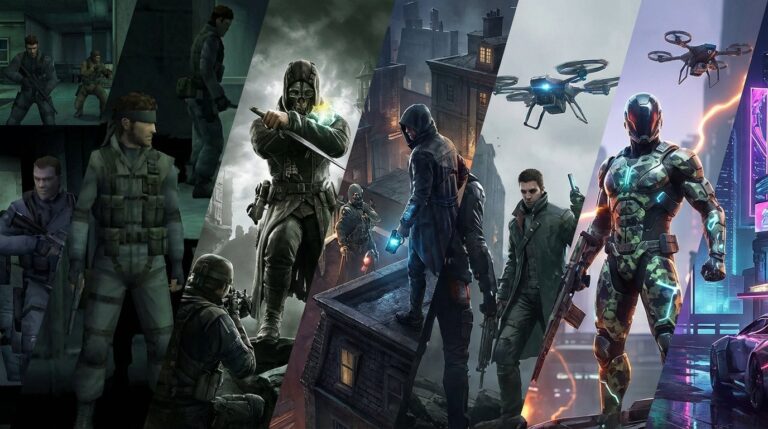
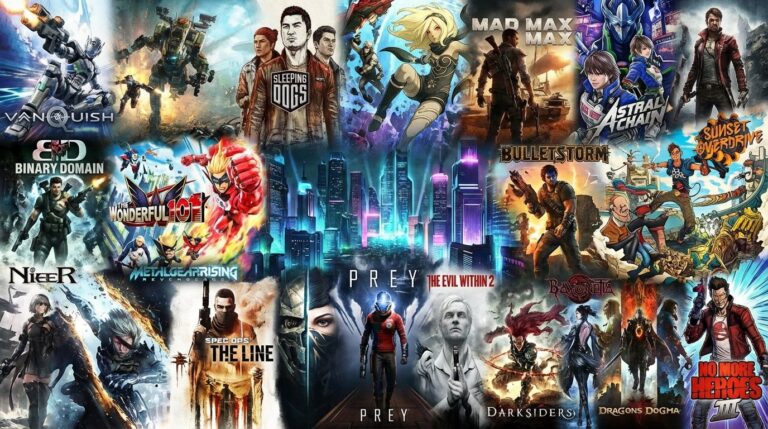
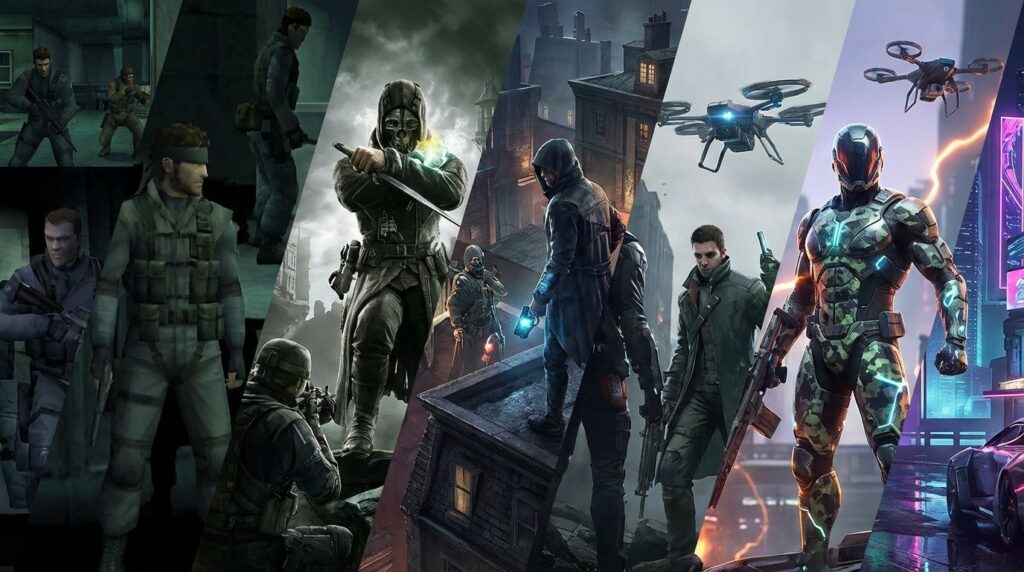
Stealth games have always held a special allure for gamers who crave tension, strategy, and the thrill of remaining unseen. From the shadowy corridors of early console classics to the sprawling, dynamic worlds of modern masterpieces, the stealth genre has continually evolved, innovating in gameplay, storytelling, and immersive presentation. As we find ourselves deep into 2026, it’s the perfect time to look back—and ahead—at the groundbreaking stealth games that have defined, reshaped, and propelled the genre forward from the PlayStation 2 era to the cutting-edge of PlayStation 5 and beyond.
Throughout the generations, developers have experimented with what it means to be stealthy. Some games focus on methodical planning, others reward split-second improvisation, while a select few let you decide exactly how to approach every situation. The best stealth games aren’t just about sneaking past enemies—they’re about immersing you in tense scenarios, challenging your wits, and often offering multiple solutions to a single, dangerous problem.
In this definitive list, we highlight 19 of the most influential and innovative stealth games spanning the vast landscape from PS2 to PS5. Whether you’re a fan of classic infiltration, supernatural sleuthing, or open-world espionage, these titles have all left a mark on both the genre and the broader gaming world. Let’s dive into the shadows and uncover the masterpieces that keep us crouching, listening, and plotting our next silent takedown.
Metal Gear Solid 3: Snake Eater
Platform | PlayStation 2 |
|---|---|
Publisher | Konami |
Genre | Action-Adventure |
Release Date | 11/17/2004 |
Story
Set during the height of the Cold War, Metal Gear Solid 3: Snake Eater places players in the boots of Naked Snake, a legendary operative on a dangerous mission deep in the Soviet jungle. Tasked with saving the world from nuclear catastrophe, Snake faces betrayal, loss, and fierce loyalty as he hunts down his former mentor, The Boss.
The story is a masterclass in espionage drama, weaving in themes of patriotism, sacrifice, and the moral ambiguity of war. The emotional resonance of Snake’s journey, combined with unforgettable characters like The Boss and the Cobra Unit, cements this title as one of gaming’s most powerful narratives.
Gameplay
Snake Eater revolutionized stealth by introducing the camouflage index, allowing players to blend into their environment and avoid detection. It emphasized survival elements—managing stamina, healing wounds, and hunting for food—adding a layer of realism to every mission.
The game’s open-ended level design encouraged experimentation, letting players approach objectives with a blend of stealth, close-quarters combat, or clever gadget use. Boss battles were legendary, often requiring creative stealth tactics rather than brute force.
Why it’s on this list
Metal Gear Solid 3 didn’t just refine stealth mechanics—it redefined them. Its innovative systems, from camouflage to stamina management, set a new bar for immersion and creativity in the genre. The balance between cinematic storytelling and player freedom is still unmatched.
Graphics and Sound
For its era, Snake Eater’s lush jungles, dynamic weather, and expressive characters were technical marvels. The soundtrack, highlighted by the iconic theme song, elevated every tense standoff and emotional cutscene. The game’s sound design made every footstep, rustle, and alert a vital tactical cue.
Legacy and Reception
Praised as one of the greatest games of all time, Snake Eater remains a touchstone for both stealth and storytelling. Its influence can be seen across countless modern titles, and the game’s enduring popularity led to remasters and a devoted fanbase that still debates its twists and turns in 2026.
Splinter Cell: Chaos Theory
Story
Sam Fisher returns in Splinter Cell: Chaos Theory, embarking on a globe-trotting mission to prevent world war in a story fraught with political intrigue and cyber-terrorism. The stakes are higher than ever as Fisher uncovers a conspiracy that could destabilize international relations.
The plot’s gritty realism and mature themes set it apart, with a narrative that blends dark humor and emotional depth. Fisher’s interactions with allies and adversaries add layers of complexity, making every objective feel urgent and personal.
Gameplay
Chaos Theory took stealth to new heights with its expanded arsenal of gadgets, refined light and shadow mechanics, and the introduction of non-lethal options. Players could now interrogate enemies, hack computers, and use the environment to their advantage more than ever before.
Co-op gameplay was a standout feature, letting two players tackle specialized missions that demanded teamwork and communication. The freedom to choose between pure stealth and aggressive tactics gave the game incredible replayability.
Why it’s on this list
Chaos Theory is often hailed as the pinnacle of the Splinter Cell series, setting standards for stealth gameplay that still hold up. Its blend of tactical depth, player choice, and technical excellence made it a benchmark for the genre.
Graphics and Sound
For its time, Chaos Theory was visually stunning, with detailed environments, realistic lighting, and smooth animations. The moody soundtrack by Amon Tobin created an atmosphere of suspense, while top-tier voice acting brought the world to life.
Legacy and Reception
Critics and fans alike consider Chaos Theory a masterpiece, influencing both stealth and action games for years to come. Its innovations in multiplayer stealth remain a reference point, and the game’s legacy is cemented as a true classic.
Hitman: Blood Money
Story
Agent 47’s deadly precision is on full display in Hitman: Blood Money, a tale that weaves assassination, betrayal, and corporate intrigue. The game follows the world’s most infamous contract killer as he navigates a web of conspiracies and shifting allegiances, with every mission telling its own mini-story.
The narrative unfolds through a journalist’s investigation, offering a unique perspective on 47’s exploits and the mysterious Agency that employs him. Twists and turns keep players guessing until the very end.
Gameplay
Blood Money perfected the “sandbox assassination” formula, giving players unprecedented freedom to plan and execute hits. From disguises and environmental accidents to elaborate traps, each level invited creativity and experimentation in how to eliminate targets.
The notoriety system added long-term consequences, forcing players to consider stealth and subtlety to avoid attracting unwanted attention. Multiple paths, hidden secrets, and clever AI made every replay a new experience.
Why it’s on this list
This entry is the gold standard for assassination-based stealth, with open-ended design and emergent gameplay that influenced countless successors. Blood Money’s depth and replayability are still unmatched in the series.
Graphics and Sound
Blood Money pushed the hardware with detailed character models, bustling crowds, and immersive locations ranging from Mardi Gras parties to abandoned amusement parks. The atmospheric score and immersive voice work heightened the tension and drama throughout.
Legacy and Reception
Widely regarded as the definitive Hitman experience, Blood Money earned critical acclaim and a loyal fanbase. Its influence echoes through modern stealth titles, and it remains a beloved touchstone for players seeking creativity in their covert operations.
Deus Ex: Human Revolution
Story
Set in a near-future world shaped by cybernetic augmentation, Deus Ex: Human Revolution puts players in the role of Adam Jensen, a security specialist caught in a global conspiracy. The story explores themes of transhumanism, corporate power, and the ethical dilemmas of advancing technology.
Jensen’s quest for answers leads him across the globe, meeting allies and foes whose motives are as complex as the world itself. The narrative’s branching paths and player-driven choices ensure that every playthrough uncovers new secrets.
Gameplay
Human Revolution is a masterclass in stealth-RPG hybrid gameplay. Players can approach objectives with stealth, hacking, social manipulation, or brute force, with the game rewarding creative solutions and pacifist runs.
Stealth is enhanced by Jensen’s augmentations, enabling him to cloak, see through walls, and silently dispatch enemies. Level design is non-linear, offering multiple routes and hidden pathways in every mission.
Why it’s on this list
Human Revolution elevated the stealth genre by integrating deep RPG mechanics and player agency. Its flexible systems and world-building raised the bar for immersion and replayability in stealth games.
Graphics and Sound
The game’s gold-and-black aesthetic, detailed cyberpunk environments, and cinematic presentation set it apart visually. The atmospheric soundtrack and ambient sound effects draw players deeper into the world’s tension and intrigue.
Legacy and Reception
Critics praised Human Revolution for its intelligent design, compelling story, and player freedom. Its impact can be seen in later stealth and cyberpunk titles, cementing it as a modern classic.
Assassin’s Creed II
Story
Assassin’s Creed II transports players to Renaissance Italy, following the transformation of Ezio Auditore da Firenze from a brash youth to a master assassin. The narrative spans decades, weaving in historical intrigue, revenge, and the ongoing war between Assassins and Templars.
Ezio’s personal journey is both epic and intimate, filled with memorable characters and emotional moments. The story’s blend of real history and secret societies adds depth and authenticity to every mission.
Gameplay
AC II refined the series’ stealth mechanics, introducing smoother parkour, more fluid assassinations, and expanded tools for infiltration. The open-world design let players explore Florence, Venice, and beyond, with secrets and side quests around every corner.
Stealth blended seamlessly with action and exploration, letting players choose how to approach targets—whether by blending into crowds, scaling rooftops, or orchestrating elaborate ambushes.
Why it’s on this list
This sequel established the Assassin’s Creed formula that would define the franchise for years. Its innovative blend of historical stealth and open-world freedom set a new industry standard.
Graphics and Sound
Assassin’s Creed II dazzled with its detailed cityscapes, bustling crowds, and authentic Renaissance architecture. The evocative soundtrack, atmospheric sound effects, and strong voice acting created a rich, immersive experience.
Legacy and Reception
Widely celebrated as one of the best entries in the series, AC II received universal acclaim for its improvements over the original. Its influence is still felt in modern open-world and stealth design.
Dishonored
Story
Set in the plague-ridden, steampunk city of Dunwall, Dishonored follows Corvo Attano, the Empress’s bodyguard falsely accused of her murder. As Corvo seeks revenge and redemption, he becomes embroiled in a supernatural conspiracy that threatens the city’s very soul.
The narrative’s branching choices and moral dilemmas give players control over Corvo’s path, resulting in multiple endings that reflect their playstyle and ethical decisions.
Gameplay
Dishonored’s stealth is built around player agency. Corvo’s supernatural powers—like teleportation, time manipulation, and possession—open up a world of creative, non-lethal, and lethal approaches to every objective.
Levels are intricately designed for exploration, with verticality, multiple entry points, and hidden secrets. The chaos system tracks player actions, influencing both the world and the story.
Why it’s on this list
Dishonored redefined immersive stealth with its blend of powers, freedom, and consequence. Its systems reward experimentation and stealth mastery, making every playthrough unique.
Graphics and Sound
The game’s stylized art direction, atmospheric lighting, and haunting score create a world that’s both beautiful and bleak. Voice acting and environmental audio immerse players in Dunwall’s grim reality.
Legacy and Reception
Dishonored was hailed as a modern classic, spawning sequels and inspiring a new wave of immersive stealth games. Its legacy is defined by its emphasis on player choice and creative stealth.
Mark of the Ninja
Story
Mark of the Ninja tells the story of a nameless ninja who must defend his clan after receiving a cursed tattoo that grants supernatural abilities. The narrative is a tale of honor, tradition, and the struggle between duty and personal choice.
The story is delivered through stylish cutscenes and in-game dialogue, with twists that keep players invested in the protagonist’s fate and the fate of his clan.
Gameplay
This 2D stealth platformer is all about precision, awareness, and tactical planning. Players can hide in shadows, distract enemies, and use a variety of gadgets to navigate complex environments undetected.
Stealth is emphasized over combat, with points awarded for creative and non-lethal approaches. The game’s intuitive controls and clear feedback systems make it accessible yet deeply challenging.
Why it’s on this list
Mark of the Ninja stands out for translating stealth into a 2D format without sacrificing depth or tension. Its clever design and rewarding gameplay make it a must-play for stealth enthusiasts.
Graphics and Sound
The game’s hand-drawn visuals, fluid animations, and moody color palette create a striking aesthetic. Subtle audio cues and an understated soundtrack heighten the suspense and immersion.
Legacy and Reception
Mark of the Ninja received widespread acclaim for its innovative approach to stealth, earning a devoted following and setting a new standard for indie stealth titles.
Thief: Deadly Shadows
Story
Garrett, the master thief, returns in Thief: Deadly Shadows to unravel a dark conspiracy threatening the city’s fragile balance. The plot weaves together ancient prophecies, secret cults, and moral ambiguity as Garrett is forced to confront his own past.
The story is layered and atmospheric, with environmental storytelling and rich lore that rewards exploration and curiosity.
Gameplay
Deadly Shadows blends first-person stealth with open-ended level design. Players can pick locks, douse torches, and use an arsenal of tools to evade detection and steal valuable treasures.
The game introduced the innovative “City Hub,” a semi-open world that lets players choose their contracts and approach missions at their own pace. Dynamic lighting and sound mechanics made stealth more realistic and challenging.
Why it’s on this list
This title refined the immersive sim formula, influencing countless stealth games with its emphasis on player choice and environmental interaction. Its mechanics remain influential to this day.
Graphics and Sound
Atmospheric lighting, detailed environments, and immersive sound design create a sense of tension and place. The eerie soundtrack and ambient noises keep players on edge as they sneak through shadows.
Legacy and Reception
Thief: Deadly Shadows is regarded as a classic, beloved for its depth and replayability. Its influence echoes across the stealth genre, inspiring both AAA and indie developers alike.
The Last of Us Part II
Story
Set in a post-apocalyptic world torn apart by violence and grief, The Last of Us Part II follows Ellie on a harrowing journey of revenge and self-discovery. The narrative delves into themes of loss, trauma, and the cyclical nature of violence, pushing the boundaries of interactive storytelling.
The game’s dual perspectives and emotionally charged writing deliver an experience that is both deeply personal and universally resonant, keeping players invested from start to finish.
Gameplay
Stealth is at the heart of survival in this world. Players must use cover, distraction tactics, and silent takedowns to avoid overwhelming odds. The AI is unpredictable and relentless, making every encounter tense and dangerous.
The game expands on stealth mechanics with improved enemy awareness, realistic line-of-sight, and dynamic environments that can be used to outsmart foes. Crafting and resource management add another layer of strategy to each encounter.
Why it’s on this list
The Last of Us Part II set a new benchmark for stealth in narrative-driven games, combining emotional storytelling with tense, challenging gameplay. Its commitment to realism and immersion is unmatched.
Graphics and Sound
The game’s visuals are breathtaking, with lifelike character animations, detailed environments, and cinematic presentation. The sound design is equally impressive, using subtle cues and a haunting score to heighten suspense.
Legacy and Reception
Universally acclaimed for its storytelling and technical achievements, The Last of Us Part II remains a touchstone for both stealth and narrative design. Its influence will be felt for years to come.
Ghost of Tsushima
Story
Set during the Mongol invasion of Japan, Ghost of Tsushima follows Jin Sakai as he transforms from honorable samurai to the legendary Ghost. The story explores the cost of war, the nature of honor, and the sacrifices required to protect one’s people.
Jin’s personal journey is interwoven with memorable characters and morally complex choices, creating a narrative that is both epic and intimate in scope.
Gameplay
Stealth is a cornerstone of Jin’s fight against the Mongols. Players can use stealth tactics to infiltrate enemy camps, set traps, and silently eliminate foes. The game balances traditional samurai combat with ninja-inspired subterfuge, giving players freedom in how they approach each objective.
Dynamic weather, day-night cycles, and reactive AI make every stealth encounter unique. The game rewards creativity and adaptability, letting players master the art of silent warfare.
Why it’s on this list
Ghost of Tsushima redefined open-world stealth by blending historical authenticity with innovative mechanics. Its elegant fusion of action and stealth made it a standout in the genre.
Graphics and Sound
The game’s stunning landscapes, realistic lighting, and detailed character models set a new visual standard. The evocative score and immersive sound design draw players into the world’s beauty and brutality.
Legacy and Reception
Critically acclaimed for its gameplay, visuals, and storytelling, Ghost of Tsushima has become a modern classic. Its influence on open-world and stealth design is already evident in titles released since.
Metal Gear Solid V: The Phantom Pain
Story
The Phantom Pain follows Big Boss, now known as Venom Snake, as he rebuilds his private army and seeks revenge against those who destroyed him. The story explores themes of identity, loyalty, and the cost of vengeance, all set against the backdrop of 1980s Cold War conflicts.
Told through cinematic cutscenes and emergent storytelling, the narrative is complex, ambiguous, and deeply personal, challenging players to piece together the fragmented truth.
Gameplay
MGSV revolutionized stealth with its open-world design, giving players unprecedented freedom to approach missions. From infiltration to extraction, every objective can be tackled in countless ways—using gadgets, vehicles, allies, or pure cunning.
The game’s dynamic weather, day-night cycles, and evolving enemy tactics ensure that no two missions play the same. The robust AI and improvisational gameplay set a new standard for player-driven stealth.
Why it’s on this list
The Phantom Pain pushed the boundaries of what stealth games could be, combining open-world freedom with deep tactical systems. Its emergent gameplay influenced the entire industry.
Graphics and Sound
MGSV’s Fox Engine delivered photorealistic environments, realistic lighting, and fluid animations. The audio design is equally impressive, with environmental sounds and a memorable score enhancing immersion.
Legacy and Reception
Though controversial for its unfinished story, MGSV was universally praised for its gameplay innovations. It remains a landmark for open-world and stealth mechanics, inspiring countless titles in its wake.
Tenchu: Wrath of Heaven
Story
Tenchu: Wrath of Heaven follows ninjas Rikimaru and Ayame as they battle to protect feudal Japan from demonic threats and human treachery. The story blends historical drama with supernatural intrigue, creating a world filled with danger and mystery.
Each mission unfolds like a self-contained tale, with betrayals, assassinations, and encounters with legendary foes that test the protagonists’ skills and resolve.
Gameplay
Stealth is at the core of Tenchu, requiring players to stalk enemies, use disguises, and execute silent assassinations. The game rewards patience and observation, with an emphasis on remaining undetected and using the environment to gain advantage.
Tools like grappling hooks, smoke bombs, and shurikens add depth to infiltration, while branching paths and multiple objectives encourage replayability.
Why it’s on this list
Tenchu: Wrath of Heaven is a pioneer of console stealth, setting the template for ninja-based infiltration games. Its blend of tradition and innovation paved the way for future titles.
Graphics and Sound
The game’s atmospheric visuals, detailed character models, and evocative environments brought feudal Japan to life. The traditional Japanese score and immersive sound effects heightened the tension and authenticity.
Legacy and Reception
Tenchu remains a cult favorite, known for its challenging stealth and iconic ninja action. Its influence can be seen in later games that embrace both historical and supernatural stealth elements.
Sly Cooper and the Thievius Raccoonus
Story
Sly Cooper’s debut adventure introduces players to the charming raccoon thief and his loyal crew as they seek to reclaim the stolen pages of their family’s legendary Thievius Raccoonus. The tale is a playful mix of heist, revenge, and friendship, told with wit and heart.
Each heist brings Sly closer to his family’s legacy, while introducing colorful villains and memorable twists that keep the adventure exciting and fresh.
Gameplay
Combining stealth, platforming, and puzzle-solving, Sly Cooper lets players sneak past guards, disable traps, and use acrobatics to outmaneuver enemies. The game’s level design encourages exploration and creative problem-solving.
Stealth is approachable yet rewarding, with clear feedback and a forgiving learning curve that makes it accessible to players of all ages. Each member of Sly’s crew brings unique abilities, adding variety to the gameplay.
Why it’s on this list
Sly Cooper and the Thievius Raccoonus brought stealth to a wider audience, proving the genre could be both fun and family-friendly. Its blend of style and substance set it apart from its peers.
Graphics and Sound
The game’s cel-shaded visuals, vibrant colors, and cartoon-inspired art style created a distinct and appealing look. The jazzy soundtrack and lively voice acting added to the game’s playful charm.
Legacy and Reception
A beloved classic, Sly Cooper’s influence is still felt in both stealth and platforming games. Its unique approach inspired a generation of developers and fans alike.
Sekiro: Shadows Die Twice
Story
In Sengoku-era Japan, Sekiro: Shadows Die Twice tells the story of a shinobi known as Wolf, who embarks on a perilous quest to rescue his kidnapped lord and seek vengeance against those who wronged him. The narrative blends myth, loyalty, and the supernatural, delivering an emotionally charged journey.
The game’s storytelling is subtle, revealed through environmental clues, cryptic dialogue, and dramatic confrontations that keep players engaged and curious.
Gameplay
Sekiro innovates by combining intense action with stealth mechanics. Players can use the verticality of the environment to sneak past enemies, execute silent assassinations, and gain the upper hand before open combat begins.
Stealth isn’t just an option—it’s often essential, allowing players to thin out formidable groups before taking on tougher foes. The game rewards observation, timing, and strategic thinking.
Why it’s on this list
Sekiro stands out for its seamless integration of stealth and high-stakes action. Its unique approach challenged traditional stealth conventions, earning it a place among the genre’s innovators.
Graphics and Sound
The game’s stunning landscapes, detailed character models, and atmospheric effects create a world that feels both grounded and otherworldly. The traditional Japanese score and immersive sound design elevate every encounter.
Legacy and Reception
Winner of multiple Game of the Year awards, Sekiro is celebrated for its challenging gameplay and innovative design. Its influence is seen in both action and stealth games released since.
Assassin’s Creed Unity
Story
Set during the French Revolution, Assassin’s Creed Unity follows Arno Dorian as he seeks redemption and uncovers a vast conspiracy amidst the chaos of Paris. The narrative is filled with intrigue, betrayal, and the struggle for freedom.
Unity’s story is rich with historical detail, bringing to life the tumultuous events and legendary figures of revolutionary France.
Gameplay
Unity overhauled the series’ stealth mechanics, introducing more nuanced crowd blending, cover-based stealth, and improved parkour systems. Players can use new tools like smoke bombs and phantom blades to infiltrate heavily guarded locations.
Cooperative multiplayer missions add a new layer of strategy, letting players coordinate stealthy takedowns and complex heists with friends.
Why it’s on this list
Unity’s innovations in stealth and multiplayer set it apart within the Assassin’s Creed franchise. Its detailed world and refined systems pushed the genre forward.
Graphics and Sound
The game’s recreation of Paris is breathtaking, with dense crowds, realistic lighting, and meticulously crafted landmarks. The orchestral score and ambient sounds immerse players in the revolutionary fervor.
Legacy and Reception
Though launched with technical issues, Unity is now regarded as a standout entry for its ambitious design and refined stealth. Its impact on open-world stealth design remains significant.
Aragami
Story
Aragami tells the tale of a vengeful spirit summoned to rescue a captive princess from a militarized religious order. The story unfolds through beautifully illustrated cutscenes and environmental storytelling, weaving themes of duty, sacrifice, and redemption.
The narrative’s supernatural elements and mysterious characters keep players engaged as they uncover the truth behind Aragami’s existence.
Gameplay
This third-person stealth game empowers players with shadow-based abilities—teleporting between shadows, creating darkness, and summoning deadly constructs to eliminate foes. The game is all about avoiding detection and using powers creatively.
Levels are open-ended, with multiple paths and hidden secrets, rewarding exploration and experimentation. Co-op mode lets friends tackle missions together, adding a new dimension to stealth.
Why it’s on this list
Aragami stands out for its unique shadow mechanics and stylish presentation. Its emphasis on pure stealth offers a refreshing alternative to more action-oriented titles.
Graphics and Sound
The game’s cel-shaded visuals, dramatic lighting, and atmospheric environments create a visually striking world. The evocative score and subtle audio cues enhance the sense of tension and mystery.
Legacy and Reception
Aragami earned praise for its creative mechanics and engaging gameplay, inspiring sequels and a passionate fanbase. It remains a highlight among indie stealth games.
Hitman (2016)
Story
Agent 47 returns in a rebooted Hitman, taking on contracts in diverse locations worldwide. The story unfolds episodically, blending global intrigue, assassination, and the mysterious machinations of Providence, a powerful shadow organization.
Each mission is a self-contained tale, with interwoven narrative threads that reveal a deeper conspiracy over time.
Gameplay
Hitman (2016) perfected the “sandbox stealth” formula, offering sprawling, intricate levels filled with opportunities for creative assassinations. Players can blend in, use disguises, manipulate the environment, and execute targets in countless ways.
The game’s escalation contracts and live events add new objectives, keeping missions fresh and challenging. Mastery systems encourage replayability and experimentation.
Why it’s on this list
This reboot revitalized the franchise, setting a new standard for open-ended stealth and emergent gameplay. Its level design and player freedom are industry benchmarks.
Graphics and Sound
Hitman impresses with detailed, realistic environments and lifelike NPCs. The cinematic score and international voice cast create an immersive, globe-trotting atmosphere.
Legacy and Reception
Critically acclaimed, Hitman (2016) reignited interest in the series and inspired two equally celebrated sequels. Its legacy is defined by its creativity and replayability.
Alien: Isolation
Story
Set fifteen years after the events of the original film, Alien: Isolation follows Amanda Ripley as she searches for her missing mother aboard the derelict Sevastopol Station. The story is a tense, claustrophobic tale of survival against one of cinema’s most terrifying monsters.
The narrative’s slow-burn pacing and environmental storytelling create a sense of dread and desperation, making every encounter with the Xenomorph a life-or-death struggle.
Gameplay
Isolation is pure survival stealth, pitting players against a single, unpredictable alien that hunts by sight, sound, and smell. Players must use shadows, distractions, and limited resources to avoid detection and survive.
The AI-driven Xenomorph learns from player behavior, adapting its tactics and keeping players constantly on edge. Human and android enemies add further complexity to each encounter.
Why it’s on this list
Alien: Isolation is a masterclass in horror-stealth, delivering relentless tension and a true sense of vulnerability. Its AI and atmosphere set new standards for the genre.
Graphics and Sound
The game’s retro-futuristic visuals, detailed environments, and dynamic lighting create a faithful recreation of the Alien universe. The immersive sound design, from creaking vents to the alien’s hiss, heightens the terror.
Legacy and Reception
Praised for its authenticity and intensity, Alien: Isolation is considered one of the best licensed games of all time. Its influence is seen in both horror and stealth titles that followed.
A Plague Tale: Innocence
Story
Set in medieval France during the Black Death, A Plague Tale: Innocence follows siblings Amicia and Hugo as they flee from the Inquisition and swarms of supernatural rats. The story is a gripping tale of family, survival, and the loss of innocence in a world gone mad.
The narrative’s emotional depth and character-driven focus set it apart, drawing players into the siblings’ desperate journey.
Gameplay
Stealth is essential, with players using environmental cover, distractions, and creative tools to avoid enemy patrols. The ever-present threat of deadly rats adds a unique twist, requiring players to manipulate light and fire to survive.
Linear levels are filled with puzzles, secrets, and tense set pieces that keep the pace brisk and the stakes high.
Why it’s on this list
A Plague Tale: Innocence brought fresh ideas to the stealth genre, blending historical realism with supernatural horror. Its emotional storytelling and unique mechanics make it a standout.
Graphics and Sound
The game’s atmospheric visuals, detailed character models, and haunting environments immerse players in a grim, plague-ravaged world. The evocative score and strong voice acting add to the emotional impact.
Legacy and Reception
Critically acclaimed for its story and presentation, A Plague Tale has become a modern classic. Its success spawned a sequel and inspired new narrative-driven stealth games.
Deathloop
Story
Deathloop transports players to the mysterious island of Blackreef, where Colt, an assassin trapped in a time loop, must eliminate eight targets before midnight or be forced to relive the day. The story is a mind-bending blend of science fiction, dark humor, and existential mystery.
The narrative unfolds through environmental clues, shifting perspectives, and dynamic characters, keeping players guessing as they unravel the island’s secrets.
Gameplay
Deathloop’s gameplay is a unique fusion of stealth, action, and time manipulation. Players can choose stealthy infiltration, creative distractions, and non-lethal takedowns, or go loud and improvise on the fly.
The time loop mechanic encourages experimentation, letting players learn enemy routines, try new tactics, and perfect their approach with each iteration. Multiplayer invasions add an extra layer of unpredictability.
Why it’s on this list
Deathloop reinvents stealth with its time-bending structure and open-ended gameplay. Its systems reward curiosity and mastery, making it a standout among modern stealth titles.
Graphics and Sound
The game’s stylish 1960s-inspired art direction, vibrant color palette, and dynamic environments set it apart. The groovy soundtrack and sharp voice acting create a distinctive, immersive vibe.
Legacy and Reception
Deathloop was lauded for its innovation, earning multiple Game of the Year awards. Its inventive design has already influenced new generations of stealth and immersive sim games.
As we look back at these 19 groundbreaking stealth games, it’s clear that the genre thrives on innovation, creativity, and a relentless pursuit of tension and immersion. From the shadowy jungles of Snake Eater to the time-warped chaos of Deathloop, each title has pushed boundaries and left a lasting impact on both the stealth genre and gaming as a whole.
In 2026 and beyond, the legacy of these masterpieces continues to inspire new generations of developers and gamers alike. Whether you’re a veteran of the shadows or a newcomer eager to test your nerves, there’s never been a better time to explore these icons of silent strategy. So don your cloak, check your gadgets, and step quietly—because the future of stealth is brighter (and sneakier) than ever.