
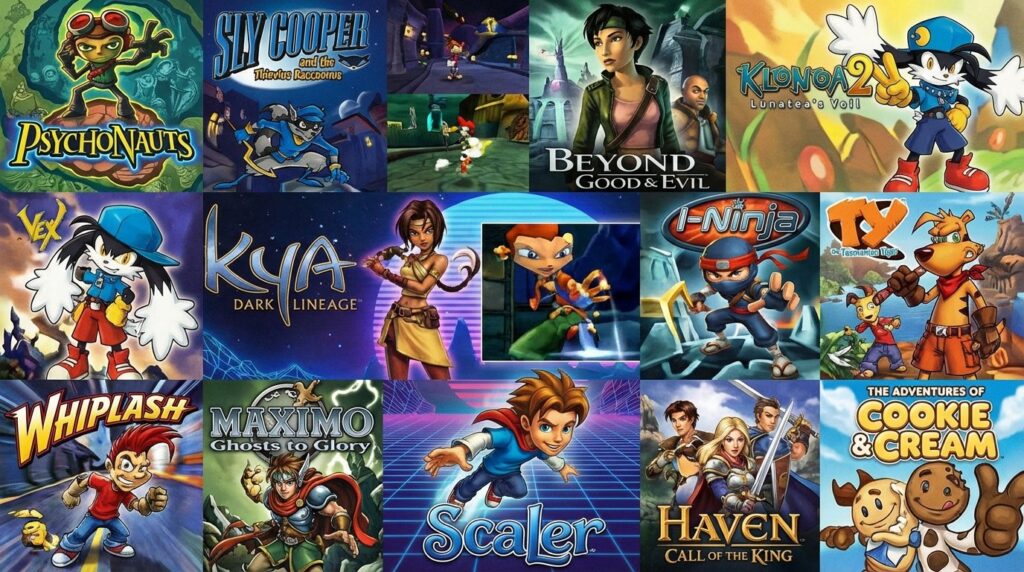
The PlayStation 2 era was a golden age for platformers, a time when developers experimented with wild ideas, bold characters, and imaginative worlds. While iconic franchises like Ratchet & Clank, Jak and Daxter, and Sly Cooper stole the spotlight, a treasure trove of lesser-known gems quietly graced the system’s vast library. Many of these games slipped under the radar, overshadowed by big marketing budgets or the sheer volume of releases on Sony’s best-selling console. In 2026, with retro gaming more popular than ever and PS2 emulation readily accessible, now’s the perfect time to dive deep and rediscover these forgotten classics.
This list is your passport to 18 of the most underrated PS2 platformers—titles that, for one reason or another, failed to get their due but are absolutely worth your time. Whether you’re a seasoned collector or a newcomer eager to explore beyond the big franchises, you’ll find creative mechanics, memorable worlds, and pure, unfiltered fun here. Dust off your controller, fire up your PS2 (or emulator), and get ready to experience platforming adventures you may have missed the first time around. Each of these games has something special to offer—let’s jump in!
Klonoa 2: Lunatea's Veil
Story
Klonoa 2: Lunatea’s Veil picks up the whimsical, dreamlike storytelling that made its predecessor a cult classic. The titular hero, Klonoa, is whisked away to the mysterious world of Lunatea, where he must collect enchanted bells and restore balance after dark forces threaten to plunge the land into chaos. The narrative combines childlike wonder with surprisingly emotional moments, weaving a tale about confronting fear and embracing hope.
The game’s cast is brimming with quirky characters, each with their own backstory and motivations. As Klonoa journeys through four distinct kingdoms, he uncovers secrets that gradually peel back the layers of Lunatea’s history. The story, while approachable for younger players, touches on themes of loss and courage, making it resonate with gamers of all ages.
Gameplay
Klonoa 2 stands out with its unique 2.5D platforming—the gameplay unfolds on a 2D plane, but the environments twist and spiral, allowing for clever level design and engaging puzzles. Klonoa can use his signature “Wind Bullet” to grab and throw enemies, a mechanic that’s central to both combat and puzzles. The game introduces inventive set pieces, like surfing down waterfalls or navigating shifting platforms, keeping the action fresh and varied.
Each stage is filled with collectibles, secret areas, and optional objectives, rewarding exploration and replayability. The controls are tight and responsive, making platforming feel intuitive and satisfying. Boss battles are memorable, often requiring clever use of Klonoa’s abilities rather than brute force.
Why it’s on this list
Despite critical acclaim, Klonoa 2 never achieved mainstream success, largely due to limited marketing and its release during a crowded period for platformers. Its heartfelt story, gorgeous visuals, and innovative gameplay mechanics make it a hidden gem, beloved by those who discovered it but still overlooked by many.
Graphics and Sound
The game’s visuals are vibrant and beautifully animated, with a pastel color palette and charming character designs. The 2.5D perspective allows for creative camera angles and dynamic level layouts. The soundtrack is equally enchanting, mixing gentle melodies with upbeat tracks that perfectly complement each world’s atmosphere.
Legacy and Reception
Klonoa 2 received praise from critics but struggled to find a wide audience, becoming a cult favorite among platforming aficionados. Its influence can be seen in later indie platformers that blend emotional storytelling with inventive gameplay. In 2026, it’s hailed as one of the most underrated PS2 adventures, a must-play for anyone seeking a heartfelt and polished platformer.
Psychonauts
Story
Psychonauts plunges players into the mind-bending world of Razputin “Raz” Aquato, a young psychic who runs away from the circus to attend Whispering Rock Psychic Summer Camp. Raz dreams of joining the ranks of the Psychonauts, elite secret agents with extraordinary psychic powers. The camp is not what it seems, though, as Raz uncovers a sinister plot involving brain theft and mind manipulation.
The story is full of humor, heart, and a surreal atmosphere that deftly balances zany antics with surprisingly poignant moments. Each character, from the jittery Coach Oleander to the mysterious Lili, is fleshed out with their own quirks and backstories. The game’s narrative dives deep into mental health themes, using its fantastical setting to explore fear, anxiety, and self-discovery in ways few platformers dare.
Gameplay
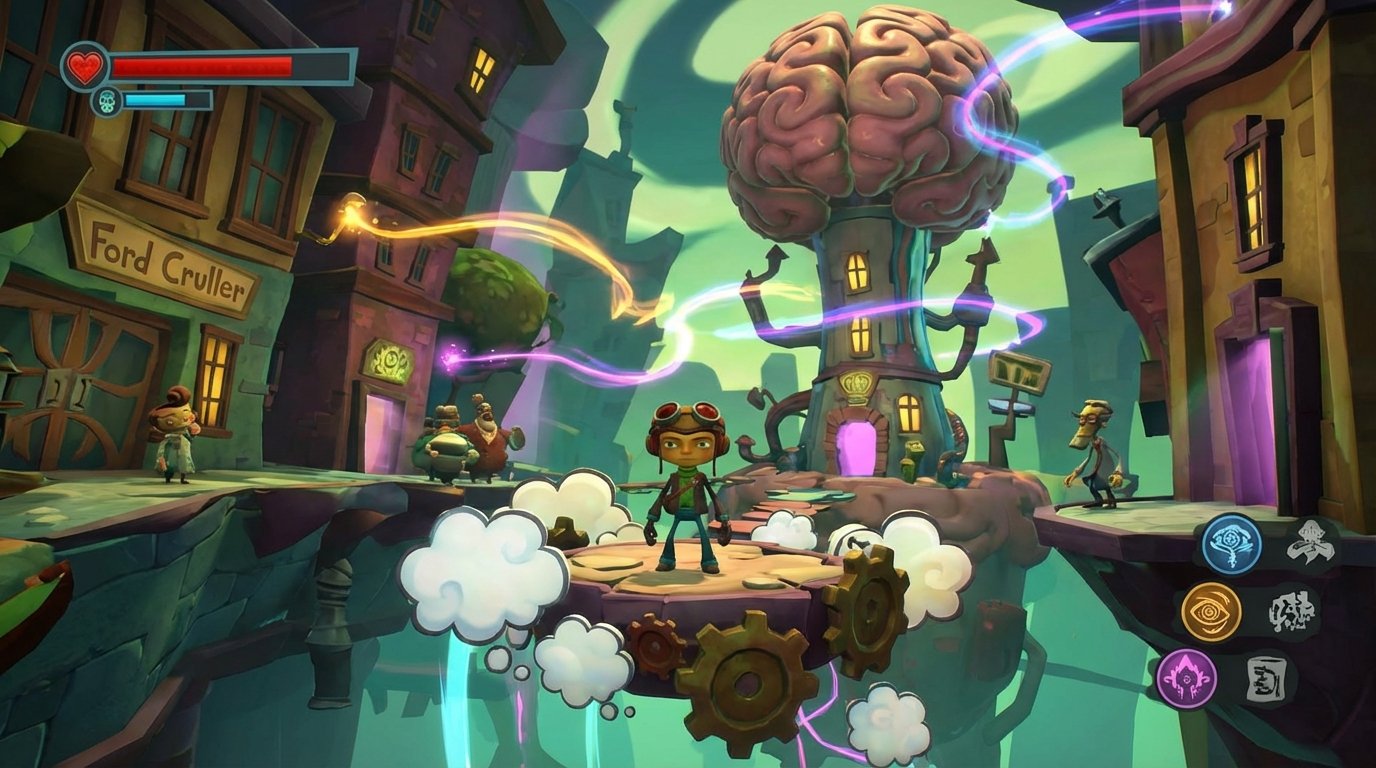
Psychonauts sets itself apart with levels that take place inside the minds of various characters, each representing their inner struggles. These “mental worlds” are wildly imaginative, ranging from a war-torn battlefield to a neon-lit dance party. The core platforming is enhanced by Raz’s psychic abilities—telekinesis, levitation, pyrokinesis, and more—which allow for creative solutions to obstacles and puzzles.
Exploration is rewarded with hidden collectibles, side quests, and upgrades that deepen the gameplay loop. The controls are responsive, and the level design is varied, ensuring that no two stages feel the same. Boss battles and set pieces are often hilarious and inventive, making every moment a delight.
Why it’s on this list
Despite its critical acclaim, Psychonauts was a commercial disappointment on release, overshadowed by bigger-name platformers. Its quirky humor, inventive level design, and heartfelt storytelling have earned it a passionate following, but many gamers still haven’t experienced its magic.
Graphics and Sound
The visual style is distinctive, with exaggerated character models and surreal environments that perfectly fit the game’s theme. The art direction is bold and memorable, making each mindscape feel unique. The soundtrack is equally eclectic, blending whimsical tunes with eerie atmospheric tracks.
Legacy and Reception
Over the years, Psychonauts’ reputation has only grown, leading to a devoted cult following and eventually a much-anticipated sequel. In 2026, the original PS2 version remains a standout for its creativity and charm. It’s a masterclass in narrative-driven platforming, deserving of a spot in any gamer’s library.
Sphinx and the Cursed Mummy
Story
Set against the backdrop of ancient Egyptian mythology, Sphinx and the Cursed Mummy follows the adventures of Sphinx, a demigod hero, and his unlikely ally, the Mummy. The story unfolds as Sphinx is tasked with retrieving powerful magical artifacts to prevent an evil plot that threatens the world. Meanwhile, the Mummy—once Prince Tutankhamen—finds himself cursed and forced to assist Sphinx from the shadows.
The dual-protagonist structure allows the narrative to weave between lighthearted comedy and high-stakes adventure. Sphinx’s quest is filled with danger, intrigue, and epic encounters, while the Mummy’s segments add a dose of slapstick humor and clever puzzle-solving. The story’s pacing keeps players engaged, mixing action with moments of levity.
Gameplay
Gameplay alternates between Sphinx’s action-packed platforming and the Mummy’s stealthy, puzzle-oriented sections. Sphinx wields a variety of weapons and magical abilities, engaging in combat, solving environmental puzzles, and navigating treacherous landscapes. The Mummy, on the other hand, must use his undead state to his advantage, surviving traps and using his invulnerability for creative solutions.
Level design is sprawling and interconnected, with secrets and collectibles scattered throughout. The game rewards exploration and experimentation, with each character offering a distinct gameplay style. Boss battles and set pieces are well-crafted, keeping the experience fresh from start to finish.
Why it’s on this list
Sphinx and the Cursed Mummy was praised for its originality but failed to gain mainstream traction, likely due to stiff competition and limited promotion. Its engaging dual-character mechanic, rich setting, and polished gameplay make it a standout title that deserves much more attention.
Graphics and Sound
The visuals bring ancient Egypt to life with lush environments, detailed character models, and vibrant colors. The art style strikes a balance between cartoonish and realistic, creating a memorable world. The soundtrack features sweeping orchestral pieces and atmospheric tracks that enhance the sense of adventure.
Legacy and Reception
While its initial sales were modest, the game has gained recognition over the years as an overlooked classic. Modern gamers and critics alike have praised its inventive design and enduring charm. In 2026, Sphinx and the Cursed Mummy stands as a testament to the creativity of PS2-era platformers.
Maximo: Ghosts to Glory
Story
Maximo: Ghosts to Glory thrusts players into a darkly humorous, medieval world inspired by the classic Ghosts ’n Goblins series. The titular knight, Maximo, returns from war only to find his kingdom overrun by the undead and his beloved Sophia kidnapped by the villainous Achille. With the help of the Grim Reaper, Maximo embarks on a quest to restore order and rescue Sophia, battling fiendish foes along the way.
The story pays homage to old-school arcade adventures while injecting its own flair, mixing slapstick comedy with epic fantasy tropes. Maximo’s journey is filled with unexpected twists, memorable villains, and a tongue-in-cheek tone that keeps things light even as the stakes rise.
Gameplay
Maximo revitalizes the Ghosts ’n Goblins formula with 3D platforming, hack-and-slash combat, and punishing difficulty. Players guide Maximo through sprawling levels filled with traps, enemies, and secrets. The game’s armor system is a signature feature—Maximo loses pieces of armor with each hit, eventually running around in his boxers, a nod to the series’ arcade roots.
Combat is satisfying, with a variety of weapons, magical upgrades, and special moves. Platforming segments are challenging but fair, demanding precision and quick reflexes. Checkpoints are sparse, making victory all the sweeter for those who persevere.
Why it’s on this list
Maximo: Ghosts to Glory is often overlooked in discussions of great PS2 platformers, despite its inventive mechanics and pedigree. Its blend of nostalgia, humor, and tough-but-rewarding gameplay makes it a must-play for fans of classic action games.
Graphics and Sound
The visuals combine gothic environments with cartoonish character designs, creating a distinctive look. Animation is fluid, particularly in Maximo’s expressive movements and the humorous death animations. The soundtrack mixes ominous tunes with upbeat tracks, perfectly capturing the game’s playful yet perilous tone.
Legacy and Reception
Though it received favorable reviews, Maximo never became a household name. Its challenging gameplay and unique style have since earned it a cult following. In 2026, it stands as a shining example of how to modernize a classic formula without losing its soul.
I-Ninja
Story
I-Ninja tells the story of a pint-sized, hyperactive ninja on a mission to avenge his fallen master and retrieve the powerful Rage Stones. The plot follows Ninja’s quest across five distinct worlds, each guarded by formidable enemies and eccentric bosses. While the story leans heavily into parody and slapstick humor, it’s punctuated by moments of genuine growth as Ninja learns the true meaning of honor and self-control.
The game’s self-aware writing pokes fun at genre conventions, with tongue-in-cheek dialogue and over-the-top characters. The narrative moves briskly, ensuring players are always eager to see what absurdity comes next.
Gameplay
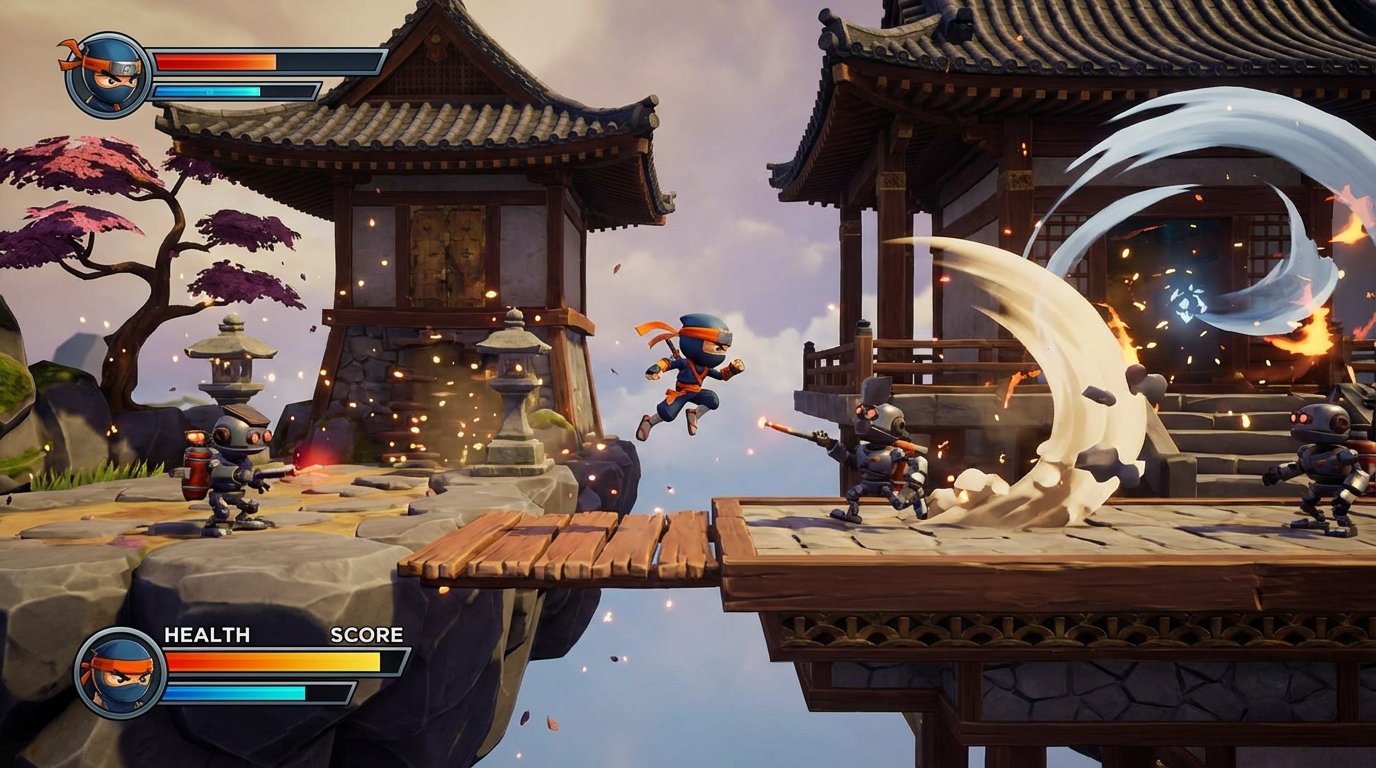
I-Ninja excels with tight, fast-paced platforming and acrobatic combat. Ninja can run on walls, grind rails, and perform a variety of attacks and special moves, making traversal and combat equally exhilarating. Each level introduces new mechanics, from gravity-defying jumps to massive boss battles that test your reflexes.
Collectibles and upgrades provide incentive to explore every nook and cranny, while time trials and bonus stages add replay value. The game’s difficulty ramps up steadily, offering a satisfying challenge without feeling unfair.
Why it’s on this list
Despite its energetic gameplay and charming presentation, I-Ninja flew under the radar, overshadowed by bigger franchises. Its blend of skill-based platforming, humor, and style make it a standout that deserves a second look in 2026.
Graphics and Sound
The game’s visuals are bold and colorful, with a cartoonish art style that perfectly matches its irreverent tone. Character animations are lively, and environments are varied and imaginative. The soundtrack features upbeat tunes and energetic sound effects, keeping the adrenaline pumping.
Legacy and Reception
I-Ninja was well-received by critics but failed to achieve commercial success. Over the years, it’s become a cult favorite for those who appreciate its quirky humor and satisfying gameplay. It remains a prime example of overlooked PS2-era creativity.
Vexx
Story
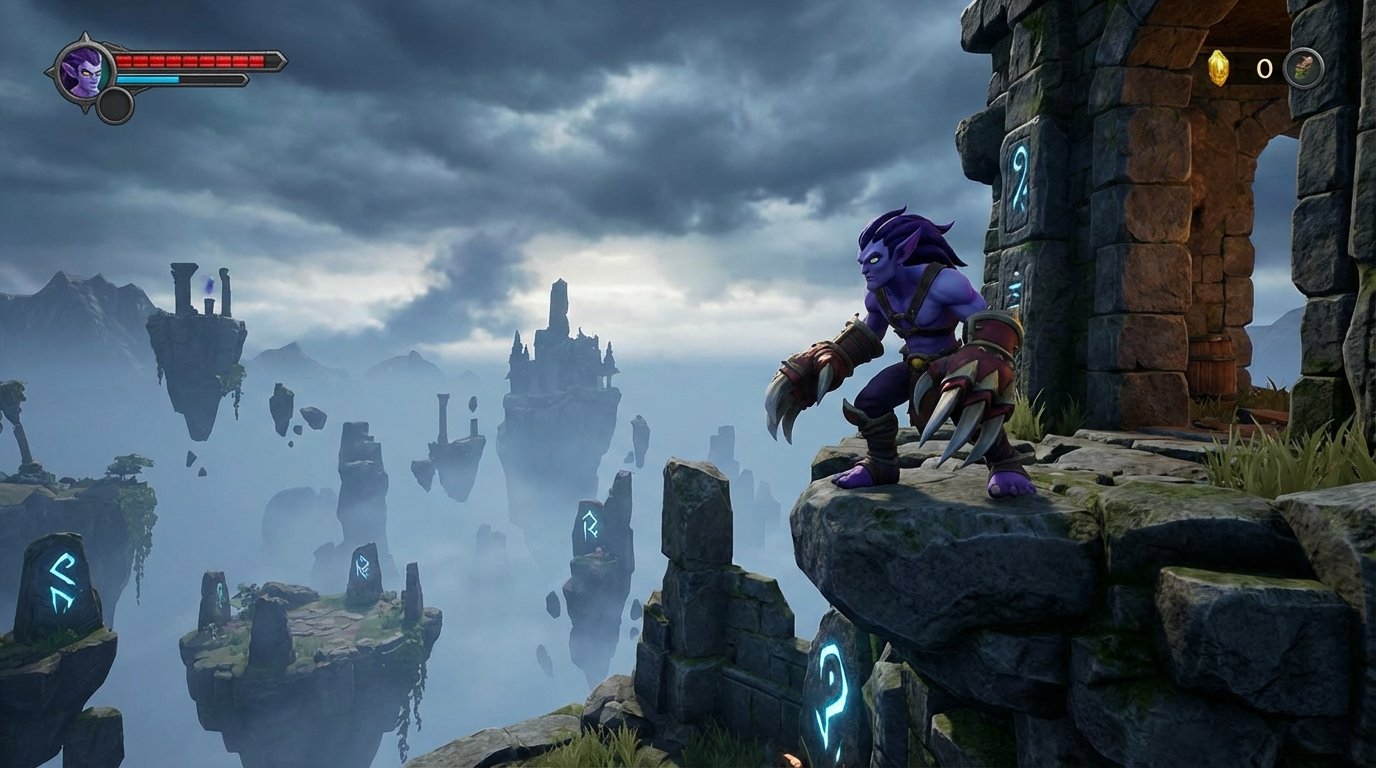
Vexx follows the titular hero as he seeks revenge against the evil Dark Yabu, who has enslaved his people and murdered his grandfather. Armed with magical “Astani” gauntlets, Vexx journeys through the desolate world of Astara, battling monstrous foes and solving intricate puzzles to reclaim his home.
The narrative is darker than many platformers, touching on themes of loss, vengeance, and redemption. Vexx’s quest is personal, and the world-building gives each realm a sense of history and tragedy. The story unfolds gradually, rewarding players who pay attention to environmental storytelling and lore.
Gameplay
Gameplay centers on open-ended platforming across interconnected hub worlds. Vexx’s gauntlets grant him a wide range of abilities, from double-jumping to wall-climbing and powerful melee attacks. Each area is filled with challenges, collectibles, and secrets, encouraging exploration and experimentation.
Platforming is precise and satisfying, with a focus on acrobatics and timing. Puzzles are clever and varied, often requiring players to master new skills or think outside the box. Combat is straightforward but impactful, adding depth without overshadowing the platforming core.
Why it’s on this list
Vexx’s mature tone and challenging gameplay set it apart, but also limited its mainstream appeal. It’s a hidden gem for those seeking a more intense, skill-based platformer with a compelling atmosphere.
Graphics and Sound
The visuals are moody and atmospheric, with detailed environments and striking lighting effects. Character designs are unique, blending fantasy and darkness. The soundtrack is haunting, mixing ambient tracks with energetic battle themes that heighten the sense of adventure.
Legacy and Reception
Vexx received positive reviews but struggled to find a large audience, largely due to its challenging difficulty and mature presentation. In the years since, it has gained recognition as one of the PS2’s most underrated platformers, beloved by those who crave a darker, more complex experience.
Herdy Gerdy
Story
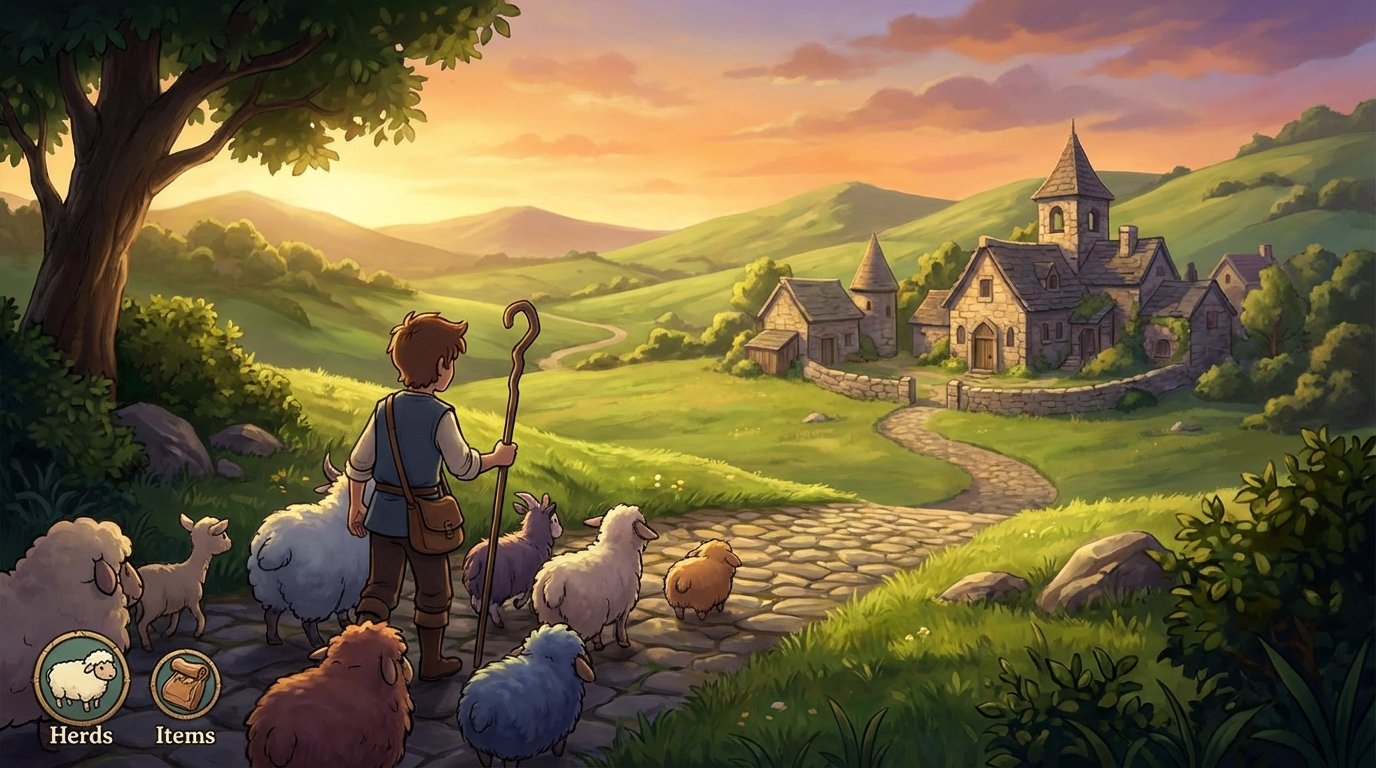
Herdy Gerdy transports players to a whimsical island where herding creatures is both an art and a way of life. The protagonist, Gerdy, seeks to win the annual herding tournament to save his father, who’s been turned to stone by the nefarious Sadorf. Along the way, Gerdy must befriend and herd a variety of fantastical creatures, each with their own personalities and quirks.
The story unfolds through charming cutscenes and colorful interactions with the island’s inhabitants. It’s a lighthearted adventure, focused on helping others and the joys of rural life. The narrative is simple but endearing, drawing players into its unique world.
Gameplay
Herdy Gerdy combines platforming with herding mechanics, tasking players with guiding creatures through obstacle-filled environments. Each creature behaves differently—some are skittish, others aggressive—requiring players to adapt their strategies. Gerdy uses tools, calls, and clever positioning to corral his charges, solving environmental puzzles along the way.
Platforming sections are interspersed with herding challenges, providing a unique blend of action and strategy. Levels are expansive and reward exploration, with hidden areas and collectibles scattered throughout. Mastery comes from learning each creature’s behavior and optimizing your herding routes.
Why it’s on this list
Herdy Gerdy’s unusual premise and inventive gameplay set it apart from traditional platformers. Its lack of mainstream appeal kept it under the radar, but those who try it are often pleasantly surprised by its depth and charm.
Graphics and Sound
The visuals are bright and inviting, with lush environments and expressive creature animations. The art style is whimsical, perfectly fitting the game’s tone. The soundtrack features playful melodies and ambient sounds that bring the island to life.
Legacy and Reception
While Herdy Gerdy received mixed reviews at launch, it has since gained a cult following for its originality. In 2026, it’s recognized as a trailblazer that dared to do something different, making it a worthy addition to any platformer fan’s collection.
Ty the Tasmanian Tiger
Story
Set in the wilds of Australia, Ty the Tasmanian Tiger follows the adventures of Ty as he sets out to rescue his family from the evil cassowary, Boss Cass. With the help of his friends, Ty must collect Thunder Eggs and magical talismans to unlock new areas and ultimately save his kind from extinction.
The story is filled with Australian humor, quirky characters, and a sense of camaraderie. Ty’s journey takes him through lush forests, sun-baked deserts, and mysterious caves, each populated by colorful allies and villains. The narrative is lighthearted and fun, making it accessible to players of all ages.
Gameplay
Ty the Tasmanian Tiger offers classic 3D platforming with a twist—Ty wields a variety of boomerangs, each with unique abilities. Players use these boomerangs to solve puzzles, defeat enemies, and explore the vibrant world. Platforming is tight and responsive, with levels designed to encourage exploration and experimentation.
Collectibles abound, from Thunder Eggs to hidden Bilbies and golden cogs. Each stage offers new challenges, secrets, and upgrades, providing plenty of reasons to revisit areas. Boss battles are creative and require both skill and strategy.
Why it’s on this list
Despite its charm and solid gameplay, Ty never reached the heights of its contemporaries. Its Australian flavor, inventive mechanics, and memorable characters make it a hidden gem worthy of rediscovery in 2026.
Graphics and Sound
The game’s visuals are bright and colorful, with detailed environments and expressive character animations. The Australian setting is brought to life with unique flora and fauna. The soundtrack features catchy tunes and ambient sounds that evoke the Outback’s charm.
Legacy and Reception
Ty the Tasmanian Tiger received positive reviews but was overshadowed by larger franchises. Over time, it has gained a loyal fanbase and even inspired remastered versions. In 2026, it remains a standout example of regional creativity in game design.
Tak and the Power of Juju
Story
Tak and the Power of Juju introduces players to Tak, a young shaman-in-training from the Pupanunu people. When disaster strikes his village, Tak must harness magical “juju” powers to save his people from an ancient evil. The story is whimsical and comedic, filled with eccentric characters and slapstick humor.
The narrative is presented through lively cutscenes and witty dialogue, blending tribal mythology with Saturday morning cartoon antics. Tak’s journey is lighthearted but peppered with clever twists and memorable moments.
Gameplay
Tak and the Power of Juju combines platforming with puzzle-solving and magic-based mechanics. Tak can use his juju powers to manipulate the environment, summon creatures, and defeat enemies in creative ways. The game’s levels are expansive and varied, featuring jungle temples, treacherous cliffs, and hidden caves.
Platforming is smooth, with responsive controls and a variety of moves at Tak’s disposal. Collectibles and upgrades encourage exploration, while environmental puzzles test both reflexes and brainpower. Cooperative elements add depth, with some stages requiring teamwork or the use of animal companions.
Why it’s on this list
Despite its unique mechanics and charming story, Tak was often dismissed as a “kids’ game” and overlooked by older players. Its inventive gameplay and playful tone make it a standout platformer deserving of a second chance.
Graphics and Sound
The visuals are colorful and cartoonish, with expressive characters and lush environments. The art direction leans into the game’s tribal theme, creating a unique and appealing aesthetic. The soundtrack features upbeat melodies and ambient jungle sounds that enhance the sense of adventure.
Legacy and Reception
Tak and the Power of Juju received solid reviews but never achieved blockbuster status. It later spawned sequels and a TV show, but the original remains a hidden gem on the PS2. In 2026, it’s celebrated for its creativity and playful spirit.
Ape Escape 3
Story
Ape Escape 3 continues the zany saga of Specter and his army of mischievous monkeys, who once again threaten global chaos by taking over the world’s television broadcasts. Players control either Kei or Yumi, two new heroes tasked with capturing the rampaging apes and restoring peace. The story is filled with slapstick comedy, fourth-wall-breaking humor, and outlandish scenarios.
The narrative unfolds through animated cutscenes and in-game antics, featuring a cast of wacky characters and pop culture parodies. The plot takes players from TV studios to movie sets, constantly surprising with its inventive twists.
Gameplay
Ape Escape 3 builds on its predecessors’ innovative dual-stick controls, offering a huge arsenal of gadgets for capturing monkeys in creative ways. Each level is a sprawling playground filled with hidden secrets, platforming challenges, and dozens of uniquely dressed monkeys to chase down.
The game introduces “Morph” abilities, letting players transform into powerful forms like a knight, ninja, or superhero, each with unique moves and abilities. This mechanic opens up new gameplay possibilities and keeps the action constantly fresh. Collectibles and unlockables add replay value, while boss battles are both challenging and hilarious.
Why it’s on this list
Despite its critical success, Ape Escape 3 never reached the mainstream popularity of other PS2 platformers. Its inventive mechanics, humor, and sheer variety make it a standout that too many gamers have missed.
Graphics and Sound
The visuals are bright and cartoony, with expressive animations and imaginative level design. The game’s art style perfectly matches its playful tone, while the soundtrack is packed with catchy tunes and whimsical sound effects.
Legacy and Reception
Ape Escape 3 was praised for its creativity and depth but remains underappreciated outside its fanbase. In 2026, it’s recognized as a high-water mark in the series and a must-play for platforming fans seeking pure fun.
Kya: Dark Lineage
Platform | PlayStation 2 |
|---|---|
Publisher | Atari |
Genre | Action-Adventure |
Release Date | 11/18/2003 |
Story
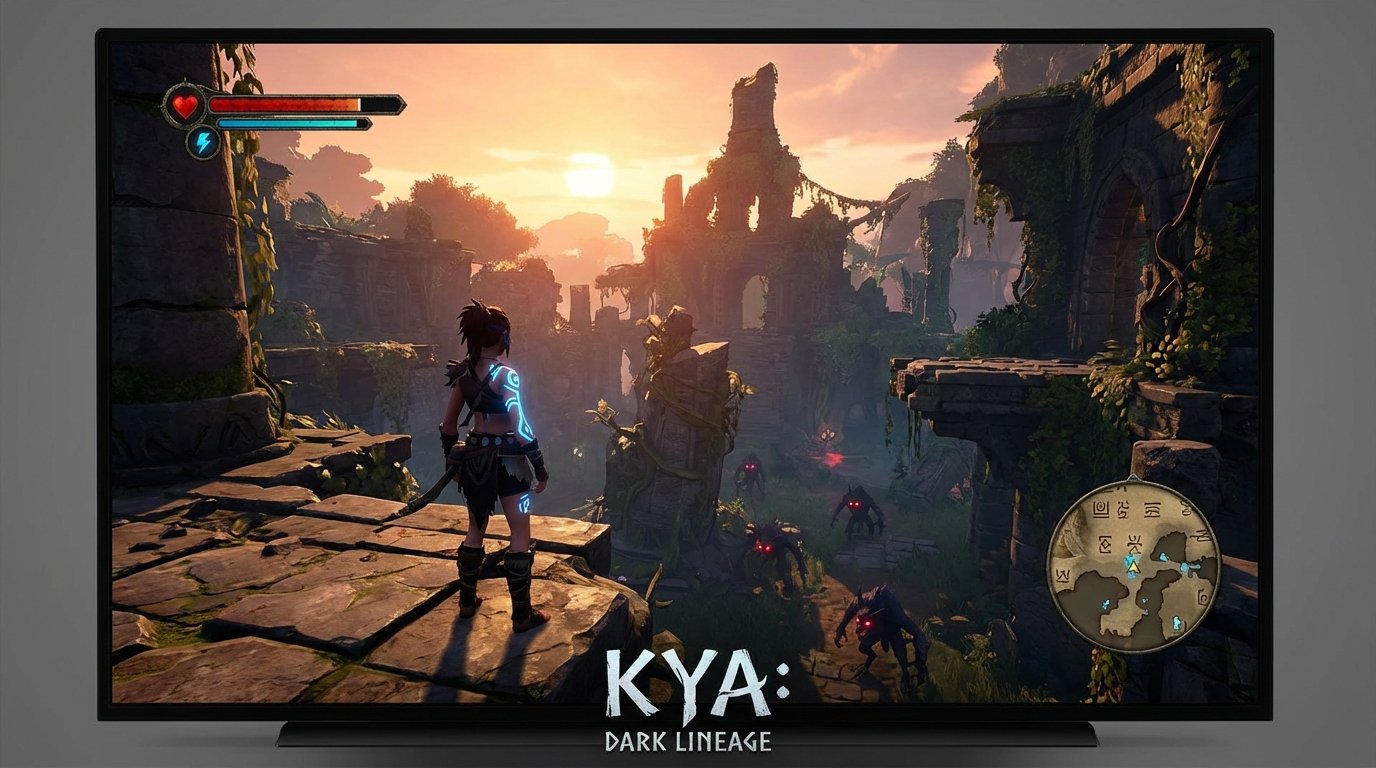
Kya: Dark Lineage tells the story of Kya, a young woman transported to a mysterious world ruled by the tyrannical Wolfen. Searching for her lost brother, Kya becomes embroiled in a rebellion to free the indigenous Nativs from the Wolfen’s oppressive regime. The narrative is an epic blend of family drama, fantasy adventure, and coming-of-age themes.
The story unfolds through cinematic cutscenes, with Kya’s relationships and personal growth taking center stage. The game balances moments of peril with humor and heart, creating a compelling journey that keeps players invested.
Gameplay
Kya: Dark Lineage features expansive environments, fluid platforming, and a mix of combat and puzzle-solving. Kya can run, jump, climb, and glide across varied terrain, with new abilities unlocked as the story progresses. Combat is hand-to-hand, focusing on combos and counters rather than button-mashing, requiring players to master timing and strategy.
Exploration is richly rewarded, with secrets, upgrades, and collectibles hidden throughout the world. The game’s structure encourages backtracking with new abilities, adding a Metroidvania flavor to the platforming. Environmental puzzles and inventive boss fights keep the gameplay fresh and engaging.
Why it’s on this list
Kya: Dark Lineage’s ambitious world-building and polished gameplay were overlooked amid a crowded market. Its blend of action, exploration, and narrative depth make it a hidden gem that deserves more attention in 2026.
Graphics and Sound
The game’s visuals are lush and detailed, with imaginative environments and fluid character animations. The art direction is distinct, blending fantasy elements with a unique color palette. The soundtrack features atmospheric tunes and dynamic sound effects that immerse players in Kya’s world.
Legacy and Reception
While Kya: Dark Lineage received positive reviews, it failed to achieve major sales success. Its reputation has grown over time, with fans praising its originality and depth. In 2026, it stands as a testament to the creative risks of the PS2 era.
Mickey Mania: The Timeless Adventures of Mickey Mouse
Story
Mickey Mania takes players on a whimsical journey through the history of Mickey Mouse, as he travels across iconic Disney cartoons to rescue his beloved Minnie and restore order to the animated world. Each level is inspired by a different classic short, from Steamboat Willie to The Prince and the Pauper, blending nostalgia with inventive storytelling.
The narrative is lighthearted, driven by Mickey’s determination and the clever references to his animated legacy. The game’s charm lies in its playful nods to Disney history and its ability to transport players into the heart of the cartoons themselves.
Gameplay
Mickey Mania offers classic 2D platforming, enhanced with clever level design and a variety of gameplay twists. Each world introduces unique mechanics themed around the featured cartoon, from riding mine carts to dodging wild animals. Platforming is tight, with responsive controls and a satisfying sense of momentum.
Collectibles and secrets abound, rewarding players who explore every corner. Boss battles are creative, often requiring pattern recognition and quick reflexes. The difficulty is well-balanced, making the game accessible to newcomers while still challenging for veterans.
Why it’s on this list
Despite its Disney pedigree, Mickey Mania was often overshadowed by more modern platformers on the PS2. Its nostalgic premise, polished gameplay, and inventive level design make it a must-play for fans of both platformers and classic animation.
Graphics and Sound
The visuals are a standout, faithfully recreating the look of vintage cartoons with hand-drawn animation and period-appropriate color palettes. The game’s art style is both charming and impressive, capturing the magic of Disney’s golden age. The soundtrack features remixes of classic tunes, further enhancing the nostalgic atmosphere.
Legacy and Reception
Mickey Mania received positive reviews for its creativity and charm but has since become a hidden gem in the PS2 library. In 2026, it’s celebrated for bridging the gap between retro and modern platformers, offering a delightful adventure for gamers of all ages.
Cookie & Cream (The Adventures of Cookie & Cream)
Story
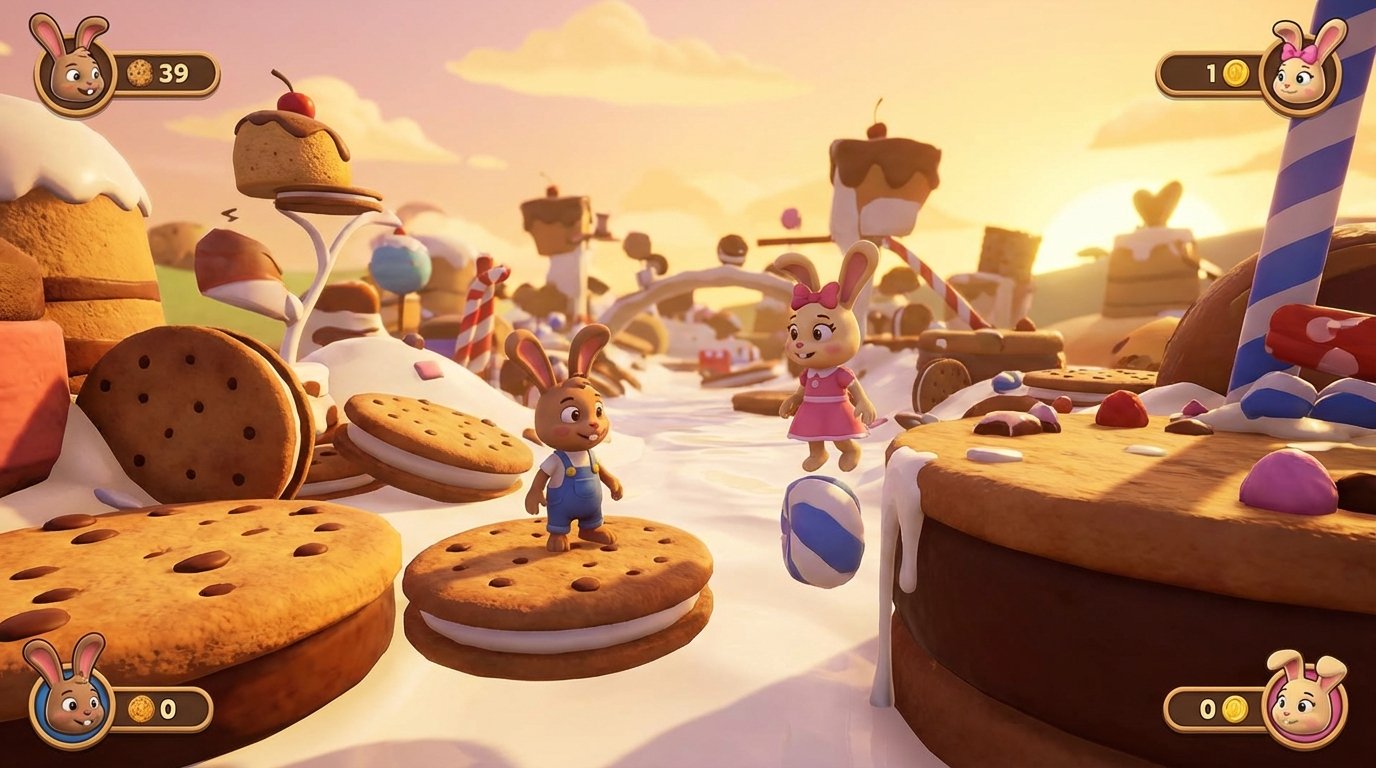
Cookie & Cream follows two adorable rabbit-like creatures, Cookie and Cream, as they embark on a quest to recover the missing moon and save their world. The plot is simple but endearing, focusing on teamwork and friendship as the duo overcome obstacles together.
The story is presented through charming cutscenes and whimsical dialogue, creating a lighthearted atmosphere that appeals to players young and old. The focus is on fun and cooperation, with the narrative serving as a backdrop for the game’s inventive mechanics.
Gameplay
The Adventures of Cookie & Cream is built around cooperative platforming, with each player controlling one character. The screen is split, requiring players to work together to solve puzzles, navigate hazards, and overcome platforming challenges. The game can also be played solo, with one player controlling both characters, but it truly shines in co-op mode.
Levels are filled with clever obstacles that require communication and teamwork, from synchronized switches to timed jumps. The game’s unique setup encourages players to strategize and collaborate, making each victory feel truly earned. Collectibles and mini-games add replay value and variety.
Why it’s on this list
Cookie & Cream’s cooperative focus and innovative mechanics set it apart from traditional platformers. Its lack of mainstream recognition means many players have missed out on its unique brand of fun, making it a worthy addition to this list.
Graphics and Sound
The visuals are bright and cartoony, with expressive characters and whimsical environments. The art style is inviting and playful, perfectly matching the game’s tone. The soundtrack features cheerful melodies and sound effects that enhance the cooperative experience.
Legacy and Reception
While The Adventures of Cookie & Cream received praise for its originality, it never achieved widespread fame. In 2026, it’s celebrated as a cult classic, especially among fans of couch co-op gaming. Its emphasis on teamwork and communication remains fresh and engaging.
Legend of Kay
Story
Legend of Kay tells the tale of Kay, a young feline warrior who sets out to liberate his island home from the tyrannical rule of gorilla and rat warriors. The story is a classic hero’s journey, blending martial arts action with themes of honor, bravery, and friendship.
The narrative unfolds through animated cutscenes and in-game dialogue, introducing a colorful cast of characters and a world steeped in Eastern mythology. Kay’s quest is both personal and epic, as he learns the true meaning of heroism.
Gameplay
Legend of Kay combines platforming with fast-paced combat, allowing players to string together combos, parries, and special moves. Kay can wield a variety of weapons, each with unique abilities, and upgrade his skills as the game progresses. Platforming segments are interspersed with puzzles and exploration, creating a well-rounded experience.
The game’s structure is open, with interconnected levels that reward backtracking and thorough exploration. Side quests and collectibles add depth, while boss battles test both combat prowess and strategy.
Why it’s on this list
Legend of Kay’s polished gameplay and engaging world-building were overlooked amid a crowded market. Its blend of action, platforming, and storytelling make it a standout that deserves more recognition in the modern era.
Graphics and Sound
The visuals are vibrant and detailed, with expressive character models and lush environments. The game’s art direction draws inspiration from Asian mythology, creating a unique and memorable aesthetic. The soundtrack features dynamic, martial arts-inspired music and atmospheric sound effects.
Legacy and Reception
Though it received positive reviews, Legend of Kay was often overshadowed by bigger franchises. Over time, it has developed a cult following and even saw a remastered release. In 2026, the original PS2 version is celebrated for its charm, depth, and replay value.
Pitfall: The Lost Expedition
Story
Pitfall: The Lost Expedition revitalizes the classic Pitfall franchise, following the intrepid adventurer Harry as he searches for a legendary lost city in the heart of the jungle. The story is a pulpy, Indiana Jones-style romp filled with ancient mysteries, treacherous traps, and larger-than-life villains.
The narrative is lighthearted, driven by Harry’s wit and the colorful cast he meets along the way. Each new environment brings fresh dangers and discoveries, keeping the adventure moving at a brisk pace.
Gameplay
The Lost Expedition offers a mix of platforming, puzzle-solving, and action, with Harry using his trusty whip and an array of gadgets to traverse dangerous terrain. The game features interconnected environments, encouraging exploration and backtracking as new abilities are unlocked.
Platforming is tight and responsive, with challenging jumps, swinging segments, and environmental hazards. Combat is straightforward but satisfying, focusing on timing and strategy. Collectibles and upgrades add depth and replayability.
Why it’s on this list
Despite its pedigree and solid design, Pitfall: The Lost Expedition was often overlooked in favor of flashier platformers. Its blend of classic adventuring, clever puzzles, and polished gameplay make it a hidden gem on the PS2.
Graphics and Sound
The visuals are colorful and detailed, with lush jungle environments and expressive character animations. The art style pays homage to the series’ roots while updating it for a new generation. The soundtrack features adventurous tunes and atmospheric effects that enhance the sense of danger and discovery.
Legacy and Reception
Pitfall: The Lost Expedition received positive reviews but never achieved major commercial success. Today, it’s remembered fondly by those who played it, standing as a testament to the enduring appeal of classic platforming adventures.
Rayman: Hoodlum Havoc
Story
Rayman: Hoodlum Havoc continues the surreal saga of Rayman as he battles the evil André and his army of Hoodlums, who threaten to plunge the world into chaos. The story is filled with zany humor, bizarre characters, and wild plot twists, all delivered with the series’ trademark whimsy.
The narrative unfolds through witty dialogue and over-the-top cutscenes, keeping players entertained from start to finish. Rayman’s quest is as much about saving the world as it is about embracing the absurd.
Gameplay
Hoodlum Havoc offers fast-paced, precision platforming with a host of new abilities and power-ups. Rayman can glide, punch, and use temporary upgrades to overcome obstacles and defeat enemies. Level design is imaginative, featuring dynamic environments, branching paths, and hidden secrets.
Collectibles and challenges abound, rewarding exploration and skillful play. Boss battles are inventive, often requiring players to master new mechanics on the fly. The game’s difficulty is well-balanced, offering a satisfying challenge for both newcomers and veterans.
Why it’s on this list
While Rayman is a well-known character, Hoodlum Havoc is often overlooked in favor of earlier entries. Its inventive gameplay, sharp humor, and unique style make it a highlight of the PS2 platformer library that deserves more recognition.
Graphics and Sound
The visuals are vibrant and surreal, with imaginative environments and expressive animations. The art direction is bold and distinctive, perfectly capturing the series’ offbeat tone. The soundtrack features catchy tunes and quirky sound effects that enhance the game’s playful spirit.
Legacy and Reception
Rayman: Hoodlum Havoc received critical acclaim but was overshadowed by larger franchises. In 2026, it’s celebrated as a standout in the series and a must-play for fans of creative platformers.
Wallace & Gromit in Project Zoo
Story
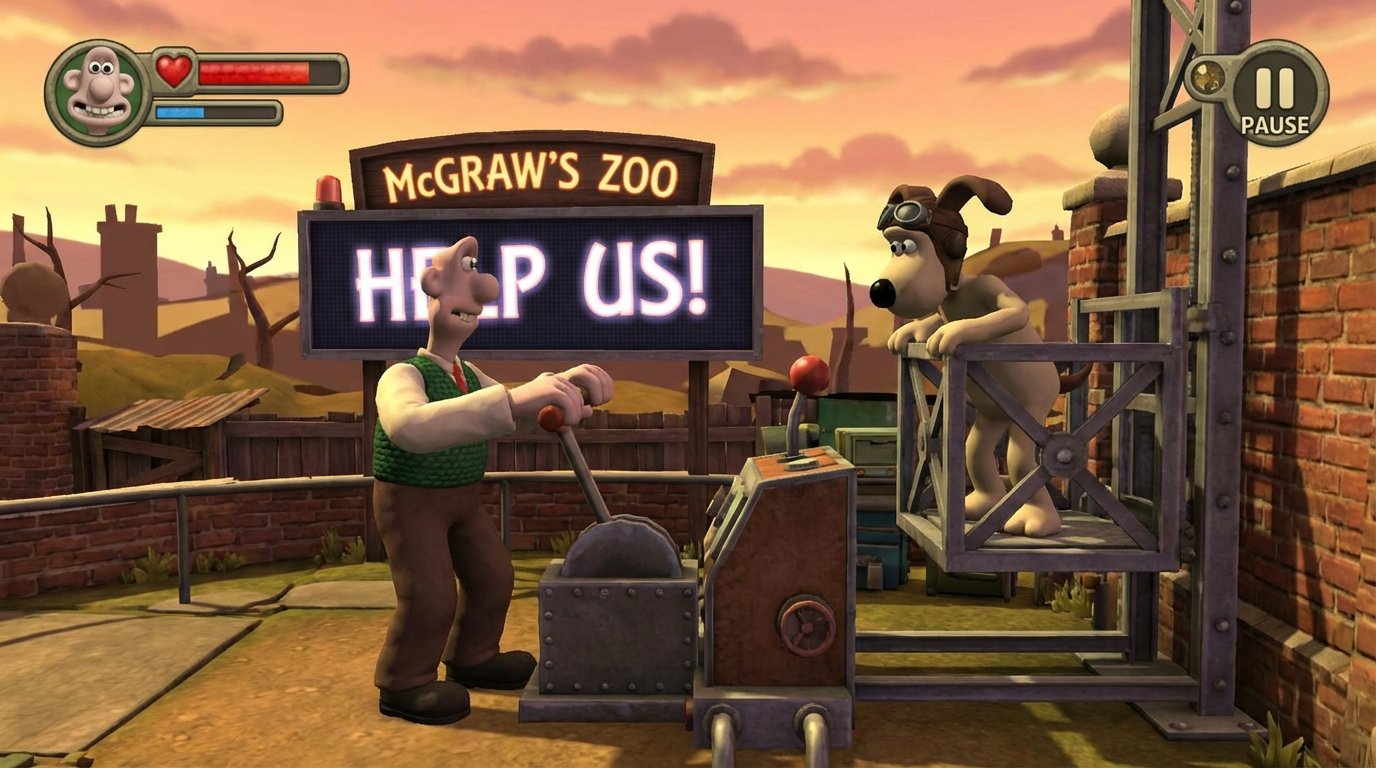
Wallace & Gromit in Project Zoo sends the beloved duo on a rescue mission after their old nemesis, Feathers McGraw, takes over the city zoo and enslaves its animals. Wallace’s inventions and Gromit’s resourcefulness are put to the test as they navigate perilous traps and bizarre contraptions to save the day.
The story is filled with the series’ trademark British humor, clever dialogue, and slapstick antics. Each new level introduces a quirky cast of characters and inventive scenarios, keeping the narrative fresh and engaging.
Gameplay
Project Zoo combines traditional platforming with puzzle-solving and gadget-based mechanics. Players control Gromit, using Wallace’s inventions to overcome obstacles, defeat enemies, and solve environmental challenges. Each level is packed with secrets, collectibles, and mini-games, rewarding exploration and experimentation.
Platforming is tight and precise, with responsive controls and inventive level design. The game’s puzzles are clever, often requiring players to think outside the box and make use of Wallace’s latest contraption.
Why it’s on this list
Despite its beloved source material and inventive gameplay, Project Zoo was overlooked by many gamers. Its blend of humor, creativity, and solid platforming makes it a hidden gem that deserves a spot in every PS2 collection.
Graphics and Sound
The visuals faithfully recreate the look of the Wallace & Gromit cartoons, with claymation-inspired art and charming animations. The soundtrack features whimsical tunes and authentic voice acting, bringing the world to life.
Legacy and Reception
Wallace & Gromit in Project Zoo received positive reviews but failed to achieve major commercial success. In 2026, it’s fondly remembered as a delightful platformer that captures the spirit of its source material.
Whiplash
Story
Whiplash follows the misadventures of Spanx, a lab rabbit, and Redmond, a wisecracking weasel chained together as they attempt to escape from a diabolical animal testing facility. The duo’s goal is to sabotage the evil corporation behind the experiments and free their fellow animals, all while wreaking havoc along the way.
The story is irreverent and satirical, lampooning corporate greed and animal cruelty with sharp humor and over-the-top antics. The dynamic between Spanx and Redmond provides constant laughs, making the journey as entertaining as it is outrageous.
Gameplay
Whiplash is a physics-based platformer where players use the chain connecting Spanx and Redmond as both a weapon and a tool. The chain can be used to attack enemies, swing across gaps, and solve environmental puzzles. Each character has unique abilities—Spanx is agile, while Redmond can be used as a flail or battering ram.
Levels are filled with destructible objects, secret areas, and opportunities for creative mayhem. Players are rewarded for causing chaos and sabotaging the facility, adding a layer of strategy and replayability. The platforming is fast-paced, with tight controls and inventive level design.
Why it’s on this list
Whiplash’s unique mechanics and biting humor set it apart from typical platformers. Its lack of mainstream recognition means many gamers missed out on its anarchic fun, making it a perfect candidate for this list.
Graphics and Sound
The visuals are colorful and cartoonish, with exaggerated animations and expressive character designs. The art style complements the game’s irreverent tone, creating a memorable world. The soundtrack features energetic tunes and sound effects that enhance the sense of chaos.
Legacy and Reception
While Whiplash received mixed reviews at launch, it has since gained a cult following for its originality and humor. In 2026, it’s celebrated as a standout example of PS2-era experimentation and creativity.
Chulip
Story
Chulip tells the quirky tale of a young boy who moves to a new town and sets out to win the heart of his dream girl—by kissing as many townsfolk as possible to raise his reputation. The story is a bizarre blend of romance, humor, and surrealism, filled with oddball characters and unexpected twists.
The narrative unfolds through offbeat cutscenes and environmental storytelling, creating a world that’s both charming and strange. The focus is on exploration and relationships, with the protagonist’s journey driven by love and curiosity.
Gameplay
Chulip combines platforming with adventure and puzzle-solving elements. Players navigate the town, dodging hazards, uncovering secrets, and figuring out the unique conditions required to earn each kiss. Timing and observation are key, as some characters only appear at certain times or under specific circumstances.
The game’s structure encourages experimentation and perseverance, rewarding players who pay attention to detail. Platforming is simple but effective, serving as a vehicle for the game’s quirky scenarios and puzzles.
Why it’s on this list
Chulip’s offbeat premise and unconventional gameplay make it one of the most unique platformers on the PS2. Its lack of mainstream appeal kept it under the radar, but those who give it a chance are rewarded with a truly original experience.
Graphics and Sound
The visuals are whimsical and surreal, with stylized character designs and imaginative environments. The art direction is distinctive, creating a world that feels both dreamlike and grounded. The soundtrack features quirky tunes and sound effects that enhance the game’s eccentric atmosphere.
Legacy and Reception
Chulip received mixed reviews but has since become a cult classic for its originality and charm. In 2026, it’s recognized as a one-of-a-kind adventure that stands out from the platforming crowd.
As we look back on the PS2’s immense library, it’s clear that some of the best platforming experiences were never the biggest sellers or the flashiest releases. These 18 underrated platformers showcase the creativity, risk-taking, and sheer fun that defined the era. Whether you’re searching for heartfelt stories, inventive mechanics, or simply a fresh challenge, these hidden gems are guaranteed to deliver.
So, before you revisit the major franchises for the hundredth time, why not give these forgotten classics a chance? In 2026, the magic of retro gaming is just a button press away—dive into these overlooked adventures and rediscover why the PS2 remains a legendary platform for gamers everywhere. Happy platforming!