

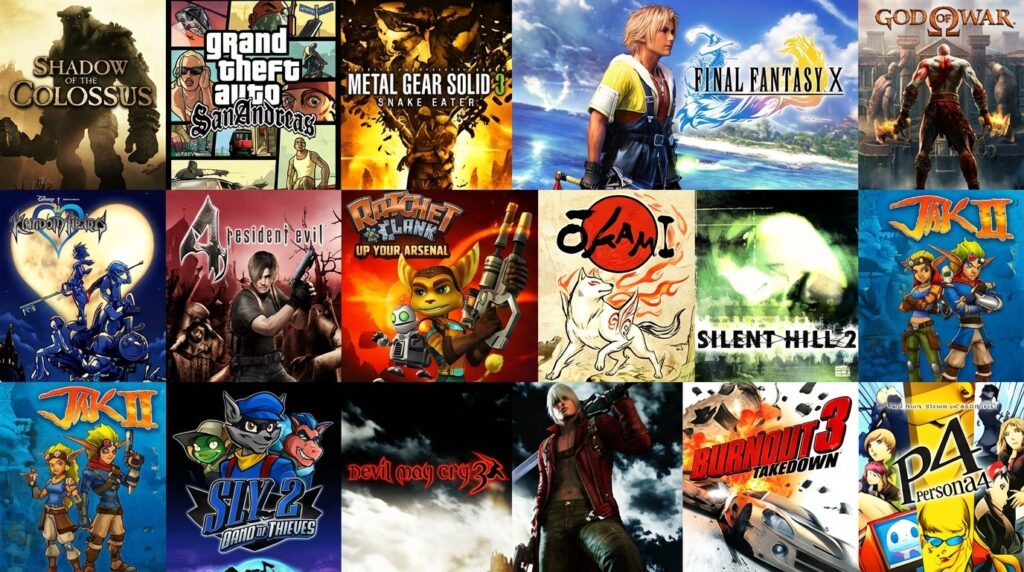
Few consoles have left as significant a mark on gaming as the PlayStation 2. With its vast library, the PS2 captured the imaginations of millions and helped define what a modern gaming experience could be. Even in 2026, the impact of Sony’s best-selling console continues to echo, as both seasoned gamers and newcomers rediscover classics that set the standard for narratives, gameplay innovation, and sheer fun.
The PS2 era was a golden age for creativity and risk-taking. Developers were pushing the boundaries of storytelling, world-building, and mechanics, resulting in a diverse lineup that covered everything from epic adventures to quirky cult favorites. Many of these games remain remarkably playable today, offering experiences that are every bit as engaging now as they were two decades ago.
Whether you’re dusting off your original hardware, picking up remasters, or exploring emulation, these 15 PS2 gems are absolutely worth revisiting. Let’s dive into the must-play titles that continue to stand the test of time.
Shadow of the Colossus
Platform | PlayStation 2 |
|---|---|
Publisher | Sony Computer Entertainment |
Genre | Action-Adventure |
Release Date | 10/18/2005 |
Story
Shadow of the Colossus is a minimalist fable about a young man named Wander, who ventures into a forbidden land to resurrect a lost love. Instead of bustling towns or lengthy dialogue, the story unfolds through atmospheric exploration and cryptic cutscenes. Wander’s quest is both noble and tragic, as he must hunt down and defeat sixteen towering colossi, each acting as a living puzzle.
The narrative is steeped in ambiguity and myth. The emotional weight of Wander’s actions becomes heavier with each victory, as the mysterious entity Dormin hints at deeper consequences. The game’s sparse storytelling invites players to interpret its events, resulting in a haunting, personal journey that lingers long after the credits roll.
Gameplay
Shadow of the Colossus is defined by its unique boss encounters, with each colossus representing a massive environmental challenge. Players must study each creature’s movements and terrain, climbing their bodies and exploiting weaknesses. The controls are intentionally weighty, emphasizing the scale and difficulty of each battle.
There’s a meditative rhythm to the gameplay: long stretches of solitary horseback travel punctuated by epic, cinematic confrontations. The absence of typical enemies or side quests sharpens the focus on the relationship between player, protagonist, and colossi. The sense of isolation and discovery is unparalleled.
Why it’s on this list
Shadow of the Colossus remains one of the most unforgettable adventures in gaming. Its blend of minimalist storytelling, grand scale, and emotional ambiguity set it apart from almost anything else on the platform. Every encounter feels significant, and the game’s themes of sacrifice and consequence resonate with players old and new.
Graphics and Sound
For its time, Shadow of the Colossus was a technical marvel. The vast, mist-shrouded landscapes and colossal enemies pushed the PS2 hardware to its limits. Even today, the art direction and use of light and shadow hold up. Kow Otani’s score is haunting, swelling from gentle melancholy to triumphant bombast as battles unfold.
Legacy and Reception
Upon release, Shadow of the Colossus received widespread critical acclaim for its ambition and artistry. It has since been remade and remastered multiple times, introducing new generations to its singular vision. The game is frequently cited as an example of video games as art, and its influence can be seen in countless titles that followed.
Metal Gear Solid 3: Snake Eater
Platform | PlayStation 2 |
|---|---|
Publisher | Konami |
Genre | Action-Adventure |
Release Date | 11/17/2004 |
Story
Set during the height of the Cold War, Metal Gear Solid 3: Snake Eater tells the origin story of Big Boss, then known as Naked Snake. Sent deep into Soviet territory, Snake’s mission is to rescue a defecting scientist, sabotage a superweapon, and confront his former mentor, The Boss. The narrative weaves espionage with personal betrayal, philosophical musings, and the series’ trademark twists.
The story is gripping, blending political intrigue with emotional stakes. Snake’s relationship with The Boss forms the heart of the game, culminating in a legendary and heartbreaking conclusion. The mix of real-world history and fantastical elements keeps players guessing, while the script and voice acting are among the best in the medium.
Gameplay
Snake Eater overhauls the stealth gameplay of its predecessors by introducing survival elements. Snake must hunt for food, treat injuries, and adapt camouflage to remain undetected in the jungle. The game rewards patience, observation, and creativity, offering multiple ways to approach every scenario.
Combat is deeper than ever, with close-quarters CQC techniques and a variety of gadgets and weapons. Boss encounters are memorable, ranging from tense sniper duels to psychological mind games. The game’s pacing, mixing stealth, action, and cinematic storytelling, remains a masterclass in design.
Why it’s on this list
Snake Eater is more than just a highlight of the Metal Gear series; it’s one of the finest stealth-action games ever made. Its blend of espionage, survival, and emotional storytelling makes it essential for any gamer’s library. Even in 2025, its mechanics and narrative sophistication remain unmatched.
Graphics and Sound
For a PS2 title, Snake Eater boasts lush environments and expressive character models. The jungle feels alive, with rich detail and dynamic weather. Harry Gregson-Williams’ score, especially the iconic theme song, elevates the drama. Sound design is meticulous, from rustling foliage to enemy chatter.
Legacy and Reception
Praised upon release for its ambition and execution, Snake Eater is often considered the high point of the franchise. Its influence extends to later stealth and open-world games, and it has been re-released in collections and remasters. The game’s story and setpieces continue to inspire discussions among fans and critics alike.
Final Fantasy X
Story
Final Fantasy X follows Tidus, a star athlete who is swept into the mystical world of Spira. Alongside summoner Yuna and her guardians, he embarks on a pilgrimage to stop the monstrous force known as Sin. The story explores themes of faith, fate, and personal sacrifice, with each character carrying their own burdens and secrets.
The narrative is both grand and intimate, weaving a compelling tale of love, loss, and defiance in a doomed world. Tidus’s outsider perspective allows players to uncover Spira’s mysteries alongside him, while the evolving relationship between Tidus and Yuna anchors the emotional core of the game.
Gameplay
Final Fantasy X innovates with its Conditional Turn-Based Battle system, allowing players to swap party members and strategize in real time. The Sphere Grid progression system offers deep customization, letting you shape each character’s abilities over the course of the adventure.
The game balances exploration, puzzle-solving, and cinematic storytelling. Side activities like Blitzball add variety, while optional bosses and secrets keep completionists busy. The pacing is tight, with a focus on story-driven progression rarely seen in previous entries.
Why it’s on this list
Final Fantasy X’s memorable cast, innovative systems, and emotional storytelling make it a standout not just for the PS2, but for the entire JRPG genre. Its themes remain relevant, and the game’s structure and pacing have aged gracefully. It’s a must-play for anyone seeking a rich, character-driven journey.
Graphics and Sound
Final Fantasy X was a leap forward in visual fidelity, with detailed character models and pre-rendered backgrounds that brought Spira to life. The game’s use of voice acting was groundbreaking for the series, adding depth to both major and minor roles. Nobuo Uematsu’s score is iconic, blending sweeping orchestrations with poignant melodies.
Legacy and Reception
Heralded as one of the best JRPGs of its era, Final Fantasy X has been remastered for multiple platforms and remains a fan favorite. Its influence can be seen in later Final Fantasy titles, and its story continues to resonate with fans. The game’s legacy is cemented as a classic of the genre.
God of War II
Story
God of War II picks up with Kratos as the newly crowned God of War, still haunted by his past. Betrayed by Zeus and stripped of his powers, Kratos embarks on a vengeful quest that leads him through mythological Greece, encountering gods, titans, and monsters. The narrative is a relentless rollercoaster, blending personal vendetta with epic stakes.
The story’s pacing is relentless, with betrayals, revelations, and larger-than-life setpieces. Kratos’s character is more developed, showing both his rage and the tragic consequences of his actions. The game sets up the series’ future, ending on a cliffhanger that left fans clamoring for more.
Gameplay
God of War II refines the hack-and-slash formula of its predecessor, delivering even smoother combat, new weapons, and a wider variety of abilities. The controls are responsive and satisfying, allowing for brutal combos and cinematic finishing moves.
Platforming, puzzles, and exploration are seamlessly integrated, breaking up the relentless action. Boss battles are spectacular, featuring multi-stage fights against mythic foes. The pacing ensures there’s never a dull moment, making it one of the most exhilarating action games on the system.
Why it’s on this list
God of War II represents the pinnacle of action-adventure on the PS2. Its blend of tight mechanics, unforgettable moments, and mythological storytelling make it a benchmark for the genre. Even years later, few games match its intensity and polish.
Graphics and Sound
Pushing the PS2 to its limits, God of War II boasts impressive environments, detailed character models, and fluid animations. The orchestral soundtrack is bombastic, fitting the scale of the action, while voice acting and sound effects drive home the brutality of Kratos’s world.
Legacy and Reception
The game was a critical and commercial success, solidifying God of War’s status as a flagship PlayStation franchise. Its influence is seen in countless action games, and it continues to be celebrated for its design and storytelling. The series’ later entries owe much to the foundation laid by this PS2 classic.
Okami
Platform | PlayStation 2 |
|---|---|
Publisher | Capcom |
Genre | Action-Adventure |
Release Date | 04/20/2006 |
Story
Okami is a lush, mythological adventure that casts players as Amaterasu, the Shinto sun goddess incarnated as a white wolf. Tasked with restoring color and life to a cursed land, Amaterasu’s journey is both a retelling of Japanese folklore and a meditation on the power of nature and art.
The narrative blends whimsy with gravitas, featuring a wide cast of quirky characters and larger-than-life gods. The story unfolds gradually, with each new region revealing more about Amaterasu’s past and the world’s mysteries. Humor and heart are woven throughout, making the adventure both epic and intimate.
Gameplay
Okami’s signature mechanic is the Celestial Brush, allowing players to draw on the world to solve puzzles, attack enemies, and alter the environment. Battles mix action and strategy, with a variety of weapons and brush techniques at your disposal.
Exploration is richly rewarding, as each area is packed with secrets, side quests, and visual splendor. The game encourages curiosity and experimentation, making every moment feel like a discovery. Platforming and puzzle-solving are seamlessly integrated, ensuring a constant sense of progression.
Why it’s on this list
Okami stands as one of the most original and beautiful games ever made, offering a singular blend of art, mythology, and gameplay. Its creative mechanics and heartfelt storytelling have ensured its place as a cult classic. Few games can claim to be as timelessly enchanting.
Graphics and Sound
Okami’s cel-shaded, sumi-e-inspired visuals give it the appearance of a living painting. The art direction is so distinctive that it remains visually arresting even decades after its release. The soundtrack draws from traditional Japanese music, setting the perfect tone for mythic adventure.
Legacy and Reception
Though originally overlooked, Okami has since been recognized as a masterpiece, with multiple ports and remasters introducing it to new audiences. Critics and players alike praise its innovation and artistry. Its influence is seen in later adventure games, particularly those that celebrate art and nature.
Persona 4
Platform | PlayStation 2, PlayStation Vita, PC |
|---|---|
Publisher | Atlus |
Genre | Turn-Based RPG |
Release Date | 07/10/2008 |
Story
Persona 4 transports players to the rural town of Inaba, where a mysterious fog and a series of bizarre murders threaten the community. As a high school transfer student, you and your friends discover a hidden world inside television screens, where the truth behind the killings awaits.
The narrative deftly blends murder mystery with coming-of-age drama. Each character’s personal struggles are explored in depth, creating an ensemble cast that feels remarkably real. Themes of truth, acceptance, and self-discovery are woven into every aspect of the story, building to a satisfying and emotional conclusion.
Gameplay
Persona 4 balances dungeon-crawling RPG mechanics with social simulation. By day, you manage friendships, schoolwork, and hobbies, each of which affects your abilities in the TV World. By night, you delve into procedurally generated dungeons, battling monsters using the power of Personas.
Combat is turn-based, emphasizing strategy and exploiting enemy weaknesses. Persona fusion and customization add depth, while time management keeps the experience fresh. The interplay between daily life and supernatural adventure makes every choice meaningful.
Why it’s on this list
Persona 4 is one of the finest examples of character-driven storytelling in games. Its mix of genres, memorable cast, and replayability ensure it remains a fan favorite. The game’s influence on the RPG genre is still felt today, and its themes are as resonant as ever.
Graphics and Sound
While not the most technically advanced on the PS2, Persona 4’s stylized art direction and vibrant color palette set it apart. The soundtrack, composed by Shoji Meguro, is endlessly catchy, mixing pop, rock, and jazz to unforgettable effect. Voice acting brings each character to life.
Legacy and Reception
Upon release, Persona 4 received critical acclaim and developed a dedicated fanbase. It has since been ported and expanded, most notably in Persona 4 Golden. The game’s blend of social and RPG mechanics has influenced countless successors, and its story remains beloved by fans.
Devil May Cry 3: Dante's Awakening
Story
Devil May Cry 3 serves as a prequel, exploring the early days of Dante, the wisecracking demon hunter. The plot centers on his rivalry with his twin brother Vergil, whose quest for power threatens the world. The narrative is a stylish melodrama, filled with over-the-top action and gothic flair.
The story’s pulpy energy is matched by its emotional beats, as the sibling rivalry evolves from playful antagonism to a tragic confrontation. Supporting characters like Lady add further depth, and the game’s pacing ensures the stakes keep rising with each chapter.
Gameplay
Dante’s Awakening is renowned for its deep, precise combat system. Players can switch between multiple fighting styles, each with unique abilities and tactics. The game rewards skill, timing, and creativity, allowing for jaw-dropping combos and stylish action.
Level design is varied and challenging, with inventive bosses and platforming sequences that test both reflexes and strategy. The game’s difficulty is legendary, but fair, pushing players to master its systems and continually improve.
Why it’s on this list
Devil May Cry 3 is the gold standard for stylish action games. Its challenging, rewarding gameplay loop and charismatic protagonist have ensured its place in gaming history. Few action titles offer such a satisfying blend of depth, difficulty, and flair.
Graphics and Sound
The gothic aesthetic, fast-paced animations, and flashy effects make every battle visually exciting. The heavy metal soundtrack fuels the adrenaline, while voice work and sound effects amp up the intensity. The presentation remains energetic and engaging, even by modern standards.
Legacy and Reception
Lauded for revitalizing the series after a lackluster second entry, Devil May Cry 3 is often cited as one of the best action games ever. Its influence is seen in later games across the genre, and it continues to be celebrated in remasters and collections.
Grand Theft Auto: San Andreas
Story
San Andreas follows Carl “CJ” Johnson as he returns to Los Santos after his mother’s murder, only to be drawn back into the criminal underworld. The sprawling narrative explores themes of loyalty, family, and the American Dream, set against the backdrop of early ’90s California.
The game’s story is ambitious, touching on gang warfare, corrupt officials, and personal redemption. CJ’s journey is filled with memorable characters and shocking twists, making for one of the most compelling tales in the series.
Gameplay
San Andreas set a new bar for open-world games, offering an entire state to explore, complete with cities, countryside, and deserts. Players can engage in a dizzying array of activities: driving, flying, working out, customizing cars, and much more.
The main story missions are varied and imaginative, while side content ensures there’s always something to do. The RPG-lite elements, such as skill progression and customization, add depth and replay value. The freedom to explore and experiment remains a huge draw.
Why it’s on this list
Few games capture the sense of place and possibility that San Andreas does. Its sheer scale, ambition, and cultural impact make it a defining title not just for the PS2, but for gaming as a whole. It’s a playground of chaos and creativity that still feels fresh today.
Graphics and Sound
While the graphics may appear dated, the art direction and attention to detail bring the world to life. The soundtrack, packed with era-appropriate hits and radio banter, is legendary. Voice acting and ambient sound effects create a vibrant, believable world.
Legacy and Reception
San Andreas was a commercial phenomenon, setting sales records and influencing countless open-world games. Its legacy lives on in later GTA titles and in the memories of players who spent hundreds of hours in its world. The game’s cultural footprint is undeniable.
Kingdom Hearts
Platform | PlayStation 2 |
|---|---|
Publisher | Square Enix |
Genre | Action RPG |
Release Date | 03/28/2002 |
Story
Kingdom Hearts begins with Sora, a boy whose idyllic island life is shattered when darkness invades and his friends are taken. Teaming up with Donald Duck and Goofy, Sora traverses a multiverse of Disney and original worlds to rescue his friends and save the universe from the sinister Organization.
The story is a blend of whimsical adventure and emotional coming-of-age, mixing Disney magic with Square Enix’s penchant for complex narratives. Sora’s journey is filled with friendship, loss, and self-discovery, while the interplay between Disney icons and original characters creates a unique charm.
Gameplay
Kingdom Hearts fuses action RPG combat with exploration and platforming. Players battle Heartless and other foes in real-time, using a mix of melee combos, magic, and summons. Customization options let you tweak Sora’s abilities and party setup.
Each Disney world is distinct, featuring its own gameplay twists, mini-games, and storylines. The game strikes a balance between fast-paced action and RPG progression, keeping the experience engaging for both newcomers and veterans.
Why it’s on this list
Kingdom Hearts is a singular blend of two pop culture giants, delivering an unforgettable adventure that appeals to gamers of all ages. Its emotional storytelling, imaginative worlds, and satisfying combat have made it a beloved classic that continues to inspire sequels and spin-offs.
Graphics and Sound
For its era, Kingdom Hearts was visually striking, capturing the look and feel of Disney films while adding its own fantastical flair. The soundtrack, composed by Yoko Shimomura, is both nostalgic and stirring, with themes that have become iconic. Voice acting from Disney legends and new talent brings the cast to life.
Legacy and Reception
Kingdom Hearts was a surprise hit, spawning a sprawling franchise that endures today. Its blend of action and RPG mechanics has influenced many games, and its story and characters are still discussed by fans. The original remains a shining example of creative collaboration.
Resident Evil 4
Story
Resident Evil 4 follows Leon S. Kennedy, now a government agent, on a mission to rescue the president’s daughter from a mysterious cult in rural Spain. The narrative is a tense, globe-trotting thriller, blending horror, action, and conspiracy as Leon uncovers the true nature of the threats he faces.
The story balances campy charm with genuine suspense, keeping players on edge as new enemies and twists are introduced. The pacing is relentless, with each chapter escalating the stakes and introducing memorable setpieces.
Gameplay
Resident Evil 4 revolutionized the series with its over-the-shoulder camera and dynamic action. Gone are the tank controls and fixed perspectives; instead, players engage in tight, responsive gunplay and crowd management, fending off hordes of infected villagers and grotesque monsters.
Resource management, environmental puzzles, and intense boss fights keep the pressure high. The game rewards careful aim and quick reflexes, while its upgrade system lets players tailor their arsenal to suit their playstyle. Every encounter is tense and unpredictable.
Why it’s on this list
Resident Evil 4 is a landmark in both the horror and action genres. Its innovative design set a new standard for third-person shooters, influencing hundreds of games that followed. Even today, its pacing, mechanics, and sense of dread remain unmatched.
Graphics and Sound
Resident Evil 4 pushed the PS2 hardware, delivering detailed environments, atmospheric lighting, and gruesome creature designs. The soundscape is equally effective, with eerie ambient noises, haunting music cues, and top-notch voice work that heighten the tension.
Legacy and Reception
The game was universally acclaimed, revitalizing the Resident Evil franchise and inspiring a generation of game designers. It has been ported and remade numerous times, but the PS2 original remains a classic. Its influence can be felt in everything from action-adventure titles to horror games.
Ratchet & Clank: Up Your Arsenal
Story
The third entry in the Ratchet & Clank series sees the dynamic duo defending the galaxy from the nefarious Dr. Nefarious. The story is a tongue-in-cheek riff on sci-fi tropes, loaded with humor, puns, and quirky characters. Ratchet’s journey takes him from rookie hero to galactic savior, with plenty of laughs along the way.
The game’s narrative is lighthearted yet engaging, featuring memorable supporting cast members and a steady stream of gags. The interplay between Ratchet, Clank, and their allies keeps the adventure feeling fresh and fun.
Gameplay
Up Your Arsenal refines the series’ blend of platforming, shooting, and exploration. The arsenal of outlandish weapons is bigger and more creative than ever, encouraging experimentation and strategic play. Upgrades and customization add layers of depth.
Level design is varied, featuring both linear stages and open areas packed with secrets. The addition of competitive multiplayer was ahead of its time, providing endless replay value. The tight controls and inventive gadgets make every encounter a blast.
Why it’s on this list
Few games balance humor, action, and creativity as well as Up Your Arsenal. Its inventive weaponry, polished gameplay, and infectious charm make it a must-play for fans of platformers and shooters alike. The series’ enduring popularity owes much to this standout entry.
Graphics and Sound
The game’s colorful visuals, smooth animations, and imaginative worlds showcase the PS2 at its best. The soundtrack is energetic and catchy, while voice acting and sound effects enhance the comedic flair. Every element is crafted to keep players smiling.
Legacy and Reception
Up Your Arsenal was a critical and commercial success, cementing Ratchet & Clank as a PlayStation mainstay. Its mix of humor and action has inspired later entries and other platformers. The game remains a high point for the series and for PS2-era design.
Silent Hill 2
Platform | PlayStation 2 |
|---|---|
Publisher | Konami |
Genre | Survival Horror |
Release Date | 09/24/2001 |
Story
Silent Hill 2 centers on James Sunderland, who receives a mysterious letter from his deceased wife, beckoning him to the fog-shrouded town of Silent Hill. What unfolds is a deeply psychological journey, as James confronts his guilt and encounters disturbing manifestations of his mind.
The story is layered and unsettling, exploring themes of grief, denial, and redemption. Each character James meets serves as a reflection of his own psyche, and the narrative’s ambiguity invites players to piece together its mysteries. The ending is determined by player choices, adding to its haunting impact.
Gameplay
Silent Hill 2 is a survival horror masterpiece, emphasizing exploration, puzzle-solving, and atmospheric tension over combat. The controls are intentionally clunky, heightening the sense of vulnerability as players navigate dark, claustrophobic environments.
Monsters are grotesque and symbolic, more disturbing for what they represent than their physical threat. The game’s pacing is methodical, building dread and discomfort with every step. Sound design and environmental storytelling play crucial roles in immersing players in James’s nightmare.
Why it’s on this list
Silent Hill 2 is widely regarded as one of the best horror games ever made. Its mature themes, psychological depth, and unforgettable atmosphere set it apart from its peers. Few games before or since have matched its ability to unsettle and provoke thought.
Graphics and Sound
The foggy, oppressive visuals and subtle use of lighting remain effective, creating a sense of unease throughout. Akira Yamaoka’s soundtrack is a masterclass in ambient horror, blending industrial noise with haunting melodies. Voice acting is understated, serving the game’s somber tone.
Legacy and Reception
Upon release, Silent Hill 2 was praised for its narrative ambition and chilling atmosphere. It has since become a touchstone for the horror genre, influencing countless games that followed. Its reputation has only grown with time, as new players discover its psychological horrors.
TimeSplitters: Future Perfect
Story
TimeSplitters: Future Perfect follows Sergeant Cortez as he leaps through different eras to stop a time-traveling villain from altering history. The story is a madcap sci-fi romp, filled with tongue-in-cheek humor, pop culture references, and a cast of wild characters.
The narrative provides a perfect excuse for time-hopping adventures, from 1920s mansions to dystopian futures. Each level is packed with gags and memorable moments, making the campaign a joyride through genre tropes.
Gameplay
Future Perfect is a fast-paced first-person shooter, emphasizing frantic action and inventive level design. The arsenal is diverse, featuring everything from classic pistols to bizarre sci-fi contraptions. The game encourages both solo play and cooperative action.
Multiplayer is a standout, with a huge variety of modes, maps, and customization options. The mapmaker lets players create their own arenas, extending replay value. Controls are tight and responsive, ensuring the action is always satisfying.
Why it’s on this list
TimeSplitters: Future Perfect is one of the most entertaining and replayable shooters on the PS2. Its humor, variety, and robust multiplayer make it a perennial favorite for couch co-op and competitive play. The game captures the spirit of classic arcade shooters with modern polish.
Graphics and Sound
Cartoonish visuals and exaggerated character designs give the game a unique identity. The environments are colorful and full of detail, while the soundtrack matches the tone of each era. Voice acting and sound effects add to the comedic atmosphere.
Legacy and Reception
Future Perfect was well-received for its creativity and sheer fun factor. Though the series has been dormant, its influence is seen in later shooters that embrace humor and customization. The game remains a cult classic, fondly remembered by fans.
Burnout 3: Takedown
Story
While Burnout 3: Takedown doesn’t have a traditional narrative, it frames its career mode as a competition to become the ultimate street racer. Players work their way through a series of events, earning medals and unlocking faster, more dangerous cars.
The game’s progression is straightforward but addictive, always giving you something new to strive for. The sense of rivalry and risk is constant, driving the action forward.
Gameplay
Burnout 3 is all about speed and destruction. The core mechanic revolves around aggressive driving, rewarding players for ramming rivals off the road in spectacular slow-motion crashes called “Takedowns.” The sense of velocity is exhilarating, with tight controls and responsive handling.
Events range from traditional races to crash junctions, where the goal is to cause as much carnage as possible. The risk-reward systems, boost mechanics, and branching tracks keep races thrilling and unpredictable. Multiplayer, both split-screen and online, adds even more replayability.
Why it’s on this list
Burnout 3: Takedown is pure, unadulterated fun. Its high-octane races, explosive crashes, and accessible gameplay make it a standout in the racing genre. Even today, few games match its adrenaline rush and chaotic energy.
Graphics and Sound
The game’s visuals are slick, with detailed car models and dynamic crash effects. The sense of speed is enhanced by motion blur and impactful camera work. The soundtrack mixes rock and electronic tracks, perfectly complementing the on-screen mayhem.
Legacy and Reception
Burnout 3 was a critical darling and a fan favorite, often cited as one of the greatest arcade racers ever. Its influence can be seen in later racing games, and it remains a benchmark for crash and combat mechanics in the genre.
Dragon Quest VIII: Journey of the Cursed King
Platform | PlayStation 2 |
|---|---|
Publisher | Square Enix |
Genre | JRPG |
Release Date | 11/27/2004 |
Story
Dragon Quest VIII follows a royal guard and his companions as they journey to lift a curse placed on their king and princess. The quest leads across a vast, vibrant world filled with danger, humor, and heart. Each party member has their own backstory, and the narrative unfolds with a classic fairy-tale charm.
The story balances lighthearted moments with high-stakes drama, introducing memorable villains and lovable allies. The pacing is deliberate, allowing players to savor every discovery and twist along the way.
Gameplay
Journey of the Cursed King features traditional turn-based combat, polished to perfection. The skill system allows for specialization, giving each character a unique role. Exploration is rewarded, with hidden treasures, side quests, and secrets in every corner.
The world is fully 3D, with expansive environments and a seamless overworld. The game encourages curiosity, and the sheer size of the adventure ensures dozens of hours of content. Mini-games and alchemy add further variety.
Why it’s on this list
Dragon Quest VIII is the definitive JRPG experience on PS2. Its charming presentation, deep gameplay, and welcoming tone make it accessible to newcomers and veterans alike. The game’s timeless appeal and replay value are hard to overstate.
Graphics and Sound
The cel-shaded visuals, designed by Akira Toriyama, give the world a storybook feel that still looks fantastic today. The orchestral score is sweeping and memorable, enhancing every adventure. Voice acting, added in the Western release, breathes life into the cast.
Legacy and Reception
The game was a massive hit, especially in the West, helping expand Dragon Quest’s global popularity. Its influence is seen in later JRPGs, and it has been re-released on multiple platforms. The PS2 version remains a high point for the series.
SSX 3
Story
SSX 3 invites players to the slopes of a massive, interconnected mountain, where the world’s best snowboarders compete for glory. The loose narrative is one of rivalry and ambition, with each character chasing their own dreams and records.
While the story is light, the sense of progression and achievement keeps players invested. The freedom to choose events and routes gives the experience a satisfying sense of agency.
Gameplay
SSX 3 refines the series’ blend of arcade racing and over-the-top trick mechanics. Players can explore the mountain freely, tackling races, trick competitions, and challenges at their own pace. The trick system rewards creativity and risk-taking, allowing for jaw-dropping combos.
Controls are tight and intuitive, making both newcomers and veterans feel at home. The seamless transitions between areas and dynamic weather add to the immersion. Multiplayer and high-score chasing keep the action fresh long after the credits roll.
Why it’s on this list
SSX 3 is the pinnacle of arcade snowboarding. Its addictive gameplay, open structure, and sense of style make it endlessly replayable. Few extreme sports games have captured the thrill of the genre so perfectly.
Graphics and Sound
The mountain is beautifully realized, with dynamic lighting, weather effects, and smooth animations. The eclectic soundtrack, featuring electronic, rock, and hip-hop tracks, perfectly matches the high-energy gameplay. Sound effects and commentary add flavor to every run.
Legacy and Reception
Praised for its innovation and polish, SSX 3 is often cited as the best in the series. It remains a favorite among fans of sports and racing games, and its influence can be seen in later entries and spiritual successors.
Conclusion
The PlayStation 2’s legacy is built on a foundation of unforgettable experiences, bold experimentation, and sheer variety. Even in 2025, these 15 games remain essential, offering stories and gameplay that transcend hardware limitations and shifting trends. Whether you’re revisiting old favorites or discovering them for the first time, each of these titles offers a masterclass in design, ambition, and fun.
The PS2 may be a relic from another era, but its finest games are timeless. Dive back in, and experience the magic that helped shape modern gaming—these classics are every bit as thrilling and rewarding today as they were at launch.