
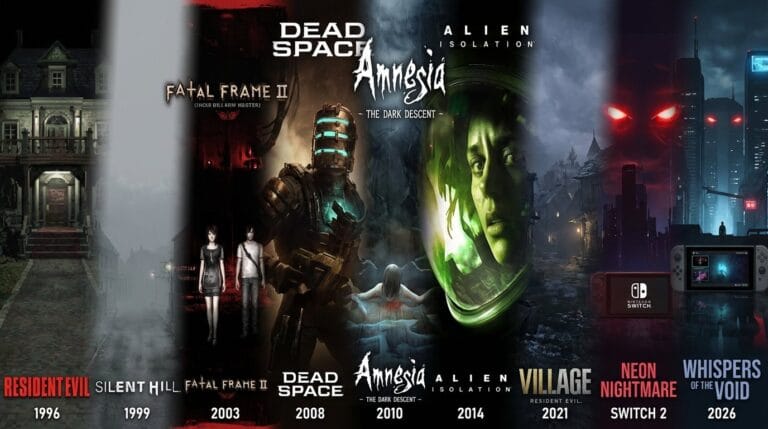
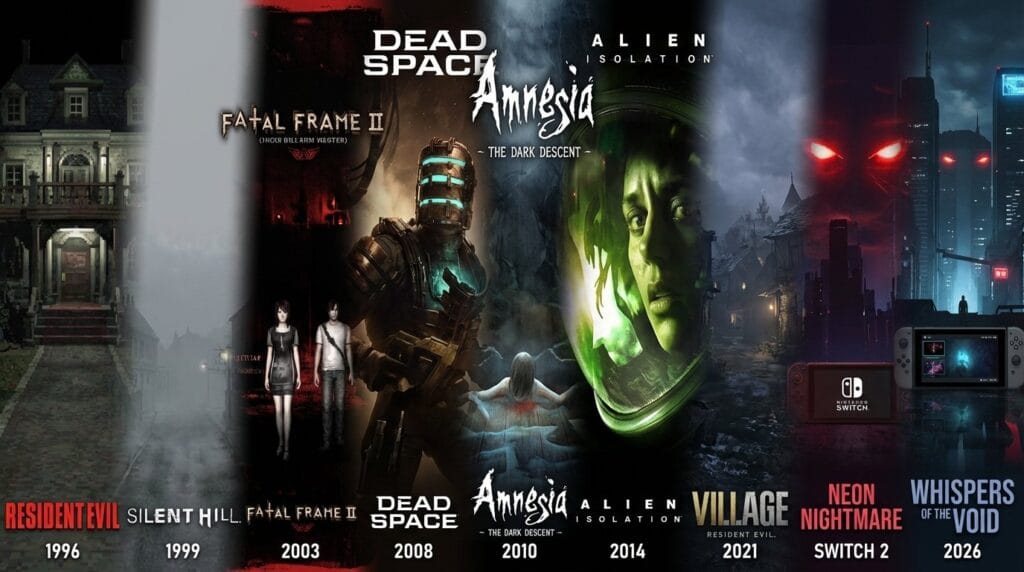
For decades, horror games have tested the limits of our courage and imagination. From pixelated nightmares on the PlayStation 1 to the hyper-realistic terrors on the Nintendo Switch 2, the genre continues to evolve, consistently pushing the boundaries of what it means to be afraid. These games have haunted countless players, blending pulse-pounding suspense with narratives that linger long after the final credits roll.
As technology has advanced, so too have the ways developers deliver scares. Early horror titles relied on atmosphere and suggestion to unsettle players, while modern masterpieces employ cutting-edge graphics, immersive sound design, and innovative gameplay mechanics to evoke genuine dread. Whether you’re a fan of psychological horror, supernatural threats, or grotesque creatures lurking in the shadows, the horror genre has something to make anyone’s skin crawl.
This list dives deep into 14 of the best horror games released across multiple generations of gaming. We’re exploring iconic PS1 classics that defined the genre, spine-chilling PC experiences, and the latest nightmares haunting the Nintendo Switch 2 in 2026. Prepare yourself for a journey through the twisted corridors of gaming history — these are the horror games you simply can’t miss.
Silent Hill
Platform | PlayStation |
|---|---|
Publisher | Konami |
Genre | Survival Horror |
Release Date | 01/31/1999 |
Story
Silent Hill, released in 1999 for the original PlayStation, redefined psychological horror for a generation. The game follows Harry Mason as he searches for his missing adopted daughter, Cheryl, in the fog-shrouded town of Silent Hill. What begins as a straightforward rescue mission quickly devolves into a nightmarish journey through a shifting, otherworldly reality filled with disturbing creatures and cryptic characters.
The town itself is a character, with its oppressive fog, abandoned buildings, and chilling radio static filling every moment with unease. The narrative intertwines themes of loss, guilt, and the supernatural, leaving players questioning what is real and what’s imagined. As Harry delves deeper, the line between reality and nightmare blurs, culminating in one of the most unsettling finales in horror gaming.
Gameplay
Silent Hill’s gameplay combines exploration, puzzle-solving, and combat, with a heavy emphasis on atmosphere over action. The game’s infamous “tank” controls and fixed camera angles add to the tension, making every encounter with the grotesque creatures a nerve-wracking ordeal. Resources like ammo and health packs are scarce, forcing players to think carefully about when to fight and when to flee.
The puzzles range from straightforward to fiendishly cryptic, often requiring players to pay close attention to environmental clues and notes scattered throughout the town. The radio’s static increases as monsters approach, serving as an innovative early warning system that ramps up the anxiety. Silent Hill’s deliberate pacing and sense of vulnerability keep players on edge from start to finish.
Why it’s on this list
Silent Hill is a cornerstone of the horror genre, setting a new standard for psychological terror in video games. Its use of atmosphere, storytelling, and sound design created a template that countless horror games have tried to emulate. The game’s focus on psychological horror over cheap jump scares makes it a lasting favorite among fans and critics alike.
Graphics and Sound
For its time, Silent Hill’s visuals were groundbreaking, using the PlayStation’s hardware limitations to its advantage. The thick fog and grainy textures not only masked technical shortcomings but also heightened the game’s oppressive mood. Akira Yamaoka’s haunting soundtrack and unsettling sound effects remain some of the most memorable in gaming history, perfectly complementing the game’s disturbing visuals.
Legacy and Reception
Silent Hill received critical acclaim for its innovative approach to horror, spawning a beloved franchise and influencing countless other games in the genre. It’s regularly cited as one of the best horror games ever made, with its legacy still felt in modern titles. The game’s ability to instill dread through psychological means rather than reliance on gore or shock value ensures its place in horror gaming history.
Resident Evil 2
Story
Resident Evil 2, originally released in 1998, thrusts players into the heart of Raccoon City as a deadly virus outbreak turns the population into flesh-eating zombies. Players assume the roles of rookie cop Leon S. Kennedy and college student Claire Redfield, each with their own intertwining storylines and unique perspectives on the unfolding catastrophe.
As the city descends into chaos, Leon and Claire must navigate the labyrinthine Raccoon Police Department, uncovering the sinister machinations of the Umbrella Corporation. The narrative weaves together survival horror, conspiracy, and moments of genuine emotional resonance as players fight to escape the city and rescue survivors.
Gameplay
Resident Evil 2 perfected the survival horror formula, combining tense exploration, resource management, and heart-pounding combat. The game’s iconic fixed camera angles and tank controls heighten the sense of vulnerability, forcing players to carefully consider every move. Limited ammunition and healing items add to the tension, making encounters with zombies and other monstrosities especially perilous.
The remake, released in 2019, updated the gameplay with an over-the-shoulder perspective, modern controls, and stunning visuals while preserving the original’s dread-inducing atmosphere. Puzzles, inventory management, and branching storylines keep players engaged and invested in the fate of Leon and Claire.
Why it’s on this list
Resident Evil 2 is a masterclass in survival horror, delivering a relentless sense of dread and urgency. Its memorable setting, gripping narrative, and perfectly tuned gameplay have left an indelible mark on the genre. The success of the remake proved the game’s enduring appeal, introducing a new generation of players to its terrifying world.
Graphics and Sound
The original Resident Evil 2 utilized pre-rendered backgrounds and atmospheric lighting to create a claustrophobic, unsettling environment. The 2019 remake brought the horrors of Raccoon City to life with photo-realistic graphics, dynamic lighting, and grotesquely detailed monsters. The sound design, from the moans of zombies to the chilling score, ensures players never feel safe.
Legacy and Reception
Resident Evil 2 is widely regarded as one of the greatest horror games of all time, with both the original and its remake receiving universal acclaim. The game’s impact on survival horror cannot be overstated, influencing countless titles and cementing Resident Evil as a flagship franchise. Its blend of action, puzzle-solving, and horror continues to set the standard for the genre.
Fatal Frame II: Crimson Butterfly
Story
Fatal Frame II: Crimson Butterfly, released in 2003 for the PlayStation 2, plunges players into the chilling tale of twin sisters Mio and Mayu Amakura. Lost in the haunted Minakami Village, the sisters must unravel the mystery of the Crimson Sacrifice Ritual while being pursued by vengeful spirits.
The narrative draws on Japanese folklore, weaving a tragic and deeply unsettling story. As the sisters explore the abandoned village, they encounter restless ghosts bound by ancient curses. The bond between Mio and Mayu provides an emotional core, making every encounter with the supernatural feel deeply personal and harrowing.
Gameplay
Fatal Frame II sets itself apart with its unique combat system: the Camera Obscura. Instead of conventional weapons, players must photograph ghosts at close range to exorcise them. This mechanic forces players to confront their fears head-on, creating some of the most intense and nerve-wracking encounters in horror gaming.
Exploration and puzzle-solving are central to the experience, with players uncovering clues hidden in the village’s decrepit buildings. The limited resources and slow movement speed contribute to the sense of vulnerability, while the ever-present threat of ghostly attacks keeps tension high throughout the game.
Why it’s on this list
Fatal Frame II: Crimson Butterfly is often hailed as one of the scariest games ever made, thanks to its innovative mechanics and emotionally charged story. The Camera Obscura mechanic remains one of the most creative and terrifying ways to engage with enemies in a horror game. Its blend of psychological and supernatural horror ensures a uniquely unsettling experience.
Graphics and Sound
The game’s visuals make excellent use of lighting and shadow, with flickering lanterns and oppressive darkness enhancing the atmosphere. The ghost designs are genuinely disturbing, and the decaying village is rendered with eerie detail. The soundtrack, featuring traditional Japanese instruments and haunting melodies, amplifies the sense of dread, while subtle ambient noises keep players constantly on edge.
Legacy and Reception
Fatal Frame II received widespread acclaim for its storytelling, atmosphere, and unique gameplay. It’s frequently included in lists of the greatest horror games, with many fans considering it the pinnacle of the series. Its influence can be seen in other games that prioritize psychological horror and innovative mechanics over gore and violence.
Amnesia: The Dark Descent
Platform | PC, Mac, Linux, PlayStation 4, Xbox One |
|---|---|
Publisher | Frictional Games |
Genre | Survival Horror |
Release Date | 09/08/2010 |
Story
Amnesia: The Dark Descent, released in 2010 for PC, immerses players in a Victorian-era castle filled with unspeakable horrors. You awaken as Daniel, with no memory of your past, and must uncover the truth behind his predicament while evading grotesque monsters and confronting his own guilt.
The game’s narrative is delivered through found notes, environmental storytelling, and Daniel’s fragmented memories. As players piece together the story, they’re drawn deeper into a web of terror, supernatural occurrences, and psychological torment. The sense of isolation and helplessness pervades every moment, making for a truly unsettling journey.
Gameplay
Amnesia’s gameplay is defined by its focus on vulnerability and fear. Players have no weapons and must rely on stealth and quick thinking to avoid deadly threats. Hiding in the shadows is essential, but lingering too long in darkness causes Daniel’s sanity to deteriorate, leading to hallucinations and increased difficulty.
The game’s physics-based puzzles and interactive environments encourage experimentation, while resource management adds another layer of tension. Amnesia’s use of sound, lighting, and environmental cues creates a pervasive sense of dread, ensuring players are constantly on edge.
Why it’s on this list
Amnesia: The Dark Descent reinvigorated the horror genre by stripping away combat and focusing on psychological terror. Its emphasis on helplessness and immersion influenced a new wave of horror titles, proving that true fear lies in what you can’t fight. The game’s legacy is evident in countless indie and mainstream horror games that followed.
Graphics and Sound
While Amnesia’s visuals are modest by modern standards, its art direction and use of lighting create a suffocating, oppressive atmosphere. The castle’s decaying halls, flickering candles, and grotesque monsters are designed to unsettle. The sound design is exceptional, with creaking doors, distant screams, and chilling music amplifying the fear.
Legacy and Reception
Amnesia was met with critical acclaim and quickly gained a cult following, spawning sequels and inspiring a new generation of horror developers. Its impact on the genre is undeniable, with many modern horror games adopting its mechanics and philosophy. Amnesia remains a must-play for anyone seeking a truly terrifying experience.
Dead Space
Story
Dead Space, released in 2008 for PlayStation 3, Xbox 360, and PC, propels players into the depths of space aboard the derelict mining ship USG Ishimura. Engineer Isaac Clarke is tasked with investigating the ship’s silence, only to discover it overrun by nightmarish creatures known as Necromorphs.
The game’s narrative unfolds through audio logs, environmental storytelling, and Isaac’s desperate quest to find his girlfriend, Nicole. As the horrors mount, players uncover the truth behind the Necromorph outbreak and the sinister religious cult driving the madness. The isolation of space, combined with grotesque body horror, creates an experience unlike any other.
Gameplay
Dead Space combines third-person shooting with strategic dismemberment, encouraging players to target enemy limbs rather than simply aiming for the head. The game’s zero-gravity sections and resource management add variety and challenge, while the innovative diegetic interface keeps players immersed in the world.
Tight corridors, limited ammo, and unpredictable enemy encounters ensure constant tension. The game’s pacing expertly alternates between quiet, suspenseful moments and explosive action, keeping players on edge from start to finish.
Why it’s on this list
Dead Space took the survival horror genre to new heights with its unique setting and mechanics. Its blend of sci-fi and horror, combined with a relentless sense of dread, set it apart from contemporaries. The game’s critical and commercial success revitalized interest in horror, leading to sequels and a devoted fanbase.
Graphics and Sound
Dead Space’s visuals are gritty, detailed, and dripping with atmosphere. The Ishimura’s industrial interiors, flickering lights, and grotesque monsters are brought to life with impressive fidelity. The sound design is a masterclass in horror, with distant screams, unsettling machinery, and a haunting score amplifying the terror.
Legacy and Reception
Dead Space received widespread critical acclaim and is frequently cited as one of the best horror games of the 2000s. Its influence is evident in later horror and action games, and its 2023 remake introduced the terror to a new generation with updated graphics and gameplay. Dead Space remains a benchmark for sci-fi horror in gaming.
Outlast
Story
Outlast, released in 2013, is a first-person survival horror game that places players in the shoes of investigative journalist Miles Upshur. Drawn to Mount Massive Asylum by a mysterious tip, Miles quickly discovers the facility is overrun by deranged patients and sinister experiments gone awry.
The story unfolds through found documents, environmental clues, and chilling encounters with the asylum’s monstrous inhabitants. The game masterfully blends psychological horror with grotesque body horror, as Miles uncovers the dark secrets behind Murkoff Corporation’s inhumane experiments and the supernatural force known as the Walrider.
Gameplay
Outlast is defined by its emphasis on helplessness and evasion. Players have no weapons and must rely on stealth, hiding, and quick thinking to survive. The asylum’s labyrinthine corridors are filled with unpredictable threats, and being caught often means instant death.
One of the game’s signature features is the night-vision camcorder, which players use to navigate the asylum’s pitch-black areas. This mechanic not only heightens tension but also restricts visibility, forcing players to conserve batteries and making every moment a test of nerve.
Why it’s on this list
Outlast reinvigorated the first-person horror genre, setting a new standard for fear and immersion. Its relentless pacing, terrifying enemies, and claustrophobic environments create an unforgettable experience. The game’s success spawned sequels and inspired a wave of horror titles that put vulnerability front and center.
Graphics and Sound
Outlast’s visuals are gritty and realistic, with the asylum’s decaying interiors rendered in disturbing detail. The use of darkness and limited lighting intensifies the fear, while the camcorder’s grainy night vision adds a layer of authenticity. The sound design is equally impressive, with unsettling ambient noises, distant screams, and a chilling score keeping players constantly on edge.
Legacy and Reception
Outlast received widespread acclaim for its atmosphere, tension, and innovative mechanics. It quickly became a favorite among horror fans and streamers, thanks to its jump scares and unpredictable enemies. The game’s influence can be seen in many modern horror titles that emphasize vulnerability and fear over combat.
P.T.
Story
P.T. (Playable Teaser), released in 2014, is the infamous demo created by Hideo Kojima and Guillermo del Toro as a teaser for the canceled Silent Hills project. Players awaken in a seemingly ordinary house, only to find themselves trapped in an endless loop of increasingly disturbing hallways and supernatural events.
As players explore the looping corridor, they piece together the fragmented story of a family tragedy and a vengeful spirit named Lisa. The narrative is deliberately cryptic, with environmental clues and audio recordings hinting at a deeper, more horrifying truth lurking beneath the surface.
Gameplay
P.T. is a masterclass in minimalist horror. The gameplay revolves around exploration and puzzle-solving, with players needing to pay close attention to subtle environmental changes and cryptic clues to progress. The lack of combat or overt threats heightens the tension, as players never know when the next scare will strike.
The game’s use of repetition and unpredictability keeps players in a constant state of unease. Each loop through the corridor brings new terrors, from flickering lights to ghostly apparitions. The sound design, featuring unsettling whispers and sudden audio shocks, is integral to the experience.
Why it’s on this list
Despite never being developed into a full game, P.T. remains one of the most influential horror experiences of the past decade. Its innovative approach to psychological horror and environmental storytelling set a new benchmark for the genre. The demo’s legacy endures, with fans and developers alike still discussing and dissecting its mysteries in 2026.
Graphics and Sound
P.T. pushed the PlayStation 4’s hardware to its limits, with photorealistic visuals and lifelike environments. The attention to detail in the house’s textures, lighting, and subtle animations creates an immersive and unsettling atmosphere. The sound design is equally masterful, using silence, sudden noises, and chilling voice acting to create an ever-present sense of dread.
Legacy and Reception
P.T. was universally acclaimed by critics and players, despite its brief runtime and eventual removal from digital storefronts. The demo’s influence can be seen in countless modern horror games, many of which try to recapture its unique blend of psychological terror and environmental storytelling. P.T. remains a cult classic and a testament to the power of interactive horror.
Alien: Isolation
Story
Alien: Isolation, released in 2014, thrusts players into the role of Amanda Ripley, daughter of the iconic Ellen Ripley from the Alien film franchise. Amanda searches the Sevastopol space station for clues to her mother’s disappearance, only to find herself stalked by a terrifying Xenomorph.
The narrative expertly weaves together elements from the classic films and new threats, as Amanda uncovers corporate conspiracies, desperate survivors, and the ever-present danger of the alien itself. The story is a gripping blend of survival, mystery, and sci-fi horror, capturing the essence of the source material.
Gameplay
Alien: Isolation is renowned for its relentless tension and immersive stealth gameplay. Unlike most horror games, players cannot kill the main threat—the Xenomorph. Instead, they must use their wits, tools, and environmental distractions to avoid detection and survive.
The game features a dynamic AI system, ensuring the alien’s behavior is unpredictable and terrifyingly intelligent. Resource management, crafting, and exploration add depth, while the retro-futuristic environments immerse players in the world of Ridley Scott’s original film.
Why it’s on this list
Alien: Isolation stands out for its uncompromising approach to horror and faithfulness to the Alien franchise. The game’s unscripted scares, oppressive atmosphere, and challenging gameplay make it a must-play for fans of survival horror. Its unique blend of stealth and terror sets it apart from other games in the genre.
Graphics and Sound
The game’s visuals painstakingly recreate the look and feel of the original films, from the retro-futuristic technology to the claustrophobic corridors. The Xenomorph’s design is both faithful and terrifyingly lifelike. The sound design is exceptional, with ambient noises, distant screams, and the alien’s hissing breath heightening the sense of danger at every turn.
Legacy and Reception
Alien: Isolation was met with critical acclaim for its atmosphere, tension, and innovation. It’s widely regarded as one of the best licensed games ever made and a standout entry in the horror genre. The game’s influence can be seen in later titles that prioritize unscripted, AI-driven scares over scripted events.
Until Dawn
Platform | PlayStation 4 |
|---|---|
Publisher | Sony Computer Entertainment |
Genre | Interactive Drama, Survival Horror |
Release Date | 08/25/2015 |
Story
Until Dawn, released in 2015 for PlayStation 4, is an interactive horror adventure that pays homage to classic slasher films. The story follows a group of friends who return to a remote mountain lodge one year after a tragic accident, only to be stalked by a mysterious killer and supernatural forces.
Players make choices that shape the narrative, with every decision potentially leading to dramatic consequences—including the deaths of main characters. The branching storylines and multiple endings ensure every playthrough is unique, encouraging replayability to uncover all the secrets and outcomes.
Gameplay
Until Dawn’s gameplay blends exploration, quick-time events, and decision-making. The “Butterfly Effect” system means every choice, no matter how small, can have far-reaching consequences. Players must solve puzzles, evade threats, and manage the shifting dynamics within the group.
The game’s cinematic presentation, motion-captured performances, and branching dialogue make it feel like an interactive movie. The suspenseful pacing and unpredictable twists keep players on the edge of their seats from start to finish.
Why it’s on this list
Until Dawn is a love letter to horror fans, expertly blending tropes from slasher films with interactive storytelling. Its focus on player choice and consequence sets it apart from traditional horror games, making every playthrough a tense and unpredictable experience.
Graphics and Sound
Until Dawn’s visuals are stunning, with lifelike character models and meticulously crafted environments. The snowy mountain setting and eerie lodge interiors create a chilling backdrop for the unfolding horror. The voice acting and soundtrack, featuring both original compositions and licensed tracks, heighten the emotional impact and tension.
Legacy and Reception
Until Dawn received critical acclaim for its storytelling, atmosphere, and innovative mechanics. It has since become a cult favorite, inspiring spiritual successors like The Dark Pictures Anthology. The game’s influence is seen in the growing popularity of interactive horror experiences and narrative-driven games.
The Evil Within
Story
The Evil Within, released in 2014, marks the return of legendary horror director Shinji Mikami. Detective Sebastian Castellanos is drawn into a nightmarish world after investigating a gruesome mass murder at Beacon Mental Hospital. As reality warps and grotesque monsters appear, Sebastian must fight to survive and uncover the truth behind the sinister STEM system.
The narrative is a surreal blend of psychological horror, grotesque imagery, and mind-bending twists. As players progress, they encounter disturbing enemies, shifting environments, and cryptic visions that blur the line between reality and nightmare.
Gameplay
The Evil Within combines third-person shooting, stealth, and survival mechanics. Players must manage scarce resources, craft traps, and make strategic use of the environment to outsmart enemies. The game’s unpredictable level design keeps players guessing, with reality frequently shifting in unexpected and terrifying ways.
Combat is tense and brutal, with enemies that can overpower players if they aren’t careful. The game rewards exploration, with hidden items and lore scattered throughout the world. The mix of action, horror, and puzzle-solving creates a relentless and immersive experience.
Why it’s on this list
The Evil Within is a masterclass in survival horror, blending classic mechanics with modern sensibilities. Its blend of psychological and physical horror, combined with Mikami’s visionary direction, makes it a standout entry in the genre. The game’s unsettling atmosphere and unpredictable scares ensure a terrifying ride from start to finish.
Graphics and Sound
The game’s visuals are dark, gritty, and grotesque, with nightmarish enemy designs and surreal environments. The use of lighting and shadow creates a sense of claustrophobia and unease. The sound design is equally effective, with chilling music, unsettling ambient noises, and disturbing sound effects amplifying the horror.
Legacy and Reception
The Evil Within received positive reviews for its atmosphere, gameplay, and return to classic survival horror. It spawned a sequel and has become a favorite among fans of the genre. The game’s influence can be seen in the resurgence of traditional survival horror elements in modern games.
Phasmophobia
Story
Phasmophobia, released in 2020 for PC, reimagines ghost hunting as a truly terrifying cooperative experience. Players take on the roles of paranormal investigators, venturing into haunted locations to identify the type of ghost lurking within. The game’s narrative emerges organically through player interactions, environmental clues, and encounters with the supernatural.
Each investigation is a unique, unscripted experience, with players piecing together evidence using specialized tools and communication with the spirit world. The threat of ghostly attacks looms constantly, turning every mission into a nerve-wracking ordeal.
Gameplay
Phasmophobia’s gameplay emphasizes teamwork, strategy, and communication. Players must use equipment like EMF readers, spirit boxes, and thermal cameras to collect evidence, all while avoiding deadly hunts from the ghost. The use of in-game voice chat is integral, as ghosts can react to players’ speech, adding a new layer of immersion and unpredictability.
The game’s procedurally generated scares and dynamic AI ensure no two investigations are the same. The tension ramps up as the ghost becomes more aggressive, forcing players to make quick decisions and rely on each other to survive.
Why it’s on this list
Phasmophobia stands out for its social, cooperative take on horror. The game’s ability to turn simple ghost hunting into a deeply terrifying and collaborative experience has made it a favorite among streamers and friends alike. Its innovative mechanics and unpredictable scares make it a modern classic in the genre.
Graphics and Sound
While not the most graphically advanced game, Phasmophobia’s use of lighting, shadows, and environmental effects creates a tense and oppressive atmosphere. The haunting sound design, from ghostly whispers to sudden bangs, keeps players constantly on edge and enhances the immersion.
Legacy and Reception
Phasmophobia quickly became a viral sensation, praised for its unique approach to horror and cooperative gameplay. Its success has inspired updates and expansions, as well as a wave of similar multiplayer horror experiences. The game’s enduring popularity speaks to its innovative design and sheer scare factor.
The Mortuary Assistant
Story
The Mortuary Assistant, released in 2022 for PC, offers a chilling blend of supernatural horror and mortuary work. Players assume the role of Rebecca Owens, a new mortuary assistant tasked with preparing bodies for burial. However, the night shift soon becomes a nightmare as demonic forces and terrifying hauntings invade the mortuary.
The narrative unfolds through environmental storytelling, found notes, and cryptic phone calls. Players must uncover the truth behind the hauntings and Rebecca’s own troubled past, all while surviving the increasingly dangerous supernatural threats.
Gameplay
The Mortuary Assistant uniquely blends simulation and horror. Players perform realistic mortuary tasks, such as embalming and body preparation, while simultaneously contending with unpredictable paranormal events. The game’s randomization ensures no two playthroughs are the same, with different hauntings, puzzles, and endings awaiting each time.
Managing tasks under pressure, solving supernatural mysteries, and making quick decisions are central to survival. The game’s pacing alternates between methodical, routine work and sudden, heart-stopping scares, keeping players constantly off-balance.
Why it’s on this list
The Mortuary Assistant offers a fresh, terrifying take on horror by combining everyday routines with supernatural dread. Its unpredictable scares, immersive setting, and replayability make it a standout in recent years. The game’s unique premise and execution ensure it’s remembered as one of the most innovative horror experiences.
Graphics and Sound
The game’s visuals are grounded and realistic, with detailed mortuary environments and disturbing supernatural effects. The use of lighting and shadow is masterful, creating a sense of isolation and vulnerability. The sound design is equally effective, with unsettling ambient noises, sudden supernatural events, and a haunting score amplifying the horror.
Legacy and Reception
The Mortuary Assistant received praise for its originality, atmosphere, and replayability. Its viral popularity among streamers and horror fans ensured its place as a modern cult classic. The game’s influence can be seen in a growing number of horror titles that blend mundane tasks with supernatural terror.
Signalis
Story
Signalis, released in 2022, is a retro-inspired survival horror game that draws inspiration from classic titles like Silent Hill and Resident Evil. Set in a dystopian future, players control Elster, a Replika android searching for her lost partner on a mysterious, snowbound facility filled with cosmic horrors and haunting memories.
The narrative is fragmented and surreal, blending elements of psychological horror, science fiction, and existential dread. Players piece together the story through cryptic notes, environmental clues, and disturbing imagery, unraveling a tale of identity, loss, and cosmic terror.
Gameplay
Signalis embraces classic survival horror mechanics, featuring fixed camera angles, inventory management, and resource scarcity. Players must solve puzzles, manage limited ammunition, and navigate claustrophobic environments teeming with grotesque enemies.
The game’s challenging combat and intricate puzzles reward careful exploration and observation. Signalis expertly balances tension and pacing, ensuring every encounter feels consequential and every discovery adds to the sense of mystery.
Why it’s on this list
Signalis stands out as a modern homage to the classics, capturing the spirit of old-school survival horror while delivering a fresh, original experience. Its atmospheric storytelling, challenging gameplay, and haunting world make it a must-play for fans of the genre.
Graphics and Sound
The game’s retro-inspired pixel art is beautifully crafted, blending lo-fi visuals with modern effects to create a uniquely unsettling atmosphere. The use of color, lighting, and surreal imagery heightens the sense of dread. The sound design is equally striking, with an eerie soundtrack and unsettling ambient noises that immerse players in the game’s nightmarish world.
Legacy and Reception
Signalis was met with critical acclaim for its storytelling, atmosphere, and gameplay. It quickly became a favorite among horror fans and is frequently cited as one of the best indie horror games of the decade. Its influence is already visible in a new wave of retro-inspired horror titles.
Alan Wake 2
Story
Alan Wake 2, released in 2023, continues the story of troubled writer Alan Wake as he battles supernatural forces in the small town of Bright Falls. The narrative weaves together psychological horror, metafiction, and cosmic dread, as Alan confronts both external threats and the darkness within himself.
The story is nonlinear and complex, blending multiple timelines, perspectives, and realities. As players unravel the mysteries of the Dark Place and its influence on Bright Falls, they encounter a host of memorable characters, chilling revelations, and mind-bending twists.
Gameplay
Alan Wake 2 builds on the original’s blend of action and psychological horror, with new mechanics and a stronger emphasis on survival. Players must manage limited resources, solve intricate puzzles, and use light-based weapons to fend off nightmarish enemies.
The game’s structure encourages exploration and experimentation, with branching paths, side quests, and environmental storytelling. The atmospheric environments, dynamic lighting, and unpredictable encounters ensure a consistently tense and immersive experience.
Why it’s on this list
Alan Wake 2 is a triumph of psychological horror, expanding on the original’s strengths while introducing new layers of narrative and gameplay depth. Its masterful storytelling, innovative mechanics, and haunting atmosphere make it one of the standout horror games of the generation.
Graphics and Sound
The game’s visuals are stunning, with photorealistic environments, detailed character models, and dynamic lighting effects that enhance the sense of dread. The use of light and shadow is central to both gameplay and atmosphere. The haunting soundtrack and immersive sound design further draw players into the nightmare.
Legacy and Reception
Alan Wake 2 was met with widespread acclaim, praised for its storytelling, atmosphere, and innovation. The game’s influence is already being felt in other narrative-driven horror titles, and it has solidified the Alan Wake series as a modern classic in the genre.
Resident Evil Village
Story
Resident Evil Village, released in 2021, continues the story of Ethan Winters as he searches for his kidnapped daughter in a mysterious European village. The narrative blends gothic horror, folklore, and the series’ trademark bioweapon conspiracies, introducing a cast of unforgettable villains like Lady Dimitrescu and Mother Miranda.
As Ethan delves deeper into the village’s secrets, he encounters a variety of grotesque threats, supernatural phenomena, and shocking twists. The game’s story is both a continuation of Resident Evil lore and a fresh, self-contained horror tale.
Gameplay
Resident Evil Village builds on the first-person perspective introduced in Resident Evil 7, combining exploration, combat, and puzzle-solving. Players must manage resources, upgrade weapons, and navigate a variety of environments, from creepy castles to decaying factories.
The game expertly balances action and horror, with moments of intense combat interspersed with slower, atmospheric sequences. The variety of enemies and settings keeps the gameplay fresh, while the upgrade system encourages experimentation and replayability.
Why it’s on this list
Resident Evil Village is a showcase of modern horror design, blending classic elements with new ideas. Its memorable villains, atmospheric environments, and satisfying gameplay make it a standout entry in the long-running franchise. The game’s ability to deliver both scares and spectacle ensures its place among the best in the genre.
Graphics and Sound
The game’s visuals are breathtaking, with detailed environments, lifelike character models, and impressive lighting effects. The gothic architecture and rural landscapes create a haunting atmosphere. The sound design, from eerie ambient noises to a chilling score, heightens the sense of dread and immersion.
Legacy and Reception
Resident Evil Village received critical and commercial success, praised for its atmosphere, pacing, and memorable characters. It has become a favorite among horror fans and is often cited as one of the best entries in the franchise. The game’s influence can be seen in other modern horror titles that blend action and psychological terror.
Project Zero: Mask of the Lunar Eclipse
Story
Project Zero: Mask of the Lunar Eclipse, originally released in 2008 for the Wii and later remastered, is the fourth main entry in the Fatal Frame series. The story follows Ruka Minazuki and four other girls who return to Rogetsu Isle to uncover the truth behind their traumatic childhood memories and the mysterious disappearances on the island.
The narrative is steeped in Japanese folklore, haunting rituals, and deeply personal trauma. As players explore the abandoned island and its cursed hospital, they confront vengeful spirits and unravel the secrets of the Lunar Eclipse Ritual. The intertwining stories of the protagonists add emotional depth and complexity to the horror.
Gameplay
Mask of the Lunar Eclipse retains the series’ signature Camera Obscura mechanic, requiring players to photograph ghosts to repel them. The game’s controls and perspective are tailored to the Wii’s unique interface, making ghost encounters especially immersive and tense. Exploration, puzzle-solving, and resource management are central to the experience.
Each character offers a different perspective and set of abilities, encouraging replayability and deeper engagement with the story. The game’s pacing alternates between quiet, atmospheric exploration and sudden, terrifying encounters, keeping players constantly on edge.
Why it’s on this list
Project Zero: Mask of the Lunar Eclipse is a hidden gem in the horror genre, blending atmospheric storytelling, innovative mechanics, and deeply unsettling imagery. Its focus on psychological and supernatural horror, combined with its unique Japanese setting, makes it a must-play for fans seeking something different.
Graphics and Sound
The remastered visuals bring the haunting environments and ghostly apparitions to life, with improved lighting, textures, and character models. The game’s use of sound is exceptional, with eerie environmental noises, haunting music, and chilling voice acting creating an immersive horror experience.
Legacy and Reception
Mask of the Lunar Eclipse was praised for its atmosphere, story, and unique mechanics, though it remained a cult favorite due to its limited initial release. The remaster introduced it to a wider audience, solidifying its place as one of the most atmospheric and innovative entries in the Fatal Frame series.
Layers of Fear (2023)
Story
Layers of Fear (2023) is a reimagining of Bloober Team’s acclaimed psychological horror series, combining the stories of the original Layers of Fear and its sequel into a single, cohesive experience. Players step into the minds of troubled artists—a painter, an actor, and a writer—as they descend into madness, haunted by guilt, regret, and supernatural phenomena.
The intertwining narratives explore the thin line between creativity and insanity, with each protagonist confronting personal demons and unraveling the mysteries behind their haunted masterpieces. The game’s surreal environments and non-linear storytelling keep players guessing until the very end.
Gameplay
Layers of Fear (2023) emphasizes exploration, puzzle-solving, and environmental storytelling. The game’s shifting environments and reality-bending effects keep players disoriented and unsettled, as rooms transform and impossible architecture takes shape before their eyes.
The lack of combat shifts the focus to atmosphere and psychological tension, with jump scares and disturbing imagery lurking around every corner. Players must piece together the protagonists’ stories through found objects, diary entries, and environmental clues, making exploration both rewarding and unnerving.
Why it’s on this list
Layers of Fear (2023) is a masterclass in psychological horror, blending art, madness, and supernatural terror into a cohesive, unforgettable experience. Its innovative storytelling, immersive environments, and relentless atmosphere make it a standout in modern horror gaming.
Graphics and Sound
The game’s visuals are stunning, with richly detailed environments, surreal effects, and lifelike character models. The use of color, lighting, and visual distortion creates a dreamlike, nightmarish quality. The sound design is equally impressive, with haunting music, unsettling ambient noises, and effective use of silence amplifying the psychological horror.
Legacy and Reception
Layers of Fear (2023) received praise for its storytelling, atmosphere, and visual design. It solidified Bloober Team’s reputation as masters of psychological horror and introduced a new generation of players to the franchise. The game’s influence can be seen in the growing popularity of narrative-driven, atmospheric horror experiences.
Conclusion
From the fog-laden streets of Silent Hill to the chilling corridors of the Switch 2’s newest nightmares, horror games have continually reinvented themselves while staying true to the primal thrill of fear. Each title on this list has pushed the genre forward, experimenting with new mechanics, narratives, and technologies to keep players on the edge of their seats.
Whether you’re a veteran horror fan or new to the genre, these 14 games represent the very best in interactive terror. They’ve haunted our dreams, tested our resolve, and shown us just how powerful video games can be when it comes to delivering pure, unfiltered fear. In 2026 and beyond, the legacy of these horror masterpieces will continue to inspire developers and terrify gamers for generations to come.