


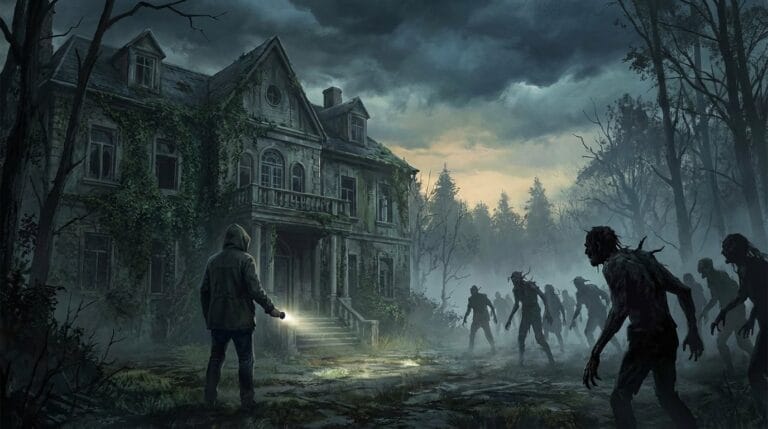
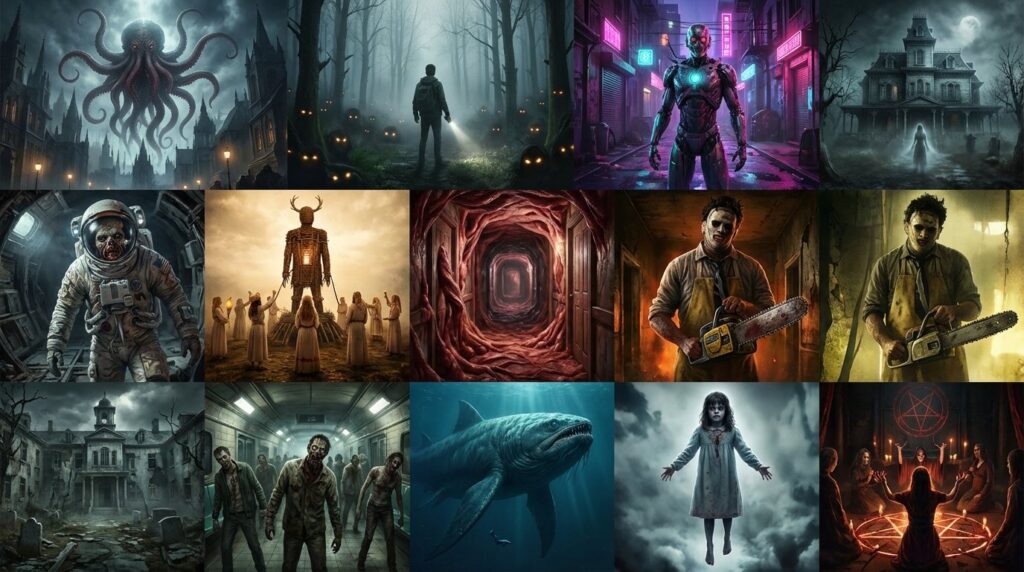
If you thought the last few years were packed with spine-tingling horror releases, 2026 is about to turn your nightmares up to eleven. This year’s lineup for PS5, Switch 2, and Xbox is shaping up to be the most electrifying yet, with major studios and daring indies alike unleashing their darkest visions. From franchise revivals to bone-chilling new IPs, horror fans have more reasons than ever to keep the lights on.
What makes 2026 so special? The new hardware muscle of the latest consoles is finally being fully flexed, bringing photorealistic scares, immersive 3D audio, and interactive environments that react to every terrified gasp. It’s not just about jump scares—these games are set to push boundaries, exploring psychological horror, cosmic terror, and even twisted comedy. Whether you crave slow-burning dread or relentless action, this year’s releases promise to leave even the bravest gamers sleeping with one eye open.
Ready to discover which games will haunt your dreams in 2026? Here are the 13 most exciting horror games launching on PS5, Switch 2, and Xbox that you absolutely can’t afford to miss.
Silent Hill: Rebirth
Story
Konami’s iconic horror franchise returns in Silent Hill: Rebirth, a complete reimagining that fuses elements from the series’ past with a brand-new narrative. Set in a decaying, fog-choked town, players step into the shoes of Dr. Maya Collins, a psychologist investigating the mysterious disappearance of her daughter. The story delves into Maya’s fractured psyche, blurring the line between reality and nightmare as the town’s ghastly secrets unravel.
Rebirth promises to dig deeper into Silent Hill’s mythos, weaving in cult conspiracies and psychological torment. Players will encounter familiar faces in new roles, as well as never-before-seen monsters that feed on personal trauma. Every decision shapes Maya’s fate, with multiple endings ensuring your choices haunt you long after the credits roll.
Gameplay
The gameplay in Rebirth is a blend of classic Silent Hill exploration and modern survival horror innovation. Players will navigate shifting environments, solve elaborate puzzles, and manage scarce resources. The new “Fear Gauge” system tracks Maya’s mental state, influencing everything from hallucinations to menu functionality—lose grip on reality, and even your inventory becomes unreliable.
Combat is tense and deliberate, focusing on evasion and limited weaponry. The haptic feedback of PS5 and Xbox controllers amplifies every heartbeat, while the Switch 2 offers gyroscopic aiming for added immersion. Environmental storytelling is front and center, rewarding thorough exploration with chilling lore and hidden side quests.
Why it’s on this list
Silent Hill: Rebirth is one of the most anticipated horror games of the decade, marking the franchise’s true return to form. After years of rumors and failed spinoffs, fans finally get a confident, terrifying new chapter that respects the legacy while pushing the genre forward. Its promise of psychological depth and replayability make it a must-play for any horror enthusiast.
Graphics and Sound
Thanks to next-gen hardware, Rebirth delivers a gorgeously grotesque Silent Hill. Dynamic fog, realistic lighting, and grotesque creature designs immerse you in a world that feels alive—and hungry. Akira Yamaoka’s haunting score returns, with binaural audio ensuring every creak and whisper crawls right under your skin.
Legacy and Reception
Previews have called Rebirth “a return to horror royalty,” and demo impressions are overwhelmingly positive. Early hands-on reports praise its narrative ambition, emotional character work, and nightmarish visuals. Konami’s commitment to revitalizing its crown jewel has reignited excitement among longtime fans and newcomers alike.
Alan Wake: Nocturne
Story
Remedy Entertainment finally brings Alan Wake back into the spotlight with Nocturne, a direct sequel set eight years after the events of Alan Wake II. The tormented writer, now a fugitive lost within the “Dark Place,” is drawn into a sinister new narrative as reality and fiction collide. Wake must escape his literary nightmare and confront the shadowy forces manipulating his fate.
Nocturne’s plot is a meta-horror thrill ride, with Wake’s written words altering the world around him. Familiar faces like Saga Anderson return, and new villains emerge from the author’s own imagination. The story is packed with twists, unreliable narrators, and mind-bending sequences that leave players questioning what’s real.
Gameplay
Building on the series’ trademark “light vs. darkness” mechanics, Nocturne introduces new tools and supernatural abilities. Players wield a customizable flashlight, flare guns, and even rewrite chunks of the environment using Wake’s typewriter. Puzzle-solving is more intricate than ever, with shifting landscapes and time loops challenging your perception.
Combat is faster and more strategic, requiring careful management of light sources and ammunition. Remedy’s signature cinematic style shines through, with seamless transitions between gameplay and surreal cutscenes. On Switch 2, gyroscopic controls let you aim your flashlight with precision, while PS5 and Xbox deliver stunning ray-traced visuals and immersive audio.
Why it’s on this list
Alan Wake: Nocturne is a dream come true for fans, finally resolving one of gaming’s most tantalizing cliffhangers. It stands out for its clever narrative structure, blending psychological and supernatural horror with fourth-wall-breaking gameplay. If you crave storytelling that keeps you guessing, this is the horror title to watch in 2026.
Graphics and Sound
Nocturne harnesses the power of modern consoles for jaw-dropping visuals—moody forests, shifting shadows, and menacing monsters are rendered in meticulous detail. The soundtrack, composed by Petri Alanko, mixes eerie ambient tracks with licensed music that punctuates key moments, while 3D audio brings Wake’s haunted world to life.
Legacy and Reception
Expectations are sky-high, and Remedy is already being praised for its bold narrative risks and technical prowess. Early demos have been described as “nightmarishly beautiful” and “utterly engrossing.” Alan Wake: Nocturne is poised to secure its place among the best horror sequels ever made.
Fatal Frame: Crimson Eclipse
Story
The Fatal Frame series, long beloved for its chilling Japanese folklore and ghost photography mechanics, returns with Crimson Eclipse. Set in a cursed mountain village abandoned during a blood-red lunar eclipse, players assume the role of Yuki Takahashi, a paranormal investigator seeking her missing sister. The deeper Yuki ventures, the more the boundary between the living and the dead dissolves.
Crimson Eclipse explores themes of grief and family, as Yuki uncovers the tragic fates of villagers trapped in agonizing rituals. The narrative is filled with hair-raising encounters, ancient curses, and vengeful spirits that adapt to your fears. Every photograph you take isn’t just a weapon—it’s a window into the past.
Gameplay
The signature Camera Obscura returns, now upgraded with Switch 2’s motion controls and PS5 haptics, making every ghost encounter feel tactile and immersive. Players must photograph spirits to exorcise them, timing shots for maximum effect. The camera can now reveal hidden paths, secret messages, and alternate realities, adding a new dimension to exploration.
Puzzles are intricately woven into the haunted environments, often requiring you to piece together ghostly clues and manipulate objects in both the physical and spiritual worlds. Limited film and resources force tense decision-making, while stealth elements help you evade especially aggressive apparitions.
Why it’s on this list
Fatal Frame: Crimson Eclipse is the franchise’s boldest entry yet, revitalizing classic mechanics while introducing innovative new gameplay loops. Its focus on atmospheric horror and psychological tension sets it apart from more action-oriented titles. For fans of Japanese horror and those who love a good supernatural mystery, this is a must-play.
Graphics and Sound
Leveraging next-gen hardware, Crimson Eclipse delivers stunningly eerie visuals—shimmering spirits, rotting temples, and moonlit forests come alive with unsettling detail. The use of spatial audio on all platforms means every whisper, footstep, and spectral wail keeps you on edge. The minimalist, traditional Japanese soundtrack amplifies the dread.
Legacy and Reception
Preview events have praised Crimson Eclipse as a “masterclass in tension,” noting its refined mechanics and deeply emotional story. It’s being hailed as the most ambitious Fatal Frame yet, with fans and critics alike eager to see how it pushes the genre forward.
SOMA: Deep Dive
Story
Frictional Games dives back into existential terror with SOMA: Deep Dive, a spiritual successor set in the crumbling underwater ruins of the PATHOS-II facility. Decades after the original game, a new protagonist awakens with fragmented memories, tasked with uncovering the fate of humanity’s last survivors. The story explores themes of identity, consciousness, and the blurred line between man and machine.
As the protagonist delves deeper, they encounter AI remnants and twisted biomechanical horrors. The narrative is non-linear, shaped by player choices and the data you choose to recover. Prepare for philosophical questions that linger long after the game ends.
Gameplay
Deep Dive is a first-person exploration horror with a heavy emphasis on immersion and atmosphere. Players must manage oxygen, power supplies, and sanity, all while evading deadly constructs that stalk the facility’s flooded corridors. Puzzles involve hacking terminals, re-routing power, and piecing together the tragic fates of the crew.
Stealth and resource management are crucial, as direct confrontation is rarely an option. Environmental storytelling is richer than ever, with every room teeming with clues and hidden dangers. Adaptive AI ensures no two encounters are the same, keeping tension high.
Why it’s on this list
SOMA: Deep Dive is a rare breed of horror—one that challenges your intellect as much as your nerves. Its blend of existential dread, oppressive atmosphere, and branching narrative make it a standout in 2026’s horror lineup. Fans of cerebral, slow-burn horror will find plenty to love.
Graphics and Sound
The next-gen visuals bring the underwater setting to life: swaying kelp, flickering lights, and rusted machinery create a sense of claustrophobic beauty. The sound design is equally impressive, with muffled echoes, groaning metal, and haunting synths enveloping you in an unshakable sense of isolation.
Legacy and Reception
SOMA’s cult following is buzzing with anticipation, and critics are already calling Deep Dive a worthy heir. Early impressions highlight its philosophical depth and immersive world-building. It’s shaping up to be one of the most talked-about horror experiences of the year.
Until Dawn: The Descent
Story
Supermassive Games returns to its roots with Until Dawn: The Descent, an ambitious sequel that ups the ante on interactive horror. This time, a group of friends reunites for an extreme spelunking trip in a remote cave system—only to find themselves hunted by something ancient and unspeakable. Secrets, betrayals, and supernatural forces intertwine as the group struggles to survive the night.
The branching narrative is packed with shocking twists, character-driven drama, and moral dilemmas. Each choice you make can save or doom your companions, with dozens of possible endings ensuring every playthrough is unique. The story explores themes of guilt, trauma, and the true nature of fear.
Gameplay
Descent refines the choice-driven gameplay Supermassive is famous for, featuring quick-time events, exploration, and tense decision-making. The new “Heart Rate” mechanic tracks player stress, influencing dialogue options and character relationships. Stealth and environmental hazards add a fresh layer of danger, making every action matter.
The game leverages PS5, Switch 2, and Xbox features for maximum immersion—adaptive triggers, motion controls, and voice recognition all play a role. Dynamic lighting and claustrophobic level design ensure you’ll never feel safe in the pitch-black tunnels.
Why it’s on this list
Until Dawn: The Descent stands out for its cinematic production values and replayability. Its focus on group dynamics and player agency keeps you invested in every character’s fate. If you love horror movies and branching narratives, this is the adrenaline rush you’ve been waiting for.
Graphics and Sound
Supermassive’s motion capture technology delivers lifelike performances, while the cave environments are rendered in breathtaking—and terrifying—detail. The sound design is masterful, with every drip, echo, and distant scream ramping up the tension. The haunting score adapts dynamically to your choices.
Legacy and Reception
The original Until Dawn is a cult classic, and Descent looks poised to exceed expectations. Early previews praise its emotional storytelling and technical polish, calling it “one of the most cinematic games of 2026.” Horror fans and streamers alike are counting down the days.
The Outlast Trials: Requiem
Story
The Outlast franchise returns with Requiem, a standalone follow-up set in the aftermath of the Murkoff Corporation’s collapse. Players are thrust into a deranged asylum-turned-refugee camp, where survivors are tormented by both sadistic experiments and their own unraveling minds. The narrative is told through the eyes of multiple protagonists, each with unique trauma and motivations.
Requiem explores the lengths to which people will go to survive—and what they become when pushed beyond the edge. Expect shocking revelations, gruesome set pieces, and a relentless pace that never lets up.
Gameplay
Requiem stays true to Outlast’s roots with first-person stealth, zero combat, and a heavy emphasis on evasion. Players must scavenge for supplies, hack security systems, and outwit unpredictable AI enemies. Unique to this entry is the “Sanity Link” system, where players’ actions affect the mental state of their fellow survivors, impacting both the story and gameplay.
Multiplayer co-op makes a return, allowing up to four players to collaborate—or betray one another—in their desperate bid for escape. Each run is procedurally generated, ensuring no two nightmares are the same.
Why it’s on this list
The Outlast Trials: Requiem is horror at its most intense, offering a gauntlet of terror for both solo and co-op players. Its blend of psychological horror, social dynamics, and nerve-shredding stealth make it a standout in 2026. If you crave relentless scares and multiplayer mayhem, this is your fix.
Graphics and Sound
Requiem cranks up the gore and grime with hyper-detailed environments, grotesque character models, and dynamic lighting that keeps you guessing what’s lurking in the shadows. The soundscape is brilliantly oppressive, with distorted voices, pounding heartbeats, and sudden shrieks keeping you constantly on edge.
Legacy and Reception
The Outlast series has a reputation for pushing boundaries, and Requiem is already being hailed as the most terrifying entry yet. Pre-release buzz is overwhelmingly positive, with critics calling it “the definitive multiplayer horror experience.” Expect it to be a staple for horror streamers throughout 2026.
Resident Evil: Revelations 3
Story
Capcom reinvigorates its beloved side series with Resident Evil: Revelations 3, a globe-trotting thriller starring fan-favorites Jill Valentine and Leon S. Kennedy. The duo is dispatched to investigate a bioterror outbreak on a remote South American island, where a new strain of the T-virus has mutated the local wildlife and residents into grotesque abominations.
The narrative features classic Resident Evil intrigue—corporate conspiracies, double-crosses, and heart-pounding showdowns. Atmospheric horror is balanced with high-stakes action, as Jill and Leon race to unravel a plot that threatens the world.
Gameplay
Revelations 3 blends the survival horror roots of the series with modern combat mechanics. Players can switch between Jill and Leon, each with distinct skills and gear. Exploration is key, with labyrinthine environments hiding secrets, puzzles, and deadly traps.
The co-op campaign allows for seamless drop-in/drop-out multiplayer, while solo players can command AI partners. A revamped inventory and crafting system adds strategic depth, and the new “Mutation” mechanic sees enemies evolve based on your actions.
Why it’s on this list
Resident Evil: Revelations 3 promises to deliver the best of both worlds—classic horror tension and blockbuster action. Its dual-protagonist system and globe-spanning story set it apart from other entries in the franchise, making it one of 2026’s most exciting releases.
Graphics and Sound
Capcom’s RE Engine delivers jaw-dropping visuals on all platforms, from rain-soaked jungles to decrepit labs crawling with monstrosities. The soundtrack mixes bombastic orchestral tracks with subtle, nerve-racking ambient noise. Sound cues are crucial for detecting lurking enemies, ramping up the suspense.
Legacy and Reception
Fans have been clamoring for a new Revelations entry, and early feedback suggests Capcom has nailed the formula. Critics have praised its balance of horror and action, calling it “a love letter to Resident Evil fans old and new.” Expect it to dominate horror gaming discourse in 2026.
Little Nightmares III
Story
Tarsier Studios returns to the haunting world of The Maw with Little Nightmares III, a dark fairy tale that follows a new protagonist, “The Whisper,” as they traverse a twisted city ruled by monstrous adults. The story is wordless yet emotionally charged, exploring themes of innocence lost and the terror of the unknown.
As The Whisper, players must unravel the city’s mysteries, rescue other children, and evade grotesque, larger-than-life foes. The narrative is packed with symbolic imagery and environmental storytelling that leaves much to the imagination—perfect for fans who love to theorize.
Gameplay
Little Nightmares III retains the side-scrolling puzzle-platforming of its predecessors but introduces new abilities like shadow manipulation and time distortion. Players must solve intricate puzzles, sneak past enemies, and use the environment to their advantage. The addition of co-op play allows two players to team up and tackle the city’s horrors together.
Level design is more open-ended, with multiple paths and hidden areas rewarding exploration. The game’s physics-driven puzzles and suspenseful chases keep adrenaline high, while new mechanics encourage creative problem-solving.
Why it’s on this list
Little Nightmares III stands out for its unique blend of childlike wonder and existential dread. Its surreal art direction and atmospheric storytelling create a world that is both beautiful and deeply unsettling. For those who prefer horror that lingers in the mind, this is a must-play.
Graphics and Sound
The game’s signature “dollhouse” visuals are more detailed than ever, with dynamic lighting and lifelike animations bringing The Whisper’s journey to life. The sound design is masterful—subtle creaks, distant footsteps, and eerie lullabies keep you perpetually on edge.
Legacy and Reception
The Little Nightmares series has carved out a loyal following, and anticipation for the third installment is sky-high. Early previews praise its imaginative puzzles and haunting world. It’s poised to be one of the most visually and emotionally striking horror games of 2026.
The Callisto Protocol: Rebirth
Story
Striking Distance Studios resurrects its sci-fi horror franchise with The Callisto Protocol: Rebirth. Set decades after the fall of Black Iron Prison, the story follows new protagonist Dr. Elara Voss, a bioengineer investigating a derelict research facility on Jupiter’s moon. When a routine salvage mission turns into a fight for survival, Elara must unravel the origins of a new, even deadlier outbreak.
The narrative explores the ethics of scientific progress and the price of survival. As Elara delves into the facility’s secrets, she encounters terrifying new creatures and discovers that some horrors are better left buried.
Gameplay
Rebirth builds on the brutal, visceral combat of the original, with a refined melee system, modular weapons, and new “Mutagen” abilities that let players temporarily alter their physiology. Stealth and environmental interactions are expanded, allowing for creative approaches to both combat and evasion.
Exploration is non-linear, with sprawling levels hiding side objectives, lore collectibles, and deadly traps. Adaptive AI keeps enemy encounters unpredictable, while the tense resource management ensures every bullet counts. On Switch 2, gyro aiming and touch controls enhance immersion.
Why it’s on this list
The Callisto Protocol: Rebirth promises to deliver pulse-pounding sci-fi horror with a narrative that’s as thought-provoking as it is terrifying. Its combination of atmospheric tension, brutal action, and next-gen visuals make it a standout horror title for 2026.
Graphics and Sound
Rebirth leverages cutting-edge tech for photorealistic environments—gleaming corridors, blood-slick floors, and grotesque mutations are rendered in incredible detail. The soundscape is packed with unsettling ambient noises, shrill monster shrieks, and a score that ramps up the tension at every turn.
Legacy and Reception
The original Callisto Protocol built a devoted fanbase, and Rebirth is already generating massive hype. Early hands-on reports praise its improved combat and chilling atmosphere. It’s set to raise the bar for sci-fi horror on all platforms.
Mundaun: The Black Goat
Story
The indie surprise hit Mundaun gets a chilling sequel with The Black Goat. Set in the remote Swiss Alps, players return as Curdin, now an adult haunted by his past encounters with Alpine folklore. When a series of gruesome disappearances plagues the village, Curdin is drawn back into a supernatural mystery that blurs the line between myth and reality.
The narrative is steeped in European folk horror, exploring generational trauma, cursed bloodlines, and the power of ancient rituals. As Curdin unravels the mystery, he must confront the titular entity—a malevolent force that preys on the living and the dead alike.
Gameplay
The Black Goat is a first-person exploration horror with light survival elements. Players must navigate treacherous mountain paths, solve folklore-inspired puzzles, and manage limited resources to survive. The hand-drawn art style returns, now enhanced with dynamic weather and lighting effects that heighten the sense of isolation.
Interactions with villagers and supernatural entities shape the story, with multiple endings based on your choices. Stealth, light, and environmental manipulation remain key to evading or confronting the horrors that stalk the shadows.
Why it’s on this list
Mundaun: The Black Goat offers a fresh take on horror, blending stunning visuals with a uniquely Alpine sense of dread. Its focus on folklore and psychological tension makes it a standout in a sea of jump-scare-heavy games. For those who crave atmospheric horror with deep storytelling, this is essential.
Graphics and Sound
The game’s signature pencil-drawn visuals are more detailed than ever, creating a surreal, dreamlike world. The evocative sound design features chilling wind, distant bells, and haunting folk melodies that immerse you in the Swiss setting. Every sound is designed to keep you on edge.
Legacy and Reception
The original Mundaun earned critical acclaim for its originality, and The Black Goat is already being praised as a worthy successor. Early buzz highlights its immersive storytelling and unforgettable art direction. It’s a must-play for indie horror fans in 2026.
The Mortuary Assistant: Final Rites
Story
DarkStone Digital’s cult hit returns with The Mortuary Assistant: Final Rites, plunging players back into the world of supernatural embalming. Rebecca Owens, now a seasoned mortician, is called to a new facility rumored to be a hotspot for occult activity. When a string of bizarre deaths rocks the small town, Rebecca must balance her daily duties with unraveling a sinister conspiracy.
The narrative weaves together urban legends, demonic possession, and the psychological toll of working with the dead. The story is nonlinear, with randomized hauntings and branching outcomes based on your actions and rituals performed.
Gameplay
Final Rites expands on the original’s immersive mortuary simulation, introducing new embalming techniques, paranormal investigations, and intricate rituals. Players must manage time, resources, and Rebecca’s sanity while contending with unpredictable supernatural events.
The game’s replayability is heightened by procedurally generated scares and multiple endings. On console, haptic feedback and motion controls make every task—from suturing wounds to performing exorcisms—feel disturbingly real.
Why it’s on this list
The Mortuary Assistant: Final Rites is the ultimate blend of job simulator and supernatural horror. Its unique premise and dynamic scares ensure no two shifts are ever the same. If you want a horror game that keeps you guessing—and second-guessing—this is one of 2026’s standouts.
Graphics and Sound
The visuals are more detailed and gruesome than ever, with hyper-realistic cadavers, shadowy corridors, and flickering lights. The sound design is masterful, with unsettling whispers, sudden bangs, and an unnerving soundtrack that ramps up as the supernatural activity intensifies.
Legacy and Reception
The Mortuary Assistant has become a streamer favorite, and Final Rites is already generating huge buzz. Early access feedback highlights its expanded mechanics and terrifying unpredictability. It’s set to become a cult classic among horror fans once again.
Project: Abandon
Story
One of 2026’s most mysterious new IPs, Project: Abandon is a psychological horror game from the creators of Layers of Fear. Set in a derelict Soviet-era research bunker, players wake up with no memory and must piece together their identity while evading a relentless, ever-present entity.
The story unfolds through cryptic notes, environmental clues, and disturbing hallucinations. As you explore, the bunker shifts and changes, making escape a constantly moving target. The narrative explores memory, guilt, and the terrifying consequences of scientific hubris.
Gameplay
Project: Abandon is all about tension and unease. Players must solve environment-based puzzles, manage limited light sources, and avoid the entity that stalks every corridor. The game features a “Paranoia Meter” that reacts to player actions—make too much noise, linger in the dark, or confront your fears, and the world itself becomes more hostile.
Procedural generation ensures that every playthrough is different, with new threats and story fragments to discover. Survival is all about observation, resourcefulness, and knowing when to run—or when to hide.
Why it’s on this list
Project: Abandon is shaping up to be 2026’s breakout horror hit, blending psychological terror with unpredictable gameplay. Its oppressive atmosphere and mind-bending narrative set it apart from anything else on the market. For thrill-seekers who want something truly unique, this is the title to watch.
Graphics and Sound
The bunker’s decaying halls are rendered in stunning detail, with dynamic lighting and environmental effects creating a sense of constant dread. The sound design is minimalist but effective—dripping water, distant machinery, and the entity’s chilling whispers make every moment nerve-wracking.
Legacy and Reception
Though shrouded in secrecy, Project: Abandon has already captured the attention of horror fans and critics. Early demos are being praised for their tension and originality. If it lives up to the hype, it could redefine the psychological horror genre.
Bloodborne: Ascension
Story
FromSoftware finally delivers the long-awaited sequel with Bloodborne: Ascension, transporting players back to the nightmarish city of Yharnam. Decades after the events of the original, a new Hunter arrives to confront a fresh outbreak of eldritch horror. The city is now fractured by warring cults, each vying for control of the blood’s terrible power.
Ascension’s narrative is as cryptic and layered as ever, revealing new secrets about the Great Ones and the nature of the Hunt. Players will uncover hidden alliances, forbidden rituals, and the fate of familiar characters through environmental storytelling and elusive NPCs.
Gameplay
Ascension builds on the fast, visceral combat Bloodborne is famous for, introducing new weapon transformations, arcane abilities, and a refined “Insight” system that alters the world as your knowledge grows. Exploration is more open-ended, with interconnected districts and hidden realms to discover.
Challenging boss battles, cryptic side quests, and multiplayer invasions return, ensuring endless replayability. The Switch 2 version boasts impressive performance, while PS5 and Xbox versions offer stunning visuals and lightning-fast load times.
Why it’s on this list
Bloodborne: Ascension is the holy grail for horror-action fans. Its blend of gothic horror, cosmic dread, and brutally challenging gameplay make it a genre-defining experience. For those who crave deep lore and relentless action, this is the game of the year.
Graphics and Sound
The nightmare is more beautiful than ever—crumbling cathedrals, blood-soaked streets, and grotesque monsters are rendered in exquisite detail. The sound design is haunting, with atmospheric music, chilling enemy screeches, and environmental cues that keep you on edge.
Legacy and Reception
Bloodborne’s legacy as a genre-defining masterpiece is secure, and Ascension is already being hailed as its worthy successor. Critics and fans alike are calling it “the ultimate horror-action experience.” Expect it to dominate conversations—and challenge runs—for years to come.
Conclusion
2026 is shaping up to be a landmark year for horror games, with a thrilling mix of sequels, reboots, and bold new IPs set to terrify players across PS5, Switch 2, and Xbox. Whether you prefer cerebral dread, pulse-pounding action, or atmospheric exploration, this year’s lineup has something for every flavor of fear. From the mind-bending mysteries of Project: Abandon to the triumphant return of Bloodborne, these 13 games are poised to define the next era of interactive horror.
It’s a great time to be a horror fan, with developers taking full advantage of next-gen hardware to deliver richer stories, deeper immersion, and scares that linger long after you put down the controller. So stock up on snacks, grab your bravest friends, and get ready for a year of unforgettable nightmares—these are the games that will keep you up at night in 2026!