


Nostalgia for the golden age of PlayStation runs deep among gamers who grew up in the 90s and early 2000s. The original PlayStation, followed by the PS2, brought a wave of groundbreaking titles that shaped the industry and our imaginations. Many of these classics pushed hardware boundaries and introduced unforgettable stories, mechanics, and characters. But as gaming technology has leapt forward, some of these gems have faded into obscurity, their potential for a new generation unrealized.
With the power of the PlayStation 5, there’s never been a better time to revisit these beloved titles. Modern remakes can do more than just update textures—they can breathe new life into worlds, deepen gameplay, and update controls for today’s standards. With that in mind, here are twelve retro PlayStation games that absolutely deserve a modern remake on PS5.
Legend of Dragoon
Platform | PlayStation |
|---|---|
Publisher | Sony Computer Entertainment |
Genre | JRPG |
Release Date | 12/02/1999 |
Story
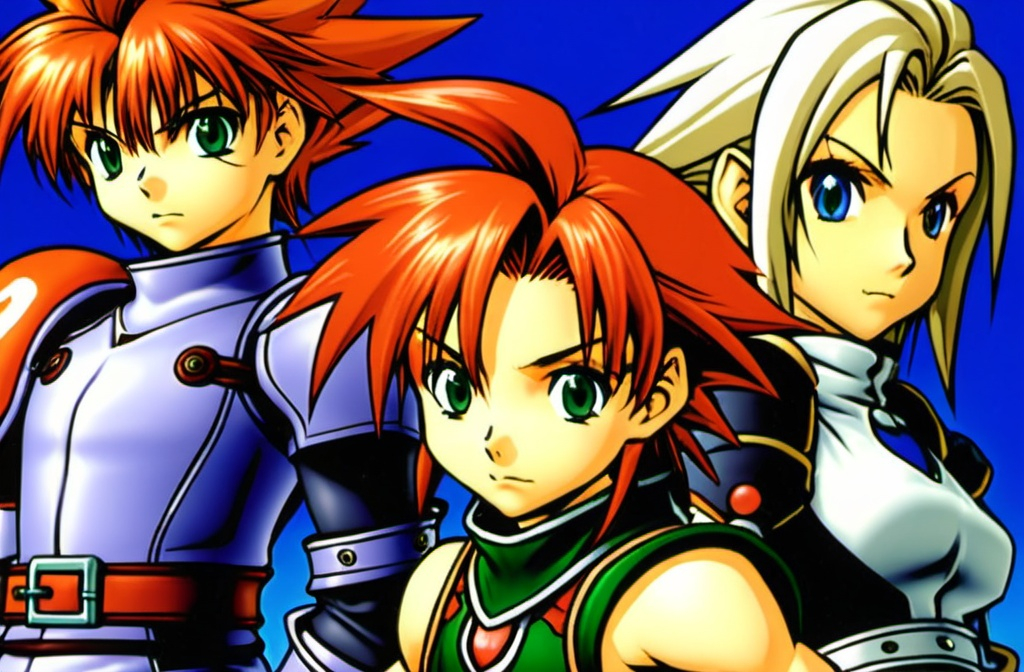
Legend of Dragoon is a sweeping fantasy JRPG that first captivated players on the original PlayStation in 1999 (Japan) and 2000 (North America). Players embark on an epic quest with Dart, a young warrior seeking vengeance after his hometown is destroyed, only to be swept up in a conflict that threatens the world itself. Alongside a memorable cast, Dart uncovers secrets about ancient Dragons, mysterious Dragoons, and his own destiny.
The narrative stands out for its twists and grand scale. Themes of loss, legacy, and sacrifice are interwoven with political intrigue and the supernatural. Each party member brings their own motivations, lending depth to the journey. The story’s ambitious scope made it a favorite among fans craving a JRPG experience rivaling Final Fantasy.
Gameplay
Legend of Dragoon featured a blend of traditional turn-based combat and a unique “Addition” system. Players timed button presses to execute more powerful attacks, making battles feel dynamic and interactive rather than purely menu-driven. Transformations into Dragoons introduced new abilities and strategies, adding another layer of depth.
Outside combat, exploration took players through diverse environments, from ancient ruins to bustling cities. The game’s progression was punctuated by cinematic cutscenes and challenging boss fights, keeping the experience fresh throughout its lengthy campaign.
Why it’s on this list
Despite strong fan support and cult status, Legend of Dragoon has never received a remake or sequel. A PS5 remake could modernize its visuals, streamline the sometimes clunky interface, and revitalize its combat system for contemporary audiences. With the current JRPG renaissance, there’s a significant appetite for a reimagining of this classic.
Graphics and Sound
Legend of Dragoon impressed with its pre-rendered backgrounds, cinematic cutscenes, and ambitious use of full-motion video. Its soundtrack, composed by Dennis Martin and Takeo Miratsu, is still beloved for its sweeping, melodic themes. However, technical limitations of the time left some animations stiff and environments blurry by today’s standards.
Legacy and Reception
At launch, the game received mixed reviews for being derivative of other JRPGs, but over time, its unique mechanics and heartfelt story won over legions of fans. Today, it’s remembered as one of the great underdog RPGs of the PlayStation era, with fans campaigning for a remake for decades.
Vagrant Story
Platform | PlayStation |
|---|---|
Publisher | Square |
Genre | Action RPG |
Release Date | 05/15/2000 |
Story
Vagrant Story dropped players into the dark, labyrinthine city of Leá Monde, following the journey of Ashley Riot, an elite agent investigating a political conspiracy. The game’s mature narrative and ambiguous storytelling drew players into a world of intrigue, magic, and betrayal. Its themes explored memory, trauma, and the blurred lines between hero and villain.
The story unfolded with cinematic flair, using comic panel-style cutscenes and expressive character models. The complex plot required careful attention, rewarding those who pieced together its mysteries. Vagrant Story’s writing and world-building elevated it above many contemporaries, leaving a lasting impression on those who experienced it.
Gameplay
Vagrant Story’s gameplay set it apart from other RPGs of its era. It combined real-time movement with a pause-and-target system for combat, allowing players to aim attacks at specific body parts. Weapon crafting and customization were deep, encouraging experimentation and mastery. The game rewarded planning and adaptability, as enemies required different strategies to defeat.
Dungeon crawling was at the heart of the experience, with challenging puzzles and environmental hazards. The atmosphere was tense, and resource management added to the sense of danger. Vagrant Story’s learning curve was high, but its systems were rewarding for those who persevered.
Why it’s on this list
Vagrant Story remains a singular experience that has never been replicated or expanded upon. A PS5 remake could enhance its atmospheric environments, refine its complex controls, and bring its mature narrative to a wider audience. Its cult status and influence among developers make it a prime candidate for revival.
Graphics and Sound
The original game used advanced lighting, moody color palettes, and detailed character models for its time. The soundtrack by Hitoshi Sakimoto added to the haunting ambiance, blending orchestral and electronic elements. While atmospheric, the visuals are now dated, and a remake could dramatically enhance the immersion.
Legacy and Reception
Critics hailed Vagrant Story as a masterpiece, especially for its storytelling and innovation. It’s frequently cited among the greatest PlayStation games, though its challenging systems limited its mainstream appeal. Even today, it’s remembered as an underrated gem in Square’s catalog.
Parasite Eve
Platform | PlayStation |
|---|---|
Publisher | Square |
Genre | Survival Horror RPG |
Release Date | 09/09/1998 |
Story
Parasite Eve combined survival horror with RPG elements, spinning a unique tale set in a hauntingly reimagined New York City. Players controlled Aya Brea, an NYPD officer investigating a series of bizarre, spontaneous combustions linked to a mysterious woman named Eve. The story delved into genetics, evolution, and body horror, inspired by the Japanese novel of the same name.
The narrative blended police procedural with science fiction, keeping players hooked with its escalating tension and high-stakes confrontations. Aya’s personal journey and her connection to Eve provided an emotional anchor, while the apocalyptic threat loomed ever larger.
Gameplay
The game mixed exploration and puzzle-solving with real-time, semi-turn-based combat. Players could move Aya during fights to dodge attacks and unleash a range of weapons and Parasite Energy powers. Customization of firearms and equipment added depth, while resource management kept tension high.
Parasite Eve stood out for its cinematic presentation, blending pre-rendered backgrounds with 3D character models. Its balance of horror atmosphere and RPG mechanics was ahead of its time, paving the way for future genre hybrids.
Why it’s on this list
Parasite Eve’s distinct blend of genres and setting make it ripe for a modern remake. With renewed interest in survival horror and action-RPGs, a PS5 version could refine its mechanics, expand its environments, and deliver its unsettling story with modern visuals and sound.
Graphics and Sound
The original made excellent use of PlayStation’s hardware, especially in its atmospheric environments and iconic soundtrack by Yoko Shimomura. However, character models and backgrounds now appear blocky and dated. A remake could truly bring Eve’s horror to life in unsettling detail.
Legacy and Reception
Parasite Eve was lauded for its originality and cinematic flair, earning a dedicated fanbase. While its sequels never quite matched the first game’s impact, the original remains a high point for experimental storytelling in games, influencing later survival horror titles.
Chrono Cross
Platform | PlayStation |
|---|---|
Publisher | Square |
Genre | Turn-Based RPG |
Release Date | 11/18/1999 |
Story
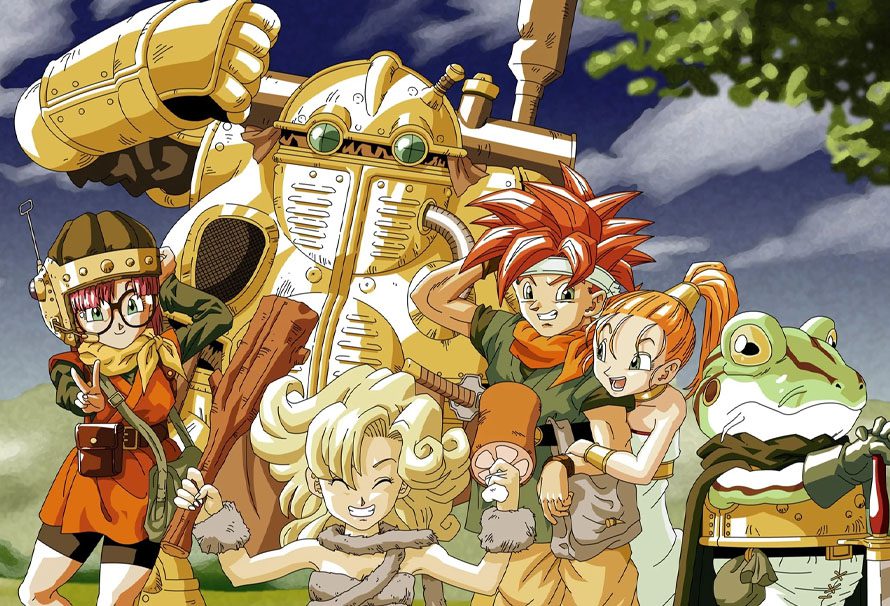
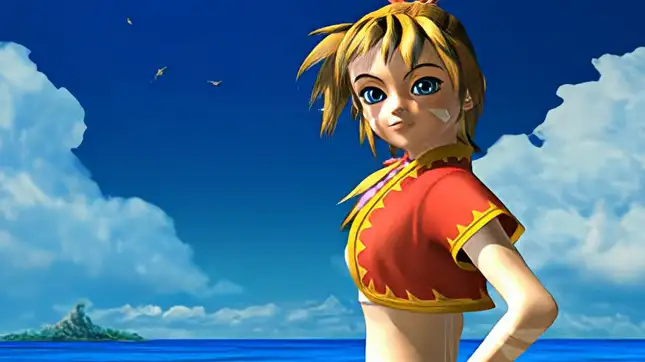
Serving as a spiritual successor to Chrono Trigger, Chrono Cross thrusts players into a parallel worlds epic, following the story of Serge, a boy caught between realities. When Serge discovers a world where he died as a child, he embarks on a quest to uncover the truth behind his existence and the fate of both worlds. The narrative explores identity, choice, and the rippling effects of decisions across dimensions.
The game’s storytelling is both ambitious and deeply personal, filled with memorable characters and philosophical undertones. It weaves complex themes without losing sight of the emotional stakes, culminating in a finale that lingers in the minds of players long after completion.
Gameplay
Chrono Cross is renowned for its innovative battle system, which eschews traditional RPG conventions. Players assemble a party from over 40 unique characters, each with distinct abilities. The Element system allows for strategic spellcasting and combo attacks, rewarding experimentation.
Exploration spans vibrant towns, lush forests, and surreal alternate realities. Puzzle-solving, branching paths, and multiple endings encourage replayability. The game’s systems are deep but accessible, making it both welcoming and rewarding to master.
Why it’s on this list
Despite critical acclaim, Chrono Cross has never been fully remade. Its ambitious scope and unique mechanics would benefit greatly from modern hardware. A PS5 remake could clarify its sometimes convoluted storytelling, enhance its visuals, and introduce its world to a new audience.
Graphics and Sound
The original’s hand-drawn backgrounds and character art were stunning for their time. The soundtrack, composed by Yasunori Mitsuda, is frequently lauded as one of the best in gaming history. However, technology has advanced, and a remake could bring its locales and music to breathtaking new heights.
Legacy and Reception
Chrono Cross received strong reviews and developed a passionate following, though it remains overshadowed by its predecessor. Over time, appreciation for its innovation and storytelling has only grown, and it remains one of the PlayStation’s most beloved RPGs.
Dino Crisis
Platform | Playstation |
|---|---|
Publisher | Capcom |
Genre | Survival Horror |
Release Date | 07/01/1999 |
Story
Dino Crisis plunged players into a high-tension thriller set on a remote research facility overrun by genetically engineered dinosaurs. Regina, a special forces operative, investigates the mysterious island, only to find herself fighting for survival against prehistoric predators. The story blends Jurassic Park-style thrills with the claustrophobia of survival horror.
The unfolding mystery keeps players engaged, as corporate secrets and scientific hubris unravel into chaos. Regina’s resourcefulness and the unpredictable, relentless dinosaurs set the stage for a gripping ride from start to finish.
Gameplay
Dino Crisis is often described as “Resident Evil with dinosaurs,” but its real-time 3D environments and dynamic enemy AI set it apart. Dinosaurs could pursue players between rooms, creating a sense of constant danger. Resource management, puzzles, and exploration were key, with limited ammunition and healing supplies ramping up the tension.
The game also featured branching paths and multiple endings, encouraging replayability. Its unique blend of action and horror set a template that has rarely been matched since.
Why it’s on this list
With the resurgence of survival horror remakes, Dino Crisis is a natural candidate for a PS5 overhaul. Modern graphics could make the dinosaurs truly terrifying, while improved controls and expanded environments could elevate the tension. Fans have clamored for a revival for years, and the time is ripe.
Graphics and Sound
The original’s 3D graphics were innovative for the era, but today’s technology could deliver truly lifelike environments and creatures. The soundtrack and sound design contributed to the suspense, but a remake could amplify the terror with modern audio techniques.
Legacy and Reception
Dino Crisis was a commercial and critical success, spawning sequels and a loyal fanbase. However, the series lost momentum after the PS2 era. The first game remains a touchstone for survival horror enthusiasts, and its absence in the modern era is keenly felt.
Suikoden II
Platform | PlayStation |
|---|---|
Publisher | Konami |
Genre | Turn-Based RPG |
Release Date | 12/17/1998 |
Story
Suikoden II tells a politically charged story of war, betrayal, and friendship in a richly realized fantasy world. Players assume the role of a nameless protagonist caught between warring nations, forced to lead a rebellion against a corrupt regime. The tale is emotionally resonant, examining the costs of conflict and the nature of loyalty.
The plot unfolds through an ensemble cast, with over 100 recruitable characters—each with their own backgrounds and motivations. The interwoven stories and moral dilemmas add depth rarely seen in RPGs, making each choice feel meaningful.
Gameplay
The game blends turn-based combat with large-scale army battles and one-on-one duels. Recruiting allies for your cause is central, and assembling all 108 Stars of Destiny unlocks the true ending. Strategy, resource management, and party composition are key elements.
Exploration and castle-building provide a sense of progression and belonging. Mini-games, side quests, and branching storylines reward thorough play. Suikoden II’s systems remain engaging decades later, and its streamlined interface keeps the focus on storytelling and tactical choices.
Why it’s on this list
Despite its critical acclaim, Suikoden II has never been given a modern remake. Its massive cast and intricate world would shine with updated visuals and expanded content. The PS5’s power could bring its epic battles and heartfelt moments to a new generation, preserving one of the greatest RPGs ever made.
Graphics and Sound
Suikoden II’s 2D sprites and environments are charming but dated. The soundtrack, composed by Miki Higashino, is stirring and memorable. A remake could reimagine its world in 3D or high-definition 2D, accompanied by a fully orchestrated score.
Legacy and Reception
Though it struggled commercially at launch, Suikoden II’s reputation has soared over the years. It’s now considered one of the best RPGs of all time, often cited for its mature storytelling and innovative mechanics. Its influence can be seen in many modern RPGs.
Wild Arms
Platform | PlayStation |
|---|---|
Publisher | Media.Vision |
Genre | Turn-Based RPG |
Release Date | 12/20/1996 |
Story
Wild Arms transports players to the desert world of Filgaia, a land blending Wild West motifs with classic fantasy and science fiction. The story follows Rudy, Jack, and Cecilia as they attempt to prevent ancient evils from destroying their home. The narrative is a mix of personal growth, adventure, and the struggle against fate.
The setting stands out for its fusion of genres, offering a refreshing break from traditional fantasy tropes. Each protagonist has a unique backstory and motivation, and their journey together is filled with discovery, loss, and hope.
Gameplay
Wild Arms combines traditional turn-based battles with exploration and puzzle-solving. Each character wields unique abilities in and out of combat, often required to navigate dungeons and solve environmental challenges. The game’s grid-based puzzles are a signature feature, offering cerebral breaks from battles.
The ARM weapon system and magic add layers of customization and strategy. Side quests and hidden secrets encourage exploration, rewarding players who fully engage with Filgaia’s world.
Why it’s on this list
Wild Arms has a devoted fanbase and a unique identity among PlayStation RPGs. A modern remake could revitalize its setting with lush environments, cinematic storytelling, and enhanced puzzles. The PS5 would allow for expansive reimaginings of its deserts, towns, and dungeons.
Graphics and Sound
The original’s 2D overworld and 3D battles were ambitious, but now appear rudimentary. Michiko Naruke’s soundtrack is iconic, blending whistling Western themes with sweeping orchestration. A remake could re-record its music and overhaul visuals for modern audiences.
Legacy and Reception
Wild Arms received strong reviews and spawned a series, though none matched the impact of the first game. Its blend of genres and memorable music earned it a place among the PlayStation’s best-loved RPGs. Calls for a remake have grown louder as Western and fantasy genres enjoy a resurgence.
Castlevania: Symphony of the Night
Platform | PlayStation |
|---|---|
Publisher | Konami |
Genre | Action-Adventure |
Release Date | 03/20/1997 |
Story
Symphony of the Night marked a radical shift for the Castlevania series, placing players in the role of Alucard, son of Dracula, as he explores his father’s resurrected castle. The story is gothic and mysterious, filled with family drama, ancient curses, and a battle against darkness.
Alucard’s personal quest for redemption and the unraveling of Richter Belmont’s fate create a layered and engaging narrative. The game is filled with secrets, hidden rooms, and cryptic characters, rewarding those who dig deeper into its lore.
Gameplay
Symphony of the Night popularized the “Metroidvania” format, combining exploration, RPG elements, and platforming. Players earn new abilities that unlock previously inaccessible areas, creating a satisfying loop of discovery and progression.
The combat system is fluid, with a vast array of weapons, spells, and relics to collect. Hidden bosses, alternate endings, and a massive castle to explore ensure that no two playthroughs are the same. The game’s structure and systems have influenced countless titles since.
Why it’s on this list
While the game has seen ports and re-releases, it has never received a full modern remake. The PS5 could deliver its sprawling castle in jaw-dropping detail, update its controls, and introduce quality-of-life improvements without sacrificing its core. With the Metroidvania genre more popular than ever, it’s the perfect time for a reimagining.
Graphics and Sound
The hand-drawn sprites, atmospheric backgrounds, and iconic soundtrack by Michiru Yamane are legendary. However, the visuals now show their age, and a remake could bring new life to its haunting world. A reorchestrated soundtrack would be a treat for both new and returning fans.
Legacy and Reception
Symphony of the Night is frequently cited as one of the greatest games of all time. Its influence on game design is vast, and its replayability keeps players coming back decades later. A remake would honor its legacy and introduce it to a new generation of fans.
Tomba!
Platform | PlayStation |
|---|---|
Publisher | Whoopee Camp |
Genre | Platformer |
Release Date | 07/16/1998 |
Story
Tomba! is a quirky, vibrant platformer that follows the wild-haired protagonist Tomba on his quest to retrieve his stolen golden bracelet from the mischievous Evil Pigs. The story is whimsical and light-hearted, filled with offbeat characters, bizarre scenarios, and a sense of adventure reminiscent of classic fairy tales.
The game’s world is bursting with charm, and its playful tone makes it accessible to players of all ages. Tomba’s journey is filled with humor and heart, making each interaction memorable.
Gameplay
Tomba! blends platforming with open-ended questing. Rather than linear progression, players complete dozens of side quests, solving puzzles and helping eccentric NPCs. Each area is filled with secrets, collectibles, and creative challenges that reward curiosity and exploration.
The platforming is tight and responsive, and new abilities are unlocked as Tomba defeats Evil Pigs and completes quests. The game’s unique structure gives players freedom to tackle objectives in any order, fostering a sense of agency.
Why it’s on this list
Tomba!’s blend of platforming and adventure remains unique, and its colorful world would thrive on modern hardware. A PS5 remake could expand its environments, add new quests, and update the visuals to match its imaginative spirit. Its cult following continues to advocate for a revival.
Graphics and Sound
The original’s 2.5D graphics and expressive animations stood out on the PlayStation, but are now limited by the hardware’s capabilities. The soundtrack is catchy and whimsical, perfectly matching the game’s tone. A remake could fully realize its lush environments and eccentric characters.
Legacy and Reception
Tomba! was well-received critically but struggled commercially, making physical copies rare and expensive today. Its innovative structure and charm have earned it a dedicated fanbase, and it’s often cited as a hidden gem of the PlayStation era.
Bushido Blade
Platform | PlayStation |
|---|---|
Publisher | Square |
Genre | Fighting |
Release Date | 03/14/1997 |
Story
Bushido Blade eschewed traditional fighting game conventions in favor of realism and high stakes. Players chose from a roster of warriors, each seeking vengeance or redemption within the mysterious compound of the Meikyokan. The story is told through the eyes of different characters, with multiple endings based on choices and honorable conduct.
The game’s minimalistic narrative focuses on bushido—the warrior’s code—and the consequences of one’s actions. The result is a somber, contemplative experience that sets it apart from its flashier peers.
Gameplay
Bushido Blade’s defining feature is its one-hit-kill combat system. Instead of life bars, players must use timing, positioning, and tactics to win duels, where a single well-placed strike can end the match. The environment plays a crucial role, offering both hazards and strategic opportunities.
The game also features a first-person mode and a variety of weapons, each with unique strengths and weaknesses. Adhering to the code of honor—avoiding cheap tactics or attacking from behind—can affect the story’s outcome, adding a layer of moral choice.
Why it’s on this list
Bushido Blade’s innovative approach to fighting games has never been fully replicated. A remake could use modern physics, detailed environments, and online multiplayer to elevate its tense duels. The PS5’s power could deliver breathtaking swordplay and more nuanced character interactions.
Graphics and Sound
The original’s graphics were functional but basic. A remake could offer lush, realistic arenas and lifelike character animations. The minimalist sound design and traditional Japanese music could be enhanced with modern audio techniques, deepening the immersion.
Legacy and Reception
Bushido Blade received critical acclaim for its originality and depth, but its sequels failed to capture the same magic. It remains a cult favorite among fighting game enthusiasts, often cited for its bold design and unique atmosphere.
Alundra
Platform | PlayStation |
|---|---|
Publisher | Working Designs |
Genre | Action RPG |
Release Date | 12/31/1997 |
Story
Alundra is a dark, challenging action-adventure game that follows the titular hero as he enters the dreams of the tormented villagers of Inoa. The story explores themes of hope, despair, and the battle against a malevolent force known as Melzas. Alundra’s journey is both epic and deeply personal, as he struggles to save the villagers from their nightmares.
The narrative delves into mature territory, addressing loss, grief, and the burdens of heroism. Each dream sequence reveals more about the villagers and their struggles, making the story emotionally impactful.
Gameplay
Often compared to The Legend of Zelda, Alundra features top-down exploration, real-time combat, and intricate puzzles. Each dungeon and dream world is filled with devious traps, platforming challenges, and brain-teasing riddles. The game is known for its steep difficulty but rewards persistence with satisfying progression.
The variety of environments and ability upgrades keep the gameplay fresh. Secrets, hidden items, and side quests add depth, making exploration rewarding for those who dig beneath the surface.
Why it’s on this list
Alundra’s combination of challenging puzzles, dark storytelling, and atmospheric world make it a standout. A remake could refine its controls, update its visuals, and introduce new content, inviting both longtime fans and new players into its haunting world.
Graphics and Sound
The original’s 2D pixel art is detailed and expressive, but modern hardware could bring its world to life with dynamic lighting and enhanced animation. The soundtrack is moody and evocative, and a remake could reimagine its music and sound design for greater emotional impact.
Legacy and Reception
Alundra was praised for its depth and difficulty, earning a devoted following. It’s often cited as one of the best Zelda-like games on PlayStation, and its mature storytelling has only gained appreciation with time. Calls for a remake have persisted as other action-adventure games receive modern updates.
Front Mission 3
Platform | PlayStation |
|---|---|
Publisher | Square |
Genre | Tactical RPG |
Release Date | 09/02/1999 |
Story
Front Mission 3 is a tactical RPG set in a near-future world dominated by political intrigue and mechanized warfare. Players follow the story of Kazuki Takemura, whose involvement in a routine mission quickly spirals into global conflict. The narrative is split between two divergent paths, depending on early choices, offering multiple perspectives on the same war.
The game explores themes of loyalty, nationalism, and the ethics of warfare. Its branching storylines and cast of complex characters give players reason to replay and discover all outcomes.
Gameplay
Front Mission 3’s turn-based strategy revolves around customizable mechs called Wanzers. Players assemble squads, equip weapons and armor, and engage in tactical battles across varied terrain. Targeting specific mech parts adds depth, while resource management and positioning are crucial for victory.
The game also features a “network” system, allowing players to explore a virtual internet for story details, side quests, and secrets. This innovative feature added immersion and replayability, making Front Mission 3 ahead of its time.
Why it’s on this list
Despite its cult following, Front Mission 3 has never been remade or re-released outside of ports. A PS5 remake could offer improved mechanics, expansive battlefields, and a richer narrative experience. The resurgence of tactical RPGs makes this the perfect moment for a modern revival.
Graphics and Sound
The original’s 3D models and environments are now simplistic, but a remake could deliver detailed mechs, destructible environments, and cinematic effects. The soundtrack, blending orchestral and electronic elements, could be fully re-recorded to match the upgraded visuals.
Legacy and Reception
Front Mission 3 was acclaimed for its depth, replayability, and story complexity. It’s remembered as a high point in the tactical RPG genre and remains one of the most requested remakes among strategy fans.
Conclusion
The PlayStation era birthed a staggering number of unforgettable games—many of which pushed boundaries, inspired future titles, and continue to hold a special place in the hearts of gamers. As the industry moves forward, there’s immense value in revisiting these classics, not just for nostalgia, but to introduce their stories, worlds, and innovations to new generations.
A modern remake does more than update graphics; it preserves gaming history and reignites the magic that made these titles legendary. With the power of the PS5, each of these twelve games could be transformed into a new masterpiece, blending the best of the past with the promise of the future. Here’s hoping developers take note and bring these timeless adventures back to life.